
Short Answer
Have you ever wondered if a cactus could thrive on your windowsill, basking in sunlight while somehow maintaining an aura of exotic mystery? More intriguingly, what if that cactus hails from one of the driest places on Earth—the Chilean deserts? Enter Copiapoa, a genus of captivating desert cacti that challenge both novice and seasoned succulent enthusiasts alike. But here’s the twist: growing Copiapoa is no mere walk in an arid park. With their unique adaptations to the harsh Atacama Desert, they demand a delicate balance of care and knowledge. Ready to embrace this botanical enigma and elevate your cactus collection? Let’s dive into the art and science of Copiapoa care.
Unveiling Copiapoa: A Chilean Desert Marvel
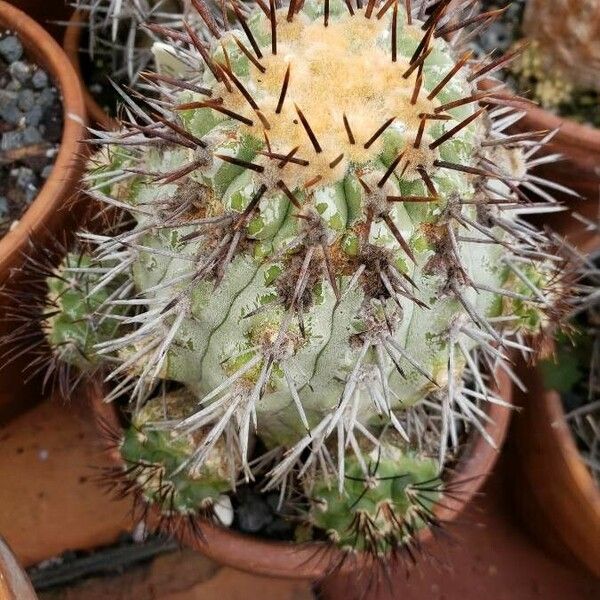
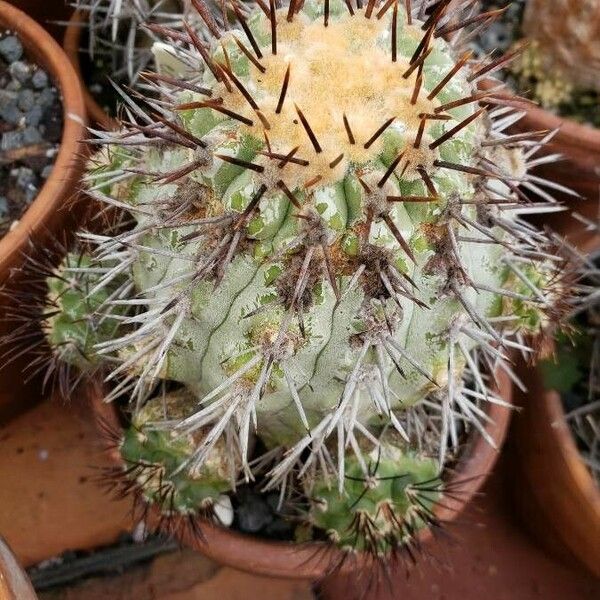
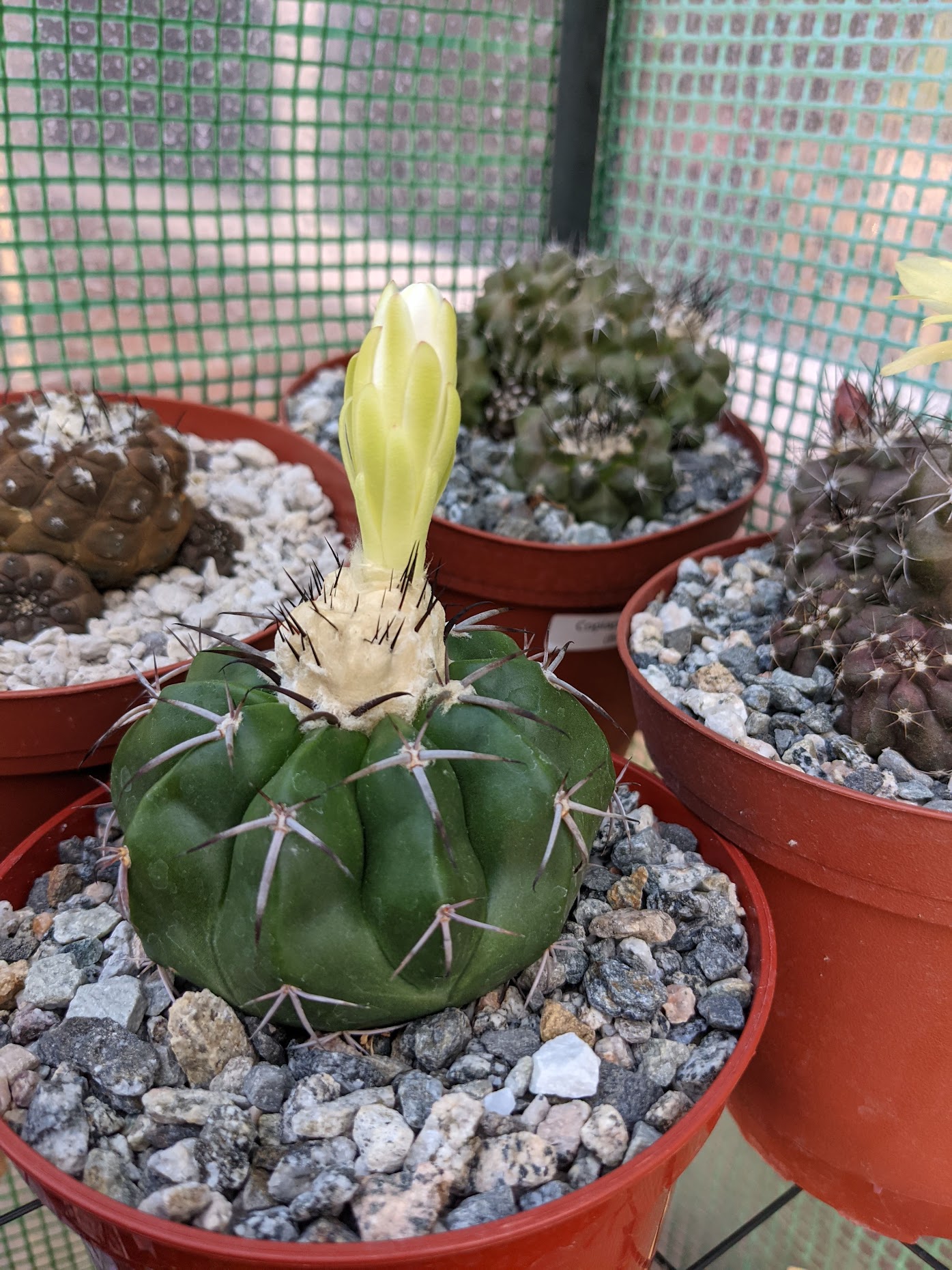
Before venturing into the care regimen, it’s essential to appreciate the origin and nature of Copiapoa cacti. Native to the austere landscapes of northern Chile, especially around the coastal Atacama Desert, these plants possess an uncanny resilience. Their globular to columnar bodies, often cloaked in a waxy powder or dense spination, are evolutionary masterpieces designed to conserve water and reflect intense sunlight.
Intriguingly, they also exhibit slow growth and can live for decades, making them prized additions for collectors. But thriving in your garden or indoor space calls for replicating their native environment in miniature. Can you meet this challenge? Absolutely—with the right techniques and insights.
Light: Mimicking the Brilliant Chilean Sun
Light is arguably the cornerstone of successful Copiapoa cultivation. These cacti bask under the fierce sun in their natural habitat, so insufficient lighting can lead to etiolation—a frustrating elongation and loss of that robust, barrel shape.
Ideally, position your Copiapoa where it can absorb intense, direct light for at least 6 hours daily. A south-facing window with unobstructed sunlight is a prime spot. However, beware of excessive afternoon sun during peak summer months, which can risk scorching tender tissues if your cactus is acclimated to shaded indoor conditions. Gradually increase sun exposure to harden their skins, much like a desert native adapting to sudden weather changes.
Watering: Mastering the Art of Desert Hydration
Watering Copiapoa is a dance of moderation that requires intuition and precision. Despite being desert dwellers, overzealous watering is the most notorious antagonist in their care saga. Copiapoa have evolved to absorb scant rainfall and condense moisture from fog and dew.
During their active growing season in spring and autumn, water sparingly but thoroughly—allowing the soil to dry deeply between waterings. In winter, their dormancy beckons for near-complete abstinence from moisture. Any excess water can foment root rot swiftly due to the cactus’ sensitive root system.
Tip: Use cool, filtered water to avoid mineral buildup, and always water the base rather than overhead to mimic natural desert conditions.
Soil Composition: Crafting the Perfect Desert Substrate
The substrate you provide can be the difference between thriving and merely surviving. Copiapoa demand a soil blend that drains rapidly, ensuring no puddling or lingering dampness. A concoction of gritty sand, coarse perlite, and mineral-rich cactus soil forms an ideal medium.
Incorporating volcanic rock fragments or decomposed granite can vastly improve aeration and mimic the rocky desert terrain, promoting robust root health. Avoid heavy garden soils or mixes with excessive organic matter, as they retain moisture and suffocate roots.
Potting and Repotting: Navigating Growth with Patience
Copiapoa generally exhibit slow, steady growth, but this does not exempt them from periodic repotting. Generally, a repotting interval of every 2–3 years suffices, primarily to refresh soil conditions rather than accommodate rapid expansion.
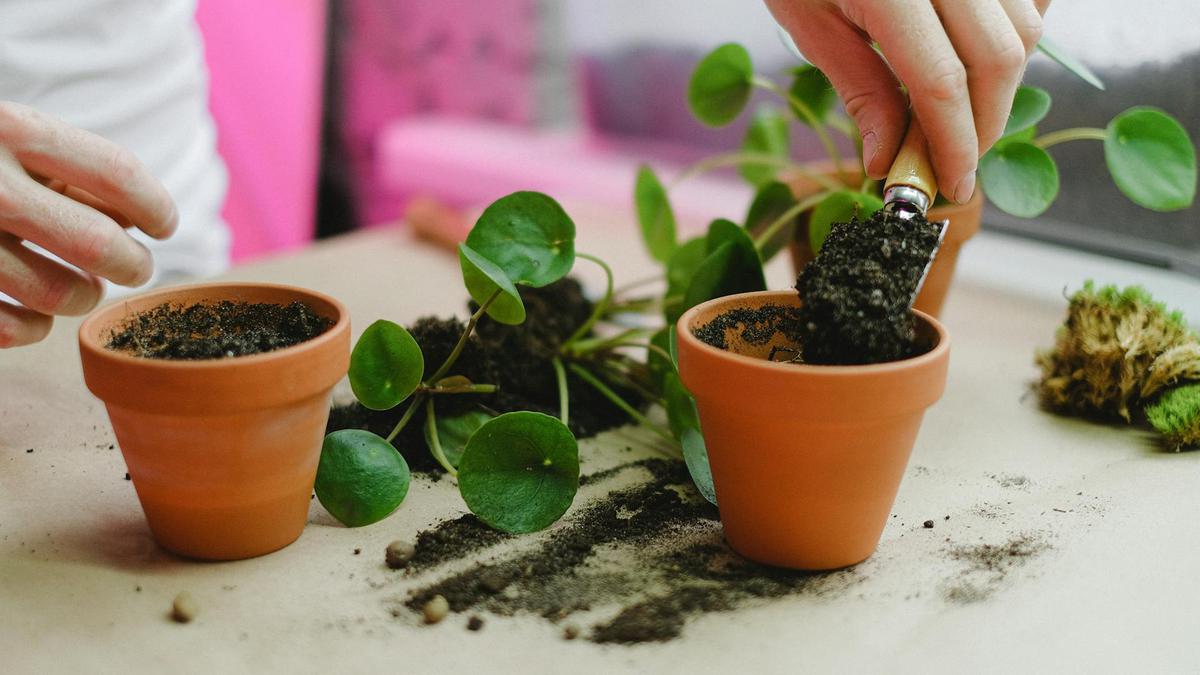
Choose shallow, wide pots with ample drainage holes. Clay or terracotta vessels are advantageous, as their porous nature aids in moisture evaporation. When repotting, handle the cactus gently, using folded newspaper or tongs to avoid injury from spines and protect the epidermis.
Temperature and Humidity: Replicating Desert Extremes Indoors
Copiapoa cacti flourish in a temperature range evocative of the desert—from early morning chills to blazing midday warmth. Ideally, temperatures between 65°F and 85°F (18°C to 29°C) are conducive to growth, with tolerance for occasional dips to near-freezing in winter, provided the plant remains dry.
Additionally, low humidity is a must. High moisture in the air invites fungal pathogens and weakens the plant’s defenses. A well-ventilated room or the use of a dehumidifier can sustain the arid atmosphere Copiapoa demands.
Fertilization: Subtle Boosts for Steady Growth
While resilient, Copiapoa do appreciate occasional nourishment, much like a desert bird benefiting from sparse rain showers. Use a diluted, balanced cactus fertilizer during the growing season—no more than once a month. Overfeeding can burn roots or induce unnatural growth spurts, compromising that classic desert silhouette.
Pest and Disease Management: Guarding the Desert Gem
Despite their toughness, Copiapoa are susceptible to a few adversaries, notably mealybugs and spider mites. Vigilant inspection, especially in crevices and under spines, can prevent infestations from gaining a foothold.
Good airflow and avoiding excess moisture are fundamental preventative measures. Should pests appear, a gentle application of insecticidal soap or neem oil often mitigates the issue without harming the cactus.
Propagation: Cultivating New Life from Offsets and Seeds
For those yearning to deepen their relationship with Copiapoa, propagation beckons. Many species produce offsets—miniature clones at the base—that can be separated and rooted with care. This approach is relatively forgiving and grants satisfaction in nurturing new plants.
Propagation via seeds is more challenging, demanding patience and precise conditions but rewarding the grower with genetic variety and a sense of accomplishment. Sowing seeds in a well-draining medium under warm, stable humidity can yield success.
The Rewards: Why Copiapoa Are Worth Every Effort
Raising Copiapoa is more than a horticultural endeavor; it’s an intimate dialogue with nature’s resilience. Their sculptural forms, powdery hues, and delicate flowers stand as testaments to survival in extremity. Each healthy, vibrant Copiapoa in your collection is a miniature desert fortress, a living emblem of adaptation and perseverance.
They invite devotion, patience, and a willingness to understand subtle cues. Are you ready to embark on this captivating journey of Copiapoa care and watch these Chilean desert wonders flourish under your guardianship?
FAQ
What is the ideal light condition for Copiapoa?
Copiapoa thrive in intense, direct sunlight for at least 6 hours daily, ideally placed near a south-facing window.
How do I avoid overwatering my Copiapoa?
Water only when the soil is completely dry, reduce watering significantly in winter, and avoid water accumulation to prevent root rot.
What soil mix is best for Copiapoa cacti?
Use a fast-draining mix of gritty sand, coarse perlite, cactus soil, and optional volcanic rock or decomposed granite.
How often should I repot Copiapoa?
Repot every 2 to 3 years to refresh soil, choosing shallow, wide pots with good drainage.
Can Copiapoa handle cold temperatures?
They can tolerate occasional near-freezing temperatures if kept dry, but prefer 65°F to 85°F for optimal growth.
Leave a Reply