
Short Answer
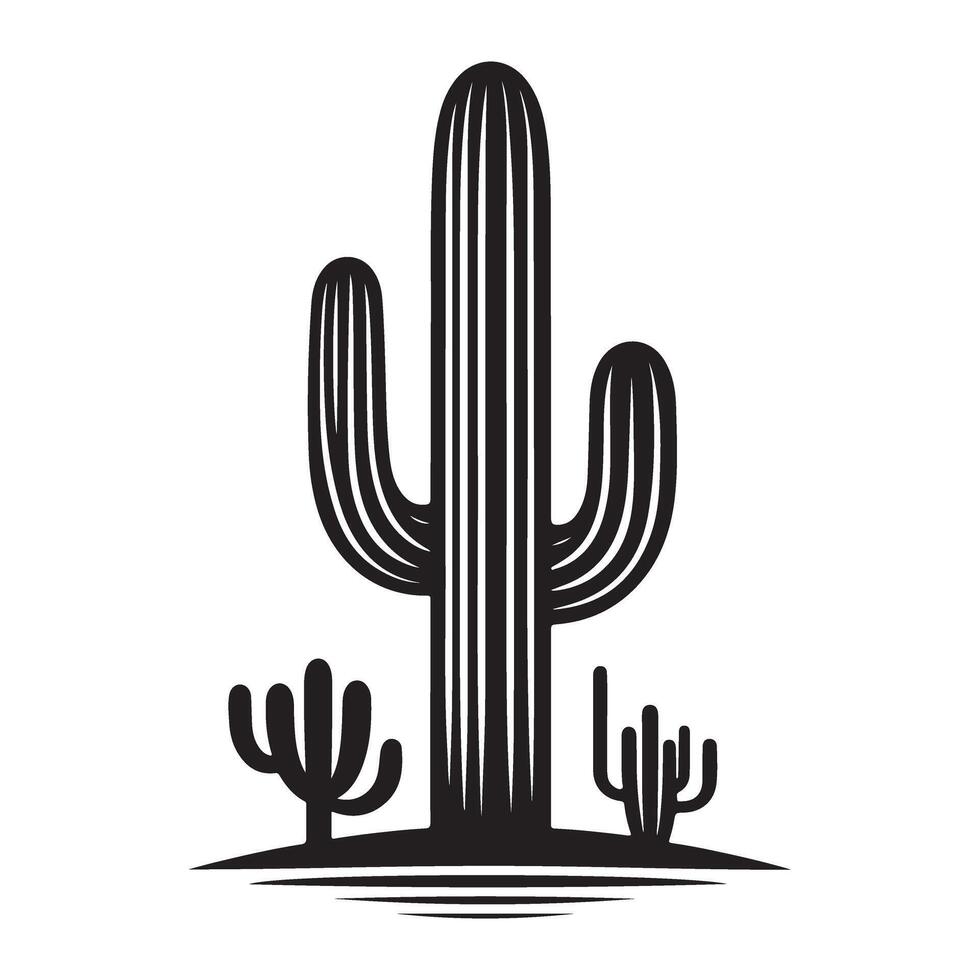
The saguaro cactus, with its towering silhouette and outstretched arms, is more than just a botanical marvel—it is a cultural icon, a silent storyteller etched into the arid landscapes of the American Southwest. From the silver screen to the pages of literature, this majestic plant has woven itself into the fabric of pop culture, becoming a symbol of resilience, mystery, and untamed beauty. Whether standing sentinel in a Western frontier town or gracing the cover of a bestselling novel, the saguaro’s presence is unmistakable, evoking a sense of place and identity that resonates far beyond its desert home.
The Saguaro in Film: A Cinematic Emblem of the Wild West
The saguaro’s cinematic debut was nothing short of iconic. In the golden age of Westerns, its towering form became a visual shorthand for the untamed frontier, a living monument to the harsh yet breathtaking beauty of the Southwest. Films like Stagecoach (1939) and The Searchers (1956) used the saguaro as a backdrop, its presence subtly reinforcing the themes of isolation, adventure, and the clash between civilization and wilderness. Directors often framed these cacti against vast, open skies, creating a sense of scale that underscored the grandeur—and peril—of the landscape.
In more modern cinema, the saguaro has taken on new roles. It appears in Into the Wild (2007), where its stark silhouette mirrors the protagonist’s journey into the unknown. Even in animated films like The Road Runner Show, the saguaro’s whimsical, almost anthropomorphic shape has made it a recurring character, embodying the playful yet unpredictable spirit of the desert. Whether as a silent observer or a comedic foil, the saguaro’s presence in film is a testament to its enduring allure as a symbol of the American Southwest.

Literature and the Saguaro: A Metaphor for Survival and Mystery
Writers have long been captivated by the saguaro’s enigmatic presence, using it as a metaphor for endurance, transformation, and the passage of time. In Cormac McCarthy’s The Crossing (1994), the saguaro appears as a silent witness to the harsh realities of the desert, its ancient form a reminder of the land’s indifference to human struggles. Similarly, in Barbara Kingsolver’s The Poisonwood Bible, the saguaro’s resilience mirrors the indomitable spirit of those who call the Southwest home, standing tall despite the encroaching tides of change.
Poets, too, have found inspiration in the saguaro’s stark beauty. Mary Austin’s The Land of Little Rain (1903) paints the desert—and its iconic cactus—as a place of both desolation and wonder, where life thrives in the most unexpected of forms. The saguaro’s slow growth, taking decades to reach maturity, has also made it a symbol of patience and perseverance in literature, a living embodiment of the phrase “slow and steady wins the race.”
Even in children’s literature, the saguaro has found a place. Books like The Saguaro’s Secret by Kathleen Weidner Zoehfeld introduce young readers to the cactus’s role in the desert ecosystem, blending education with enchantment. Through these stories, the saguaro becomes more than a plant—it is a teacher, a guide, and a friend to those who take the time to listen.
Music and the Saguaro: A Desert Anthem
The saguaro’s influence extends beyond the written word and the silver screen—it has also inspired musicians to craft melodies that echo its spirit. Folk and country artists, in particular, have turned to the saguaro as a symbol of the Southwest’s rugged individualism. Songs like Saguaro Serenade by Riders in the Sky and Desert Rose by Johnny Cash and Waylon Jennings evoke the cactus’s timeless presence, weaving it into the soundtrack of the American frontier.
In the realm of classical music, composers like Aaron Copland have drawn from the saguaro’s imagery to create works that capture the vastness and solitude of the desert. The cactus’s silhouette, stark against the horizon, becomes a musical motif, a recurring theme that evokes both awe and melancholy. Even in modern genres like indie rock, bands like Calexico have referenced the saguaro in their lyrics, using it as a metaphor for the search for identity and belonging in an ever-changing world.

Art and the Saguaro: A Canvas for Creativity
The saguaro’s striking form has made it a favorite subject for artists across mediums. Painters like Georgia O’Keeffe immortalized the cactus in her iconic works, such as Ram’s Head White Hollyhock and Little Hills (1935), where the saguaro’s curves and angles become a study in abstraction and natural beauty. Her paintings transformed the cactus from a mere plant into a symbol of the Southwest’s raw, unfiltered essence.
Photographers, too, have been drawn to the saguaro’s dramatic silhouette. Ansel Adams’ black-and-white images of the desert often feature the saguaro as a central figure, its stark form contrasting with the softness of the surrounding landscape. In contemporary photography, artists like Michael Light have used the saguaro to explore themes of time and impermanence, capturing its weathered bark and gnarled arms as a testament to nature’s enduring power.
Even in digital art and graphic design, the saguaro has found a new life. Its silhouette appears in logos, album covers, and even video game environments, where it serves as a visual shorthand for the Southwest’s unique blend of beauty and harshness. The saguaro’s adaptability as a symbol—equally at home in a minimalist logo or a hyper-realistic painting—speaks to its universal appeal.
The Saguaro in Fashion and Design: A Trend with Roots
Fashion designers have long looked to nature for inspiration, and the saguaro is no exception. Its geometric lines and bold silhouette have inspired collections that blend the organic with the avant-garde. Designers like Alexander McQueen and Stella McCartney have incorporated saguaro-inspired motifs into their work, using the cactus’s form to create patterns that evoke both the desert’s ruggedness and its delicate beauty.
In interior design, the saguaro’s aesthetic has been embraced in everything from wallpaper to furniture. Mid-century modern designers, in particular, were drawn to the cactus’s clean lines and organic shapes, using it as a motif in everything from textiles to ceramics. Today, the saguaro’s influence can be seen in bohemian-inspired decor, where its silhouette adds a touch of the Southwest’s wild spirit to living spaces.
Even in the world of tattoos, the saguaro has carved out a niche. Its bold, unmistakable shape makes it a popular choice for ink enthusiasts, symbolizing strength, resilience, and a deep connection to the land. Whether rendered in a traditional style or a more abstract design, the saguaro tattoo is a permanent tribute to the American Southwest’s enduring allure.
The Saguaro as a Cultural Ambassador: Beyond the Southwest
While the saguaro is undeniably a symbol of the American Southwest, its influence extends far beyond the desert. In national parks like Saguaro National Park in Arizona, the cactus has become a cultural ambassador, drawing visitors from around the world who come to witness its majesty firsthand. The park’s visitor centers and educational programs highlight the saguaro’s ecological importance, as well as its role in shaping the region’s identity.
Internationally, the saguaro has been adopted as a symbol of desert landscapes in other parts of the world. In Australia, for example, the saguaro’s silhouette has been compared to the shapes of the country’s own iconic flora, such as the ghost gum tree. Similarly, in the Middle East, the saguaro’s resilience in harsh conditions has made it a metaphor for survival and adaptability in literature and art.
The saguaro’s global appeal lies in its universality. It is a plant that transcends borders, a symbol that resonates with anyone who has ever stood in awe of nature’s power. Whether in a Hollywood Western or a Japanese anime, the saguaro’s presence is a reminder of the beauty and mystery that lies beyond the beaten path.

The Future of the Saguaro in Pop Culture: A Legacy in the Making
As pop culture continues to evolve, so too does the saguaro’s role within it. In an era of climate change and environmental awareness, the saguaro has taken on new significance as a symbol of conservation and resilience. Documentaries like The Saguaro: A Desert Giant highlight the cactus’s ecological importance, while social media campaigns celebrate its beauty and inspire efforts to protect its habitat.
In the world of gaming, the saguaro has found a new home in virtual landscapes. Games like Red Dead Redemption 2 feature the cactus as a key element of the game’s open-world environment, allowing players to interact with it in ways that feel both immersive and authentic. As technology advances, the saguaro’s presence in digital media is only set to grow, ensuring that its legacy endures for generations to come.
The saguaro’s journey from a humble desert plant to a global cultural icon is a testament to the power of symbols. It is a reminder that even the most unassuming of creatures can leave an indelible mark on the world, shaping art, literature, music, and fashion in ways both subtle and profound. As long as there are stories to tell and landscapes to explore, the saguaro will stand tall, a silent sentinel of the American Southwest.
FAQ
What does the saguaro cactus symbolize in pop culture?
The saguaro cactus symbolizes resilience, mystery, and the beauty of the American Southwest in various forms of pop culture.
In which films has the saguaro cactus appeared?
The saguaro cactus has appeared in films such as 'Stagecoach', 'The Searchers', and 'Into the Wild'.
How is the saguaro represented in literature?
In literature, the saguaro is often used as a metaphor for endurance and survival, featuring in works by authors like Cormac McCarthy and Barbara Kingsolver.


Leave a Reply