

Short Answer
In the arid, sun-scorched expanses where the Chihuahuan Desert stretches its golden fingers across the borderlands of Mexico and the southwestern United States, a small, spineless cactus thrives in quiet defiance of the harsh conditions. Lophophora, commonly known as peyote, is not your typical desert denizen—it doesn’t lash out with spines or store water in swollen stems. Instead, it burrows into the earth, nestling into soils that are as much a sanctuary as they are a substrate. For enthusiasts and cultivators seeking to replicate this sacred plant’s natural habitat, the soil is not merely a medium; it’s a lifeline. Choosing the right soil for Lophophora is an act of ecological homage, a delicate balance between mineral richness and microbial harmony. This guide dives deep into the composition, texture, and philosophy behind crafting the ideal soil blend for these enigmatic cacti, ensuring they flourish not just survive.
The Essence of Desert Pedology: Understanding Lophophora’s Native Soils
To emulate the natural habitat of Lophophora, one must first understand the geology and ecology of its native terrain. The Chihuahuan Desert’s soils are a mosaic of limestone-derived clays, sandy loams, and volcanic ash, interspersed with organic detritus from centuries of sparse vegetation. These soils are often alkaline, with a pH ranging from 7.5 to 8.5, and possess exceptional drainage capabilities. Water retention is minimal, yet the soil retains just enough moisture to sustain life during sporadic rainfall. The key lies in the mineral composition: high calcium carbonate content from limestone breakdown provides essential nutrients, while the sandy fraction prevents compaction and root suffocation. Mimicking this requires more than just mixing sand and soil—it demands a deliberate reconstruction of a micro-ecosystem where Lophophora’s roots can breathe and thrive.
Organic vs. Inorganic: Striking the Perfect Soil Balance
When cultivating Lophophora, the debate between organic and inorganic soil components is not a matter of exclusion but of proportion. Organic matter, such as coconut coir, composted pine bark, or leaf mold, introduces microbial activity and nutrient cycling, but in excess, it can lead to rot and fungal infestations. Conversely, inorganic components like pumice, perlite, and coarse sand ensure porosity and aeration, preventing the dreaded “wet feet” syndrome. A balanced blend might include 40% inorganic materials for structure, 30% organic matter for microbial life, and 30% mineral additives like gypsum or pumice to replicate the limestone-rich soils of the desert. The goal is a soil that feels airy to the touch yet holds just enough moisture to encourage root development without drowning the plant.
The Role of pH and Mineral Composition in Soil Health
Lophophora’s native soils are not just physically distinct—they are chemically unique. The high pH levels, a result of calcium carbonate dominance, create an environment where most competing flora struggle to establish themselves. This natural suppression of weeds and pathogens is a boon for Lophophora, which thrives in isolation. To replicate this, cultivators should aim for a soil pH between 7.5 and 8.5. Testing kits are invaluable here, as even slight deviations can stress the plant. Additionally, incorporating crushed limestone or oyster shell flour can help maintain alkalinity, while gypsum can improve soil structure without altering pH. The interplay between calcium, magnesium, and potassium in these soils mimics the slow-release nutrient profile of the desert, ensuring that Lophophora receives sustenance without the shock of synthetic fertilizers.
Texture and Structure: Crafting a Soil That Breathes
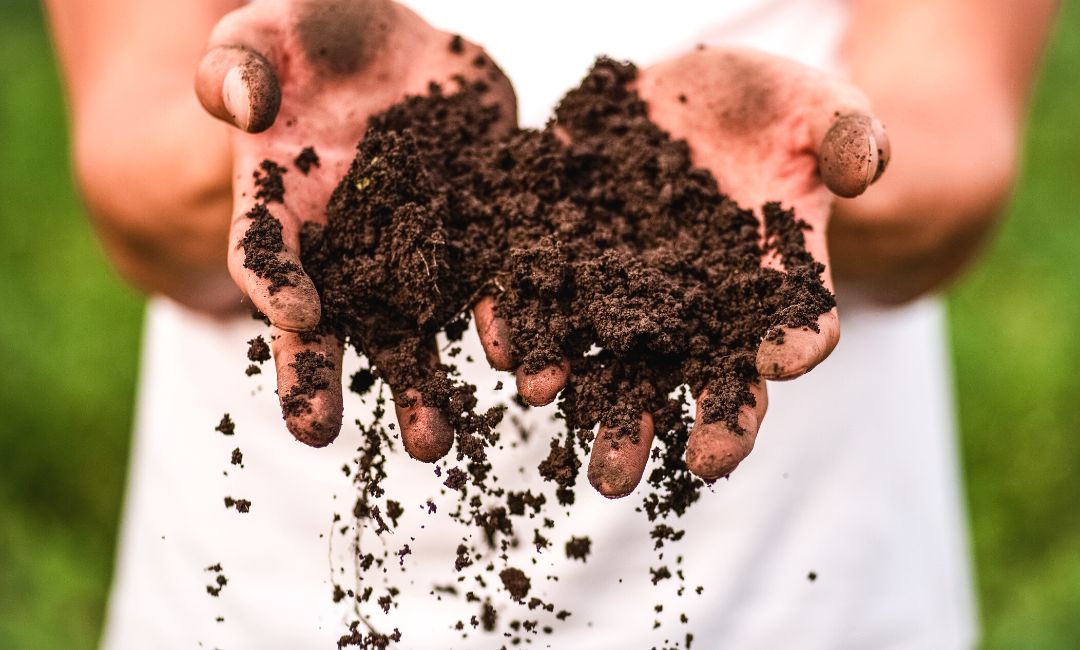
The tactile quality of soil is often overlooked, yet it is the defining characteristic of a successful Lophophora substrate. The ideal texture is granular and slightly gritty, with particles ranging from 1 to 5 millimeters in diameter. This coarse structure prevents compaction and allows for rapid drainage, a critical factor in preventing root rot. A simple test involves squeezing a handful of moistened soil—if it crumbles easily and doesn’t clump, the texture is ideal. If it holds its shape or feels slick, it’s too clay-heavy. To achieve this, mix coarse sand with perlite or pumice, ensuring that no single component dominates. The result should resemble the crumbly, sun-baked earth of a desert wash, where water disappears as quickly as it arrives.
Microbial Life: The Invisible Allies of Lophophora
While Lophophora’s roots may seem solitary, they are never alone. The desert soil teems with microbial life—bacteria, fungi, and archaea—that form a symbiotic network, breaking down organic matter into nutrients the cactus can absorb. Introducing mycorrhizal fungi into the soil can enhance nutrient uptake and improve root health, while beneficial bacteria like *Bacillus* species help suppress harmful pathogens. Compost teas or worm castings can inoculate the soil with these microscopic allies, creating a living substrate that evolves with the plant. However, caution is warranted: over-sterilization or the use of synthetic fertilizers can disrupt this delicate balance, leaving Lophophora vulnerable to disease. The goal is to foster a thriving micro-ecosystem, not a sterile laboratory.
Water Retention vs. Drainage: The Delicate Dance
One of the most challenging aspects of cultivating Lophophora is reconciling the plant’s need for moisture with its intolerance for excess water. In its natural habitat, rainfall is infrequent but intense, and the soil drains rapidly, preventing prolonged saturation. To mimic this, the soil must retain just enough moisture to sustain the plant between waterings while allowing excess to escape. This is achieved through a combination of organic and inorganic materials. Coconut coir, for instance, holds moisture without becoming waterlogged, while pumice or perlite ensures that water percolates through the soil profile. The key is moderation: water only when the soil is completely dry to the touch, and always use a pot with ample drainage holes. Remember, Lophophora’s roots are not built for swimming—they are designed for survival in the driest of conditions.
Seasonal Adjustments: Adapting Soil Care to Environmental Changes
Just as the Chihuahuan Desert experiences seasonal shifts—from scorching summers to chilly winters—so too must the soil care regimen for Lophophora. During the growing season (spring and summer), the soil can be slightly more retentive, as the plant is actively photosynthesizing and requires more nutrients. However, as temperatures drop and growth slows in autumn and winter, the soil should become drier and less nutrient-dense. This seasonal rhythm can be supported by adjusting the organic content of the soil: reduce compost during dormancy and increase mineral additives to maintain structure. Additionally, the use of mulches like fine gravel can insulate the soil during colder months, preventing temperature fluctuations that stress the plant. The soil, like the desert itself, must be dynamic—a living entity that responds to the needs of its inhabitant.
Common Pitfalls and How to Avoid Them
Even the most carefully crafted soil can become a death sentence for Lophophora if common mistakes are overlooked. Overwatering is the most frequent culprit, leading to root rot and fungal infections. To avoid this, always err on the side of underwatering, and ensure the soil is bone-dry before rehydrating. Another pitfall is using fine sand, which compacts over time and suffocates roots. Instead, opt for coarse sand or grit, which maintains porosity. Additionally, avoid peat-based soils, as they retain too much moisture and acidify over time, creating an inhospitable environment for Lophophora. Finally, resist the urge to fertilize heavily—these cacti are adapted to nutrient-poor soils and can be overwhelmed by synthetic inputs. The best fertilizer is patience, allowing the soil’s natural processes to nourish the plant.
Final Thoughts: A Soil for the Sacred Cactus
Cultivating Lophophora is not merely a horticultural endeavor—it is a spiritual practice, a way to honor a plant that has been revered for millennia. The soil, in all its complexity, is the foundation of this relationship. It is a medium that must be understood, respected, and meticulously crafted. By replicating the mineral-rich, alkaline, and well-draining soils of the Chihuahuan Desert, we give Lophophora the chance to thrive, not just survive. Whether you are a seasoned collector or a curious beginner, remember that the best soil is one that listens to the plant’s needs, adapts to its rhythms, and ultimately, allows it to flourish in quiet dignity. In the end, the soil is more than dirt—it is the earth’s embrace, and Lophophora deserves nothing less.
FAQ
What type of soil is best for Lophophora?
A well-draining soil mix that includes coarse sand, pumice, and organic matter like coconut coir is ideal for Lophophora.
How often should I water Lophophora?
Water Lophophora only when the soil is completely dry to the touch, as they prefer drier conditions.
Leave a Reply