
Short Answer
In the vast, sun-scorched landscapes where the earth seems to exhale its secrets through the spines of cacti, there exists a literary oasis—books that capture the stoic beauty, the silent resilience, and the unexpected charm of these desert sentinels. From meticulously detailed field guides to introspective memoirs, the best books about cacti are more than just repositories of botanical knowledge; they are portals into worlds where thorns and blooms coexist in a delicate dance of survival. Whether you’re a seasoned botanist, an armchair explorer, or simply someone who finds solace in the prickly elegance of a saguaro, these works will ignite your curiosity and deepen your appreciation for nature’s most audacious survivors.
The Allure of the Prickly: Why Cacti Captivate the Human Imagination
Cacti are the rebels of the plant kingdom—defiant, adaptive, and draped in a paradox of fragility and fortitude. Their very existence is a testament to the art of thriving against the odds, a quality that has ensnared the human psyche for centuries. The cactus, with its swollen stems and menacing spines, is a living metaphor for resilience, its blooms a fleeting but dazzling reminder of beauty’s persistence in the harshest of environments. This duality—softness and severity, ephemerality and endurance—makes cacti endlessly fascinating. They are the desert’s poets, whispering tales of adaptation in a language of thorns and petals. Books about cacti, then, are not merely instructional manuals; they are love letters to these botanical enigmas, each page a brushstroke in a larger portrait of nature’s ingenuity.
Field Guides: The Cartographer’s Compass for Desert Explorers
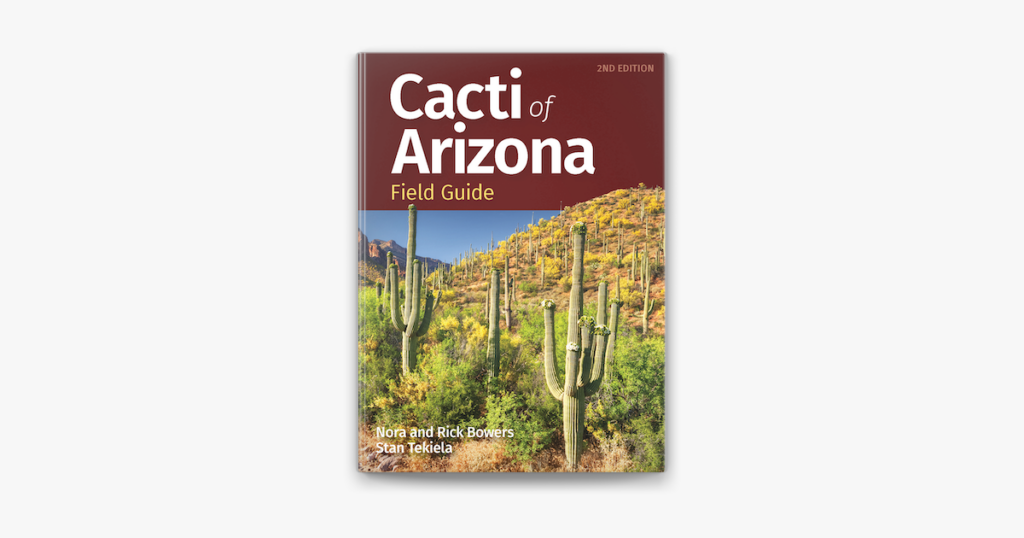
For those who venture into the arid expanse with a notebook in hand and a thirst for discovery, field guides are the indispensable companions that transform a hike into a pilgrimage. The best of these tomes are more than dry catalogs of species; they are treasure maps leading to hidden groves of barrel cacti or the elusive bloom of a night-blooming cereus. A stellar field guide, like a seasoned guide in the wild, doesn’t just name the plants—it tells their stories. It decodes the subtle language of spines, the cryptic patterns of ribs, and the seasonal rhythms that dictate when a cactus will unfurl its ephemeral flowers. These books are the difference between seeing and truly observing, between passing through a desert and becoming part of its narrative.
Consider the way a well-crafted field guide describes the Ferocactus wislizeni, or fishhook barrel cactus: its ribs like the corrugated metal of an old mining cart, its spines hooked like the claws of a desert predator. Such descriptions do more than educate; they evoke a sense of wonder, turning a simple plant into a character in a larger ecological drama. The illustrations or photographs in these guides are equally vital, capturing the cactus in its habitat with a fidelity that borders on reverence. Whether you’re tracking the ghostly silhouette of a Peniocereus greggii in the moonlight or marveling at the geometric precision of a Mammillaria cluster, these guides ensure that every encounter feels like a revelation.
Memoirs: The Cactus as a Mirror to the Human Soul
Beyond the realm of science lies a more intimate exploration of cacti—one that delves into the emotional and spiritual connections humans forge with these plants. Memoirs about cacti are rare gems, blending personal narrative with botanical fascination to create something akin to a love story. These books often begin with a single encounter: a child pressing a finger against the spines of a prickly pear and learning, in a flash of pain, the cost of curiosity. Or an adult, wandering a desert at dusk, finding solace in the quiet dignity of a saguaro standing sentinel over the sands. The cactus, in these pages, becomes a metaphor for resilience, a symbol of endurance, or even a foil for the author’s own struggles and triumphs.
Take, for instance, a memoir that recounts the author’s journey through the Sonoran Desert, where each cactus encountered becomes a chapter in a larger story of self-discovery. The Carnegiea gigantea, or saguaro, might symbolize the slow, deliberate pace of personal growth, its towering presence a reminder that some things cannot—and should not—be rushed. Meanwhile, the Opuntia family, with its relentless propagation and tenacity, could mirror the author’s own journey through adversity, its pads a testament to the ability to regenerate even after being severed from the mother plant. These memoirs are not just about cacti; they are about the human condition, using the desert’s most iconic flora as a lens through which to examine life’s most profound questions.
The Art of Observation: How to Read a Cactus Like a Poem
To truly appreciate a cactus is to learn its language—a silent, tactile dialect of spines, ribs, and blooms. The best books about cacti teach us how to read this language, transforming a casual glance into a meditative practice. A cactus is not merely observed; it is deciphered. The arrangement of its spines might reveal its species, the color of its bloom its seasonal cycle, the texture of its skin its age and health. This act of observation is akin to reading a poem: each element contributes to a larger, more profound meaning. A book that guides you through this process is not just informative; it is transformative, turning the act of looking into an act of communion with nature.
Consider the Echinocactus grusonii, or golden barrel cactus, with its dense, radial spines and cheerful yellow flowers. To study it is to engage in a dialogue between geometry and biology, where the hexagonal patterns of its ribs echo the Fibonacci sequence found in sunflowers and pinecones. Or the Lophophora williamsii, or peyote, whose small, spineless body belies its potent cultural significance, a reminder that even the most unassuming cacti can hold deep symbolic weight. The best books about cacti don’t just describe these plants; they invite you to see them as works of art, each one a masterpiece of evolutionary design.
Cacti in Culture: From Survival Tool to Spiritual Symbol
Cacti are not just plants; they are cultural artifacts, woven into the myths, traditions, and daily lives of countless societies. In some cultures, they are revered as sacred symbols of protection and endurance. In others, they are practical tools, providing food, water, and even shelter. The best books about cacti explore this rich tapestry, revealing how these plants have shaped human history and imagination. From the Agave used in mezcal production to the Nopales consumed in Mexican cuisine, cacti are as much a part of human culture as they are of the natural world.
Take, for example, the role of cacti in Native American traditions, where the saguaro is often seen as a symbol of the people themselves—tall, enduring, and deeply connected to the land. Or the way the Pereskia genus, with its leafy, almost un-cactus-like appearance, bridges the gap between traditional cacti and other succulents, challenging our preconceived notions of what a cactus should be. These cultural explorations add depth to the botanical study of cacti, reminding us that they are not just survivors of the desert but also survivors of time, their legacy etched into the fabric of human civilization.
Preserving the Prickly Legacy: Conservation and the Future of Cacti
As climate change and habitat destruction threaten the delicate ecosystems where cacti thrive, the importance of conservation has never been more urgent. The best books about cacti don’t shy away from this reality; instead, they confront it head-on, offering both a warning and a call to action. These works highlight the fragility of cactus populations, from the slow-growing Pachycereus pringlei of Baja California to the critically endangered Turbinicarpus species of Mexico. They also celebrate the efforts of conservationists who work tirelessly to protect these plants, whether through seed banks, habitat restoration, or public education.
Reading about cactus conservation is a humbling experience. It reminds us that these plants, which have endured for millennia, are now facing challenges unlike any in their evolutionary history. The loss of a single species is not just a botanical tragedy; it is a cultural one, erasing a thread from the rich tapestry of life on Earth. Yet, there is hope in these pages, too—a testament to the power of human ingenuity and the enduring appeal of the cactus. Whether through the pages of a book or the soil of a restored desert, the future of cacti is still being written, and each of us has a role to play in their story.
The Cactus as a Lens: Seeing the World Differently
Ultimately, the best books about cacti do more than educate or entertain; they transform the way we see the world. They teach us to look closer, to appreciate the small and the overlooked, and to find beauty in the most unexpected places. A cactus is not just a plant; it is a teacher, a survivor, and a symbol of the indomitable spirit of life itself. Whether you’re flipping through the pages of a field guide in search of the perfect bloom or losing yourself in the introspective prose of a memoir, these books offer a gateway to a deeper connection with the natural world.
So the next time you encounter a cactus—whether in the wild or in the pages of a book—take a moment to pause. Observe its spines, its ribs, its flowers. Listen to the story it tells. And remember: in the quiet dignity of a cactus, there is a lesson for us all—one of resilience, adaptation, and the quiet, unyielding beauty of life.
FAQ
What types of books about cacti are recommended?
Books range from detailed field guides that help identify and understand cacti in their natural habitats to personal memoirs that explore the emotional and cultural significance of these plants.
Why are cacti considered fascinating subjects for books?
Cacti embody resilience and adaptation, offering a paradox of fragility and toughness that captivates botanists, collectors, and readers alike through their unique survival strategies and cultural symbolism.
How do field guides enhance the experience of exploring cacti?
Field guides provide detailed descriptions, illustrations, and stories that help readers not just identify but also appreciate the ecological and aesthetic qualities of cacti.
What role do memoirs about cacti play?
Memoirs use cacti as metaphors for human resilience and growth, blending botanical interest with personal narrative to deepen readers’ emotional connection with these desert plants.
What conservation issues are associated with cacti?
Cacti face threats from habitat loss and climate change, making conservation efforts critical to preserving their populations and the ecosystems they support.



Leave a Reply