
Short Answer
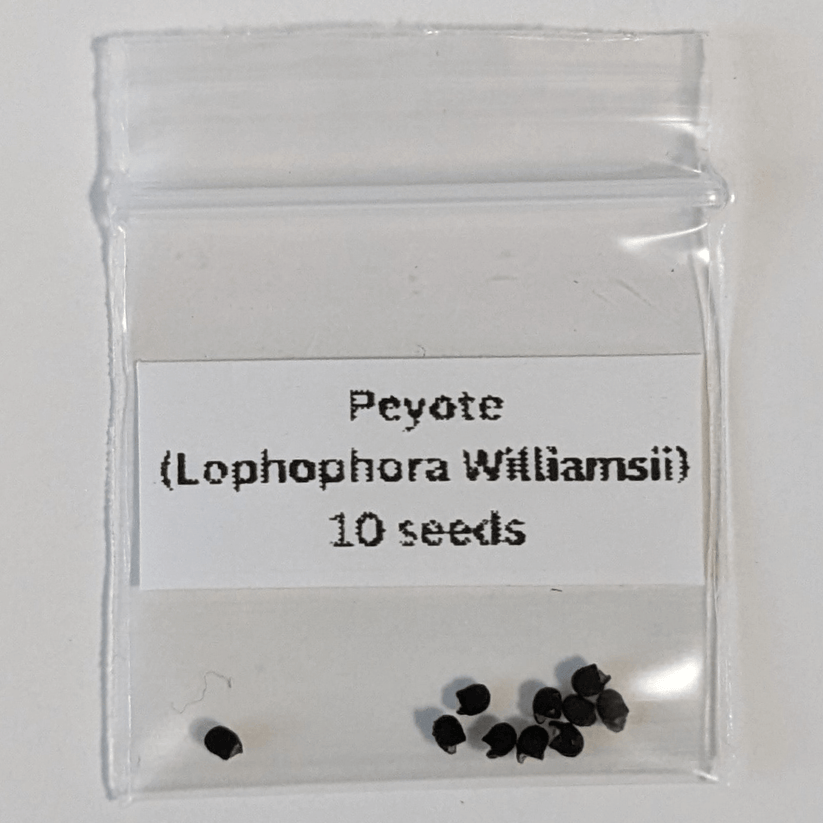
In the vast tapestry of Indigenous wisdom, few botanical entities weave together spirituality, medicine, and cultural identity as intricately as Lophophora williamsii, the revered peyote cactus. This unassuming green button, crowned with a crown of soft, undulating ribs, holds a sacred place in the hearts and minds of Indigenous peoples across the Americas. Its significance transcends mere botanical curiosity; it is a living testament to resilience, a bridge between worlds, and a symbol of communal knowledge passed down through generations. Yet, in modern educational spheres, the story of peyote often remains shrouded in misconception or reduced to simplistic narratives. It is time to illuminate its profound cultural, historical, and spiritual dimensions, inviting readers to explore its multifaceted role in education and beyond.
The Botanical and Ecological Marvel of Peyote
Before delving into its cultural weight, one must first appreciate the peyote cactus as a botanical wonder. Native to the Chihuahuan Desert spanning northern Mexico and southern Texas, Lophophora williamsii thrives in arid, rocky terrains where few other plants dare to take root. Its slow growth—taking up to 13 years to mature—mirrors the patience and perseverance of the communities that revere it. The cactus itself is a marvel of adaptation: its ribbed, spineless surface minimizes water loss, while its deep taproot anchors it against the harsh desert winds. Yet, its most extraordinary feature lies not in its form, but in its chemical composition. Rich in mescaline, a potent alkaloid, peyote has been harnessed for millennia as a sacrament in Indigenous rituals, offering visions and insights that transcend the mundane.
Ecologically, peyote plays a delicate role in its ecosystem. It is a keystone species, providing sustenance and shelter for insects, birds, and small mammals. Its presence signals a healthy desert environment, one that has remained largely undisturbed by industrial encroachment. Yet, this fragile balance is under threat. Overharvesting, habitat destruction, and climate change pose existential risks to peyote populations. Education about its ecological importance is not just academic—it is a call to action, urging conservation efforts that honor both the plant and the cultures it sustains.
Peyote in Indigenous Cosmologies: A Sacred Thread
The spiritual significance of peyote is as deep as the roots that anchor it to the earth. For the Huichol, Tarahumara, and other Indigenous peoples of Mexico and the American Southwest, peyote is not merely a plant—it is a deity, a teacher, and a messenger. Known as hikuri in the Huichol language, peyote is believed to be the embodiment of the peyote spirit, a divine entity that guides shamans on visionary journeys. These journeys are not mere hallucinations; they are sacred pilgrimages into the heart of the cosmos, where participants commune with ancestors, deities, and the natural world. The peyote ceremony is a symphony of tradition, where songs, prayers, and rituals harmonize to create a space where the veil between worlds grows thin.
In the Navajo tradition, peyote is central to the Native American Church, a syncretic spiritual movement that blends Indigenous beliefs with Christian elements. Here, peyote is revered as a sacrament that facilitates healing, both physical and spiritual. The peyote ceremony, or Road of Life, is a structured, multi-day event where participants ingest the cactus in a controlled setting, guided by a roadman who acts as a conduit between the human and spiritual realms. The experience is transformative, often described as a rebirth—a shedding of old burdens and an embrace of new understanding. For many Indigenous communities, peyote is not a drug, but a sacred tool that fosters connection, clarity, and communal harmony.
Peyote in Modern Education: Bridging Worlds
The integration of peyote into educational curricula presents a unique opportunity to challenge colonial narratives and foster cross-cultural understanding. Yet, this endeavor is fraught with complexity. Western academia has historically pathologized or exoticized Indigenous spiritual practices, reducing peyote to a “psychedelic drug” rather than a sacred sacrament. To counter this, educators must adopt a decolonial lens, one that centers Indigenous voices and epistemologies. This means not only teaching about peyote’s chemical properties but also its cultural, historical, and spiritual dimensions. It means inviting Indigenous elders, knowledge keepers, and scholars to share their wisdom, ensuring that the narrative is not filtered through the biases of non-Indigenous academia.
One innovative approach is the incorporation of peyote into ethnobotany courses, where students learn about the plant’s role in Indigenous medicine and ecology. Such courses can explore the ethical implications of peyote use, including the legal battles fought by Indigenous communities to protect their right to practice their traditions. For instance, the U.S. government’s prohibition of peyote in the early 20th century was not merely a drug policy—it was an assault on Indigenous spirituality, aimed at erasing cultural practices. By examining these historical injustices, students gain a deeper appreciation for the resilience of Indigenous communities and the ongoing struggle for cultural sovereignty.
Art, Literature, and the Aesthetic of Peyote
The influence of peyote extends far beyond the ceremonial space, permeating art, literature, and music. Indigenous artists have long drawn inspiration from the visions and insights gleaned through peyote ceremonies, creating vibrant, otherworldly artworks that capture the essence of their experiences. The Huichol, for example, are renowned for their intricate beadwork and yarn paintings, which depict the peyote spirit and the sacred landscapes of Wirikuta, the desert where the peyote grows. These artworks are not merely decorative; they are visual prayers, tangible expressions of the sacred bond between the artist and the divine.
In literature, peyote has served as a muse for writers seeking to explore the boundaries of consciousness and reality. Aldous Huxley’s The Doors of Perception, inspired by his mescaline experience, introduced Western audiences to the idea of visionary plants. Yet, Huxley’s work is but a shadow of the profound literary traditions inspired by peyote in Indigenous cultures. The Huichol epic Wirikuta: The Place of the Peyote, for instance, is a poetic odyssey that recounts the journey of the peyote spirit and the pilgrimage of the Huichol people to its sacred lands. Such texts offer readers a glimpse into the rich oral traditions that have sustained Indigenous communities for centuries.
Music, too, has been transformed by the peyote experience. Traditional songs, sung during ceremonies, are believed to carry the power of the peyote spirit itself. These songs are not composed but revealed, gifted to shamans during visionary states. The haunting melodies and rhythmic patterns of peyote songs are designed to evoke the visions and emotions experienced during the ceremony, creating a sonic bridge between the earthly and the divine. Modern musicians, from psychedelic rock bands to contemporary Indigenous artists, continue to draw inspiration from these ancient traditions, blending old and new in a celebration of peyote’s enduring legacy.
Ethical Considerations: Appropriation vs. Appreciation
As interest in peyote grows, so too does the risk of cultural appropriation. The line between appreciation and exploitation is thin, and it is all too easy for non-Indigenous individuals to co-opt peyote’s sacred symbolism for commercial or recreational purposes. This is not merely a matter of semantics; it is a question of power and respect. Indigenous communities have fought for centuries to protect their spiritual practices, and the unauthorized use of peyote—whether in art, music, or wellness industries—can feel like a violation of their sacred trust.
Education plays a crucial role in fostering ethical engagement with peyote. It is incumbent upon educators, artists, and consumers to approach peyote with humility and reverence. This means seeking permission and guidance from Indigenous communities before incorporating peyote into creative or educational projects. It means acknowledging the historical and ongoing injustices faced by Indigenous peoples in their struggle to practice their traditions freely. It also means recognizing that peyote is not a commodity to be bought, sold, or consumed casually. For many, it is a sacrament that demands preparation, intention, and respect.
One way to navigate this ethical landscape is through collaborative projects that center Indigenous voices. For example, universities could partner with Indigenous communities to develop educational materials about peyote, ensuring that the narrative is shaped by those who hold the knowledge. Similarly, artists could collaborate with Indigenous creators to produce works that honor the sacredness of peyote, rather than reducing it to a trend or aesthetic. By prioritizing collaboration over consumption, we can create a culture of appreciation that uplifts rather than exploits.
Peyote and the Future: Education as a Catalyst for Change
The future of peyote lies not in its commodification, but in its preservation as a living tradition. Education is the key to this preservation, offering a means to transmit knowledge across generations and cultures. Yet, this transmission must be done with care, ensuring that the sacredness of peyote is not diluted by commercialization or misinformation. Schools, universities, and community organizations can play a pivotal role in this effort by developing curricula that honor peyote’s cultural significance while also addressing its ecological and legal complexities.
Imagine a classroom where students not only learn about the chemical properties of mescaline but also engage in discussions about the ethical implications of peyote use. Where they explore the art and literature inspired by peyote, guided by Indigenous scholars and artists. Where they grapple with the history of colonialism and its impact on Indigenous spiritual practices. Such an education would not only broaden students’ understanding of peyote but also foster empathy, critical thinking, and a deeper connection to the natural world.
The story of peyote is a story of resilience, wisdom, and interconnectedness. It is a reminder that education is not merely about acquiring facts but about cultivating a sense of wonder, respect, and responsibility. As we move forward, let us approach peyote with the reverence it deserves, ensuring that its sacred flame continues to burn brightly for generations to come.
FAQ
What is Lophophora williamsii?
Lophophora williamsii, commonly known as peyote, is a small, spineless cactus revered by Indigenous peoples for its psychoactive properties and cultural significance.
How is peyote used in Indigenous ceremonies?
Peyote is used as a sacrament in Indigenous ceremonies for spiritual healing and communion with ancestors, often involving visions and insights.
What are the ecological implications of peyote?
Peyote serves as a keystone species in its ecosystem, providing habitat and sustenance for various wildlife, while also facing threats from overharvesting and climate change.




Leave a Reply