
Short Answer
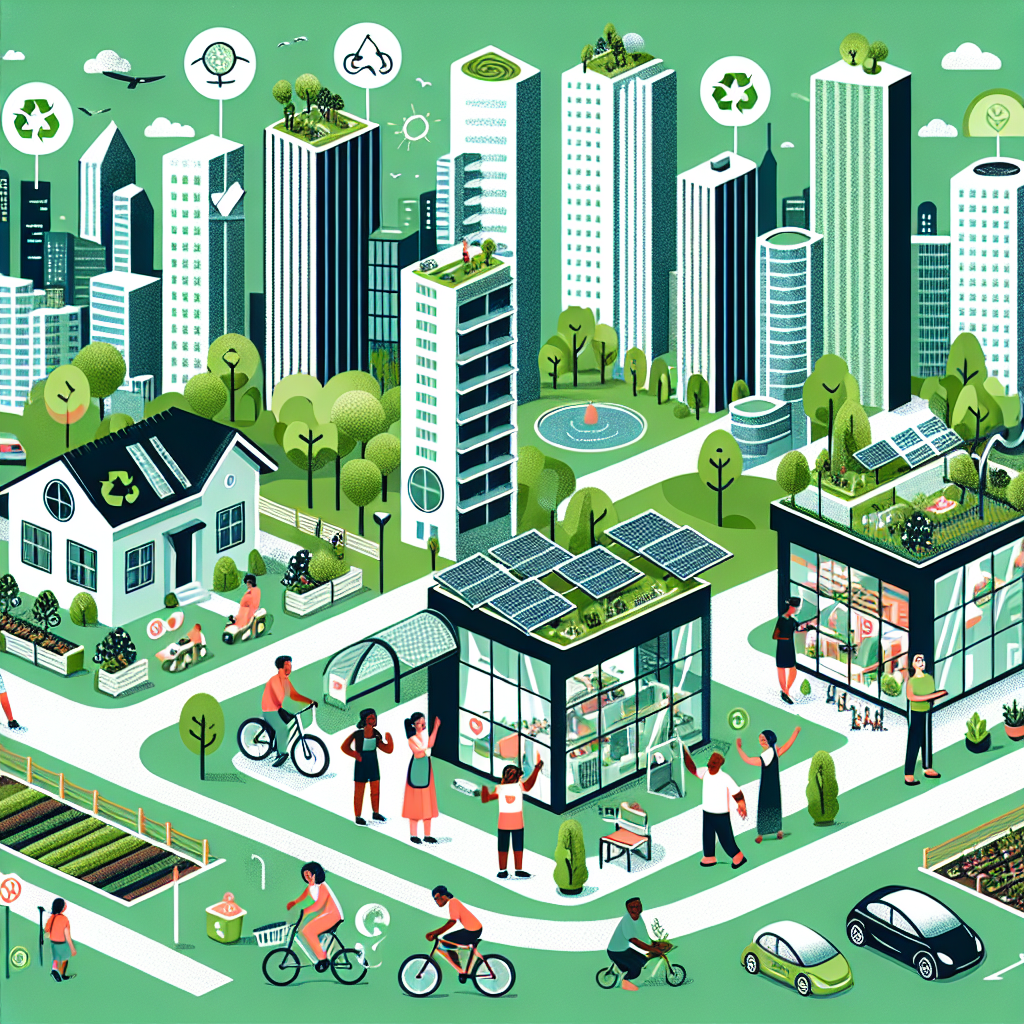
In the concrete jungles where steel and glass dominate the skyline, a quiet revolution is blooming—one that thrives on resilience, demands minimal resources, and redefines the essence of urban greenery. Meet the cactus: a spiky sentinel of sustainability, a botanical paradox that flourishes where others wither. This unassuming desert dweller is not just a survivor; it’s a game-changer for city dwellers seeking to cultivate life amidst the urban sprawl. Imagine transforming a barren balcony, a sun-scorched rooftop, or a neglected alleyway into a verdant oasis—all with a plant that laughs in the face of drought and thrives on neglect. The cactus is more than a trend; it’s a testament to nature’s ingenuity, and it’s time we embraced its potential to green our cities sustainably.
The Cactus: Nature’s Minimalist Masterpiece
At first glance, the cactus might seem like an unlikely hero in the world of urban gardening. Its stark, angular forms and prickly exterior evoke images of harsh deserts and unforgiving climates. Yet, beneath its rugged exterior lies a marvel of evolutionary efficiency. Cacti have evolved to store water in their thick, fleshy stems, allowing them to endure prolonged dry spells—a trait that makes them the ultimate low-maintenance plant. Unlike their thirsty counterparts, cacti require minimal irrigation, reducing the strain on urban water supplies. Their shallow root systems also prevent soil erosion, a critical benefit in densely packed cities where green spaces are at a premium. By choosing cacti, urban gardeners are not just selecting a plant; they’re adopting a philosophy of sustainability that aligns with the rhythm of nature rather than fighting against it.
Urban Gardening’s Unsung Hero: Why Cacti Are Perfect for Cities
Cities are battlegrounds for space, sunlight, and resources, but cacti are the ultimate guerrilla gardeners—thriving in conditions that would cripple most plants. Their ability to tolerate poor soil quality means they can be planted in urban soils laden with pollutants without demanding expensive amendments. Their compact size makes them ideal for small spaces like windowsills, vertical gardens, and even indoor terrariums. Moreover, cacti are champions of air purification, filtering toxins from the air while releasing oxygen, a boon for city dwellers breathing in exhaust fumes and industrial pollutants. Their resilience also extends to temperature fluctuations, making them perfect for the microclimates of urban environments, where heat islands and sudden cold snaps can be common. In essence, cacti are the low-maintenance, high-impact plants that urban gardeners have been waiting for.
From Barren Balconies to Lush Retreats: Designing with Cacti
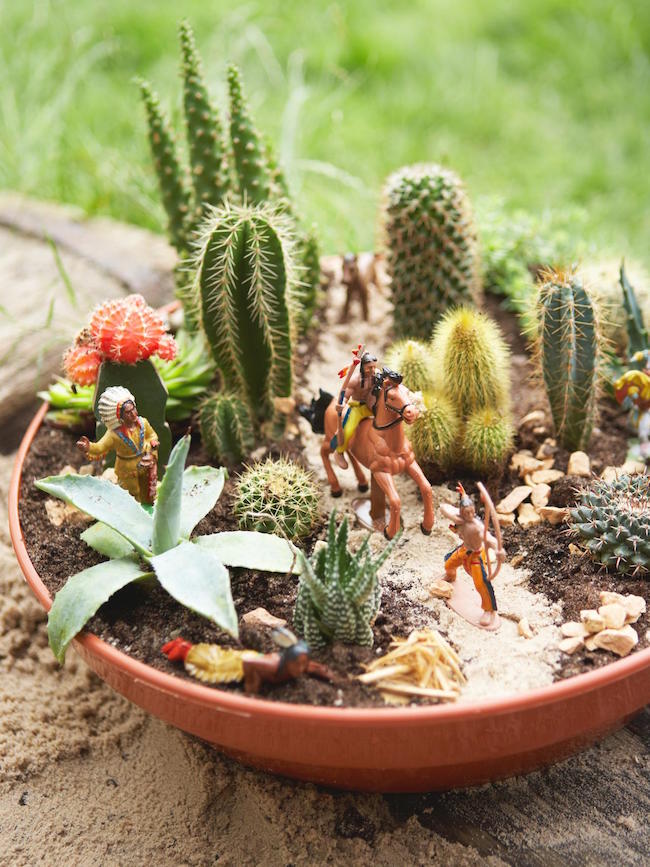
The art of urban gardening lies in transforming the mundane into the extraordinary, and cacti are the perfect medium for this alchemy. Picture a sun-drenched balcony, transformed into a desert-inspired sanctuary with a curated collection of cacti in terracotta pots, their spiny silhouettes casting intricate shadows against the cityscape. Or consider a rooftop garden, where a tapestry of cacti and succulents creates a mosaic of textures and hues, providing a cool respite from the urban heat. Vertical gardens, too, can benefit from cacti, their vertical growth patterns maximizing space while adding a touch of the wild to sterile concrete walls. The key lies in layering—mixing cacti of varying heights, shapes, and colors to create a dynamic, visually striking composition. With a little creativity, even the smallest urban space can become a thriving ecosystem, a testament to the power of thoughtful design.
The Ecological Ripple Effect: Cacti and Urban Biodiversity
Beyond their aesthetic appeal, cacti play a crucial role in supporting urban biodiversity. While they may not be the first choice for pollinators like bees and butterflies, certain cacti species do offer nectar-rich blooms that attract these vital creatures. Additionally, their presence can create microhabitats for insects and small animals, fostering a delicate balance in the urban ecosystem. In cities where green spaces are fragmented, cacti can serve as stepping stones for wildlife, connecting isolated patches of nature. Their water-storing capabilities also mitigate the urban heat island effect, cooling the air and reducing energy costs for buildings. By integrating cacti into urban landscapes, we’re not just adding greenery—we’re nurturing a web of life that extends far beyond the confines of a single plant.
Breaking the Mold: Cacti in Community and Public Spaces
The potential of cacti extends beyond private gardens and balconies; they are equally suited to public spaces, where their low-maintenance nature and striking appearance can transform communal areas. Imagine a city park where cacti are interspersed among native plants, creating a drought-resistant landscape that requires minimal upkeep. Or a community garden where residents collaborate to cultivate a cactus display, each person contributing their own unique species to the collective. Public art installations, too, can incorporate cacti, their sculptural forms adding a touch of the surreal to urban plazas. By embracing cacti in public spaces, cities can reduce maintenance costs, conserve water, and create green areas that are both beautiful and sustainable. It’s a shift in perspective—one that challenges the notion that urban greenery must be lush and water-intensive to be effective.
The Future of Urban Gardening: A Cactus-Centric Vision
As climate change intensifies and urbanization accelerates, the need for sustainable gardening solutions has never been more urgent. Cacti offer a promising path forward, a way to green our cities without exacerbating the very problems we seek to solve. Their adaptability, resilience, and low resource requirements make them ideal candidates for the urban landscapes of tomorrow. But their potential goes beyond mere functionality; cacti challenge us to rethink our relationship with nature. They remind us that sustainability doesn’t require sacrifice—it requires innovation, creativity, and a willingness to embrace the unconventional. In a world where every drop of water and every inch of space counts, the cactus stands as a symbol of hope, a quiet but powerful force for change.
The next time you gaze out at your urban jungle, consider this: the solution to your gardening woes might be hiding in plain sight, clad in spines and brimming with quiet strength. The cactus is not just a plant; it’s a revolution in miniature, a green thumb’s secret weapon, and a promise of a more sustainable future. Will you let it transform your space?
FAQ
Can cacti survive in urban environments?
Yes, cacti are well-suited for urban environments due to their resilience and low maintenance needs.
What types of cacti are best for beginners?
Some easy options include the Bunny Ear Cactus and the Christmas Cactus.



Leave a Reply