

Short Answer
Imagine stepping into a sun-drenched oasis where the earth breathes in hues of terracotta and the air hums with the quiet resilience of life. Cacti, those stoic sentinels of the desert, are not merely survivors—they are artists, sculptors of space, and architects of mood. Arranging them in groups is less about horticulture and more about composing a symphony of spiny silhouettes, where each plant plays a role in a larger narrative of resilience and beauty. Whether you’re curating a windowsill desert or transforming a backyard into a cacti sanctuary, the way you group these prickly wonders can evoke emotions, tell stories, and redefine the very essence of your space. Let’s embark on a journey to master the art of cacti arrangement, where every thorn and tendril becomes a brushstroke in a living masterpiece.
The Alchemy of Grouping: Why Cacti Thrive in Clusters
Cacti are not solitary creatures by nature. In the wild, they huddle together for protection, creating microclimates that shield them from harsh winds and relentless sun. When we mimic this instinctual grouping in our own spaces, we’re not just arranging plants—we’re engineering ecosystems. A well-composed cluster of cacti can regulate humidity, reduce water evaporation, and even deter pests. But beyond the practical, there’s a poetic harmony in the way they lean toward one another, their spines interlocking like fingers in a silent embrace. This is the first promise of grouping: a shift from mere decoration to a living, breathing collaboration between flora and human intention.
Choosing Your Cast: Selecting Cacti for Cohesion and Contrast
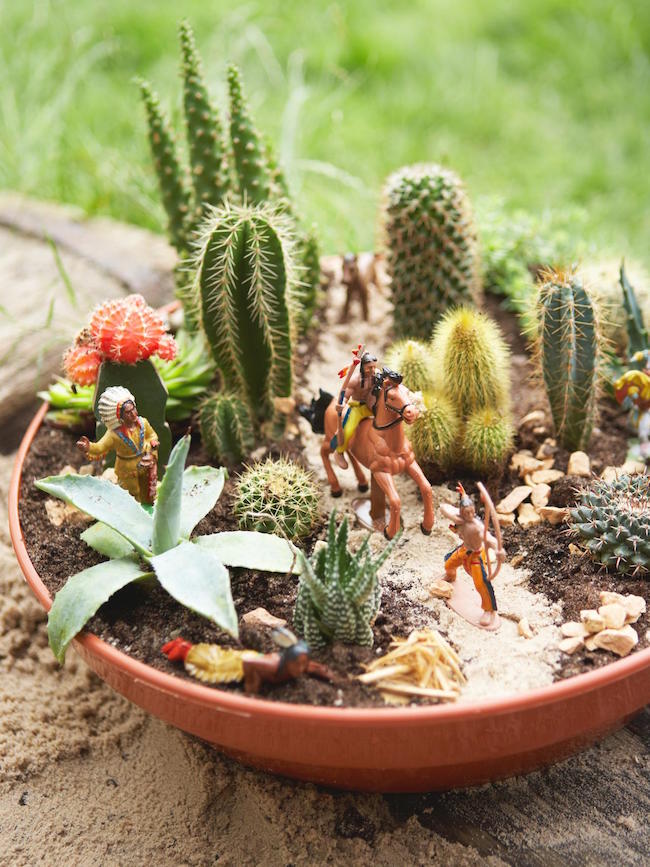
The key to a striking cacti arrangement lies in the diversity of your cast. Not all cacti are created equal, and their differences—whether in form, texture, or color—are the palette with which you’ll paint your desert tableau. Start with a focal point: perhaps a towering Saguaro, its ribbed columns reaching skyward like ancient sentinels. Flank it with the globular elegance of a Golden Barrel, its spines radiating like a sunburst. Introduce a Prickly Pear with its flat, paddle-like pads, and suddenly, your composition gains depth, a play of light and shadow that dances across the spines. The trick is balance—mixing tall and short, round and columnar, to create a dynamic rhythm that draws the eye and invites touch (gently, of course).
The Geometry of Desire: Shapes That Speak Volumes
Cacti arrangements are not random; they are deliberate. The shapes you choose will dictate the mood of your space. A triangular formation, with a tall cactus at the apex and shorter ones cascading down, creates a sense of upward motion, as if the plants are yearning toward the light. A circular cluster, on the other hand, feels intimate and contained, a private enclave of resilience. For the bold, a spiral arrangement can evoke the swirling winds of the desert, each cactus leaning slightly off-center to mimic the dance of sand and sky. And don’t overlook the power of asymmetry—a lone Fishhook Cactus placed slightly off-kilter can feel like a whisper of mystery in an otherwise structured composition.
Color as Character: Painting with Spines and Shadows
The hues of cacti are not just visual treats; they are emotional triggers. A cluster of blue-green Echeverias can feel cool and serene, while the fiery reds of a Claret Cup Cactus ignite passion and energy. The trick is to layer colors like a painter, using the natural gradients of the plants to guide the eye. Place a silver-toned Agave beside a deep purple Echinopsis, and suddenly, your arrangement becomes a study in contrast, where light and dark play a game of hide-and-seek. Don’t forget the role of containers—terracotta pots echo the earthy tones of the desert, while sleek, modern planters can provide a stark, contemporary counterpoint. The result? A living canvas where every glance reveals a new shade, a new story.
The Art of Layering: Elevation and Depth in Cacti Design
To truly captivate, your cacti arrangement must have depth—a sense of layers that beckons the viewer to step closer. Start with the tallest plants at the back, their silhouettes framing the scene like a theatrical backdrop. Move forward with mid-sized specimens, their forms partially obscured by the giants behind them, creating a sense of mystery. Finally, place the smallest, most delicate cacti in the foreground, their intricate details suddenly visible, as if you’ve peeled back the layers of a desert onion. This technique not only adds visual interest but also mimics the natural stratification of a real desert landscape, where life clings to every available niche. Elevate some plants on small pedestals or staggered shelves to enhance the three-dimensional effect, turning your arrangement into a sculptural experience.
Texture as Tactile Poetry: The Language of Spines and Surfaces
Cacti are not just to be seen; they are to be felt—metaphorically, of course. The texture of their spines, the roughness of their ribs, the velvety sheen of their surfaces—all these elements invite a tactile dialogue. Arrange a Hedgehog Cactus with its dense, fuzzy spines beside the smooth, ridged surface of a Fishhook Barrel, and suddenly, your fingers itch to explore. The contrast between soft and sharp, smooth and rough, creates a sensory experience that transcends the visual. For an extra layer of intrigue, incorporate non-cacti elements like smooth river stones or rough-hewn wood, which can serve as both contrast and complement to the spiny stars of your arrangement.
Seasonal Storytelling: Rotating Your Cacti Palette
A static cacti arrangement is like a book with only one chapter. To keep your desert landscape dynamic, embrace the rhythm of the seasons. In spring, introduce bursts of color with flowering cacti like Prickly Pear or Claret Cup, their blooms transforming your arrangement into a fleeting garden of fire. Summer calls for heat-loving varieties like Barrel Cacti, their spines reflecting the golden light. As autumn arrives, swap in cooler-toned plants like Blue Chalksticks or Ghost Plant, their muted hues echoing the changing leaves. And in winter, rely on the stark beauty of bare spines and geometric forms, where the absence of color becomes its own kind of poetry. Rotating your cacti is not just about aesthetics—it’s about celebrating the passage of time in a space that feels alive.
The Final Touch: Light, Shadow, and the Illusion of Movement
No cacti arrangement is complete without considering the play of light and shadow. Position your cluster where sunlight filters through, casting intricate patterns across the spines and surfaces. A backlit Saguaro can glow like a lantern, while the deep shadows of a Fishhook Cactus create a sense of drama. For an extra flourish, add a small, reflective surface—a mirror, a polished stone, or even a shallow dish of water—to bounce light and create the illusion of a second, inverted landscape. The goal is to make your arrangement feel like a living entity, one that breathes and shifts with the hours, a testament to the quiet power of the desert’s most resilient inhabitants.
FAQ
What is the best way to arrange cacti?
The best way to arrange cacti is by considering their height, shape, and color to create balance and visual interest.
How can I keep my cactus arrangement dynamic?
You can keep your cactus arrangement dynamic by rotating plants seasonally to reflect changing colors and textures.

Leave a Reply