
Short Answer
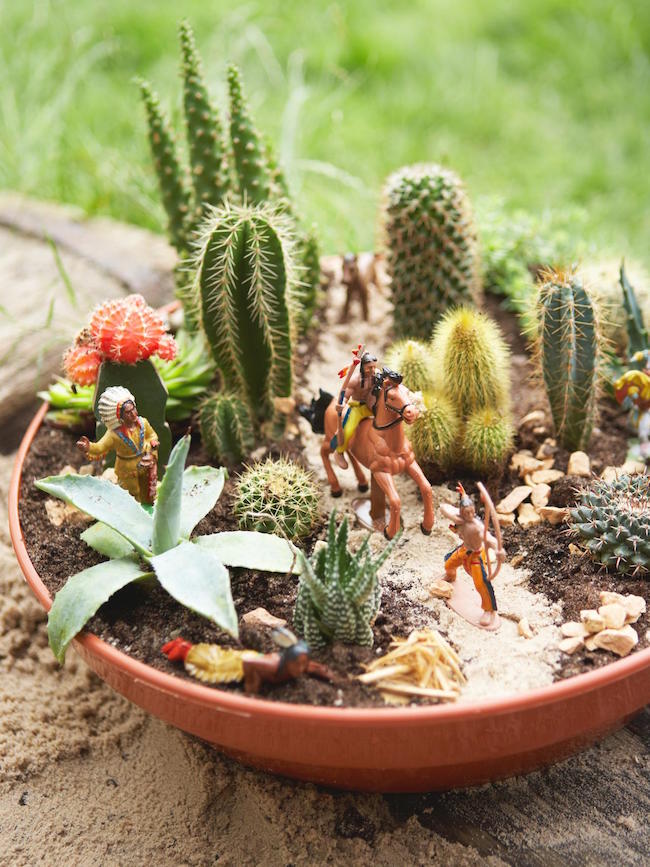
Transforming your backyard into a flourishing cactus garden isn’t just about planting some spiny succulents and calling it a day. It’s a captivating journey of design, soil mastery, and selecting the perfect desert survivors to create an oasis that bursts with personality. Whether you’re looking for a low-maintenance landscape or an artistic desert tableau, crafting a cactus garden in your own backyard offers endless possibilities for creativity and enjoyment. Let’s delve deep into the nuances of bringing your very own arid sanctuary to life.
Envisioning Your Cactus Garden: Concept and Theme
Every great garden begins as a vivid mental sketch. When conceptualizing a cactus garden, think beyond mere plants—envision an atmosphere. Would you prefer a minimalist Zen garden that exudes tranquility and balance? Or perhaps a vibrant desert landscape bursting with textures and colorful blooms? Consider the overall mood you want your space to evoke. This guiding vision will streamline your plant choices, design elements, and layout decisions.
Engage your senses as you imagine: smooth gravel crunching underfoot, the prickly silhouettes of cacti casting intriguing shadows, or the unexpected splash of orange and pink flowers amid thorny stems. Picking a theme—such as Southwestern rustic, contemporary desert chic, or whimsical sculptural arrangements—adds cohesion and flair, transforming your backyard into a captivating narrative of nature’s resilience.
Selecting the Right Cacti: Diversity and Compatibility
Cacti come in an astounding array of shapes, sizes, and growth habits. From towering saguaros to compact pincushions, the diversity allows you to experiment with form and scale. When selecting species for your garden, always consider native varieties or those well-adapted to your local climate to ensure longevity and minimize maintenance.
Mix and match different types to conjure visual interest throughout the seasons. For instance, columnar cacti add vertical drama, while clumping groundcovers fill in gaps and suppress weeds. Don’t be afraid of incorporating succulents alongside cacti for additional texture variety—agaves, yuccas, and aloe can elegantly complement the ensemble.
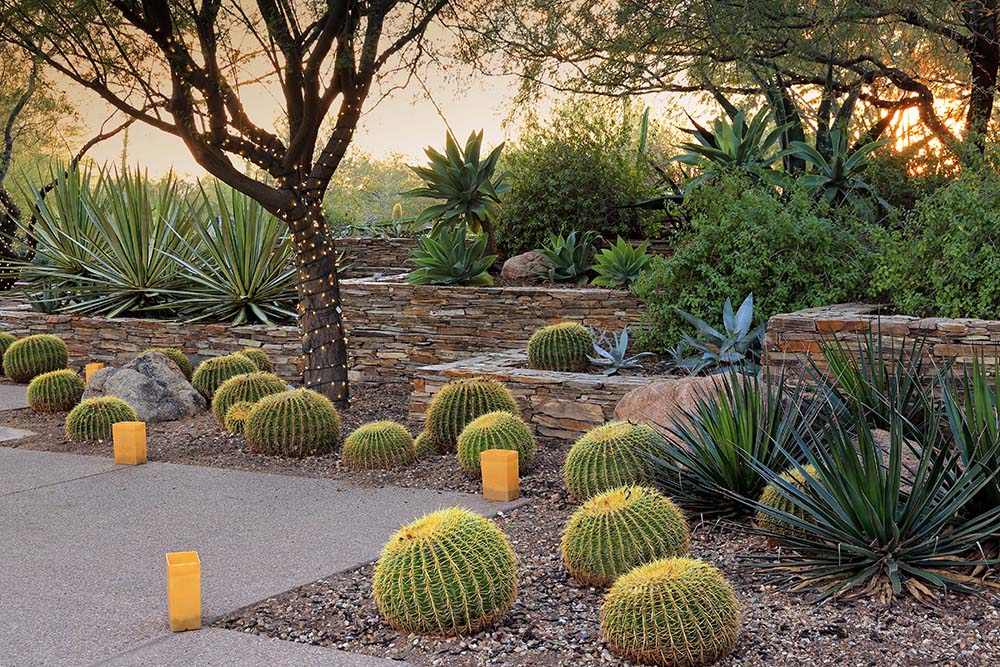
Pay attention to the growth rate and eventual size of each species, plant taller varieties towards the back of beds, and layer smaller ones in front. This stratified planting ensures a balanced visual weight and allows each cactus to shine without overcrowding.
Preparing the Perfect Soil: Drainage and Composition
One quintessential key to a thriving cactus garden lies beneath the surface—soil. Most cacti abhor soggy roots and require exceptionally well-draining substrates to mimic their natural desert homes. Begin by testing your backyard soil’s drainage; poor drainage can lead to root rot and plant demise.
Amend your soil by mixing coarse sand, pumice, or small gravel with organic matter in a ratio that encourages water to pass quickly through the root zone. Specialized cactus or succulent potting mixes available commercially are also excellent starting points if you want to guarantee the ideal composition. Remember, it’s a delicate balance—while drainage is paramount, cacti still need enough nutrients and moisture-retentive capacity to thrive.
Layout and Design Principles: Structure and Flow
Crafting an inviting layout requires thoughtful consideration of space, movement, and focal points. Begin by sketching a rough plan of your backyard space—mark existing pathways, sunny spots, and shaded areas. Cacti generally crave full sun, so prioritize sunlit zones for your more light-dependent species.
Introduce pathways using crushed rock, flagstones, or decomposed granite to guide visitors through the garden’s narrative. These routes not only provide practical access but create a sense of journey and discovery. Elevate certain areas with raised beds or volcanic rock mounds to introduce undulating topography, lending dimension and interest.
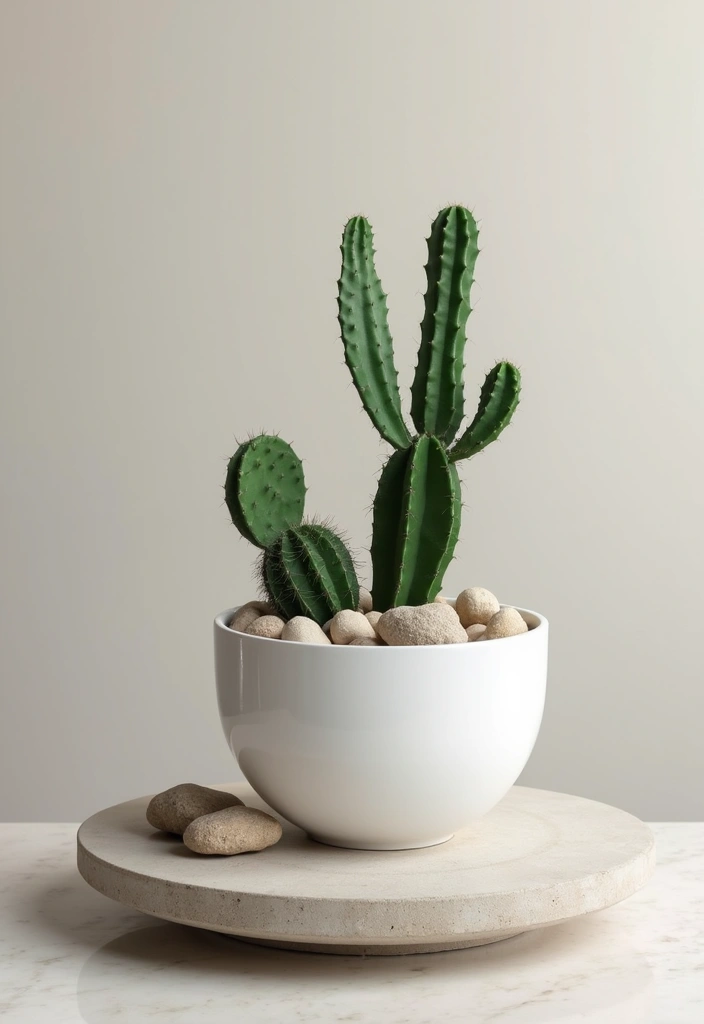
Strategically place striking cactus specimens as visual anchors. These points of interest draw the eye and balance the overall composition. Repetition of shapes and colors throughout the garden will unify the design, while subtle asymmetry injects natural spontaneity.
Watering Wisely: Emulating Desert Efficiency
Water management is an art in cactus gardening. These drought-tolerant plants store water in their fleshy tissues, evolving to survive long arid stretches. Overwatering remains the most common mistake, which can lead to fungal infections and rot.
Establish a watering routine that mimics natural desert patterns—deep infrequent watering rather than daily shallow watering. During the growing season, cacti generally appreciate a soak every two to three weeks depending on heat and rainfall. In winter, often they enter dormancy and require little to no supplemental water.
Consider installing drip irrigation systems with timers to deliver moisture efficiently and reduce human error. Mulching around plants with gravel or small rocks also helps retain soil moisture at optimal levels while enhancing the garden’s visual appeal.
Adding Complementary Elements: Stones, Sculptures, and More
A cactus garden is as much about its surroundings as its plants. Incorporating natural stones, boulders, and sculptural elements amplifies the desert aesthetic and creates tactile contrasts. Weathered driftwood, wrought iron accents, or ceramic pots can add an artisanal touch.
Decorative gravel beds in muted tans and reds are excellent for filling voids and preventing weeds without detracting from your cacti stars. Lighting is another underrated facet—low-voltage garden lights positioned to highlight striking forms or illuminate pathways transform the space into a magical nocturnal retreat.

Consider a water feature designed to blend with the arid theme, such as a dry riverbed or small reflecting basin, creating a harmonious balance between elements.
Maintaining Your Cactus Garden: Patience and Care
While cacti are famously resilient, your garden still benefits from thoughtful ongoing care. Watch for pests like mealybugs and spider mites, and remove dead or damaged parts to promote healthy growth. Periodic feeding with a low-nitrogen cactus fertilizer can invigorate your plants during active growing months.
Prune sparingly to preserve natural shapes—remember, these plants evolve slowly over years. Regularly inspect soil moisture to avoid over- or under-watering. Keep an eye on how your garden performs through changing seasons and don’t hesitate to tweak the arrangement by relocating or adding species.
Enjoying Your Desert Sanctuary
Once established, a cactus garden offers a unique sanctuary—quiet yet striking, slow-growing yet persistent. It becomes a testament to nature’s ability to thrive in unexpected forms. Whether you’re sipping lemonade on a nearby bench or photographing the intricate patterns of spines and blooms, your backyard cactus garden invites you to pause, reflect, and savor the impeccable beauty of drought-tolerant design.
Embrace the subtle magic of your arid retreat—each cactus, stone, and shadow contributes to a living canvas that evolves year after year, a personal desert haven nurtured by design and passion.
FAQ
What materials are best for cactus garden soil?
A mix of coarse sand, pumice, or small gravel with organic matter is ideal for cactus garden soil.
Can I mix succulents with cacti in my garden?
Yes, mixing succulents with cacti can create interesting textures and visual diversity.


Leave a Reply