

Short Answer
In the arid embrace of desert landscapes, where life persists against the odds, the humble cactus stands as a testament to resilience and adaptation. These spiny sentinels are not merely survivors; they are architects of self-sustaining ecosystems, weaving intricate webs of life that thrive in some of the world’s most inhospitable terrains. From the sun-baked plains of the Sonoran Desert to the high-altitude plateaus of the Andes, cacti are the cornerstone of biospheres that defy conventional expectations of what an ecosystem can be. Their ability to store water, regulate microclimates, and foster symbiotic relationships with flora and fauna makes them the unsung heroes of these fragile yet flourishing worlds. This exploration delves into the multifaceted role of cacti in biospheres, uncovering the secrets behind their self-sustaining magic and the lessons they offer for sustainable living on a planet increasingly strained by climate change.
The Cactus as an Ecosystem Engineer: Architect of Arid Adaptations
Cacti are far more than passive inhabitants of their environments; they are dynamic ecosystem engineers, reshaping the very fabric of their surroundings through their unique physiological and morphological adaptations. Their succulent stems, often swollen with water-storing parenchyma, act as living reservoirs, sustaining not just the cactus itself but a myriad of organisms that depend on this precious resource. The spines, often dismissed as mere defensive mechanisms, serve a dual purpose: they reduce water loss by creating a boundary layer of still air around the plant, and they provide shelter for insects, small reptiles, and even nesting birds. This dual functionality transforms the cactus into a microhabitat, a bustling metropolis of life in an otherwise barren expanse.
Consider the saguaro (*Carnegiea gigantea*), a towering giant of the Sonoran Desert. Its ribbed structure not only allows for water storage but also creates crevices where moisture can accumulate, fostering the growth of lichens and mosses. These miniature gardens, in turn, support a diverse array of invertebrates, from beetles to spiders, which become prey for larger predators like roadrunners and Gila monsters. The saguaro’s role as a keystone species is undeniable; its presence dictates the health and diversity of the entire ecosystem. Without it, the desert would lose not just a plant, but an entire community of interdependent life forms.
Symbiosis in the Sand: The Hidden Networks of Cactus Ecosystems
Beneath the surface of the desert, a silent revolution is taking place. Cacti engage in complex symbiotic relationships with fungi, bacteria, and other plants, forming networks that sustain life in the most unexpected ways. Mycorrhizal fungi, for instance, colonize the roots of cacti, extending their hyphal threads into the soil to absorb water and nutrients that the cactus alone could not reach. In return, the cactus provides the fungi with carbohydrates, creating a mutualistic bond that enhances the resilience of both organisms. This subterranean alliance is a cornerstone of desert ecosystems, enabling cacti to thrive in nutrient-poor soils where other plants would perish.
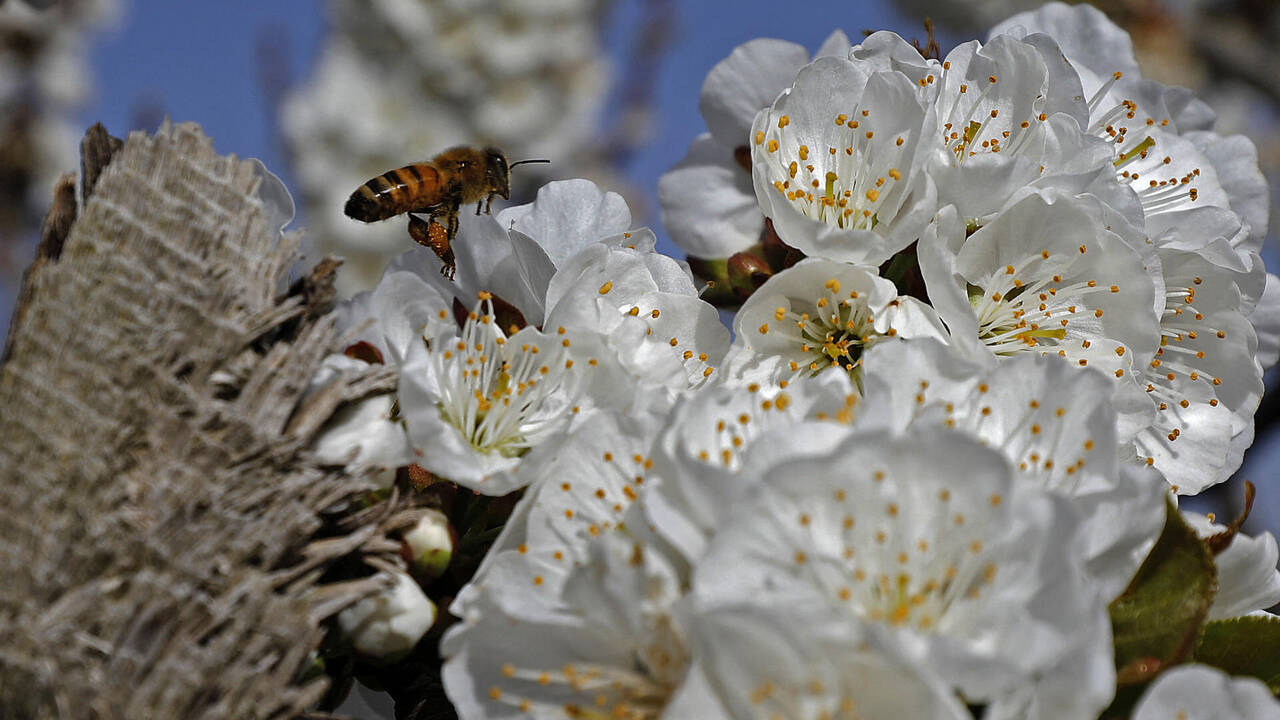
Above ground, the cactus’s role as a provider extends to pollinators and seed dispersers. Many cactus species, such as the prickly pear (*Opuntia* spp.), produce vibrant flowers that attract bees, butterflies, and even hummingbirds. These pollinators, in turn, facilitate the reproduction of the cactus while also feeding on its nectar, creating a delicate balance of give and take. The fruits of the prickly pear, adorned with bright colors to entice birds and mammals, are dispersed across the landscape, ensuring the cactus’s genetic legacy endures. This intricate web of interactions underscores the cactus’s importance not just as a solitary survivor, but as a linchpin of biodiversity.
Self-Sustaining Biospheres: The Art of Closed Ecological Systems
The concept of self-sustaining ecosystems, or closed ecological systems, has captivated scientists and artists alike. These miniature worlds, often housed in glass vessels, mimic the delicate balance of natural ecosystems, where every component—from plants to microorganisms—plays a vital role in maintaining equilibrium. Cacti are the stars of these microcosms, their ability to thrive in low-humidity environments making them ideal candidates for such experiments. A closed biosphere featuring a cactus is not just a decorative piece; it is a living testament to the principles of sustainability, demonstrating how life can persist with minimal external inputs.
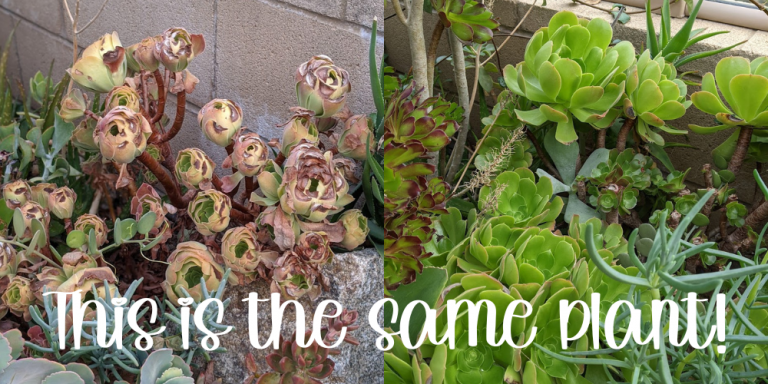
Creating a self-sustaining cactus biosphere begins with selecting the right species. Dwarf varieties like the *Mammillaria* or *Echeveria* are popular choices due to their compact size and slow growth rates. The substrate must be well-draining, often a blend of sand, perlite, and a touch of organic matter to provide essential nutrients. The glass vessel, whether a terrarium or a jar, must allow for adequate light while preventing excess moisture buildup, which can lead to rot. Once assembled, the biosphere requires little intervention; the cactus’s water-storing capabilities, combined with the slow release of moisture from the substrate, create a self-regulating environment. Over time, the ecosystem may develop its own microclimate, with condensation cycling water back to the plant and supporting the growth of lichens or mosses.
The beauty of these closed systems lies in their ability to teach us about resilience and interdependence. They remind us that sustainability is not an abstract concept but a tangible reality, achievable through careful observation and mimicry of natural processes. For those who bring a cactus biosphere into their homes, it becomes more than a decoration—it is a living lesson in how to live in harmony with the environment.
Cacti and Climate Change: Guardians of Arid Resilience
As global temperatures rise and desertification spreads, the role of cacti in maintaining ecosystem stability has never been more critical. These plants are not just survivors; they are frontline warriors in the battle against climate change. Their deep root systems help prevent soil erosion, while their water-storing capabilities mitigate the effects of drought. Moreover, cacti contribute to carbon sequestration, albeit on a smaller scale than trees, by storing carbon in their stems and releasing oxygen during photosynthesis. In regions where water is scarce and temperatures soar, cacti offer a blueprint for sustainable agriculture and land management.
One of the most remarkable adaptations of cacti is their ability to enter a state of dormancy during periods of extreme drought. This physiological flexibility allows them to conserve energy and water until conditions improve, a trait that could inspire innovations in drought-resistant crop development. Additionally, the study of cactus microbiomes— the communities of bacteria and fungi that live in and around their roots—has revealed potential applications in bioremediation and soil restoration. By harnessing the power of these microbial allies, scientists are exploring ways to rehabilitate degraded lands and restore biodiversity in arid regions.
The resilience of cacti also holds a mirror to human societies grappling with the consequences of climate change. Their ability to thrive in harsh conditions serves as a reminder that adaptation is not just possible but essential. From urban green roofs to permaculture gardens, incorporating cacti into landscaping can reduce water usage and create microhabitats for pollinators. Even in the most unlikely of places, such as vertical gardens in desert cities, cacti prove that life can flourish where it once seemed impossible.
Cultural and Artistic Inspirations: The Cactus as a Symbol of Endurance
Beyond their ecological significance, cacti have woven themselves into the cultural and artistic fabric of societies around the world. In Mexican folklore, the cactus is often depicted as a symbol of strength and protection, its spines serving as a metaphor for the barriers we build to safeguard our vulnerabilities. The iconic image of the saguaro, with its outstretched arms, has become a symbol of the American Southwest, inspiring artists, writers, and filmmakers to explore themes of isolation, survival, and the indomitable spirit of life.
Artists like Susannah Sayler and Edward Morris have captured the essence of cactus ecosystems in their photographic series, documenting the intricate relationships between these plants and their environments. Their work highlights not just the beauty of the cactus but its role as a catalyst for biodiversity. Meanwhile, in the world of literature, cacti often appear as silent witnesses to human drama, their stoic presence contrasting with the fleeting nature of human endeavors. From the novels of Cormac McCarthy to the poetry of Mary Oliver, the cactus serves as a reminder of nature’s quiet power and the lessons it offers to those willing to listen.
The appeal of cacti in art and culture lies in their paradoxical nature: they are both harsh and nurturing, solitary and communal. They thrive in solitude yet create ecosystems that support countless lives. This duality resonates with the human experience, making the cactus a powerful symbol for artists and storytellers seeking to explore themes of resilience, adaptation, and the interconnectedness of all things.
Practical Guide: Cultivating Your Own Cactus Biosphere
For those inspired to bring the magic of cactus ecosystems into their own spaces, creating a self-sustaining biosphere is a rewarding endeavor. The first step is selecting the right container. Glass jars, terrariums, or even large glass bowls with lids work well, provided they allow for adequate light and airflow. The substrate should consist of a mix of coarse sand, perlite, and a small amount of organic matter to ensure proper drainage and nutrient availability. A layer of activated charcoal at the bottom can help prevent mold and keep the environment fresh.
Choosing the cactus is equally important. Opt for slow-growing species like *Haworthia*, *Gymnocalycium*, or *Echeveria*, which are well-suited to confined spaces. Place the cactus in the container, ensuring it is positioned to receive indirect light, and avoid overwatering—remember, these plants are adapted to drought, not inundation. Over time, you may notice the development of a microclimate within the biosphere, with condensation forming on the glass and returning moisture to the plant. This closed loop system requires minimal maintenance, making it an ideal project for both beginners and seasoned enthusiasts.
The key to success lies in observation. Watch how the cactus interacts with its environment, how moisture cycles through the system, and how other organisms, such as mosses or lichens, begin to colonize the substrate. This hands-on experience offers a tangible connection to the principles of ecology and sustainability, making it a valuable educational tool for all ages. Whether displayed on a windowsill or gifted as a thoughtful present, a cactus biosphere is more than a decorative piece—it is a living testament to the beauty and resilience of nature.
FAQ
What role do cacti play in self-sustaining ecosystems?
Cacti act as ecosystem engineers by storing water, creating microhabitats, and fostering symbiotic relationships that support diverse life forms in arid environments.
How do cacti contribute to climate change resilience?
Cacti help prevent soil erosion, store water during droughts, sequester carbon, and support biodiversity, making them vital in adapting to and mitigating climate change impacts.
Which cactus species are best suited for creating closed ecological systems?
Dwarf varieties like Mammillaria and Echeveria are ideal for closed biospheres due to their compact size and slow growth, which help maintain a balanced micro-ecosystem.
What symbiotic relationships do cacti engage in?
Cacti form mutualistic relationships with mycorrhizal fungi and pollinators such as bees and hummingbirds, enhancing nutrient uptake and reproduction.
Why are cacti considered keystone species in desert ecosystems?
Certain cacti, like the saguaro, support a diverse community of organisms by providing water, shelter, and food, thus maintaining ecosystem health and biodiversity.


Leave a Reply