
Short Answer
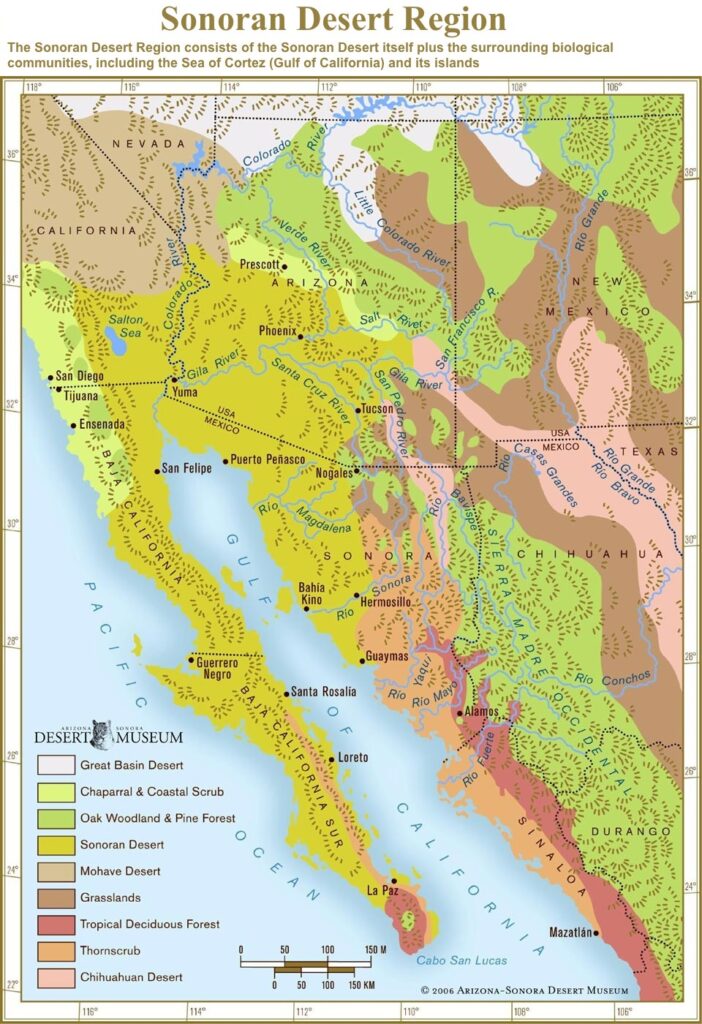
The Sonoran Desert is a realm of paradoxes—where the relentless sun coaxes life from the most parched earth, and where towering sentinels of green stand defiant against the arid winds. It is a landscape that whispers tales of resilience, where every crevice and shadow holds a story waiting to be discovered. For those who venture into its sun-baked embrace, the Sonoran Desert offers not just a visual feast but a profound encounter with nature’s tenacity. This guide is your compass to navigating its wonders, ensuring that your cactus-spotting expedition is as enriching as it is breathtaking.
The Iconic Saguaro: The Desert’s Majestic Monarch
The saguaro (*Carnegiea gigantea*) is the undisputed sovereign of the Sonoran Desert, a botanical titan that can live for over 150 years and stretch skyward like a slow-motion ballet dancer frozen in time. These colossal cacti, with their ribbed trunks and outstretched arms, are not merely plants—they are living archives of the desert’s history. Their slow growth—just an inch a year in youth—makes them a testament to patience and endurance. When in bloom, their white flowers unfurl in a nocturnal spectacle, attracting long-tongued bats that pollinate them under the cloak of darkness. By day, their fruits burst open like ruby-red jewels, a vital food source for desert wildlife. To stand beneath a saguaro is to feel the weight of centuries pressing down, a humbling reminder of nature’s grandeur.
Barrel Cacti: The Desert’s Water Reservoirs
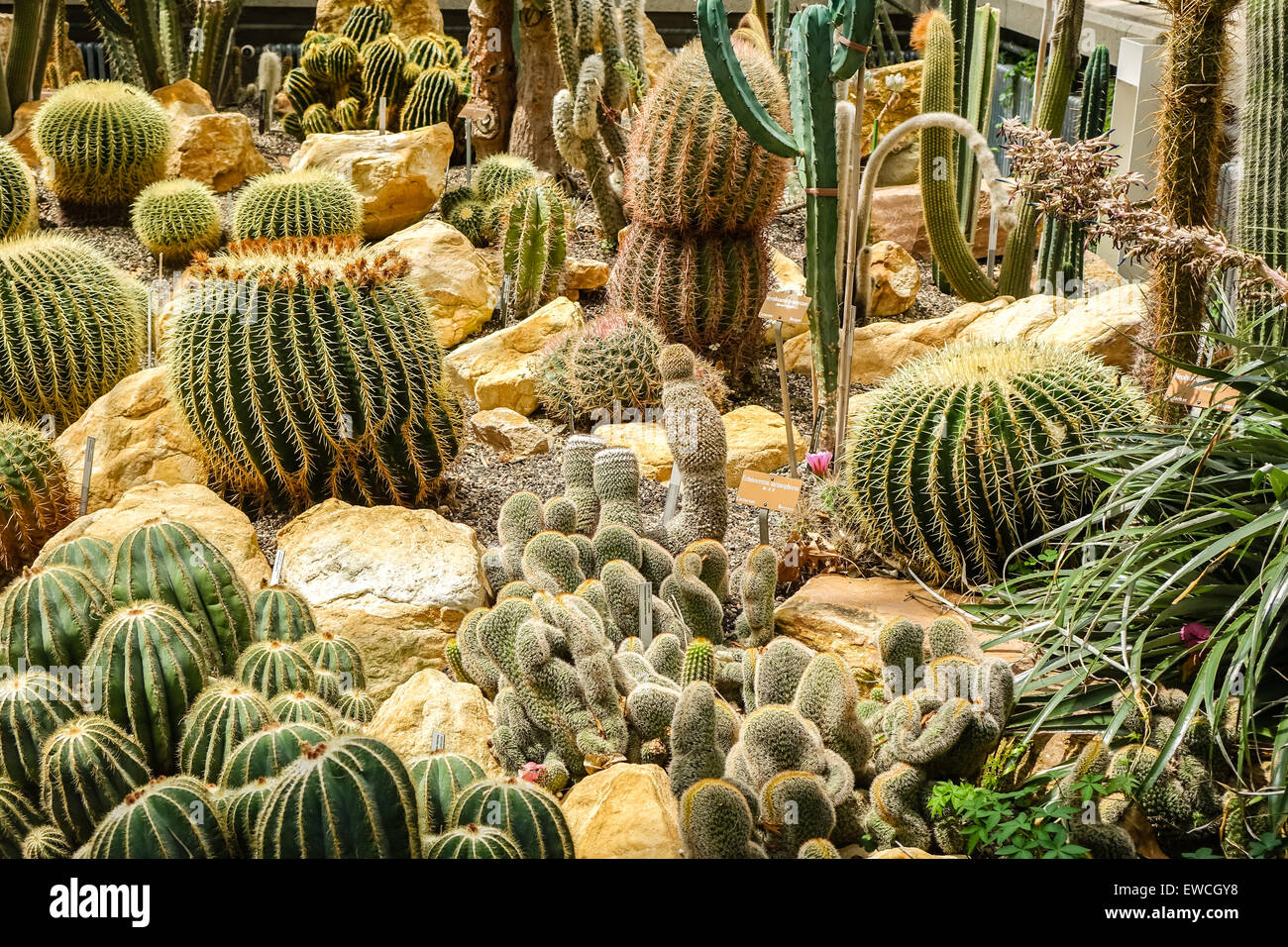
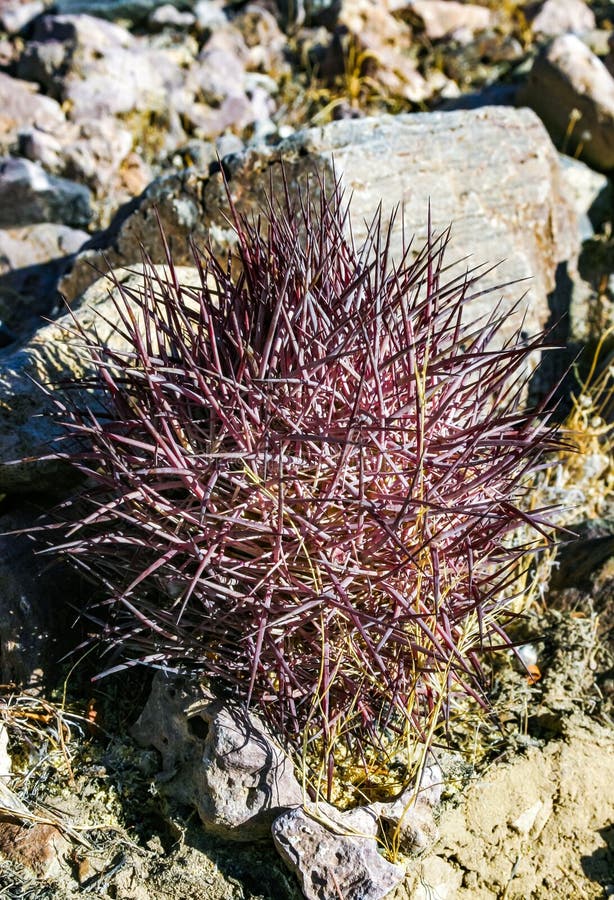
If the saguaro is the desert’s aristocrat, the barrel cactus (*Ferocactus* and *Echinocactus* species) is its unsung workhorse. Round and robust, these cacti are nature’s canteens, storing water in their thick, ribbed bodies to endure the harshest droughts. Their vibrant flowers—ranging from fiery oranges to soft yellows—paint the landscape in fleeting bursts of color, a fleeting but vital respite for pollinators. Some species, like the *Ferocactus wislizeni*, even bear formidable spines that deter predators while casting intricate shadows that dance with the sun. To spot a barrel cactus in full bloom is to witness a fleeting oasis, a reminder that even in the driest places, life finds a way.
The Prickly Pear: A Culinary and Ecological Gem
No visit to the Sonoran Desert is complete without encountering the prickly pear (*Opuntia* species), a cactus so versatile it borders on the miraculous. Its flat, paddle-like pads are a staple for desert wildlife—javelinas, tortoises, and even insects rely on them for sustenance. But humans, too, have long cherished the prickly pear, harvesting its pads (nopales) for salads and its sweet, ruby-red fruits (tunas) for jams and syrups. The pads, once rid of their spines, reveal a crisp, slightly tangy flavor reminiscent of green beans. Meanwhile, the fruits burst with a floral sweetness, a taste of the desert’s hidden bounty. To eat a prickly pear is to consume the desert itself—raw, unfiltered, and brimming with life.
Cholla: The Devil’s Rope and Its Deceptive Beauty
The cholla (*Cylindropuntia* species), with its segmented, jointed stems, is often dubbed the “jumping cactus” for its tendency to cling to passersby with the tenacity of a determined suitor. But don’t let its nickname fool you—this cactus is a master of illusion. Its golden spines, which shimmer in the sunlight, are not just for show; they serve as a deterrent for thirsty herbivores and a shelter for small desert creatures. The cholla’s flowers, a riot of pink and purple, attract hummingbirds in a frenzied dance of pollination. Yet, its most fascinating trait is its ability to propagate through fragmentation—each segment can take root and grow into a new plant, a survival strategy as cunning as it is effective. To photograph a cholla is to capture the desert’s duality: beauty and danger intertwined.
Night-Blooming Cereus: The Desert’s Ephemeral Enigma
For those willing to venture into the Sonoran Desert after dark, the night-blooming cereus (*Peniocereus greggii*) offers a reward that is as fleeting as it is spectacular. This slender, vine-like cactus produces flowers that unfurl only once a year, under the cover of night, releasing a fragrance so intoxicating it’s said to carry for miles. The flowers, white and waxy, last but a single evening, their delicate petals wilting by dawn. To witness this phenomenon is to glimpse the desert’s secret life—a world that thrives in the shadows and blooms in silence. It’s a reminder that the desert’s magic is not always visible, but it is always present.
Ethical Cactus Spotting: Respecting the Desert’s Fragile Ecosystem
As enchanting as the Sonoran Desert is, it is also a fragile ecosystem teetering on the edge of balance. Every footprint, every photograph, every stray branch snapped for a closer look leaves a mark. Ethical cactus spotting begins with leaving no trace—staying on marked trails, resisting the urge to touch or disturb the plants, and never removing even a single spine. It’s about observing from a distance, allowing the desert to reveal its secrets on its own terms. Consider the impact of your visit: the Sonoran Desert is not a theme park but a living, breathing entity. By treading lightly, you ensure that future generations can experience its wonders just as you have.
Photographing the Desert: Capturing Light and Shadow
For photographers, the Sonoran Desert is a canvas of contrasts—where the harsh midday sun carves deep shadows into the sand, and the golden hour bathes the landscape in a warm, ethereal glow. To capture the essence of the desert, one must embrace its extremes. Shoot during the blue hour, when the sky is a gradient of indigo and the cacti stand silhouetted against the fading light. Experiment with macro photography to reveal the intricate details of a barrel cactus’s ribs or the delicate spines of a cholla. And don’t shy away from black-and-white—stripped of color, the desert’s textures take on a timeless, almost sculptural quality. The key is patience; the desert rewards those who wait.
Beyond the Cacti: Wildlife Encounters in the Sonoran Desert
While cacti dominate the visual landscape, the Sonoran Desert’s true magic lies in its wildlife. The Gila woodpecker, with its distinctive black-and-white plumage, drills into saguaros to create nests, leaving behind perfect holes that other birds later repurpose. The desert tortoise, a gentle giant, ambles through the underbrush, its slow pace a lesson in resilience. And at dusk, the air fills with the haunting calls of coyotes, a reminder that the desert is not a silent place but a symphony of life. To spot these creatures is to understand that the Sonoran Desert is not just a collection of plants—it is a thriving, interconnected world.
Seasonal Splendors: When to Visit for the Best Experience
The Sonoran Desert is a place of seasonal transformations. Spring, from March to May, is the prime time for cactus spotting, as wildflowers carpet the ground and cacti burst into bloom. Summer, though brutally hot, offers a unique perspective—early mornings and late evenings reveal a desert alive with activity as creatures seek respite from the heat. Autumn brings a crispness to the air, and the desert’s palette shifts to warm hues of ochre and rust. Winter, mild and inviting, is ideal for those who prefer to explore without the intensity of the sun. Each season paints the desert in a new light, ensuring that no two visits are ever the same.
The Sonoran Desert is more than a destination—it is an experience, a challenge, and a revelation. It demands respect, patience, and an open heart. Whether you’re drawn by the allure of the saguaro’s arms or the quiet resilience of a barrel cactus, the desert will leave an indelible mark on your soul. So pack your water, lace up your boots, and step into the sun. The Sonoran Desert is waiting.
FAQ
What is the best time to visit the Sonoran Desert for cactus spotting?
Spring offers the best cactus blooming displays, making it the ideal time for cactus spotting.
How should visitors behave to protect the Sonoran Desert ecosystem?
Visitors should stay on trails, avoid touching or removing plants, and observe wildlife responsibly.
Which cactus is considered the iconic symbol of the Sonoran Desert?
The Saguaro cactus is the iconic symbol and a majestic feature of the Sonoran Desert.
Are any parts of the prickly pear cactus edible?
Yes, both the pads (nopales) and the fruits (tunas) of the prickly pear are edible and commonly used.
What wildlife might be encountered during a visit to the Sonoran Desert?
Common wildlife includes the Gila woodpecker, desert tortoise, and coyotes.


Leave a Reply