
Short Answer
Have you ever peered eagerly at your robust Echinocactus, wondering if it will ever reward you with the elusive burst of vibrant flowers? These spiny, often stoic desert dwellers hold a secret: their flamboyant blooms don’t just appear overnight. Encouraging an Echinocactus to flower can be a delightful challenge, a horticultural puzzle that invites patience, precision, and a bit of know-how. What exactly does it take to coax these desert gems into a spectacular floral display? Let’s embark on this verdant journey and unveil the art and science of Echinocactus flowering.
Understanding the Echinocactus Blooming Habit
First, it’s essential to appreciate the natural rhythm of the Echinocactus. Native to North American deserts, these cacti thrive in arid environments where water is scarce and sunlight reigns supreme. Their flowering cycle is triggered by a precise confluence of conditions—seasonal temperature shifts, daylight duration, and water availability. Unlike some more flamboyant succulents that flaunt almost constant blooms, Echinocactus tends to reserve their floral spectacle for times when conditions are optimal, a survival strategy in harsh climates.
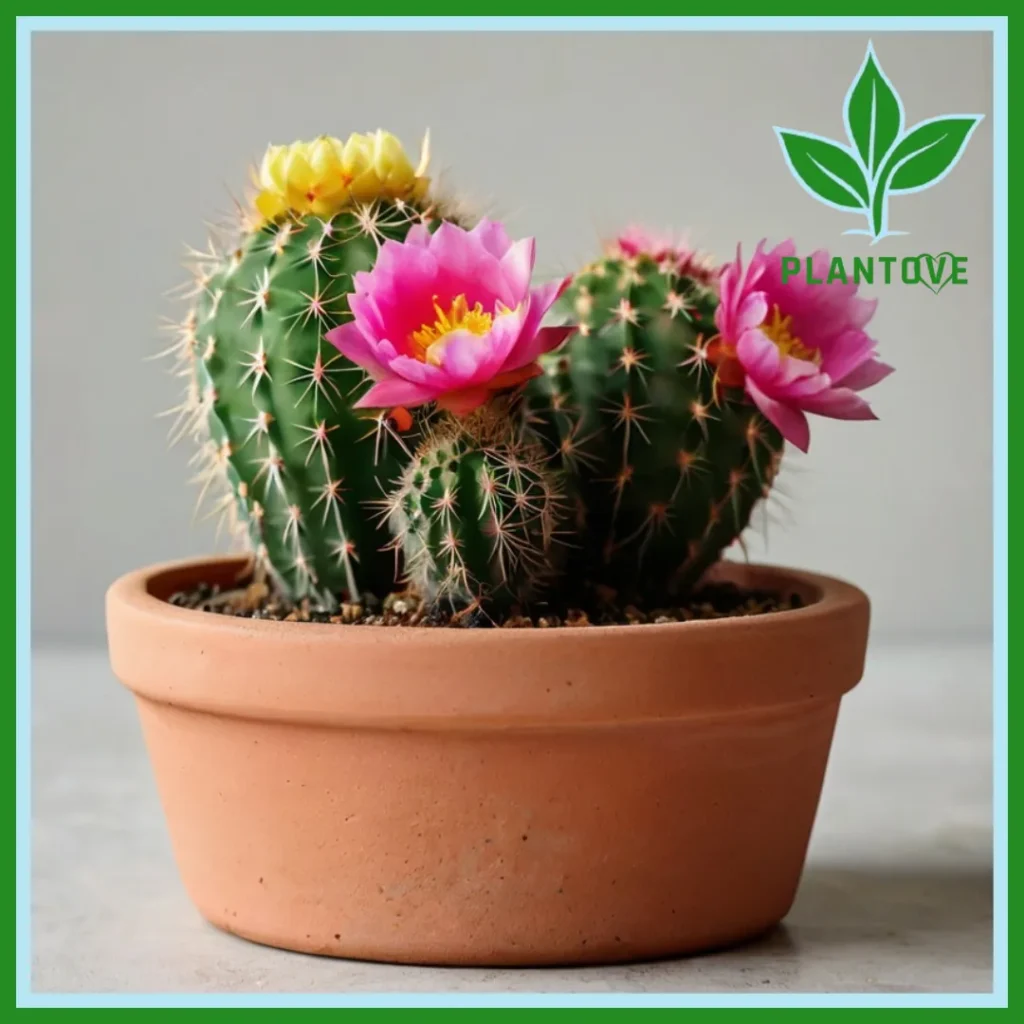
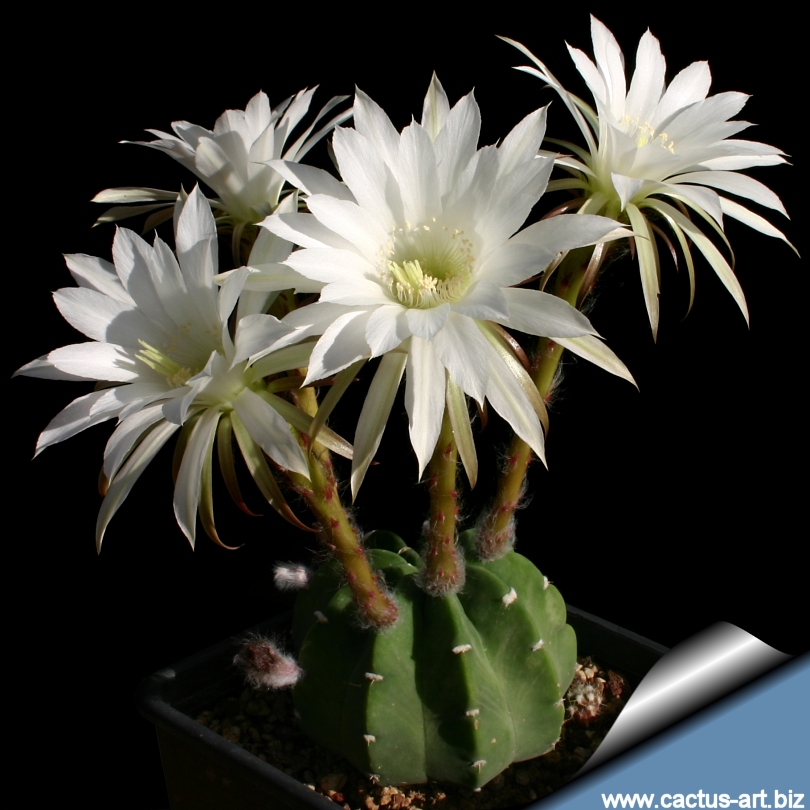
Patience is the plant parent’s best virtue here. Echinocacti can take several years, sometimes even up to a decade, to mature enough to flower. This slow maturation is a testament to their resilience. Flowers themselves emerge from the crown, often forming a circlet of brilliant yellow or golden petals that contrast beautifully against the cactus’s formidable spines.
Optimal Light Conditions: Bathing in Desert Sunshine
One cannot understate the importance of light when coaxing an Echinocactus to flower. These plants have evolved under the intense radiance of desert suns, which means anything less than ample, direct sunlight can significantly delay or prevent blooming altogether. While indoor cultivation is possible, replicating that brilliant desert sun is crucial.
Ideally, position your Echinocactus in a south-facing window where it will bask in at least six hours of direct sunlight daily. Outside, a spot with full sun exposure is perfect — think of it as nature’s own floral accelerator. During less sunny months, supplemental grow lights designed for succulents can bridge the gap, delivering the spectral quality and intensity needed to trick the plant into flowering mode.
Watering Wisely: The Alchemy of Moisture and Restraint
Watering an Echinocactus is a dance of knowing when to pour and when to hold back. As desert cacti, they are adapted to infrequent but deep watering. However, the trick to promoting flowering lies not just in how much, but in when and how water is applied.
During the active growing season (spring through early fall), maintain a consistent watering schedule that allows the soil to dry thoroughly between sessions. Too much moisture can lead to root rot, effectively silencing any hopes of blooms. Conversely, under-watering stresses the plant, stunting energy production and growth.
In preparation for flowering, a slight modulation in watering—reducing frequency but providing just enough moisture—can simulate natural arid conditions that encourage floral development. Once blooming commences, slightly increase watering to support the nourishment of flowers, but always err on the side of caution to prevent soggy soil conditions.
Feeding the Desert Beauty: Fertilization Strategies to Spark Blossoms
Nutrients play a subtler but no less critical role in encouraging Echinocactus blooms. Desert soils are naturally lean, and too much fertilizer can cause lush, unattractive growth at the expense of flowers. The goal is to mimic the nutrient-scarce environment while providing just enough sustenance to energize flowering.
Use a balanced, water-soluble fertilizer crafted for cacti and succulents, diluted to half strength. Fertilize sparingly during the spring and early summer when the plant is actively growing. A formula rich in phosphorus encourages the development of flowers, so seek fertilizers with a slightly higher middle number (the ‘P’ in NPK) to tip the scales toward bloom production.
Temperature and Dormancy: The Secret Seasonal Dance
Temperature fluctuations and dormancy periods serve as powerful signals for Echinocactus flowering. These plants typically require a cooler, drier rest period during winter months, simulating the desert’s natural climate cycle. This dormancy is vital for flower bud initiation and sets the stage for a vibrant bloom when warmer months return.
Maintain daytime temperatures between 70-85°F (21-29°C) in the growing season, but induce a cooler rest period of 45-55°F (7-13°C) during winter. Reduce watering substantially during this time and withhold fertilizer completely. This cold spell acts like a natural reset button, priming the plant to focus energy on reproduction rather than growth when spring arrives.
Potting and Soil Composition: Creating the Perfect Desert Habitat
Replicating desert soil conditions is indispensable for a happy, flowering Echinocactus. The soil must drain rapidly to prevent water retention, which cacti detest. A gritty, sandy substrate enriched with inorganic materials like pumice, perlite, or crushed granite creates the ideal environment.
Choose shallow pots with ample drainage holes to prevent moisture buildup. If you repot, do so in early spring before new growth begins. Be cautious not to disturb the root ball excessively—Echinocacti thrive when left undisturbed and will reward your patience with better bloom potential.
Patience and Observation: The Gardener’s Ultimate Virtues
Encouraging an Echinocactus to bloom is as much an art as it is a science. The process can be slow and sometimes frustrating. Flowers might seem to tease you, appearing sporadically or vanishing before your eyes.
Careful observation of the plant’s response to adjustments in watering, light, and temperature will guide you in fine-tuning your care regimen. Each Echinocactus is unique, and cultivating an atmosphere conducive to blooming may take seasons.
Celebrate small signs of progress—tight clusters of spines at the crown hinting at bud formation, a subtle color shift, or increased plant vigor. These are nature’s affirmations that your desert gem is gearing up for its grand floral debut.
In Conclusion: Embracing the Desert’s Floral Gift
The quest to coax an Echinocactus into flowering is a rewarding endeavor that marries horticulture with a bit of botanical sleight of hand. By providing intense light, balanced watering, strategic fertilization, proper soil, and respecting natural temperature cycles, you set the stage for the cactus to reveal its exquisite floral crown.
So, will your Echinocactus bloom this season? With attentive care and a dash of patience, the answer is a confident “yes.” Prepare to be dazzled by the golden blossoms that emerge like rare desert treasures, a triumphant testament to your green-thumbed dedication.
FAQ
How long does it take for an Echinocactus to flower?
Echinocactus can take several years, sometimes up to a decade, to mature enough to produce flowers.
What kind of light does an Echinocactus need to bloom?
Echinocactus requires at least six hours of direct sunlight daily, ideally from a south-facing window indoors or full sun outdoors.
How should I water my Echinocactus to encourage flowering?
Water deeply but infrequently, allowing the soil to dry completely between waterings. Adjust watering to simulate natural arid conditions before flowering and slightly increase during bloom.
What fertilizer is best for promoting Echinocactus blooms?
Use a balanced, water-soluble fertilizer diluted to half strength, preferably with a higher phosphorus content (middle number in NPK), applied sparingly in spring and early summer.
Why is temperature important for Echinocactus flowering?
Echinocactus needs a cooler, drier rest period in winter (45-55°F) to induce dormancy, which is essential for flower bud initiation.

Leave a Reply