
Short Answer
In the relentless symphony of office life—where deadlines hum like overworked printers and fluorescent lights flicker like tired synapses—there exists a quiet revolution. It’s not about another productivity hack or a new ergonomic chair. It’s about the unassuming cactus, a prickly sentinel of resilience, standing tall on your desk, whispering a radical idea: Nature belongs here too. Beyond mere decoration, the cactus in office decor is a manifesto. It’s a defiant bloom against the sterility of corporate spaces, a botanical bridge between the wild and the wired. This isn’t just about greenery; it’s about reclaiming our spaces with tenacity, one spiky leaf at a time.
The Symbolism of the Cactus: More Than Just a Plant
To adorn your workspace with a cactus is to invite a paradox. Softness in hardness. Life in aridity. The cactus, with its waxy skin and sharp spines, is a living oxymoron—a plant that thrives where others wither. In the language of office decor, it’s a silent rebellion against the idea that productivity demands sterility. It’s a reminder that beauty doesn’t need to be tamed; it can be fierce, adaptable, and unapologetically itself.
Consider the metaphor: the cactus stores water in its body, much like we hoard resilience in our minds. Its spines, often mistaken for mere defense, are actually modified leaves—a brilliant evolutionary trick to minimize water loss. In your office, it becomes a totem of endurance. A visual cue that you, too, can store strength for the driest of days. It’s not just decor; it’s a daily mantra etched in green and thorn.
Types of Cacti for Office Decor: From Minimalist to Majestic
Not all cacti are created equal, and neither should your desk be. The world of these desert dwellers offers a spectrum of personalities to match every workspace vibe. For the minimalist, the Zamioculcas zamiifolia—often mistaken for a cactus—brings glossy, dark green fronds that demand nothing but a sliver of light. It’s the introvert of the plant world: quietly commanding attention without uttering a word.
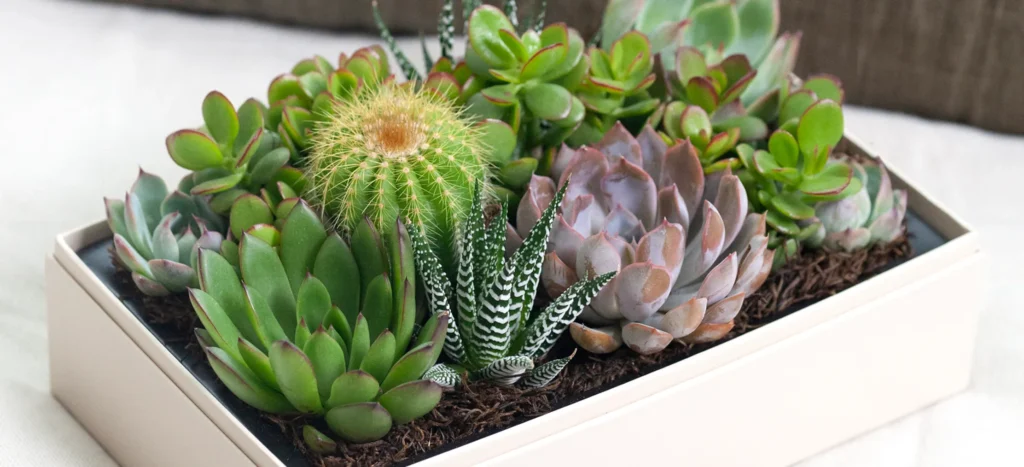
Then there’s the Echeveria, a rosette-shaped marvel with pastel hues that could make even the most drab cubicle feel like a boutique greenhouse. Its powdery bloom is the office equivalent of a well-tailored blazer—elegant, understated, and effortlessly chic. For those who crave drama, the Saguaro (though slow-growing) stretches toward the ceiling like a skyscraper in miniature, a vertical statement that says, I am here. I am growing.
And let’s not forget the Mammillaria, a globular cactus covered in soft, hair-like spines that beg to be touched—until you remember the sting. It’s the office prankster, luring you in with its fuzzy exterior before reminding you of its boundaries. Each type of cactus brings a different energy: some soothe, some intrigue, some command. The key is to choose one that resonates with your work rhythm.
Styling Your Cactus: The Art of Desk Alchemy
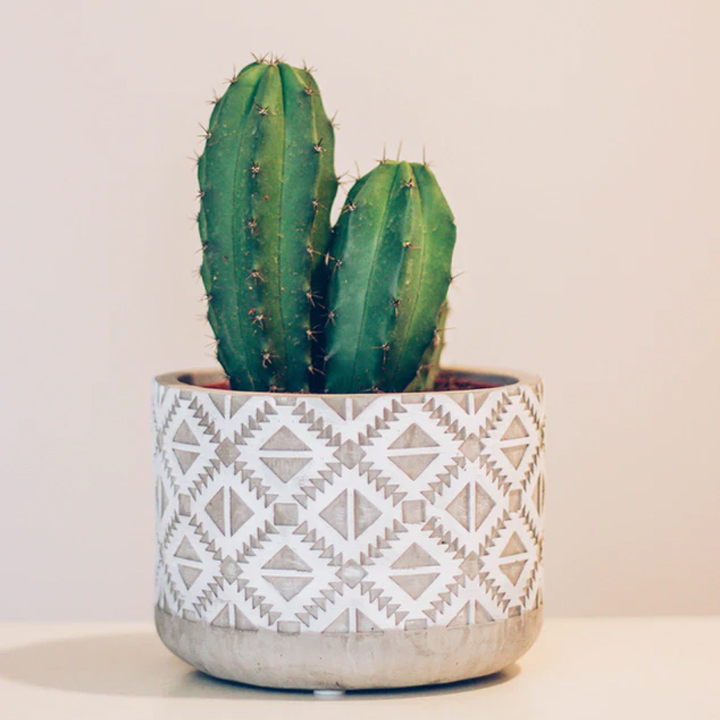
Placing a cactus on your desk isn’t just about plopping it down and calling it a day. It’s an exercise in spatial storytelling. The container matters as much as the plant itself. A terracotta pot, with its earthy tones and porous texture, evokes the desert floor, grounding the cactus in its natural habitat. A sleek, matte-black ceramic pot, on the other hand, transforms it into a modern sculpture, a nod to the industrial aesthetic of office life.
Grouping is another layer of the game. A single cactus is a statement; a cluster is a movement. Arrange three or more in varying heights and shapes to create a miniature landscape. The tallest in the back, the roundest in the middle, the smallest in the front—like a bonsai forest, but with fewer rules and more personality. Add a pebble tray or a shallow dish of water to mimic a desert oasis, and suddenly, your desk isn’t just a workspace. It’s a portal.
Lighting is the final brushstroke. Cacti are sun-worshippers, but office lighting is often a sad imitation of the real thing. A small LED grow light (discreetly placed) can be the difference between a cactus that merely survives and one that thrives. It’s the office equivalent of a vitamin D supplement—a little boost to keep the green alive and the spirit brighter.
The Psychological Benefits: Why Your Brain Needs a Cactus
Science has long sung the praises of biophilic design—the idea that humans are hardwired to seek connections with nature. But a cactus? Isn’t that just a prickly exception? Not quite. Studies show that even indirect exposure to plants can reduce stress, sharpen focus, and boost creativity. The cactus, with its slow growth and quiet presence, is a masterclass in patience. It doesn’t demand instant gratification; it rewards steady attention.
Consider the act of watering it. Unlike a high-maintenance fern that wilts at the slightest neglect, the cactus teaches discipline. You water it once a week, no more, no less. It’s a lesson in consistency—a rare virtue in a world of constant notifications and fleeting trends. And when it blooms? A rare, fleeting spectacle that reminds you that rewards often come after patience. In the office, where burnout lurks like a shadow, the cactus is a gentle nudge: Slow down. Observe. Grow.
There’s also the tactile element. The spines of a cactus are a sensory experience—sharp yet soft, intimidating yet intriguing. Touching it (gently, of course) can be a grounding exercise, a way to reconnect with the physical world in a space dominated by screens. It’s a small rebellion against the digital overload that defines modern work life.
Cacti in Shared Spaces: A Feminist Statement in Green
Offices aren’t just individual cubicles; they’re ecosystems. And in these shared spaces, the cactus becomes more than decor—it’s a feminist act. Historically, women have been conditioned to nurture, to soften, to make spaces inviting at the cost of their own needs. The cactus subverts this. It doesn’t ask for care; it demands respect. It doesn’t apologize for its sharp edges; it owns them. Placing a cactus in a communal area—a break room, a meeting table, a lobby—is a quiet assertion: This space is mine too. I belong here, unapologetically.
It’s also a conversation starter. A cactus on a desk invites curiosity. Coworkers might ask, What kind is it? How do you care for it? Suddenly, you’re not just the person who takes notes in meetings; you’re the one who brings a piece of the desert into the office. It’s a subtle power shift—one that says, I contribute more than just my labor. I contribute beauty, resilience, and a touch of wildness.
In open-plan offices, where personalization is often limited to a family photo or a stress ball, the cactus is a statement of individuality. It says, I choose to surround myself with things that inspire me, not just things that fit the corporate aesthetic.
Maintenance Myths: Dispelling the Cactus Conundrum
There’s a pervasive myth that cacti are the office equivalent of a pet rock—easy to care for, but ultimately inert. This couldn’t be further from the truth. While cacti are undeniably low-maintenance, they’re not maintenance-free. The key is understanding their needs without anthropomorphizing them. They don’t need love; they need light, water, and space to breathe.
Overwatering is the most common mistake. A cactus’ worst enemy isn’t drought; it’s soggy soil. Water it only when the soil is completely dry, and even then, sparingly. Think of it as the office equivalent of a dry martini—strong, but not drowning in its own excess. As for light, a south-facing window is ideal, but if that’s not an option, a grow light will suffice. The cactus doesn’t care about the view; it cares about the rays.
And then there’s the fear of spines. Yes, they’re sharp, but they’re also a reminder that not everything in life is meant to be touched. Respect the cactus’ boundaries, and it will respect yours. It’s a metaphor for professional relationships—clear limits, mutual respect, and no unnecessary pricks.
Beyond the Desk: Cacti in Office Culture
The influence of the cactus doesn’t have to be confined to individual workspaces. Imagine a company-wide initiative: Desert Month, where every desk is adorned with a cactus for a month. It’s a team-building exercise disguised as decor. Employees can swap care tips, share photos of their cacti blooming, and even host a Cactus Appreciation Day with prickly pear margaritas (non-alcoholic for the office, of course).
Or consider the cactus as a gift. In a world where corporate swag often consists of cheap pens and stress balls, a thoughtfully chosen cactus is a breath of fresh air. It’s a gift that says, I see you. I want you to thrive. It’s the antithesis of the generic “You’re doing great!” email—tangible, lasting, and a little bit rebellious.
Even in remote work, the cactus can bridge the gap between home and office. A windowsill garden of cacti becomes a ritual—a way to mark the transition from personal space to professional headspace. Watering them in the morning, watching them bask in the afternoon sun—it’s a mindfulness practice wrapped in green.
FAQ
What are the best cacti for office decor?
Some great options include the Zamioculcas zamiifolia, Echeveria, Saguaro, and Mammillaria, each offering unique aesthetics and care requirements.
How do I care for a cactus in the office?
Cacti require minimal watering—only when the soil is completely dry—and prefer bright, indirect light. Avoid overwatering, which is their main enemy.
What are the psychological benefits of having cacti in the office?
Cacti can reduce stress, enhance focus, and improve creativity by fostering a connection with nature in a workspace.

Leave a Reply