
Short Answer
Have you ever stood beneath a blazing sun, squinting at a prickly sentinel of the desert, and wondered: what secrets do these spiky survivors hold? Cacti—those stoic, silent guardians of arid landscapes—are far more than mere botanical curiosities. They are architectural marvels, ecological powerhouses, and, for the intrepid traveler, a siren call to adventure. But where, oh where, can one immerse themselves in the wild, untamed beauty of these desert denizens? Buckle up, fellow wanderer, because we’re about to embark on a journey to the most breathtaking cacti hotspots on the planet—where the air hums with resilience, and every spine tells a story.
The Sonoran Desert: Where Cacti Throw the Most Epic Party on Earth
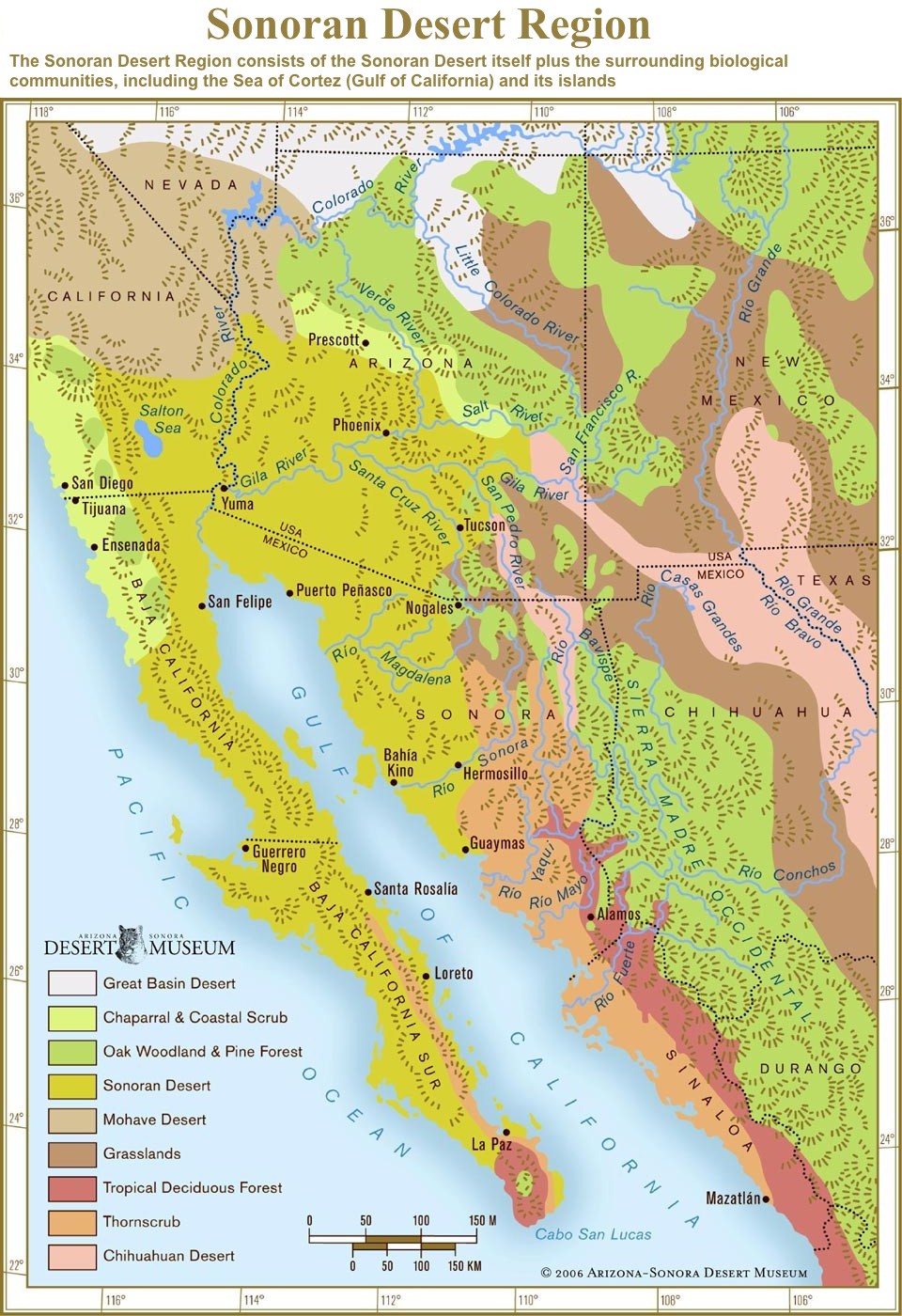
Imagine a place where the sun doesn’t just shine—it *dances*. The Sonoran Desert, sprawling across Arizona, California, and Mexico’s Baja California, is the undisputed cacti capital of the world. Here, the saguaro cactus—tall, proud, and impossibly photogenic—stands like a sentinel of the wild west. Towering up to 40 feet, these giants can live for over 150 years, their arms outstretched as if beckoning travelers into their arid embrace. But the Sonoran isn’t just about saguaros. It’s a biodiversity bonanza, where barrel cacti bloom in fiery reds, prickly pears blush pink, and the ocotillo’s whip-like stems sway like dancers in the wind.
Yet, this desert doesn’t give up its treasures easily. The challenge? Timing. Cacti are punctual in their blooming—some only unfurl their vibrant petals for a fleeting week or two each year. Miss the window, and you’ll be left with a landscape of green spires and thorns, still stunning, but missing that electric burst of color. So, when to go? Aim for late spring (April–May) or early summer (June), when the desert is at its most extravagant. And don’t forget your wide-brimmed hat—this is no place for sunburned egos.
The Atacama Desert: A Cacti Oasis in the Driest Place on Earth
Now, let’s talk extremes. The Atacama Desert in Chile is so parched, NASA tests Mars rovers here. Yet, against all odds, it’s also home to some of the most otherworldly cacti on the planet. The Eulychnia iquiquensis, a columnar cactus with a crown of spiny branches, clings to rocky outcrops like a stubborn survivor. Near the coastal fog zones, the Copiapoa cacti form dense, cushion-like clusters, their ribbed bodies glistening with moisture harvested from the mist. It’s a surreal sight—life thriving in a place that seems to have forgotten how to rain.
The challenge here isn’t just the lack of water; it’s the altitude. Many cacti hotspots in the Atacama sit at elevations where the air is thin and the sun is relentless. Altitude sickness is a real foe, so take it slow, hydrate like a camel, and maybe—just maybe—pack a few extra layers for those chilly desert nights. But oh, the rewards! The Atacama’s cacti are like silent poets, whispering tales of endurance in a land that refuses to yield.
The Chihuahuan Desert: A Hidden Gem of Cacti Diversity
Sandwiched between the U.S. and Mexico, the Chihuahuan Desert is a cacti lover’s dream—a sprawling, sunbaked canvas where over 300 species of these spiny wonders thrive. Here, the peyote cactus, sacred to Indigenous cultures, grows in secret pockets, its small, spineless form a symbol of both mystery and reverence. Then there’s the Mexican fence post cactus, a towering, ribbed giant that looks like it was plucked from a sci-fi movie. And let’s not forget the living rock cactus, a master of disguise with its mottled, stone-like exterior that blends seamlessly into the desert floor.
The challenge in the Chihuahuan? Navigation. This desert is vast, and many of its cacti hide in remote, rugged terrain. A 4×4 vehicle is almost a necessity, and a trusty GPS won’t hurt—though, let’s be honest, half the fun is getting delightfully lost. But when you stumble upon a field of blooming hedgehog cacti, their magenta flowers a stark contrast against the ochre soil, you’ll realize it was all worth it.
The Mojave Desert: Where Cacti and Hollywood Collide
Ah, the Mojave—home to Death Valley’s scorching dunes and the Joshua trees that look like they’ve been plucked from a Tim Burton film. But beyond the postcard-perfect landscapes, the Mojave is a cacti playground. The beavertail cactus, with its flat, paddle-like pads, is a favorite for its striking magenta blooms in spring. Then there’s the Mojave mound cactus, a small, round marvel that seems to defy gravity as it clings to rocky slopes. And let’s not overlook the prickly pear, whose fruit—once peeled—reveals a sweet, tangy treasure that’s been foraged by desert dwellers for centuries.
The challenge in the Mojave? The heat. Summer temperatures can soar past 120°F (49°C), turning a leisurely hike into a grueling endurance test. But here’s a pro tip: embrace the early bird lifestyle. Wake up before dawn, hike while the air is still cool, and watch as the desert awakens in a symphony of golden light. By midday, you’ll be sipping iced tea in the shade, recounting your adventures to anyone who’ll listen.
Cacti Conservation: How to Wander Without Wounding
Before you lace up your boots and charge into the wild, let’s talk ethics. Cacti are not just Instagram props—they’re vital players in their ecosystems. Trampling them, carving your initials into their stems, or uprooting them for your garden is not just rude; it’s ecological sabotage. So, how to be a responsible cacti chaser? Stick to marked trails, resist the urge to pocket a stray cactus (even if it’s tiny), and never, ever buy wild-collected specimens. Support nurseries that cultivate cacti sustainably, and if you’re lucky enough to spot a rare bloom, take a photo—don’t pick it.
The challenge here is self-restraint. It’s tempting to want a piece of the desert to take home, but remember: the best souvenirs are memories, not stolen flora. Leave no trace, and you’ll ensure these spiky wonders remain for generations of wanderers to marvel at.
The Ultimate Cacti Chase: Planning Your Expedition
So, you’re ready to embark on your cacti quest. But where to start? Begin with research—each desert has its own personality, its own rhythm. Pack light but smart: breathable clothing, sturdy boots, plenty of water, and a field guide to help you identify your prickly companions. And don’t forget your camera—these cacti are photogenic in the extreme.
The challenge? Patience. Cacti don’t perform on demand. Some may take decades to bloom. Others may only reveal their secrets to those who wait, watch, and listen. But when you finally stand beneath a canopy of saguaros at sunset, their silhouettes etched against a fiery sky, you’ll understand: this isn’t just a trip. It’s a pilgrimage to the heart of the wild.
So, are you ready to answer the call of the cacti? The desert is waiting.
FAQ
When is the best time to see cacti blooming in the wild?
The best time to see cacti blooming varies by desert; for example, the Sonoran Desert is most vibrant from late spring to early summer (April to June).
What are some challenges when visiting cacti habitats?
Challenges include extreme heat, altitude sickness, difficult terrain, and the need for proper timing to see blooms.
How can travelers responsibly enjoy viewing wild cacti?
By sticking to marked trails, not picking or damaging plants, and supporting sustainable nurseries instead of wild collection.
Which deserts are known for their unique cacti species?
The Sonoran, Atacama, Chihuahuan, and Mojave deserts are famous for their diverse and unique cacti populations.
What equipment is recommended for a cactus viewing expedition?
Breathable clothing, sturdy boots, plenty of water, a field guide, GPS, and a camera are recommended.



Leave a Reply