
Short Answer
The cactus, a resilient emblem of arid landscapes, weaves itself through the fabric of Brazilian culture with a tenacity that mirrors the spirit of its people. From the sun-scorched expanse of the Caatinga biome to the verdant pockets of urban gardens, this spiky sentinel tells stories of survival, adaptation, and creativity. Its presence is not merely botanical but deeply cultural, shaping traditions, cuisines, and even artistic expressions. This exploration delves into the multifaceted role of cacti in Brazil, revealing how they bridge the gap between wilderness and urbanity, tradition and innovation.
The Caatinga’s Unyielding Guardian: Cacti as Symbols of Resilience
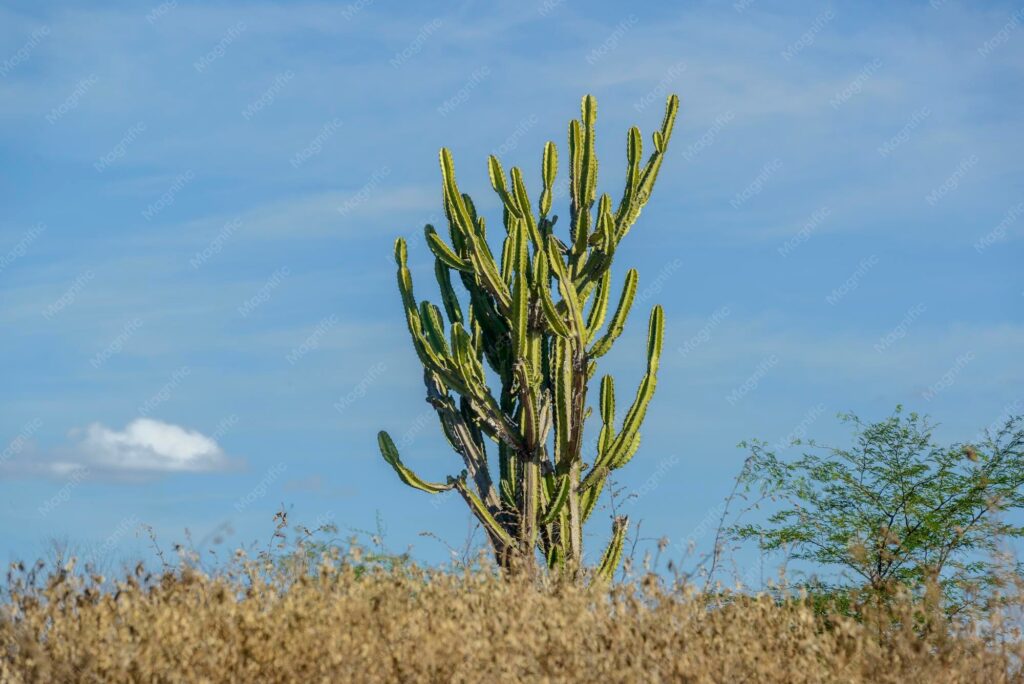
The Caatinga, Brazil’s sole exclusively national biome, is a land of paradoxes—where the earth cracks under the relentless sun, yet life persists in the most unexpected forms. Here, cacti reign supreme, their fleshy stems and sharp spines a testament to evolutionary ingenuity. The mandacaru, with its towering, columnar silhouette, stands as a sentinel of this harsh terrain, its white blooms a fleeting but dazzling spectacle during the rainy season. These plants are not passive survivors; they are active participants in their ecosystem, providing sustenance and shelter to a myriad of creatures. For the communities that call the Caatinga home, cacti are more than flora—they are lifelines. Their fruits, like the umbu and the xique-xique, are culinary treasures, while their fibers have been repurposed for centuries in crafts and construction. The cactus, in this context, is a symbol of endurance, a living metaphor for the human capacity to thrive against the odds.
From Desert to Table: The Culinary Alchemy of Cacti
Beyond their ecological roles, cacti have carved a niche in Brazilian gastronomy, their flavors and textures transforming ordinary dishes into extraordinary experiences. The palmito, harvested from certain cactus species, is a delicacy that graces tables from the Northeast to the Amazon, its delicate, slightly tangy taste a nod to the land’s diversity. Meanwhile, the prickly pear, or *palma forrageira*, has become a staple in the diets of rural communities, its pads a source of vitamins and its fruits a sweet indulgence. In urban kitchens, chefs are reimagining these ingredients, infusing cactus-based dishes with modern flair. Imagine a ceviche where the acidity of lime dances with the mucilaginous crunch of cactus stems, or a dessert where the floral notes of cactus flowers elevate a simple mousse to new heights. The culinary journey of cacti is one of reinvention, where tradition meets innovation in every bite.
Artistic Thorns: Cacti in Visual and Literary Expression
The cactus’s striking form has long captivated artists and writers, its stark silhouette a canvas for creativity. In visual arts, it appears as a recurring motif—whether in the vibrant canvases of Tarsila do Amaral, where it symbolizes the Brazilian soul, or in the intricate woodblock prints of contemporary artists who explore its geometric beauty. Literature, too, has been enchanted by the cactus. Poets like João Cabral de Melo Neto have immortalized its resilience in verses that echo the arid landscapes of the Northeast, while modern storytellers use it as a metaphor for human tenacity. Even in street art, the cactus emerges as a symbol of resistance, its thorns a reminder of the sharp edges of life that must be navigated with care. The cactus, in this sense, is not just a plant—it is a muse, a muse that challenges and inspires in equal measure.
Urban Oases: Cacti in Contemporary Landscapes
As cities sprawl and green spaces dwindle, cacti have found a new home in urban gardens and rooftops, their low-maintenance nature making them ideal companions for modern living. In São Paulo’s concrete jungle, vertical gardens bristle with cacti, their spiny forms adding texture and life to otherwise sterile facades. These urban cacti are not mere decorative elements; they are ecological warriors, combating air pollution and providing habitats for pollinators in a world that often forgets the importance of biodiversity. Moreover, they serve as a reminder of Brazil’s diverse ecosystems, bridging the gap between the wild and the cultivated. In apartments and balconies, cacti thrive under the care of urban dwellers who see in them a piece of the Caatinga’s spirit—a small but potent act of defiance against the homogenization of urban spaces.
Cultural Rituals and Folklore: The Cactus in Tradition
Deeply embedded in Brazilian folklore, the cactus is a character in stories that have been passed down through generations. In the Northeast, it is said that the mandacaru’s blooms foretell the rains, a natural oracle that guides farmers in their planting cycles. Legends speak of cacti as guardians of hidden treasures, their spines a deterrent to those who would disturb the earth’s secrets. During festive seasons, cacti adorn homes and streets, their presence a symbol of prosperity and protection. Even in religious practices, cacti play a role, their extracts used in remedies and rituals that blend indigenous and Afro-Brazilian traditions. The cactus, in these contexts, is more than a plant—it is a cultural artifact, a living relic of Brazil’s rich and complex heritage.
Sustainable Innovations: Cacti as Agents of Change
In an era of environmental crisis, cacti are emerging as unlikely heroes in the quest for sustainability. Their ability to thrive in drought conditions makes them ideal candidates for reforestation projects in degraded lands. Scientists are exploring their potential in biofuel production, while entrepreneurs are developing cactus-based textiles and biodegradable packaging. The *palma forrageira*, for instance, is being studied for its capacity to sequester carbon, offering a glimmer of hope in the fight against climate change. In urban settings, cacti are being integrated into green roofs and walls, reducing the urban heat island effect and promoting biodiversity. These innovations are not just technological feats; they are a testament to the cactus’s versatility and its potential to drive sustainable development in Brazil and beyond.
Conclusion: The Cactus as a Living Metaphor
The cactus, with its paradoxical blend of fragility and strength, is a living metaphor for Brazil itself—a land of contrasts where beauty and hardship coexist. From the Caatinga’s sunbaked plains to the glass towers of São Paulo, it thrives, adapts, and inspires. It is a symbol of resilience, a culinary delight, an artistic muse, and a champion of sustainability. In every thorn and bloom, it tells a story of survival, creativity, and connection to the land. As Brazil continues to evolve, the cactus remains a steadfast reminder of the enduring power of nature—and the human spirit that finds a way to flourish, no matter the circumstances.
FAQ
What role do cacti play in Brazilian culture?
Cacti symbolize resilience and adaptation, influencing culinary practices, artistic expressions, and cultural rituals.
How are cacti used in Brazilian cuisine?
Cacti are incorporated into various dishes, such as ceviches and desserts, showcasing their unique flavors and textures.





Leave a Reply