
Short Answer
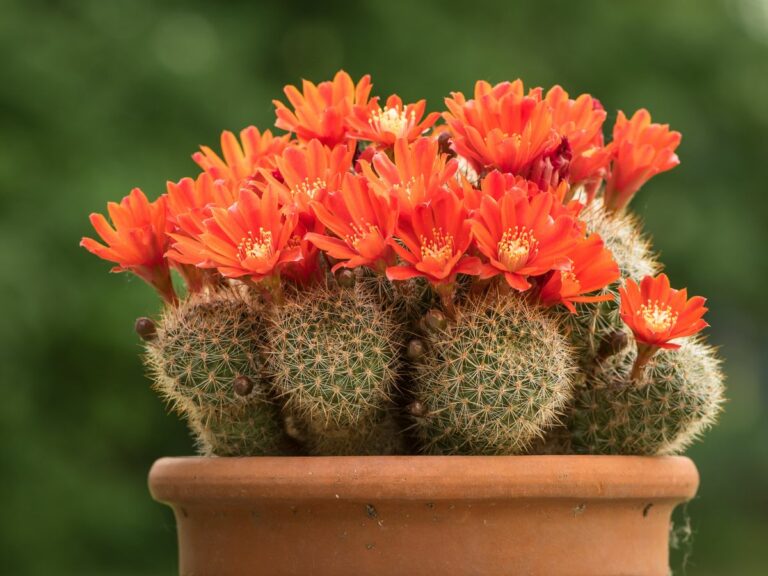
There’s an undeniable magic that blooms silently in the spiny embrace of the Rebutia cactus. Unlike many desert dwellers that conceal their beauty beneath austere exteriors, Rebutia reveals itself flamboyantly through its vivid, delicate flowers. Observers often marvel, not just at the bursts of color, but at the subtle orchestration occurring beneath the surface—a botanical symphony that captivates both seasoned horticulturists and casual admirers alike. The enchantment of Rebutia flowering isn’t merely an aesthetic delight; it’s a doorway to understanding the intricate dialogue between environment, physiology, and patient devotion. How exactly does one coax these botanical jewels to bloom with vigor and radiance? The answer is as much art as it is science.
The Allure of Rebutia Blooms: A Botanical Rhapsody
Rebutia’s flowering spectacle is more than just a seasonal display—it represents a celebration of survival and adaptation. These small globular cacti, native to the high altitudes of the Andes, have evolved to flower prolifically despite harsh climates where few other plants thrive. Their radiant flowers, often dazzling in hues of fiery orange, crimson, yellow, and pink, create a stark contrast against the otherwise muted tones of their spiny bodies. Such dramatic bursts evoke a primal fascination, hinting at the resilience and tenacity embedded deep within their DNA. This fascination stirs a desire to replicate their blooming success indoors or in garden sanctuaries, where one can witness their vital rhythms up close.


Understanding the Natural Habitat: The Foundation for Bloom Success
For all its charm, successful Rebutia flowering hinges on understanding the environmental tableau it naturally inhabits. These cacti are mountain dwellers, accustomed to brisk days and chilly nights, with well-defined wet and dry seasons. The diurnal temperature swings stimulate physiological processes that encourage flower bud formation. Mimicking these conditions is paramount; warmth and intense, yet diffused light during the day followed by cooler temperatures at night create the perfect bloom-inducing stress.
If the cues from nature are muted or ignored, the plant’s memory of its native habitat cannot be activated. This is why growers often find potted Rebutias defying the odds when they provide a period of dormancy during winter—cool, dry, and restful. Without this seasonal rhythm, the cactus remains vegetative, withholding its floral generosity. The interplay between environment and flowering is a profound reminder that thriving is not just about survival but responding actively to one’s surroundings.
Light: The Crucible of Color and Vitality
Nothing fuels the Rebutia’s botanical heart more than sunlight—though not every ray is nurturing. These cacti favor bright, indirect sunlight or morning sun piercing the shadows, exposing them just enough to energize their chlorophyll without scorching delicate tissues. Intense southern or western exposure often spells disaster in hotter climates, resulting in faded coloration or sunburn, which inhibits flower development.
Optimizing light exposure is an alchemical balancing act. Too little, and the cactus becomes etiolated, stretching toward an elusive source of energy, producing weak or absent blooms. Too much, and the succulent’s protective defenses kick in, prioritizing survival over reproduction. Positioning Rebutia on a windowsill receiving filtered sunlight or beneath a translucent shade cloth outdoors often yields spectacular results.
Watering Rituals: Quenching Without Drowning
Watering demands a nuanced approach, often the Achilles’ heel of would-be Rebutia bloomers. These plants flourish on a diet of sparing hydration. Overindulgence drowns their roots, provoking rot and stunting floral development. Instead, watering must be a precise ritual, respecting the cactus’s seasonal needs.
During the active growing months—spring and summer—the soil should be moistened thoroughly but allowed to dry completely between sessions. This dry-down period simulates natural rainfall patterns in the Andes, giving roots time to breathe and signaling the plant to invest energy into flowers rather than mere survival. Come autumn, watering should taper off, preparing the cactus for its critical rest phase in winter, which is essential for flower primordia to form.
Feeding the Bloom: The Role of Fertilization
While deserts are known for their sparse nutrients, cultivated Rebutias benefit significantly from judicious fertilization. Balanced feeding with a cactus-specific fertilizer—one rich in phosphorus and potassium—stimulates bud production and vibrancy. The timing of fertilization can make or break a flowering season; feeding monthly during the growth phase encourages energy reserves that power the show-stopping blooms.
Yet, too much nitrogen or overfertilizing can shift the cactus’s focus from flowering to rampant stem growth, leading to weaker blooms or none at all. Precision and restraint underscore the feeding regimen, mimicking nature’s limited nutrient pulses rather than a constant buffet.
Repotting and Soil: Crafting a Bloom-Enabling Matrix
A subtle yet essential factor in Rebutia flowering success lies beneath the soil surface. Root health and substrate composition dictate the plant’s vitality. Well-aerated, fast-draining soil—typically a gritty mixture of pumice, sand, and organic matter—prevents water retention that can lead to rot and fungal issues.
Repotting every two to three years rejuvenates root systems and refreshes the medium, eliminating compacted or depleted earth. This act of renewal encourages robust root respiration and nutrient uptake, laying the foundation for vigorous flowering. Crowded pots may encourage clusters of offset growth but can sometimes reduce flower size or frequency. Striking the right balance between root space and plant stability is critical.
Patient Observation: The Blooming Reward of Persistence
Perhaps the most profound lesson in coaxing Rebutia blooms is patience. These cacti do not bloom on command. They respond to subtle shifts of care, environment, and time. Each bloom is a badge of honor—proof of attentive stewardship and harmony with the plant’s natural rhythms. Watching a tiny bud swell patiently over weeks and finally unfurl into a burst of vivid color evokes a unique thrill and deep satisfaction.
Many enthusiasts find themselves mesmerized not only by the flowers themselves but by the resilience and adaptation story they tell. The Rebutia’s flowering is thus a window into the remarkable ephemerality and persistence of life within seemingly stubborn spines.

Conclusion: Embracing the Dance of Nature and Nurture
To unlock the best blooms of a Rebutia is to engage in a delicate dance—heeding the rhythms of nature while skillfully tailoring care practices. It involves creating just the right conditions: temperature fluctuations that mimic the Andes, light that energizes without harming, water delivered with precision, and nutrients provided with generosity yet careful moderation. Most importantly, it requires patience, a willingness to observe and adapt, appreciating the plant’s silent language.
The fascination with Rebutia flowering transcends mere visual pleasure; it encompasses a profound respect for resilience and the triumph of beauty in adversity. Each bloom offers not only ephemeral brilliance but also a narrative of survival, care, and the intimate relationship between a gardener and nature’s enduring marvels.
FAQ
What conditions do Rebutia cacti need to bloom?
Rebutia cacti require bright, indirect sunlight, well-draining soil, and a specific watering schedule that mimics their natural habitat, including a dormancy period in winter.
How often should I water my Rebutia cactus?
Watering should occur during the active growing months, allowing the soil to dry completely between sessions. In autumn, watering should taper off to prepare the cactus for winter dormancy.
FAQ
What conditions do Rebutia cacti need to bloom?
Rebutia cacti require bright, indirect sunlight, well-draining soil, minimal watering, and temperature fluctuations to thrive and produce blooms.
How often should I water my Rebutia cactus?
Water your Rebutia cactus thoroughly during the growing season, allowing the soil to dry completely between waterings. Reduce watering in the autumn and winter.

Leave a Reply