
Short Answer
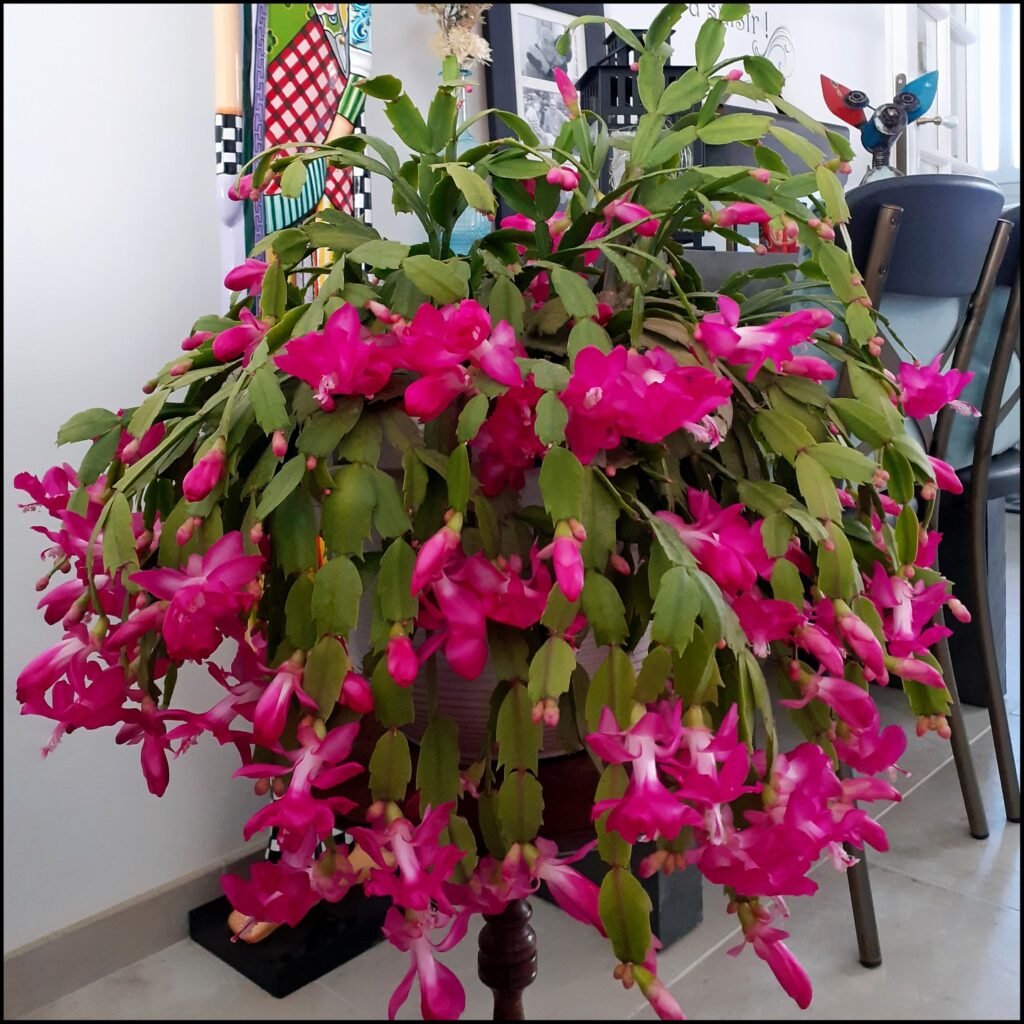
The enchanting world of Schlumbergera species, often simply known as Christmas cacti or Thanksgiving cacti, unveils a kaleidoscope of vivid blooms and intricate botanical beauty. These captivating succulents have transcended mere ornamental status to become cherished contenders in homes across the globe, celebrated not only for their vibrant floral displays but also for their intriguing growth habits and cultural significance. Exploring the most popular Schlumbergera types reveals an abundant diversity, each bringing unique charm that enchants plant enthusiasts and casual admirers alike.
An Overview of Schlumbergera: Origins and General Characteristics
Schlumbergera species are epiphytic cacti native to the misty coastal mountains of southeastern Brazil. Unlike the stereotypical desert cacti, they thrive in humid, shaded environments and often cling to tree branches or rocky outcrops. This adaptability hints at the soft, segmented stems and breathtaking flower shapes that distinguish them from other succulents. The general morphology includes flattened, leaf-like cladodes and tubular, trumpet-shaped flowers that usually bloom in late autumn or winter, offering a vibrant spectacle when most plants retreat into dormancy.

Schlumbergera truncata: The Thanksgiving Cactus
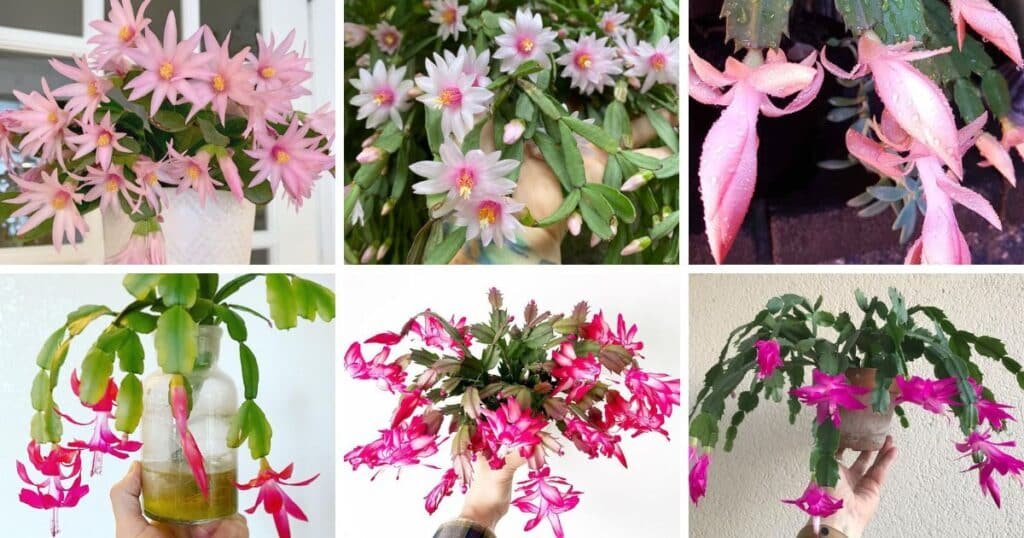
Recognized for its jagged, claw-like stem segments that end in sharp teeth, Schlumbergera truncata is commonly dubbed the Thanksgiving cactus. This variety blooms predominantly around late November in North America, coinciding with the holiday it is named after. With flowers that flaunt hues ranging from deep magentas and scarlets to soft pinks and whites, this cactus is a dazzling example of natural adaptation to cooler, shorter days. Its blossoms exhibit a distinctive horizontal orientation, allowing pollinators easy access in its native habitat.
Nordic gardeners prize Schlumbergera truncata for its hardy nature and relatively early bloom time, making it a festive addition to seasonal décor. Its cultivation demands mimic its native rainforest environment: indirect bright light, moderate humidity, and well-drained soil formulated to prevent waterlogging—conditions that reward growers with prolific flowering.
Schlumbergera russelliana: The Easter Cactus
Diverging from its Thanksgiving cousin, Schlumbergera russelliana, known as the Easter cactus, fascinates with rounded stem segments edged softly, lacking the pronounced “claws” of truncata. Sporting bright magenta to crimson star-shaped flowers, this species bursts into bloom in early spring—typically around Easter time—which has earned it its charming moniker.
Beyond its floral elegance, Schlumbergera russelliana displays remarkable adaptability in controlled environments and holds cultural relevance in South America, where it is often gifted to symbolize new beginnings and renewal. Its cultivation can be slightly more demanding, favoring cooler night temperatures and a precise watering regimen that balances moisture without saturating the soil.
Schlumbergera bridgesii: The Lesser-Known Gem
Among the rarer cultivars, Schlumbergera bridgesii emerges with delicate, lemon-yellow flowers that contrast vividly against its lush green cladodes. This species is seldom found in commercial nurseries, making it a coveted specimen for collectors and botanical gardens. Its subtler floral hues add an exquisite variety to the Schlumbergera genus palette dominated by reds and pinks.
The understated charm of bridgesii lies in its subtle fragrance and comparatively compact growing habit, ideal for indoor cultivation. A patient grower seeking diversity will find this species a rewarding challenge, especially when providing consistent indirect light and high humidity that mimic its native cloud forest origins.
Hybrid Varieties: The Blossoming Diversity of Schlumbergera
The diversity of Schlumbergera species is expanded extensively through hybridization, yielding a spectacular array of flower colors, forms, and blooming times. Hybrid cultivars may display bi-color petals, ruffled edges, or prolonged flowering periods that delight enthusiasts year-round. These hybrids often blend the robustness of truncata with the elegance of russelliana, creating resilient plants with untamed floral vigor.
Popular hybrids include ‘Goldiana,’ renowned for its chartreuse flowers, and ‘Buckleyi,’ which boasts large, flamboyant, hot-pink blossoms. Through selective breeding, the horticultural world has unlocked an expansive spectrum of possibilities, encouraging both novices and aficionados to experiment with propagation and crossbreeding techniques.
Care and Cultivation Tips for Optimal Growth
Successful cultivation of Schlumbergera species hinges on replicating their native environmental conditions as closely as possible. Bright, indirect light is paramount; direct sun can scorch their flattened stems, while too little light impedes flowering. Soil should be a porous mix, typically combining peat moss and perlite to maintain moisture without fostering root rot.
Watering schedules require mindfulness—too frequent watering risks fungal diseases, while dryness can cause premature flower drop and stunted growth. Winter dormancy demands cooler temperatures (around 50-55°F) and minimal watering to encourage bud formation. Fertilization with a balanced, diluted fertilizer during the growing season supports healthy stems and vibrant blooms. Moreover, these species appreciate humid environments, so regular misting or use of humidity trays can be beneficial.
Propagation: Extending the Legacy of Schlumbergera
Propagation of Schlumbergera is both accessible and rewarding. Stem cuttings harvested from healthy segments root readily in moist, well-draining soil. This vegetative method ensures the offspring retain the parent plant’s traits, enabling gardeners to multiply prized hybrids or maintain species purity. Softwood cuttings taken during active growth periods root more swiftly, often establishing new plants within a few weeks.
Seed propagation is also feasible but less common due to longer germination periods and variability in offspring traits. Gardeners seeking to experiment with creating new hybrids might pursue seed starting as a long-term endeavor, adding to the genus’s already vibrant diversity.
Seasonal Significance and Cultural Impact
Schlumbergera’s flowering times have embedded them deeply into holiday traditions, particularly in North America and Europe. Christmas and Thanksgiving cacti are gifts symbolizing warmth, resilience, and festivity, bridging botanical wonder with cultural celebration. Their presence on windowsills during winter months offers a burst of natural color and a reminder of life’s persistent beauty amidst cold and darkness.
In South America, where these plants originate, they also carry spiritual symbolism and have been integrated into local folklore. Their blooming is often viewed as a herald of change, growth, and continuity—messages that resonate universally with all who behold their vibrant petals.
Exploring the myriad species and hybrids of Schlumbergera opens a passage not only to horticultural mastery but also to a deeper appreciation of botanical artistry. Whether you’re captivated by the serrated elegance of the Thanksgiving cactus or the delicate hues of the rare bridgesii, these succulents promise enchantment at every stage of growth and bloom. Cultivating them is more than a hobby—it’s an invitation to connect with nature’s intricate designs and celebrate the enduring magic of plant life.
FAQ
What are the main types of Schlumbergera?
The main types of Schlumbergera include Schlumbergera truncata (Thanksgiving cactus), Schlumbergera russelliana (Easter cactus), and Schlumbergera bridgesii.
How do I care for a Schlumbergera cactus?
Schlumbergera cacti prefer bright, indirect light, well-draining soil, and moderate humidity. Watering should be done carefully to avoid root rot.
FAQ
What is the difference between Christmas and Thanksgiving cacti?
Christmas cacti (Schlumbergera bridgesii) bloom in December, while Thanksgiving cacti (Schlumbergera truncata) bloom in late November.
How do you care for Schlumbergera species?
Provide bright, indirect light, moderate humidity, and well-drained soil. Water carefully to avoid root rot.
FAQ
What are the main types of Schlumbergera?
The main types include Schlumbergera truncata (Thanksgiving cactus), Schlumbergera russelliana (Easter cactus), and Schlumbergera bridgesii.
How do I care for a Schlumbergera cactus?
Provide bright, indirect light, maintain moderate humidity, and use well-draining soil. Water cautiously to prevent root rot.
FAQ
What are Schlumbergera species?
Schlumbergera species are epiphytic cacti native to Brazil, known for their vibrant blooms and cultural significance.
How do you care for Thanksgiving cacti?
Thanksgiving cacti require bright, indirect light, moderate humidity, and well-drained soil.
What is the difference between Thanksgiving and Christmas cacti?
Thanksgiving cacti bloom in late November, while Christmas cacti bloom in December, with differences in stem morphology.
FAQ
What is a Schlumbergera?
Schlumbergera, commonly known as Christmas or Thanksgiving cacti, are epiphytic cacti native to Brazil, known for their vibrant blooms.
How do you care for Schlumbergera plants?
They thrive in bright, indirect light and require moderate humidity, well-drained soil, and a specific watering schedule to prevent root rot.


Leave a Reply