

Short Answer
The desert is not a place of absence, but a canvas of resilience. Where life persists in the most arid of conditions, it does so with a quiet tenacity that feels almost sacred. Among the most emblematic of these survivors are cacti—those stoic sentinels of the sand, whose very presence seems to whisper ancient truths about endurance, transformation, and inner stillness. It is no wonder, then, that these prickly botanical marvels have found their way into meditation spaces, not merely as decorative elements, but as profound symbols and allies in the pursuit of spiritual clarity.
The Allure of the Arid: Why Cacti Captivate the Meditative Mind
There is something inherently meditative about the cactus. Its silhouette, often jagged and unyielding, stands in stark contrast to the softness of more traditional meditation imagery—lush forests, tranquil waters, or blooming meadows. Yet, this very contrast is what makes the cactus so compelling. It embodies a paradox: a plant that thrives where others wither, storing life in its spiny exterior, transforming scarcity into abundance. This duality mirrors the human experience—our ability to find light in darkness, to cultivate peace amid chaos. When we place a cactus in a meditation space, we are not just inviting a plant; we are inviting a teacher, one that reminds us that stillness does not require gentleness, but rather an unshakable core.
Silent Witnesses: The Symbolism of Cacti in Spiritual Practice
Cacti are more than mere flora; they are living metaphors. Their slow growth, often spanning decades, teaches patience. Their ability to bloom in the harshest conditions speaks to the power of transformation. In many indigenous traditions, desert plants are revered as guardians of wisdom, their resilience a reflection of the human spirit’s capacity to endure and evolve. Placing a cactus in a meditation space is an act of intentional symbolism—it becomes a focal point for contemplation on impermanence, adaptability, and the beauty of survival. The spines, often seen as defensive, can also be interpreted as protective, a reminder that boundaries are not barriers but necessary frameworks for growth.

Prickly Teachers: Lessons in Boundaries and Self-Care
One of the most overlooked aspects of cactus symbolism is its spines. In a world that often glorifies openness and vulnerability, the cactus offers a counterpoint: the necessity of boundaries. Just as the cactus protects its precious moisture with sharp defenses, we too must learn to safeguard our energy, our time, and our emotional well-being. Meditating with a cactus nearby can serve as a gentle yet firm reminder that self-care is not selfish—it is survival. The act of tending to a cactus—watering it sparingly, ensuring it receives the right amount of light—mirrors the care we must extend to ourselves. In this way, the cactus becomes a mirror, reflecting back the importance of nurturing our own inner deserts.
The Alchemy of Stillness: How Cacti Foster Deep Meditation
There is a unique energy to a space adorned with cacti. Unlike the fleeting beauty of cut flowers or the transient freshness of seasonal blooms, cacti exude a timeless presence. Their slow, deliberate growth patterns invite us to slow down, to breathe, to observe. In meditation, where the mind often races like a desert wind, the cactus acts as an anchor. Its unchanging form—a constant amidst the flux of thoughts—provides a visual cue to return to the present moment. The act of focusing on its silhouette, its texture, its quiet endurance, can ground even the most restless of minds. It is as if the cactus, in its silent way, whispers: Breathe. Persist. You are enough.
Beyond Aesthetics: The Scientific and Spiritual Synergy
While the spiritual significance of cacti in meditation is undeniable, there is also a growing body of research that supports their presence in such spaces. Studies on biophilic design—the innate human connection to nature—suggest that even the most minimalist of natural elements can reduce stress, lower blood pressure, and enhance cognitive function. The cactus, with its striking form and low-maintenance nature, is a perfect embodiment of this principle. Its presence in a meditation room is not just symbolic; it is a practical investment in well-being. The act of caring for a living plant, even in its small way, fosters a sense of responsibility and connection that transcends the purely aesthetic.
Cultivating a Cactus Sanctuary: Practical Tips for Integration
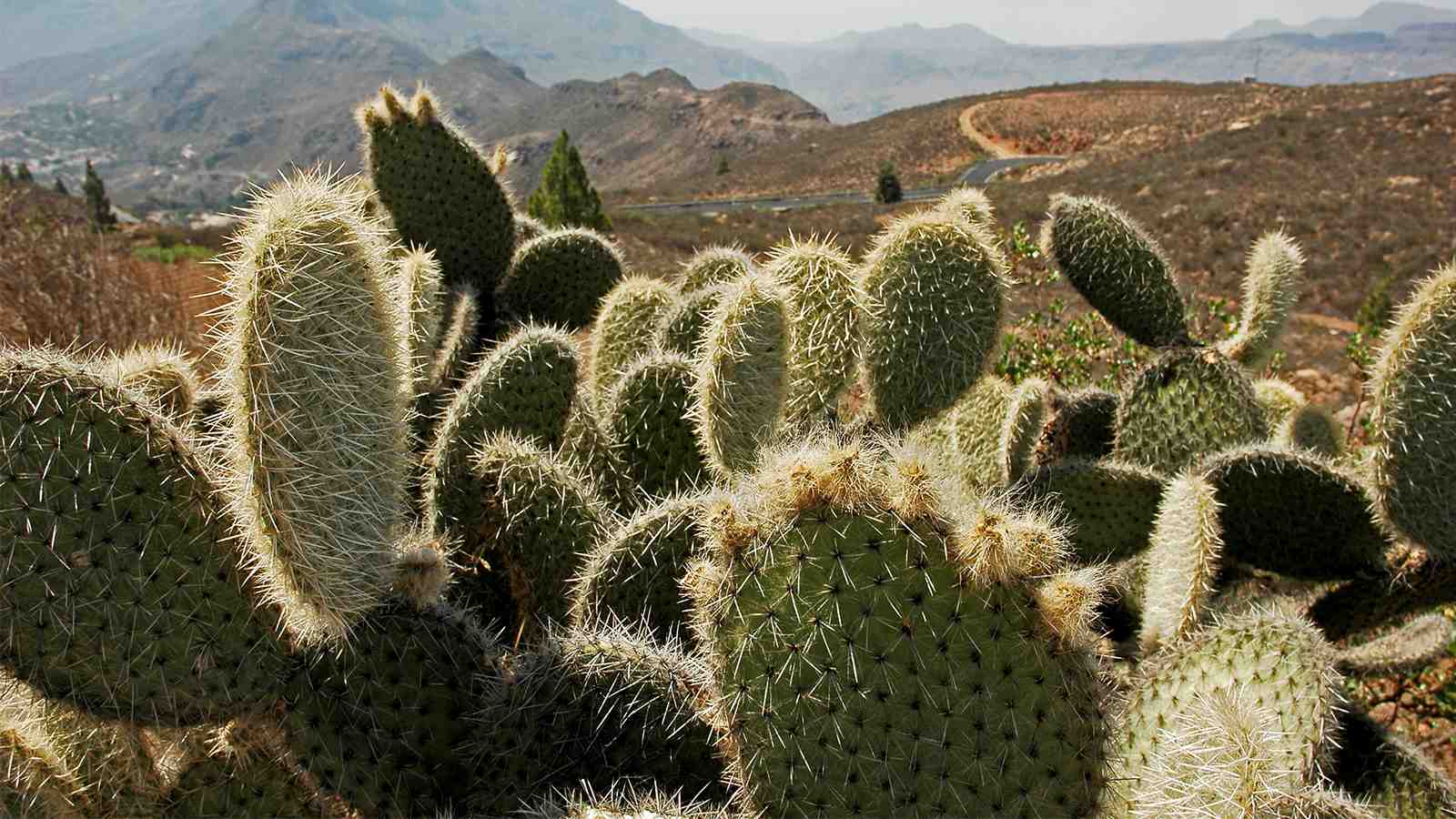
Incorporating a cactus into a meditation space need not be complicated. Begin with intention: choose a cactus that resonates with you, whether for its shape, its color, or its symbolic meaning. Place it where it can be seen but not obstructed—perhaps on a windowsill, a shelf, or a dedicated altar. Pair it with other elements that enhance its energy, such as smooth stones, which can symbolize endurance, or a small dish of water, representing the balance between scarcity and abundance. As you meditate, allow your gaze to rest on the cactus, using its form as a point of focus. Notice its details—the way the spines catch the light, the subtle shifts in its color over time. Let it remind you that growth, even in the most inhospitable of environments, is possible.
The Desert’s Gift: A Reminder of Inner Abundance
Perhaps the most profound lesson the cactus offers is this: abundance is not found in excess, but in sufficiency. The desert, often seen as barren, is in fact teeming with life—just not the life we expect. It teaches us that what appears empty may be brimming with unseen potential. In meditation, where we often seek to quiet the noise of the external world, the cactus stands as a testament to the power of inner richness. It does not demand; it simply is. And in its quiet presence, it invites us to do the same—to find stillness, to embrace resilience, and to recognize that even in the driest of seasons, life persists.
FAQ
How can cacti enhance my meditation practice?
Cacti symbolize resilience and self-care, providing a focal point during meditation.
What types of cacti are best for meditation spaces?
Choose cacti that resonate with you for their shape, color, or symbolism.


Leave a Reply