

Short Answer
Rebutia species stand as captivating gems within the vast world of cacti, enchanting succulent enthusiasts and botanists alike. Their petite stature, combined with a kaleidoscope of blooms, makes them indispensable for collectors and novices seeking resilient yet striking plant companions. This guide delves into the most popular types of Rebutia, offering an immersive exploration into their variety, unique characteristics, and care essentials that stimulate thriving growth and vibrant flowering.
The Allure of Rebutia: A Botanical Overview
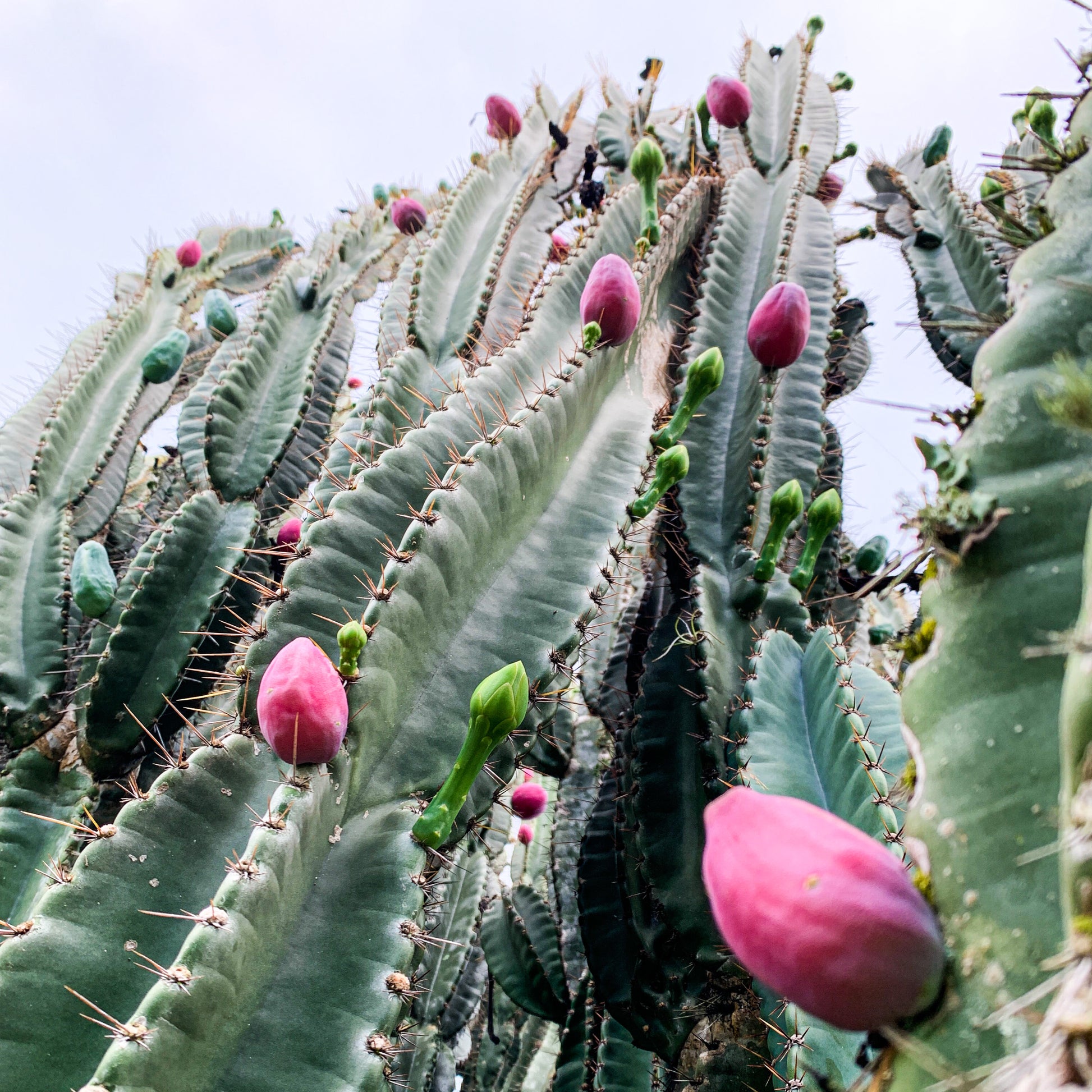
Rebutia cacti are native to the high-altitude regions of Bolivia and Argentina, adapting to rocky slopes with tenacity and grace. These globular plants remain modest in size, typically ranging from 1 to 3 inches in diameter, yet their flowering prowess is anything but small. Their delicate spines form intricate patterns that embrace a symphony of colors when flowers burst in spring. Their growth habit and compact form make them perfect candidates for container gardening, rockeries, or even terrariums, offering both visual delight and horticultural intrigue.
Rebutia Crispata: The Spiny Beauty
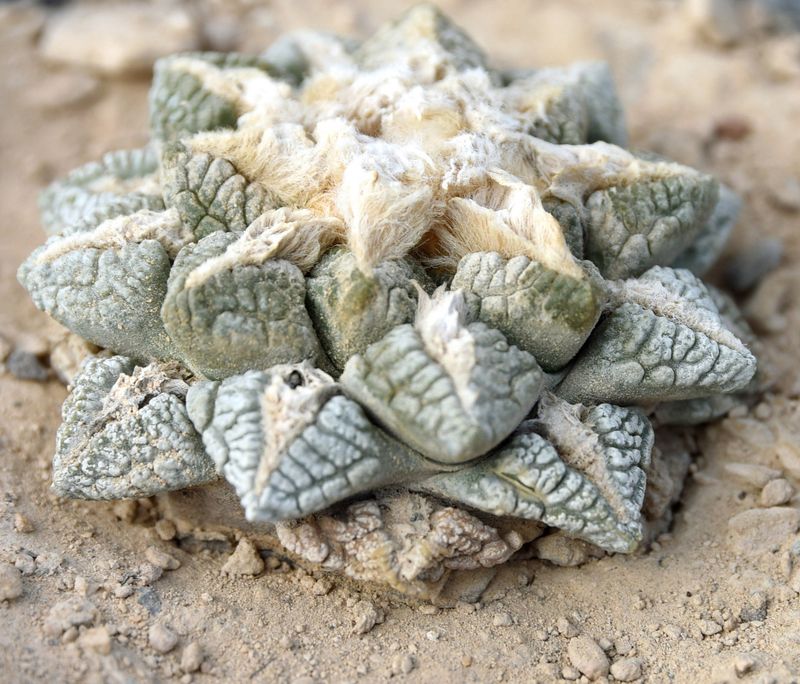
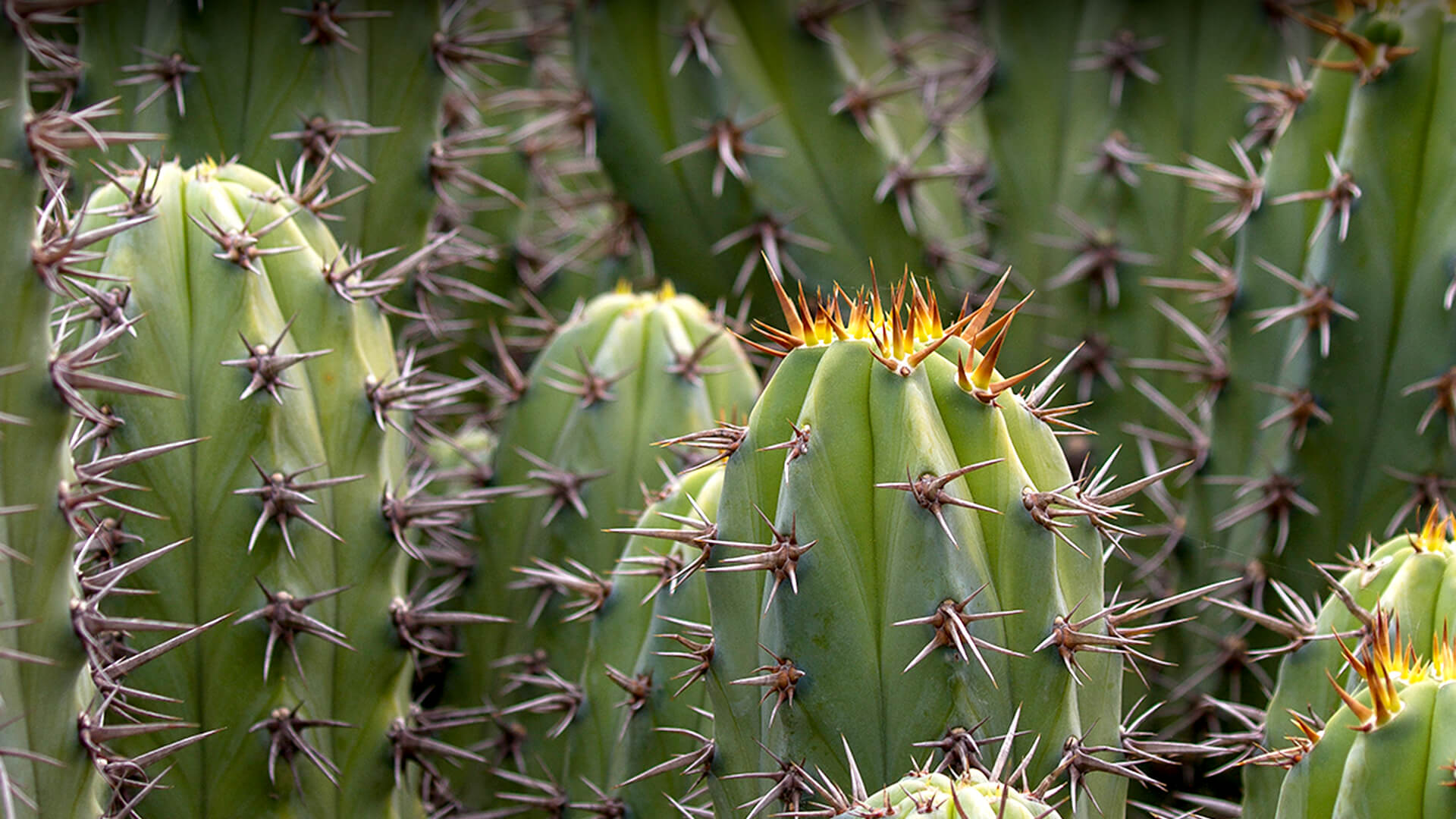
One of the most admired variants, Rebutia crispata boasts a dense, spiny exterior, lending a somewhat armored appearance that contrasts starkly with its elegant flowers. The spines are stiff and interlaced, forming a protective mesh that guards the succulent body underneath. When spring arrives, it rewards cultivators with profuse flowers in hues ranging from fiery orange to deep red, their slender petals forming star-like blossoms. This species prefers bright indirect sunlight and enjoys a slightly cooler environment during dormancy, making it particularly suitable for collectors aiming for showy floral displays on a modest scale.
Rebutia Heliosa: The Sun-Loving Survivor
Rebutia heliosa is renowned for its sun-loving disposition and its relatively easy care regimen. It features small, rounded stems densely covered with soft, golden spines. These spines shimmer under sunlight, creating an almost ethereal aura around the plant body. In bloom, heliosa presents a delightful spectacle of vivid orange flowers that often encircle the cactus crown like a radiant halo. Given its resilience, this species thrives in well-draining substrates and benefits from minimal overhead watering, echoing its native arid habitats. Its adaptability makes it a go-to choice for gardeners new to cacti who want dependable beauty with minimal fuss.
Rebutia Minuscula: The Prolific Bloomer
Among the most prolific bloomers in the Rebutia genus, Rebutia minuscula captures attention with its exceptional ability to produce vibrant blossoms continuously through its blooming season. The plant itself features clustered stems, each adorned with fine spines and a compact, globular structure. Flowers can range in color from bright orange to pink and even fiery red, often appearing in large numbers simultaneously. This species is prized not only for its floriferous nature but also for its propensity to offset, creating dense mats that can enrich any succulent display. Its vigor and beauty have cemented minuscula as a darling in rock gardens and indoor collections worldwide.
Rebutia Fuego: A Flame in Bloom
The aptly named Rebutia fuego (meaning ‘fire’) is emblematic of the genus’s fiery appeal. Sporting bright and broad flowers in bold red-orange tones, fuego’s blooms command attention and infuse any space with warmth and dramatic flair. This species prefers high light intensity but benefits from some shade during the hottest part of the day to prevent sunburn on its delicate epidermis. Its stems are small but robust, encased in interwoven spines that enhance its tactile presence. Cultivators prize Rebutia fuego for its sensual bloom color and the dynamic contrast it creates with its muted green body.
Rebutia Muscula: Garden Elegance in Miniature
The Rebutia muscula species exudes an unassuming elegance, characterized by tightly packed spines resembling fine wool. This soft appearance belies the plant’s robust constitution. Muscula thrives in cooler temperate zones and offers a delicate visual texture that appeals to gardeners craving subtlety amidst more flamboyant species. Its flowers emerge in soft, pastel shades—pinks, lavenders, and lilacs—delicately offsetting the cream-colored body and white spiny tufts. Ideal for blending into mixed succulent arrangements, this petite cactus lends depth and contrast through its gentler hues and fine spine architecture.
Essential Care Tips for Thriving Rebutia
Understanding the cultural needs of Rebutia species ensures long-term vitality and abundant flowering. These cacti are exceptionally drought-tolerant but thrive with bright light—preferably filtered sunlight—to simulate their native mountainous habitats. Overwatering remains a common pitfall; a “dry spell” phase imitates natural seasonal conditions, enhancing blooming propensity. Soil must be porous and sandy, facilitating rapid drainage to prevent root rot. Winter dormancy requires cooler temperatures and significantly reduced hydration, coaxing plants to rest and prepare for their explosive floral phase in spring. Regular repotting every few years maintains substrate freshness and root health, fostering vigorous growth cycles.
Common Challenges and How to Overcome Them
While generally resilient, Rebutia species can fall prey to fungal infections or pests such as mealybugs and spider mites. Vigilant monitoring and prompt action with organic insecticides or systemic treatments are needed to curb infestations. Proper watering regimes, good air circulation, and high-quality, well-draining substrate reduce the likelihood of fungal disease. Additionally, ensuring stable environmental conditions and avoiding sudden climatic changes shield these succulents from stress-induced decline. Appreciating their delicate balance of toughness and sensitivity helps enthusiasts master the art of growing Rebutia successfully.
Creating a Visual Symphony: Displaying Rebutia
The compact size, coupled with the exuberance of their blossoms, allows Rebutia cacti to be the centerpiece in myriad display contexts. Whether arranged in miniature pots, integrated in terrariums, or nestled within xeriscape gardens, these plants lend both structural interest and seasonal color. Combining different species creates a textural mosaic—spiny globes punctuated by vivid floral fireworks. Their miniature stature invites creative placement on windowsills, desks, or patios, where their blooming periods infuse life and vibrancy. Harmonizing Rebutia with complementary succulents or small flowering plants enhances aesthetic appeal and reflects the diverse microhabitats from which they originate.
Conclusion: Embracing the Diversity of Rebutia
Exploring the diverse varieties of Rebutia species reveals a world of form, color, and botanical intrigue. Each type carries a distinctive charm, from the fiery blooms of fuego to the delicate flowers of muscula, offering endless possibilities for collectors and garden designers alike. Their manageable size and spectacular flowering make them indispensable treasures in any succulent repertoire. Beyond their beauty, they teach patience and attentiveness, rewarding those who tend to their needs with radiant floral displays year after year.
FAQ
What are the most popular types of Rebutia?
Some popular types include Rebutia crispata, Rebutia heliosa, Rebutia minuscula, Rebutia fuego, and Rebutia muscula.
How often should I water Rebutia cacti?
Water only when the soil is completely dry, especially during the growing season, to prevent root rot.
What light conditions do Rebutia species prefer?
Rebutia cacti thrive in bright, indirect sunlight.
Leave a Reply