
Short Answer
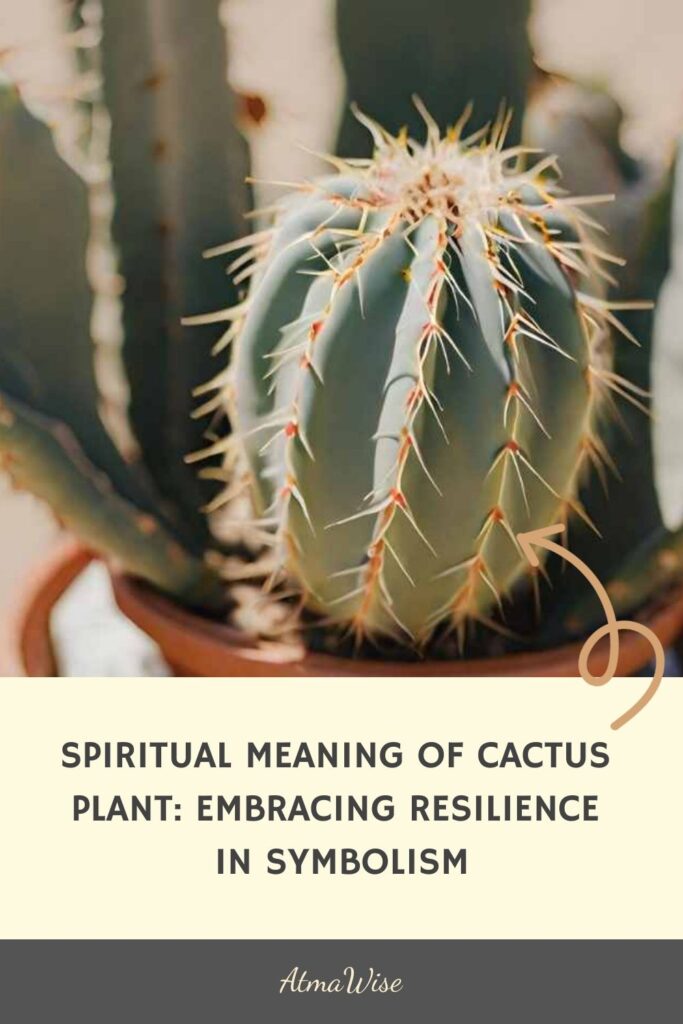
The cactus, with its jagged silhouette against the merciless sun, has long been more than a mere desert dweller. It is a paradox—both fortress and flower, a silent sentinel that thrives where others wither. In literature, this spiny marvel transforms from a symbol of desolation into an emblem of unyielding resilience, its metaphorical roots stretching deep into the human psyche. Writers across centuries have wielded its imagery to explore themes of endurance, isolation, and the quiet defiance of nature itself. To trace the cactus’s literary journey is to uncover a tapestry of meaning, where its thorns become metaphors for protection, its blooms for fleeting beauty, and its tenacious roots for the unbreakable will to survive.
The Cactus as a Metaphor for Isolation: The Thorns of Solitude
In the arid landscapes of early American and Latin American literature, the cactus often emerges as a solitary figure, a living testament to the harshness of existence. Its prickly exterior, a natural defense against predators, mirrors the emotional armor worn by characters who stand apart from society. Consider the cactus as a literary device in the works of authors like Willa Cather or Juan Rulfo, where it embodies the isolation of frontier life or the desolation of rural poverty. The cactus does not ask for companionship; it endures. Its presence in a narrative signals a world where connection is rare, and survival is a private battle.
This metaphor extends beyond physical solitude. The cactus’s ability to thrive in barren conditions reflects the inner resilience of characters who, though emotionally or socially isolated, refuse to be crushed by their circumstances. In poetry, the cactus often stands as a silent witness to human suffering, its spines a barrier against intrusion, much like the emotional walls erected by those who have been wounded. The cactus, in this light, becomes a poignant reminder that isolation is not always a choice—sometimes, it is the price of survival.
The Thorns of Protection: Defiance in a Hostile World
The cactus’s thorns are not merely defensive; they are a declaration of defiance. In literature, they symbolize the sharp edges of resistance, the unapologetic stance of those who refuse to be tamed. Think of the cactus as a literary counterpart to the rebellious heroine, her edges as jagged as the plant’s spines, her presence as unignorable. The thorns serve as a warning: do not approach too closely, for I am not what you seek. This imagery resonates deeply in feminist literature, where women’s autonomy is often framed as a threat to the status quo.
Consider the cactus in the works of contemporary writers who explore themes of female empowerment. Its thorns become a metaphor for the boundaries women draw to protect their autonomy, their dreams, and their bodies. The cactus does not apologize for its sharpness; it does not soften its edges to make others comfortable. In this way, it embodies the unapologetic strength of those who refuse to conform, who stand tall in a world that seeks to diminish them. The cactus, with its thorns, is a silent but unmistakable challenge to the norms that seek to control and contain.
The Blooming of Resilience: Beauty in Adversity
Perhaps the most captivating aspect of the cactus’s symbolism is its ability to bloom in the face of adversity. This transformation—from a seemingly lifeless plant to a radiant flower—has captivated writers for generations. The cactus’s bloom is a metaphor for hope, for the beauty that emerges from struggle, for the triumph of life over desolation. In literature, this bloom is often a turning point, a moment of revelation where a character, like the cactus, finds the strength to flourish despite their circumstances.
This theme is particularly powerful in feminist narratives, where resilience is not just a trait but a rebellion. The cactus’s bloom becomes a symbol of the beauty that can arise from pain, of the strength that comes from enduring hardship. It is a reminder that even in the most barren of landscapes, life will find a way to express itself. The cactus, in its quiet defiance, teaches us that resilience is not about avoiding struggle but about blooming despite it.
The Roots of Tenacity: Anchoring the Spirit
Beneath the cactus’s surface lies a network of roots that stretch deep into the earth, anchoring it against the winds that would uproot it. This hidden strength is a recurring motif in literature, where the cactus’s roots symbolize the unseen forces that sustain us. The roots are a metaphor for the invisible ties that bind us to our past, to our culture, to our identity. They are the quiet foundation upon which resilience is built.
In feminist literature, the cactus’s roots can represent the lineage of women who have come before, whose struggles and triumphs have paved the way for future generations. The roots are a reminder that resilience is not just an individual trait but a collective inheritance. They are the unseen threads that connect us to our ancestors, to our communities, and to the earth itself. The cactus, with its deep roots, teaches us that true strength lies not in standing alone but in being rooted in something greater than ourselves.
The Cactus as a Symbol of Feminine Power: Reclaiming the Narrative
The cactus’s symbolism takes on a particularly potent meaning in feminist literature, where it is often reclaimed as a symbol of feminine power. The cactus, with its thorns and blooms, its resilience and beauty, becomes a metaphor for the complexity of womanhood. It is not a delicate flower, easily crushed; it is a force of nature, unapologetically itself. The cactus challenges the traditional narratives that seek to confine women to passive roles, instead celebrating their strength, their defiance, and their unyielding spirit.
In this context, the cactus becomes a symbol of feminist resistance, a reminder that women, like the cactus, are capable of thriving in even the most inhospitable of environments. The cactus’s ability to bloom in the desert is a metaphor for the beauty and strength that can emerge from struggle, for the power of women to reclaim their narratives and define their own paths. The cactus, in feminist literature, is not just a plant; it is a revolution.
The Cactus in Modern Literature: A Timeless Symbol
Today, the cactus continues to captivate writers, its symbolism evolving to reflect contemporary struggles and triumphs. In modern literature, the cactus is often used to explore themes of environmentalism, of the fight against climate change, and of the resilience of marginalized communities. The cactus, with its ability to thrive in harsh conditions, becomes a metaphor for the human spirit’s capacity to adapt and endure in the face of global crises.
The cactus’s symbolism is also deeply personal, a reflection of individual journeys. For some, it represents the struggle to find one’s place in the world; for others, it is a reminder of the beauty that can emerge from pain. The cactus, in all its forms, remains a timeless symbol, its metaphorical roots stretching deep into the human experience. It is a plant that teaches us to stand tall, to bloom where we are planted, and to find strength in the most unlikely of places.
FAQ
What do cacti symbolize in literature?
Cacti symbolize themes of isolation, resilience, and feminine power, often serving as metaphors for survival and defiance.
How are cacti used in feminist literature?
In feminist literature, cacti represent women's strength and autonomy, challenging traditional narratives of passivity.

Leave a Reply