
Short Answer
For centuries, civilizations across the globe have turned to the spiny sentinels of the desert—cacti—not merely as ornamental curiosities, but as vital allies in the pursuit of health and healing. These resilient plants, thriving where others wither, have woven themselves into the fabric of traditional medicine, offering remedies that range from the mundane to the miraculous. Their enduring presence in folk pharmacopeias is no accident; it is a testament to their biochemical ingenuity, honed over millennia of evolutionary pressure. Yet, beyond their tangible benefits lies a deeper fascination: the way these plants blur the line between the earthly and the otherworldly, between remedy and ritual. What is it about cacti that has captivated healers, shamans, and modern scientists alike? To understand their role in traditional medicine is to peer into a world where nature’s pharmacy is both ancient and ever-evolving.
The Ancient Roots: Cacti in Indigenous Healing Traditions
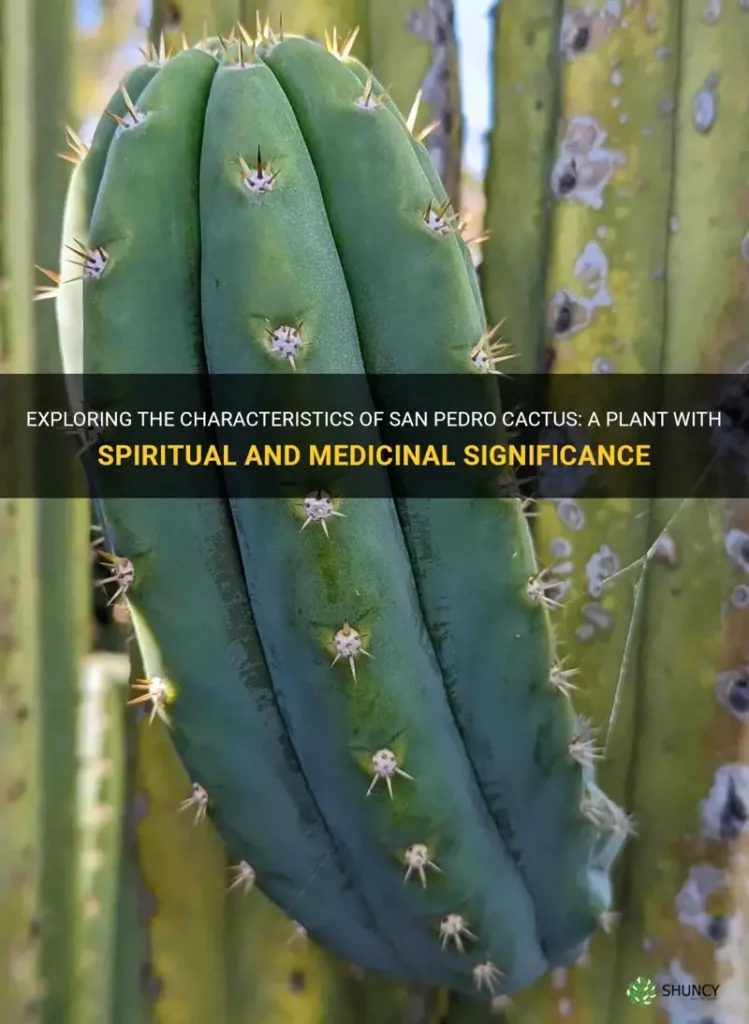
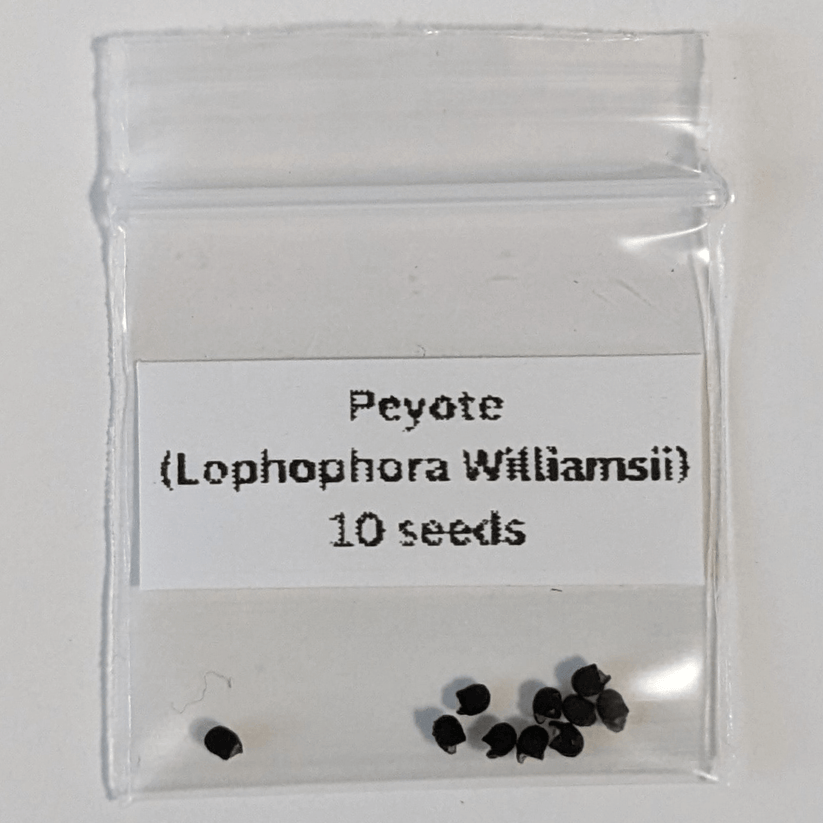
The story of cacti in medicine begins long before written records, in the arid landscapes where these plants first took root. Indigenous cultures from the Americas—where cacti are native—recognized their potential early on, embedding them in spiritual and therapeutic practices. The Aztecs, for instance, revered the peyote cactus (*Lophophora williamsii*) not just as a medicinal herb but as a sacred conduit to the divine. Consumed in rituals, it was believed to facilitate communication with gods, offering visions that guided both individual and communal healing. Similarly, the San Pedro cactus (*Echinopsis pachanoi*), a towering columnar species, has been a staple in Andean shamanism for over 3,000 years. Its mescaline-rich properties were harnessed not merely for pain relief but as a tool for psychological introspection, a practice still echoed in modern psychedelic-assisted therapy.
These traditions were not mere superstition; they were sophisticated systems of knowledge. The Tarahumara people of Mexico, known for their endurance in the Copper Canyon, utilized the prickly pear cactus (*Opuntia* spp.) to treat wounds, inflammation, and even diabetes. Their methods—meticulous and empirical—relied on the cactus’s mucilaginous pads, rich in soluble fibers and antioxidants, to soothe the body’s ailments. Such practices were passed down through generations, a living testament to the cactus’s role as both pharmacist and teacher in the harshest of environments.
Biochemical Marvels: The Science Behind Cactus Medicine
Modern science has begun to unravel the mysteries behind these ancient remedies, revealing a treasure trove of bioactive compounds that explain their efficacy. At the heart of many cacti’s medicinal prowess lies a class of molecules known as betalains—pigments responsible for their vibrant hues. These compounds, found in abundance in the dragon fruit cactus (*Hylocereus* spp.), are potent antioxidants that neutralize free radicals, reducing oxidative stress linked to chronic diseases. Meanwhile, the nopal cactus (*Opuntia ficus-indica*), a staple in Mexican cuisine, contains high levels of soluble fiber and pectin, which regulate blood sugar and cholesterol levels, offering a natural defense against metabolic disorders.
But perhaps the most intriguing compounds are the alkaloids. Peyote, for example, contains mescaline, a psychoactive alkaloid that interacts with serotonin receptors in the brain, inducing altered states of consciousness. While its recreational use is well-documented, its therapeutic potential is now being explored for treating PTSD, depression, and addiction. Similarly, the San Pedro cactus harbors mescaline alongside other alkaloids like tyramine, which may contribute to its stimulant and antidepressant effects. These biochemical interactions are not merely chemical reactions; they are dialogues between plant and human physiology, a silent conversation that has shaped both traditional and contemporary medicine.
From Ritual to Remedy: The Psychedelic Renaissance
The resurgence of interest in psychedelic medicine has cast a spotlight on cacti like never before. Once confined to the shadows of counterculture, substances like peyote and San Pedro are now subjects of rigorous clinical research. The FDA’s designation of psilocybin (a compound found in some cacti-adjacent fungi) as a “breakthrough therapy” for depression has paved the way for similar studies on mescaline. Early trials suggest that mescaline may promote neuroplasticity, helping the brain form new neural connections and break free from entrenched patterns of thought associated with mental illness.
This renaissance is not without controversy. Indigenous communities, who have safeguarded these plants for generations, face exploitation as pharmaceutical companies seek to patent their traditional knowledge. Ethical debates rage over the commercialization of sacred plants, raising questions about who truly benefits from their healing potential. Yet, the dialogue between ancient wisdom and modern science offers a rare opportunity: to integrate millennia-old practices with cutting-edge research, creating a holistic approach to health that honors both tradition and innovation.
Cacti in Modern Pharmacology: Beyond the Psychedelic
While psychedelic cacti dominate the cultural imagination, their non-psychoactive cousins are equally deserving of attention. The prickly pear cactus, for instance, has found its way into modern supplements and skincare products. Its high vitamin C content makes it a powerful antioxidant for topical applications, while its extracts are being studied for their anti-inflammatory and antiviral properties. Similarly, the barrel cactus (*Ferocactus* spp.) has been used in traditional Mexican medicine to treat burns and skin infections, thanks to its high concentration of flavonoids and tannins, which accelerate wound healing.
The agave plant, often associated with tequila but botanically a cactus relative, is another modern medicinal powerhouse. Its sap, known as *aguamiel*, is rich in prebiotics that nourish gut bacteria, while its fructans have been shown to improve insulin sensitivity. Even the humble cholla cactus (*Cylindropuntia* spp.) has caught the eye of researchers for its potential in treating osteoporosis, thanks to its calcium-rich composition. These examples underscore a critical truth: the medicinal potential of cacti is not limited to their most famous members. Every spine, every pad, every flower holds a story of healing waiting to be told.
The Cultural Psyche: Why Cacti Fascinate Us
There is something inherently mesmerizing about cacti—a paradox of fragility and fortitude. They thrive in conditions that would kill most plants, storing water in their fleshy stems like camels of the plant kingdom. This resilience has made them symbols of endurance, adaptability, and even spiritual growth. In many cultures, they represent the ability to flourish in adversity, a metaphor that resonates deeply in an era of climate change and uncertainty.
Their slow growth and long lifespans also evoke a sense of timelessness. A saguaro cactus (*Carnegiea gigantea*), for instance, can live for over 150 years, its arms stretching toward the sky like the hands of a wise elder. This longevity has led to their association with longevity and vitality in traditional medicine. In Chinese folklore, the cactus is sometimes linked to the concept of *yang*—the active, life-giving force—counterbalancing the more passive *yin*. Such symbolism speaks to a universal human desire: to find strength in adversity, to seek healing in the most unlikely of places.
Moreover, cacti embody the mystery of the unknown. Their spiny exteriors guard secrets within—juices that can heal, alkaloids that can alter perception, fibers that can nourish. This duality—of protection and provision—mirrors humanity’s own relationship with nature. We are drawn to what we cannot easily control, to the things that challenge us while offering solace. Cacti, in their silent way, remind us that healing is not always gentle. Sometimes, it requires facing the sharp edges of life head-on.
Sustainable Harvesting: Preserving Cactus Medicine for Future Generations
As demand for cactus-based remedies grows, so too does the urgency to ensure their sustainable use. Overharvesting threatens species like peyote, which grows slowly and is already endangered in some regions. Indigenous communities have long practiced sustainable harvesting, taking only what they need and allowing the plants to regenerate. Modern enthusiasts and researchers must adopt similar principles, prioritizing ethical sourcing and conservation.
One solution lies in cultivation. Species like the prickly pear and dragon fruit are now grown commercially, reducing pressure on wild populations. Additionally, synthetic versions of cactus compounds—such as mescaline—are being developed, offering alternatives that do not rely on wild harvesting. These innovations present an opportunity to bridge tradition and modernity, ensuring that the healing power of cacti remains accessible without compromising their survival.
The path forward is not without challenges. Balancing commercial interests with cultural respect, scientific curiosity with ecological responsibility, requires a delicate dance. Yet, the rewards are immense: a world where cacti continue to heal, inspire, and remind us of nature’s boundless ingenuity.

The cactus, in all its prickly glory, is more than a plant. It is a testament to nature’s resilience, a bridge between the ancient and the modern, and a reminder that healing often comes from the most unexpected of sources. As we continue to explore its potential, let us do so with reverence—for the cactus, and for the wisdom it has shared with humanity across the ages.
FAQ
What are some traditional uses of cacti in medicine?
Cacti have been used in traditional medicine for various purposes, including treating wounds, inflammation, and as psychoactive substances in rituals.
How do modern scientists study the medicinal properties of cacti?
Modern research focuses on identifying bioactive compounds in cacti, such as betalains and alkaloids, which are believed to offer health benefits.

Leave a Reply