
Short Answer
In the vast, sun-scorched expanses of the desert, where life clings to existence with tenacious grit, the barrel cactus stands as a sentinel of resilience. Echinocactus, a genus of stout, globular succulents, embodies the paradox of endurance—thriving where others wither, conserving where others dissipate, and persisting where others perish. This unassuming titan, often overlooked in the grand tapestry of flora, is a masterclass in adaptation, a living testament to nature’s ingenuity. As climate patterns shift and arid landscapes expand, the barrel cactus emerges not just as a survivor, but as a harbinger of ecological transformation. Its story is one of quiet defiance, a narrative woven into the very fabric of the desert’s soul.
The Anatomy of a Survivor: How Echinocactus Defies the Odds
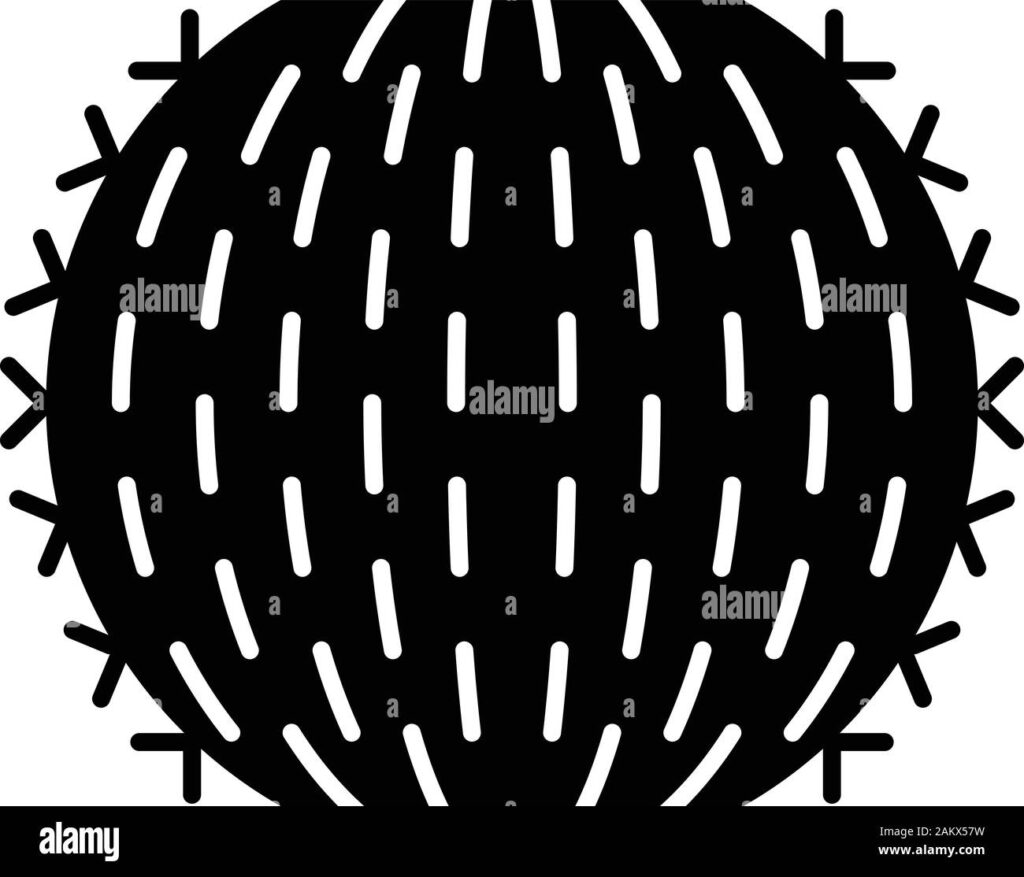
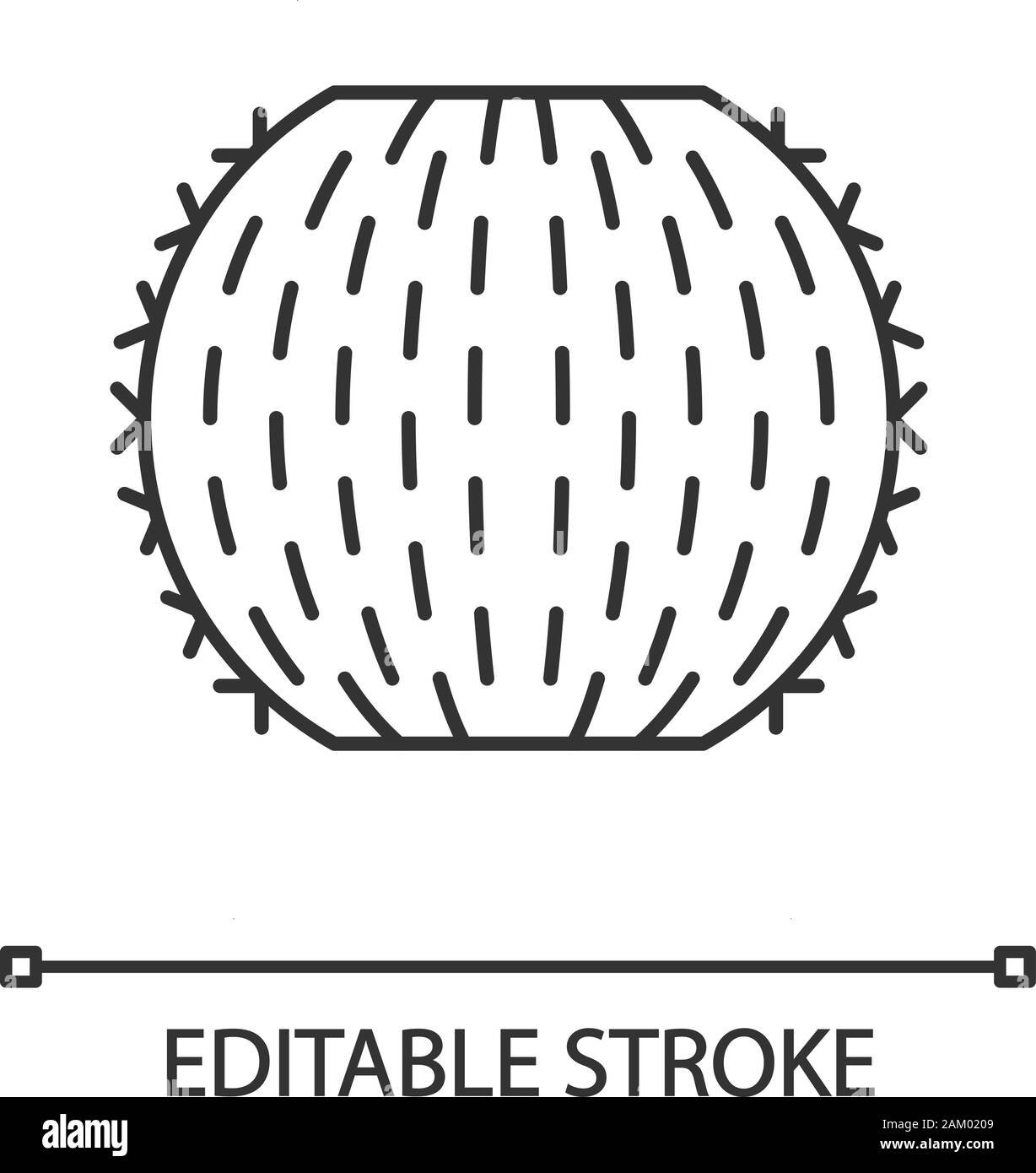
At first glance, the barrel cactus appears deceptively simple—a rounded, ribbed body crowned with a halo of spines. Yet, beneath its spiky exterior lies a marvel of evolutionary engineering. The ribbed structure, a hallmark of Echinocactus species, is not merely decorative; it serves as a dynamic vascular system, expanding and contracting to regulate water storage with precision. During rare desert downpours, the cactus absorbs water voraciously, its ribs unfolding like the pleats of an accordion to accommodate the sudden influx. Conversely, in the scorching dry spells, the ribs constrict, minimizing surface area to reduce moisture loss.
The spines, often dismissed as mere defensive armaments, are in fact a sophisticated microclimate control system. Their dense, interlocking arrangement creates a buffer zone of still air around the cactus, shielding it from the relentless desert winds that would otherwise strip away precious moisture. Some species, like the golden barrel cactus (*Echinocactus grusonii*), boast spines so tightly packed they form an almost impenetrable barrier, a fortress against herbivores and the elements alike. Even the cactus’s waxy, ribbed skin is a marvel—a hydrophobic layer that repels water, ensuring that every precious droplet is directed toward the roots rather than lost to evaporation.
But the true genius of Echinocactus lies in its metabolic frugality. Unlike many plants that squander energy in a frenzy of growth, the barrel cactus operates on a lean, mean budget. Its photosynthesis, a process known as CAM (Crassulacean Acid Metabolism), is a nocturnal affair. By opening its stomata at night, when temperatures are cooler and humidity higher, the cactus minimizes water loss while still capturing carbon dioxide. Come dawn, it closes its stomata, storing the absorbed CO₂ for daytime use. This temporal sleight of hand allows the barrel cactus to thrive in environments where most plants would succumb to dehydration within hours.
From Desert Floor to Cultural Icon: The Barrel Cactus in Human History
The barrel cactus has long been more than just a plant; it is a symbol woven into the myths, traditions, and survival strategies of the peoples who call the desert home. Indigenous communities across the Americas have revered Echinocactus for its practical and spiritual significance. The Seri people of Mexico, for instance, refer to the barrel cactus as *haat* and have long utilized its fibrous interior to craft tools, containers, and even musical instruments. The spines, carefully removed and shaped, served as needles, fishhooks, and temporary sutures in times of need.
In the lore of the Southwest’s Native American tribes, the barrel cactus often appears as a metaphor for resilience and adaptability. The Hopi, for example, associate the cactus with the concept of *koyaanisqatsi*—a state of life that calls for balance and harmony. Its ability to endure in such harsh conditions mirrors the Hopi ideal of perseverance in the face of adversity. Even in modern times, the golden barrel cactus has become an emblem of desert gardening, a living sculpture in xeriscapes and urban oases alike. Its striking, sunburst-like spines and spherical form make it a favorite among landscape designers seeking to evoke a sense of wild, untamed beauty.
Yet, the barrel cactus’s relationship with humanity is not without tension. In some regions, overharvesting for ornamental purposes has threatened wild populations. The golden barrel cactus, once abundant in Mexico, now faces habitat loss and illegal trade pressures. Conservationists warn that without protective measures, these living relics of the desert could become casualties of their own popularity. The irony is palpable: a plant that has survived millennia of climatic extremes may now be undone by human fascination.
Climate Change’s Crucible: Can the Barrel Cactus Adapt to a Hotter World?
The barrel cactus is no stranger to adversity, but the challenges posed by climate change are unlike any it has faced in its evolutionary history. Rising temperatures, prolonged droughts, and erratic precipitation patterns are pushing even the hardiest species to their limits. Studies suggest that as the planet warms, the geographic range of Echinocactus may shrink, forcing populations to migrate to higher elevations or latitudes where conditions remain tolerable. For a plant that thrives on stability, such displacement is a daunting prospect.
Yet, the barrel cactus is not a passive victim of climate change. Its CAM photosynthesis and water-conserving adaptations provide a blueprint for survival in an increasingly parched world. Researchers are studying Echinocactus to unlock secrets that could inform drought-resistant agriculture and sustainable landscaping. Could the barrel cactus’s ribbed structure inspire new materials for water storage? Might its spine arrangement inform designs for heat-reflective surfaces? The answers may lie in the cactus’s unassuming form, waiting to be decoded by human ingenuity.
There is, however, a darker side to this narrative. As deserts expand and aridification intensifies, the barrel cactus faces competition from invasive species that outcompete native flora for resources. Non-native grasses, for example, can alter fire regimes in desert ecosystems, turning once-fire-resistant cacti into tinder for wildfires. The interplay between climate change and invasive species is a complex web, one that threatens to unravel the delicate balance of desert ecosystems. The barrel cactus, in its silent, spiky way, is sounding an alarm—one that demands our attention before it’s too late.
Cultivating Resilience: How to Grow and Care for Echinocactus
For those inspired by the barrel cactus’s tenacity, cultivating Echinocactus in gardens or containers is a rewarding endeavor. These plants are remarkably low-maintenance, thriving in conditions that would spell doom for most other species. The key to success lies in replicating their native environment as closely as possible. A well-draining soil mix, such as a blend of cactus potting soil and perlite or pumice, is essential to prevent root rot—a far more common threat than drought in cultivation.
Light is another critical factor. Barrel cacti crave full sun, with at least six hours of direct sunlight daily. In indoor settings, a south-facing window or a grow light can suffice, though they may not achieve the same robust growth as their desert-dwelling counterparts. Watering should be infrequent but thorough. The rule of thumb is to soak the soil completely, then allow it to dry out entirely before watering again. Overwatering is the fastest way to kill a barrel cactus, a cruel irony for a plant that thrives on scarcity.
Propagation is another avenue for enthusiasts to engage with these resilient plants. While Echinocactus can be grown from seed, the process is slow—some species take years to reach maturity. For quicker results, offsets or “pups” can be carefully removed from the parent plant and replanted. This method not only accelerates growth but also helps preserve genetic diversity. For those with a green thumb and a patient heart, the barrel cactus offers a lifelong journey of discovery, each spine and rib a testament to nature’s unyielding spirit.
The Barrel Cactus as a Metaphor: Lessons for a Changing World
In an era defined by upheaval—climatic, social, and technological—the barrel cactus emerges as an unlikely teacher. Its story is a reminder that resilience is not about brute strength or relentless growth, but about adaptability, patience, and resourcefulness. In a world where resources are finite and challenges are mounting, the barrel cactus embodies the principles of sustainability long before the term entered the lexicon. It does not demand more than it needs. It does not waste what it has. It endures, not through force, but through quiet, unwavering persistence.
Perhaps the most profound lesson of Echinocactus is its ability to find equilibrium in extremes. It thrives where others falter, not by defying the desert’s harshness, but by embracing it. In a cultural landscape dominated by narratives of conquest and domination, the barrel cactus offers a counterpoint—a philosophy of coexistence. Its ribs expand and contract with the rhythm of the seasons. Its spines provide shelter as much as defense. Its very existence is a dialogue between scarcity and abundance, a testament to the beauty of balance.
As we stand on the precipice of an uncertain future, the barrel cactus invites us to reconsider our relationship with the natural world. It challenges us to ask: What can we learn from a plant that has survived where others cannot? How might we apply its principles of frugality, adaptability, and harmony to our own lives? The answers may not be found in grand gestures, but in the quiet, steadfast choices we make each day. In the end, the barrel cactus is more than a survivor. It is a teacher, a symbol, and a silent witness to the enduring power of life in the face of adversity.
FAQ
What is Echinocactus?
Echinocactus, commonly known as the barrel cactus, is a genus of stout, globular succulents that thrive in harsh desert environments.
How can I care for a barrel cactus?
Barrel cacti prefer full sun, well-draining soil, and infrequent but thorough watering to prevent root rot.

Leave a Reply