
Short Answer
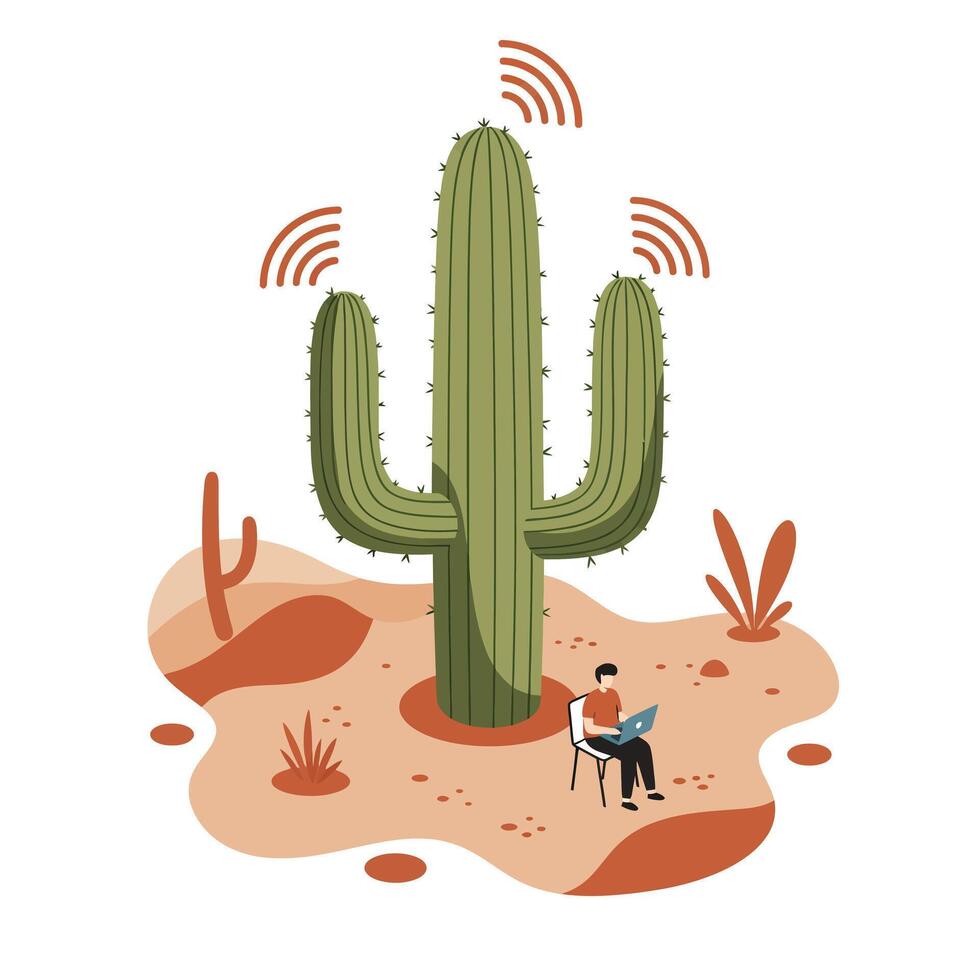
In the vast, sun-scorched expanse of the desert, where life thrives against all odds, the cactus stands as a symbol of resilience, adaptability, and quiet strength. Its spiky silhouette, etched against the horizon, has long captivated the human imagination, weaving itself into the fabric of creative expression. From the whispered tales of indigenous cultures to the bold strokes of modern digital art, the cactus has transcended its botanical identity to become a muse for writers, artists, and storytellers alike. This unassuming desert dweller, with its paradoxical blend of fragility and fortitude, offers a treasure trove of inspiration for those seeking to infuse their creative work with depth, symbolism, and a touch of the wild.
The Cactus as a Metaphor: Crafting Symbolic Narratives
The cactus is more than a plant; it is a living metaphor, a silent storyteller whose every thorn and bloom whispers tales of survival, patience, and transformation. In creative writing, it serves as a powerful symbol that can anchor themes of endurance, isolation, or even rebellion. Imagine a protagonist who, like the cactus, thrives in adversity—perhaps a lone artist in a bustling city, or a survivor navigating the ruins of a forgotten world. The cactus’s ability to store water in its flesh can symbolize inner reservoirs of strength, while its slow growth mirrors the gradual unfolding of personal growth. Writers can weave these metaphors into their narratives, using the cactus as a lens to explore human emotions and experiences. A short story set in a drought-stricken town might use the cactus as a recurring motif, its wilting leaves reflecting the community’s despair, while its resilient blooms hint at hope. The key lies in subtlety; the cactus should feel like a natural extension of the story’s soul, not a forced allegory.
Desert Landscapes as Backdrops: World-Building with Atmosphere
The desert is not merely a setting; it is a character in its own right, a vast, shifting canvas that shapes the mood and trajectory of a narrative. The cactus, with its stark presence, becomes a vital brushstroke in this landscape. Writers can leverage the desert’s unique qualities—its blistering heat, its endless horizons, its deceptive stillness—to create immersive worlds. A thriller set in the Sonoran Desert might use the cactus’s spines as a metaphor for the dangers lurking beneath the surface, while a romance novel could frame the desert’s vastness as a space for self-discovery. The cactus, in particular, adds texture to these landscapes. Its jagged silhouettes can frame a sunset, its shadows can stretch like fingers across the sand, and its occasional blooms can punctuate a scene with fleeting beauty. By paying attention to these details, writers can transport readers to a place where every gust of wind carries a story.
Consider the way the desert’s silence can amplify tension. A mystery novel set in a ghost town might use the cactus’s prickly arms to obscure a hidden path, or a character’s footsteps might crunch on brittle cactus pads, signaling their approach. The desert’s austerity also lends itself to introspection. A protagonist wandering through a cactus-studded wasteland might confront their deepest fears, their thoughts as scattered as the wind-blown seeds of a dying plant. The cactus, in this context, becomes a silent witness to transformation, its unchanging form a stark contrast to the turmoil within the characters.
Character Archetypes Inspired by the Cactus
Characters, like plants, can embody the cactus’s defining traits—resilience, adaptability, and a quiet defiance of expectations. A writer might craft a protagonist who, like the saguaro cactus, stands tall and solitary, a beacon of strength in a community that has forgotten its own worth. Alternatively, a more complex character could mirror the prickly pear’s duality: outwardly tough, but with a soft, vulnerable interior hidden beneath the spines. These archetypes can serve as a foundation for exploring themes of identity and self-acceptance. A coming-of-age story might follow a teenager who, like a young cactus, struggles to find their place in the world, their growth marked by small victories and inevitable setbacks.
Antagonists, too, can draw inspiration from the cactus. A villain might be like the barrel cactus—deceptively harmless on the surface, but capable of inflicting pain when provoked. Or perhaps a character’s journey mirrors the cactus’s slow, deliberate growth, their transformation taking years to unfold, unseen by those around them. The cactus’s ability to thrive in harsh conditions can also inspire characters who defy societal norms, whether they are rebels, outcasts, or pioneers pushing boundaries. By grounding characters in the cactus’s essence, writers can create figures that feel both familiar and fresh, their struggles and triumphs resonating on a primal level.
Poetry and Prose: Evoking the Cactus’s Essence
For poets and lyricists, the cactus is a wellspring of imagery and emotion. Its spines can be likened to the barbs of memory, its blooms to fleeting moments of joy. A haiku might capture the cactus’s resilience in three lines: “Spines drink the dawn / a single bloom defies the sun / and withers at dusk.” In free verse, the cactus can serve as a metaphor for unrequited love or the passage of time. Consider a poem where the cactus’s flowers are “petals of regret,” falling one by one as the speaker grapples with loss. The desert’s vastness can also evoke feelings of insignificance or awe, with the cactus standing as a solitary witness to the universe’s indifference—or its beauty.
Prose writers can use the cactus to add lyrical depth to their descriptions. A paragraph describing a character’s home might read: “The courtyard was a sanctuary of thorns and blooms, where the cacti stood like sentinels, their arms outstretched as if to ward off the encroaching dusk. Each spine was a story, each bud a promise.” The cactus’s duality—both protective and perilous—can also enrich dialogue. A character might say, “You’re as prickly as a cholla,” not just to insult, but to acknowledge someone’s guarded heart. In this way, the cactus becomes more than a plant; it becomes a language, a shorthand for complex emotions.
Visual Storytelling: The Cactus in Art and Design
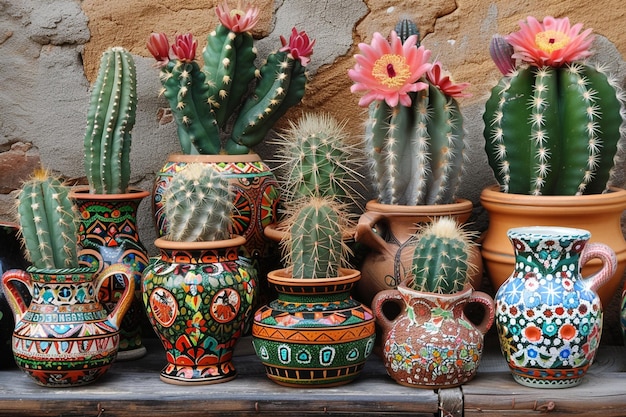
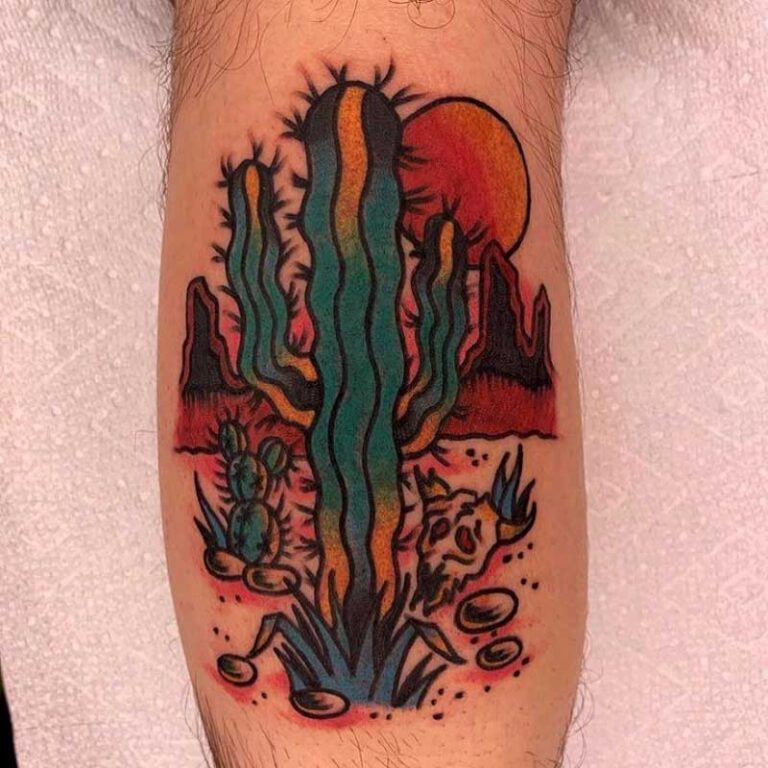
Beyond the written word, the cactus has carved a niche in visual storytelling, from the bold lines of graphic design to the intricate strokes of watercolor paintings. Artists can use the cactus’s form to convey mood—its sharp angles might evoke tension or danger, while its rounded shapes suggest comfort or nostalgia. A minimalist illustration might reduce the cactus to its essential silhouette, while a detailed botanical sketch could celebrate its intricate structure. The cactus’s blooms, too, offer a palette of colors to play with, from the fiery reds of a Christmas cactus to the muted purples of a desert bloom.
In digital art, the cactus can be reimagined in countless ways. A cyberpunk story might feature neon-lit cacti growing in the cracks of a futuristic city, while a fantasy tale could depict towering, sentient cacti guarding ancient secrets. The cactus’s adaptability makes it a versatile symbol in branding and logo design as well. A company focused on sustainability might use a cactus to represent resilience and eco-consciousness, while a wellness brand could draw on its healing properties. For writers collaborating with artists, the cactus can serve as a bridge between text and imagery, its symbolism enriching both mediums.
Cultural and Historical Significance: Tapping into Collective Imagery
The cactus is deeply embedded in the cultural and historical narratives of the regions where it thrives. In Mexican folklore, the cactus is a symbol of protection and sustenance, its fruit offering nourishment in harsh times. In Native American traditions, the saguaro cactus is revered as a sacred plant, its ribs used in ceremonial structures. By drawing on these cultural associations, writers can add layers of meaning to their work. A historical novel set in the Southwest might explore the cactus’s role in indigenous survival, while a contemporary story could use it to bridge the gap between past and present.
Global myths and legends also offer rich material. In some cultures, the cactus is seen as a guardian against evil spirits, its spines warding off negativity. In others, it represents the cycle of life and death, its blooms appearing only after years of growth. Writers can weave these beliefs into their narratives, creating stories that feel timeless and universal. A speculative fiction piece might imagine a world where cacti are sentient beings, their wisdom guiding humanity through crises. Alternatively, a romance novel could use the cactus’s slow growth as a metaphor for a love that develops over decades, its beauty revealed only in maturity.
Practical Tips for Writers: Bringing the Cactus to Life
For those eager to incorporate the cactus into their creative work, the key is observation. Spend time studying cacti in their natural habitat—note the way their shadows shift with the sun, the texture of their spines, the fleeting nature of their flowers. Keep a journal of these observations, jotting down sensory details that can later be woven into prose or poetry. Experiment with different narrative perspectives: a story told from the cactus’s point of view could offer a unique, almost alien perspective on human behavior.
When using the cactus as a symbol, avoid clichés. Instead of relying on tired tropes like “hard exterior, soft interior,” delve deeper into its paradoxes. What does it mean to be both fragile and formidable? How does the cactus’s relationship with water reflect human desires and fears? Play with juxtaposition—pair the cactus with unexpected elements, like a delicate butterfly alighting on its spines, or a child’s laughter echoing through a field of blooming cacti. The more unexpected the connection, the more memorable the imagery.
Finally, don’t be afraid to subvert expectations. The cactus is often associated with the desert, but what if it thrived in a lush rainforest? What if it were a rare, endangered species, its survival a race against time? By challenging conventions, writers can breathe new life into this age-old symbol, ensuring that the cactus remains a source of inspiration for generations to come.
FAQ
What is the significance of cacti in creative writing?
Cacti serve as symbols of resilience and adaptation, offering rich metaphors for characters and themes.
Can cacti influence character development?
Yes, characters can reflect the traits of cacti, such as strength and vulnerability, enhancing their depth.


Leave a Reply