
Short Answer
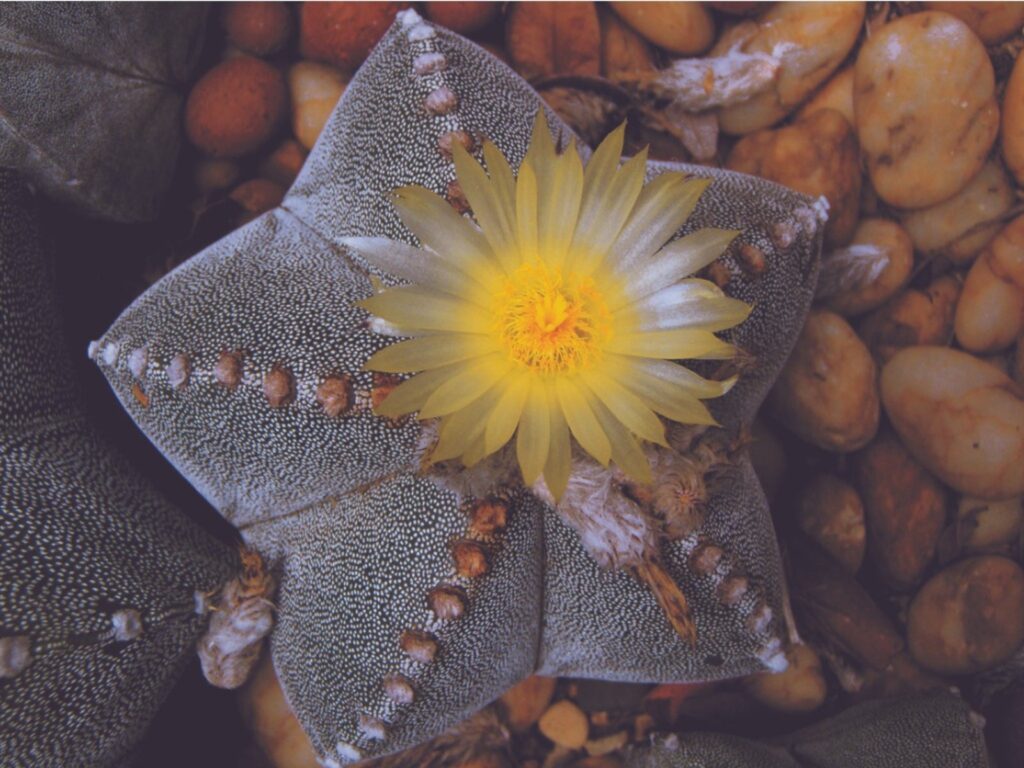
Imagine a tiny, star-shaped treasure thriving in the harshest of deserts, its ribs ribbed with geometric precision, its surface dusted with a celestial glow. This isn’t a fragment of the cosmos fallen to Earth—it’s the Astrophytum, a cactus so whimsical, so otherworldly, that it feels like a secret shared between the universe and the curious. For kids, these “star cacti” are more than just plants; they’re gateways to wonder, tiny botanical aliens that teach resilience, patience, and the magic hidden in the mundane. If you’ve ever watched a child’s eyes widen at the sight of a prickly pear or marveled at their delight in nurturing a seedling, then buckle up. We’re about to embark on a journey into the prickly, glorious world of Astrophytum, where every spine tells a story and every bloom is a burst of stardust.
The Starry Allure: Why Astrophytum Captivates Young Minds
There’s something inherently rebellious about a cactus. While other plants flop and wilt at the slightest neglect, the Astrophytum stands defiant, its star-shaped body a silent testament to survival. For kids, this defiance is magnetic. It whispers, *I don’t need much, but I’ll give you beauty anyway.* The cactus’s ribbed structure isn’t just a quirk of nature—it’s a masterclass in efficiency, storing water like a camel’s hump and photosynthesizing with the precision of a Swiss watch. Kids, with their boundless curiosity, see not just a plant, but a tiny fortress of resilience. And when that fortress suddenly erupts in a crown of lemon-yellow flowers? That’s when the real magic happens. The transformation from spiky sentinel to floral firework is nothing short of alchemy, turning a simple potted plant into a living science experiment.
Meet the Stars: A Tour of Astrophytum Varieties
Not all star cacti are created equal. The genus Astrophytum boasts a dazzling cast of characters, each with its own personality. There’s the A. asteria, the “sea urchin cactus,” its body so perfectly spherical it looks like it was sculpted by a cosmic potter. Then there’s A. myriostigma, the “bishop’s cap,” its ribs adorned with flecks of white that resemble a starry night sky. And let’s not forget A. capricorne, the “goat’s horn cactus,” whose twisted spines curl like the horns of a mythical beast. For kids, naming these varieties is like unlocking a secret club—suddenly, every cactus in the room has a backstory. It’s a game of “spot the difference,” but with a side of botanical bragging rights. Which one will they choose to adopt? The round and cuddly? The ribbed and regal? The spiky and mysterious? The choice itself becomes a rite of passage into the world of Astrophytum.
Planting the Seed: How to Grow Your Own Star Cactus
Growing an Astrophytum isn’t just about sticking a plant in dirt and hoping for the best—it’s a partnership. Start with a pot that’s just a smidge larger than the cactus’s plump body, because these stars like their space. Use a gritty, well-draining soil mix, the kind that mimics the rocky, nutrient-poor soils of their native deserts. Kids will love the tactile experience of mixing perlite, sand, and a dash of compost, their hands getting dusty as they create the perfect home for their new friend. Water sparingly, as if tending to a tiny, thirsty alien. Overwatering is the fast track to a sad, mushy cactus, and no kid wants to be the cause of that. Instead, let the soil dry out completely between waterings. Patience, after all, is the first lesson these stars teach. And when the first signs of growth appear—a new rib, a tiny spine—it’s a celebration. The cactus isn’t just surviving; it’s thriving, and so is the child who helped it along.
The Language of Spines: Decoding Astrophytum’s Defenses
Those spines aren’t just for show. To a child, they’re the cactus’s armor, its way of saying, *Stay back, but admire from afar.* But spines are more than prickly barriers—they’re a language. Some Astrophytum varieties have soft, hair-like spines that look like they’ve been dusted with powdered sugar, while others boast sharp, hooked spines that could rival a pirate’s cutlass. Teach kids to observe these differences. A cactus with dense, white spines might be signaling, *I’m sensitive to too much sun.* One with long, curved spines could be saying, *I’m tough, I can handle the heat.* It’s a silent conversation, but one that fosters a deeper connection between child and plant. And let’s be honest—kids love the idea of a plant that can defend itself. It turns a simple houseplant into a tiny, spiky guardian, a botanical bodyguard that keeps curious fingers at bay.
Blooming Miracles: When the Star Cactus Comes Alive
Here’s where the real show begins. An Astrophytum in bloom is a revelation. After years of patient waiting (yes, these cacti can take their sweet time), a crown of vibrant flowers erupts from the center of the star. For kids, this is the botanical equivalent of a fireworks display. The flowers—often yellow, sometimes red or white—are delicate, almost ephemeral, yet they burst forth with the confidence of a seasoned performer. The contrast between the cactus’s spiky exterior and its soft, velvety blooms is a lesson in contradictions. It’s a reminder that even the toughest exteriors can hide beauty, and that patience is rewarded with magic. Encourage kids to document the blooming process, sketching the flowers or taking photos as they watch the cactus transform. It’s not just a plant; it’s a living diary of growth and resilience.
Astrophytum Adventures: Creative Projects for Young Botanists
Why stop at just growing a cactus when you can turn it into an entire ecosystem? Kids can create miniature desert landscapes, using sand, pebbles, and tiny figurines to build a world around their Astrophytum. They can name their cactus, write a backstory for it, or even invent a myth about how it came to live in their home. For the artistically inclined, the cactus’s geometric ribs are a canvas waiting to be colored in with non-toxic markers (just avoid the spines!). And for the storytellers, a blooming Astrophytum is the perfect inspiration for a tale about a star that fell to Earth and decided to stay. The possibilities are as endless as a child’s imagination. These projects aren’t just fun—they’re a way to deepen the bond between child and plant, turning a simple cactus into a companion, a muse, and a teacher.
Caring for Your Cosmic Companion: Tips for Lifelong Friendship
An Astrophytum can live for decades, becoming a lifelong friend to the child who tends to it. The key to this friendship? Consistency. These cacti thrive on routine—water when the soil is dry, give them bright light (but not scorching sun), and repot them only when they’ve outgrown their homes. Kids can take pride in being the cactus’s caretaker, their sense of responsibility growing as the plant does. And as the years pass, the cactus’s slow, steady growth becomes a metaphor for patience and perseverance. It’s a living reminder that good things come to those who wait—and that sometimes, the most extraordinary things are the ones that take the longest to reveal themselves.
FAQ
What makes Astrophytum cacti special for kids?
Their unique star shape, ease of care, and beautiful flowers make Astrophytum cacti engaging and educational for children.
How often should I water a star cactus?
Water sparingly, only when the soil is completely dry, to prevent root rot.
What are common Astrophytum varieties?
Common varieties include A. asteria, A. myriostigma, and A. capricorne.
Can Astrophytum cacti be grown indoors?
Yes, they thrive indoors with bright, indirect light and proper care.




Leave a Reply