
Short Answer
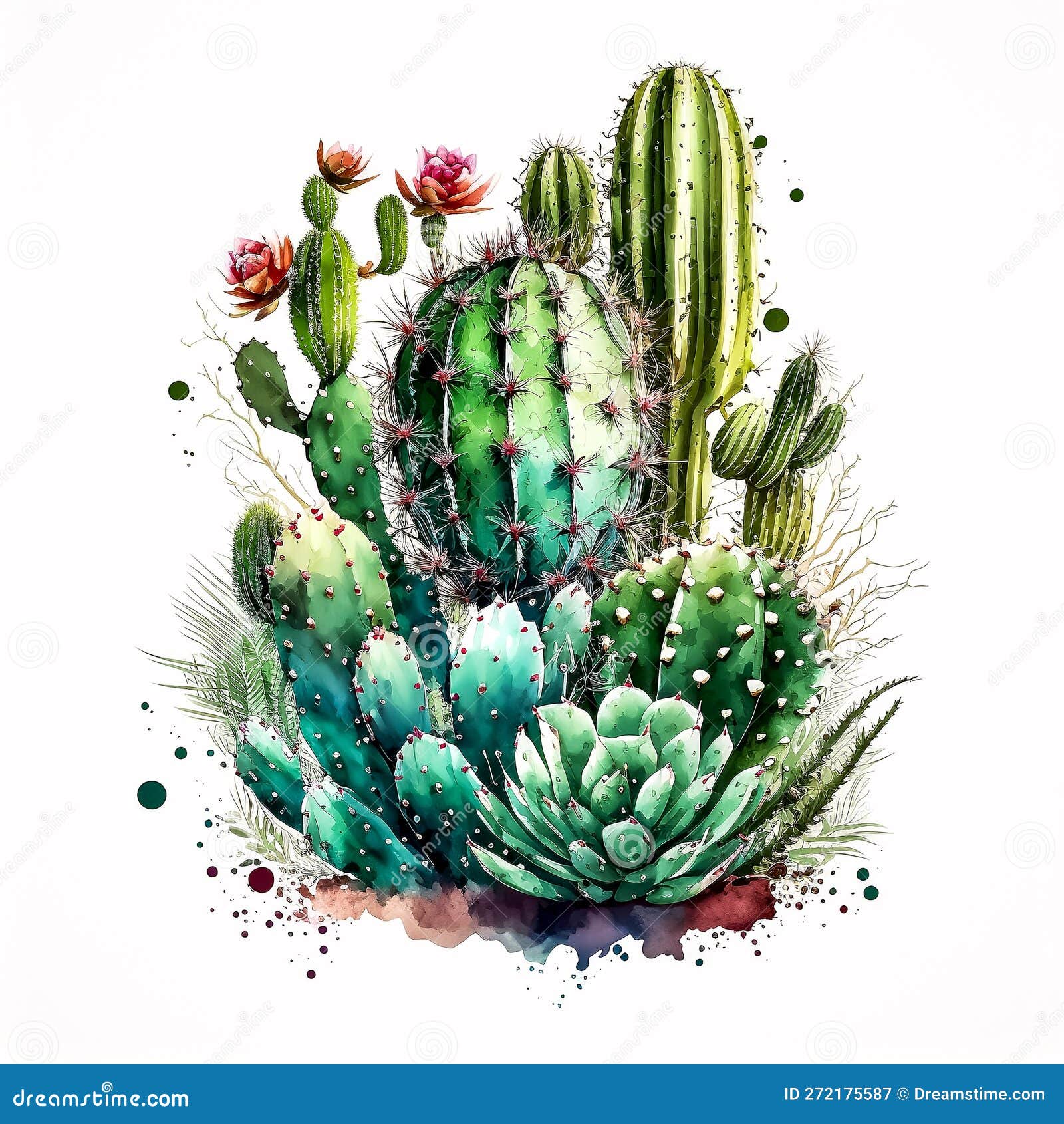
The cactus, with its stoic resilience and stark beauty, stands as a silent sentinel in the world’s most unforgiving landscapes. Yet, in the realm of fantasy writing, this unassuming desert dweller transforms into a vessel of wonder, a metaphorical keystone for crafting worlds that are as haunting as they are hypnotic. To weave a desert setting into a fantasy narrative is to invite readers into a terrain where survival is an art, where beauty is forged in adversity, and where the very essence of life is distilled into a single, thorned silhouette against the blazing horizon. The cactus, with its paradoxical blend of fragility and fortitude, becomes the perfect emblem for such worlds—where the harshest conditions birth the most extraordinary magic.
The Cactus as a Symbol of Resilience and Adaptation
In the crucible of the desert, where water is a myth and the sun a merciless tyrant, the cactus thrives—not in spite of its environment, but because of it. This is the first lesson fantasy writers must absorb: a magical desert world is not a place of mere desolation, but a crucible where life adapts in ways that defy conventional biology. The cactus, with its succulent flesh and deep root systems, embodies the principle of xerophytic adaptation, a term that could easily describe the societies and creatures that inhabit these arid realms. A fantasy culture might mirror the cactus’s ability to store vital essence, not in water, but in magic—perhaps a nomadic tribe that hoards arcane energy in crystalline reservoirs within their bodies, or a city built atop a vast underground aquifer of raw spellcraft, tapped only in times of dire need.
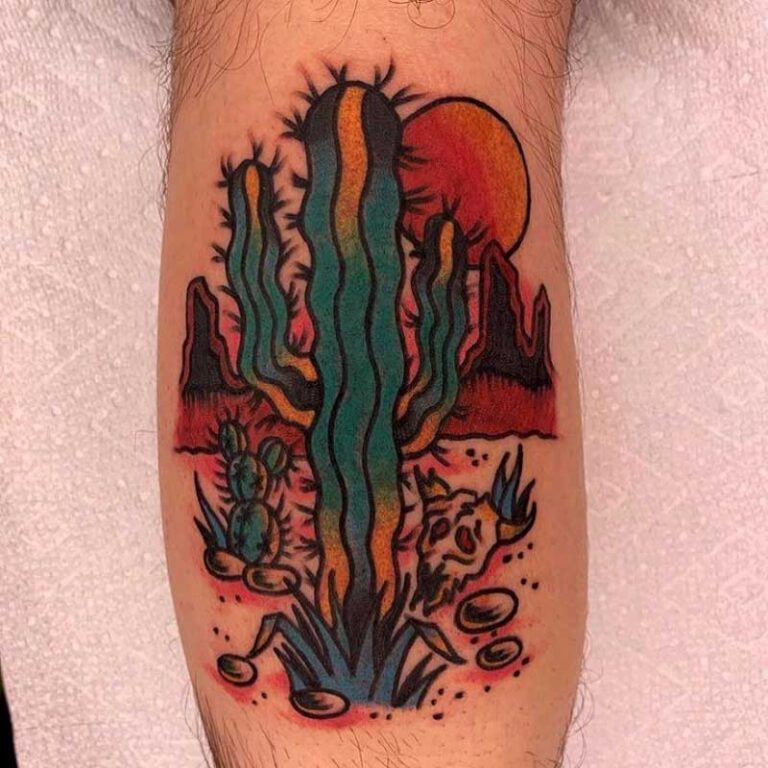
Consider the saguaro cactus, its arms outstretched like the branches of an ancient, gnarled tree. In fantasy, this could be reimagined as a sentient entity, a colossal guardian whose roots delve into the earth’s ley lines, drawing power to sustain entire ecosystems. Its arms might cradle floating gardens, oases suspended in midair, where rare flora and fauna flourish under the watchful gaze of these botanical titans. The cactus’s spines, often dismissed as mere defense mechanisms, could serve as conduits for magic, their sharp tips channeling raw energy into protective wards or deadly weapons. Here, the desert is not a wasteland but a living, breathing entity, and the cactus is its heart, its spine, its unyielding will to endure.
Oases: The Pulsing Heart of Desert Magic
Where the cactus rules the dunes, the oasis is its antithesis—a lush, verdant sanctuary that defies the surrounding desolation. In fantasy writing, an oasis is more than a watering hole; it is a nexus of life, a place where the rules of the desert bend and twist into something wondrous. The cactus, with its thorns and resilience, frames these havens, creating a stark contrast that heightens their allure. Imagine an oasis where the water shimmers with bioluminescent algae, casting eerie blue-green light upon the reeds. The air hums with the whispers of ancient spells, embedded in the very fabric of the place by long-forgotten sorcerers who sought to preserve life in a land that would otherwise claim it.
But oases are not merely passive settings; they are active characters in the narrative. A fantasy oasis might be a sentient entity, a dormant god awakened by the touch of a traveler’s hand. Its waters could heal wounds or curse those who drink without permission. The cacti surrounding it might bloom with flowers that sing when the wind passes through their petals, or their fruit could grant visions of the future—or madness. The desert’s harshness makes these moments of abundance all the more precious, and the cactus, ever-present, serves as a reminder of the cost of such beauty. To reach an oasis is to earn it, to prove one’s worth in a land that offers no mercy to the unworthy.
The Thorn as a Weapon and a Metaphor
The cactus’s thorns are not merely defensive; they are a declaration of intent. In fantasy, they can be reimagined as tools of both destruction and creation. A warrior’s spear might be carved from the hardened wood of a dead cactus, its tip laced with venom that induces hallucinations in enemies. Alternatively, thorns could be woven into enchanted tapestries that ward off evil spirits, their sharp edges repelling darkness as effectively as they repel predators. The act of harvesting thorns could be a rite of passage, a test of courage and endurance, where the bravest souls venture into the desert at the height of summer, armed only with gloves and determination, to gather the sacred spines.
Metaphorically, the thorn represents the duality of the desert itself—both a barrier and a gateway. It is the obstacle that must be overcome to reach something greater, the pain that precedes transformation. A character who learns to wield cactus thorns as weapons might also learn to see the beauty in their sharpness, to appreciate the way they catch the light like scattered stars. In a world where magic is as unpredictable as the desert’s storms, the thorn becomes a symbol of control, of harnessing the untamed forces around you. It is a reminder that even in the harshest of places, there is power to be found—for those willing to reach out and grasp it.
Desert Nomads and the Cactus’s Legacy
The people who traverse the desert are as much a part of its magic as the cacti that dot the landscape. Nomadic tribes, with their deep knowledge of the land, could revere the cactus as a deity, a silent teacher that imparts wisdom through its very existence. Their myths might speak of a time when the first cactus sprouted from the tears of a god, or when a great desert storm birthed these spiny sentinels to protect the weak. Their clothing could be woven from cactus fiber, their tents fashioned from its ribs, their fires stoked with its dried flesh. To them, the cactus is not just a plant; it is a lifeline, a companion, a symbol of their unbreakable spirit.
In fantasy, these nomads could be the keepers of lost knowledge, the only ones who know the secret paths to hidden oases or the locations of buried treasures. Their society might revolve around the cycles of the cactus—planting new ones to mark sacred sites, harvesting their fruit at precise moments to ensure the next generation’s survival. A traveler who joins their ranks would learn that the desert is not a place to be feared, but a place to be understood, to be lived in harmony with. The cactus, in this context, becomes a bridge between the human and the divine, a living testament to the idea that even in the most barren of places, life—and magic—will always find a way.
The Cactus in Magic and Alchemy
Magic in a desert world must be as resilient as the cactus itself, drawing its power from the land’s harshness rather than shying away from it. Alchemists might distill the essence of cactus blooms into potions that grant temporary invulnerability, or brew teas from its roots to induce prophetic dreams. The spines could be ground into a powder that, when sprinkled on wounds, accelerates healing—or curses those who misuse it. The desert’s magic is not gentle; it is sharp, unyielding, and often painful, much like the cactus that embodies it.
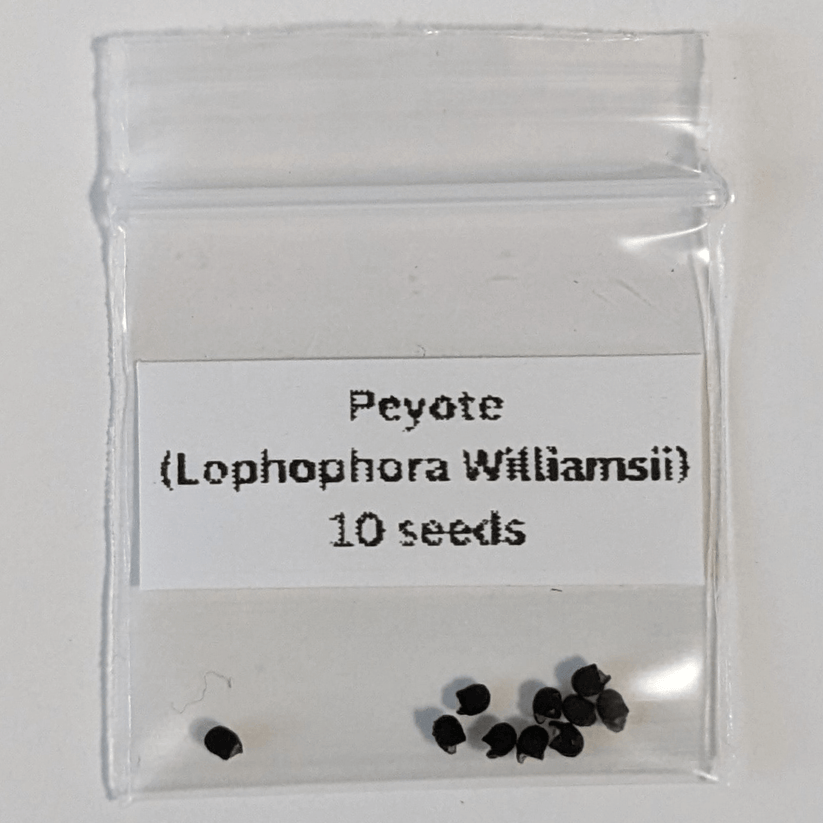
Consider the peyote cactus, a plant steeped in mysticism and ritual. In fantasy, it could be the source of a hallucinogenic sacrament, a substance that allows seers to commune with the desert’s spirit. Those who partake might witness visions of the past, present, and future, but at a cost—their minds unraveling like the roots of a dying cactus if they indulge too deeply. Alternatively, the cactus could be the key to a forbidden art, a way to siphon magic from the earth itself, leaving behind a trail of withered plants and barren soil. The ethical dilemmas of such power would add depth to the world, forcing characters to grapple with the consequences of their ambitions.
The Desert’s Duality: Beauty and Peril
To write a fantasy world centered around the cactus is to embrace the desert’s duality—the way it can be both breathtaking and brutal, a place of awe-inspiring sunsets and soul-crushing silence. The cactus, with its stark silhouette against the sunset, is the perfect visual metaphor for this balance. It is a reminder that beauty and danger are not mutually exclusive; they are two sides of the same coin. A fantasy desert might be home to creatures that are as mesmerizing as they are deadly—serpentine sand wraiths that dissolve into dust when struck, or colossal beetles that roll across the dunes like living boulders, their carapaces etched with ancient runes.
The cactus, too, can be a harbinger of peril. Its fruit might be deceptively sweet, laced with a slow-acting poison that induces a waking dream, trapping the eater in a loop of their deepest desires. Its shade, though a blessing in the scorching heat, could be a trap, a place where time distorts and travelers emerge decades older—or not at all. The desert’s magic is not kind, but it is honest. It does not coddle; it tests. And those who pass its trials emerge transformed, their spirits as resilient as the cacti that dot the landscape.
FAQ
How do cacti symbolize resilience in fantasy writing?
Cacti represent resilience and adaptation, thriving in harsh environments, making them powerful symbols in fantasy narratives.
What role do oases play in a fantasy desert setting?
Oases serve as lush sanctuaries in fantasy deserts, often imbued with magical properties and contrasting the surrounding aridity.

Leave a Reply