
Short Answer
The humble cactus, with its stoic silhouette and quiet resilience, has long been a symbol of endurance in the harshest of landscapes. Yet, in the hands of a creative soul, this prickly wonder transforms into something far more enchanting—a vessel for artistry, a canvas for expression, and a testament to the beauty of handmade craftsmanship. Welcome to the world of cactus pottery, where the fusion of nature and human ingenuity gives birth to decor that is as bold as it is serene. This is not merely about planting a cactus; it’s about cultivating a narrative, one that whispers tales of patience, passion, and the unyielding spirit of creation.
The Allure of Handmade Planters: Why Cactus Pots Captivate the Imagination
There’s an ineffable magic in objects crafted by human hands—each imperfection a brushstroke in a larger masterpiece. Handmade cactus planters are no exception. Unlike their mass-produced counterparts, these vessels bear the unmistakable imprint of their maker: the slight asymmetry of the clay, the faintest fingerprint embedded in the glaze, the subtle variations in texture that speak of a process as much as a product. They are not just containers; they are heirlooms in the making, each one a silent storyteller of the hours spent shaping, firing, and refining. The tactile warmth of terracotta, the cool elegance of glazed ceramics, or the rustic charm of hand-painted designs—each material choice reflects a deliberate act of creativity, turning a simple planter into a conversation piece that demands to be touched, admired, and pondered.
Beyond their aesthetic appeal, these planters embody a philosophy of intentional living. In a world dominated by disposable goods, a handmade cactus pot is a rebellion—a declaration that beauty should be slow, deliberate, and deeply personal. It invites us to slow down, to appreciate the labor behind the object, and to find joy in the imperfect. After all, what is more human than a little asymmetry, a hint of asymmetry, a whisper of the maker’s hand in every curve and edge?

The Art of Crafting: Techniques That Elevate Cactus Planters
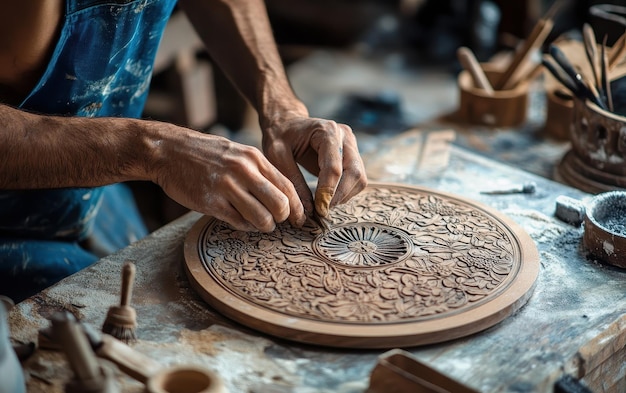
The creation of a cactus planter is a dance between tradition and innovation, a dialogue between the potter’s hands and the earth’s bounty. The journey begins with the clay—a malleable, forgiving medium that yields to the potter’s vision. Wheel-thrown planters, with their smooth, symmetrical forms, are a testament to precision and control, while hand-built pieces, sculpted coil by coil, exude a raw, organic energy. Each technique offers its own rewards: the former, a sense of mastery; the latter, a celebration of imperfection and spontaneity.
Glazing is where the alchemy truly happens. A single dip in a vibrant cobalt glaze can transform a humble terracotta pot into a jewel-toned centerpiece, while layered, crackle-glazed finishes evoke the patina of time itself. For those seeking a more avant-garde approach, sgraffito—scratching designs into the clay before firing—adds a layer of intricate detail, turning the planter into a miniature canvas. And let’s not forget the enchantment of textured surfaces: imprinted with lace, carved with geometric patterns, or adorned with hand-painted motifs, these planters become wearable art for the cactus within.
The final touch? The firing process. Whether in a traditional wood-fired kiln, where flames dance across the surface, leaving behind smoky, unpredictable patterns, or in a modern electric kiln, where precision reigns, the heat breathes life into the clay. The result is a piece that is not just functional but alive—each crackle, each glaze drip, a testament to the transformative power of fire and artistry.
Styling with Intention: How to Integrate Cactus Planters into Your Space
Incorporating handmade cactus planters into your home is not merely about decoration; it’s about curation. These pieces deserve to be showcased, to be the focal point of a shelf, a windowsill, or a sun-drenched corner. Pair a glossy, cobalt-blue planter with a cluster of spiky green cacti for a bold, modern statement, or opt for a matte, earth-toned vessel to complement a bohemian tableau of woven textiles and dried florals. The key is contrast: juxtapose the ruggedness of the planter with the delicate spines of the cactus, or let the planter’s color palette echo the hues of your surroundings for a harmonious blend.
Consider the placement carefully. A tall, slender planter can draw the eye upward, elongating a room, while a low, wide vessel adds a grounding presence to a coffee table or mantel. Grouping planters of varying heights and textures creates a dynamic vignette, a miniature landscape that invites contemplation. And don’t shy away from the unconventional: a planter suspended from a macramé hanger, a cluster of tiny pots arranged on a floating shelf, or even a single, dramatic piece perched atop a stack of vintage books—these are the details that transform a space from ordinary to extraordinary.
Remember, too, that these planters are not static. They evolve with time, their colors deepening, their surfaces acquiring a patina that tells the story of years spent in your care. A well-chosen cactus planter is not just a decorative object; it’s a living participant in the narrative of your home.
Beyond the Pot: Cactus Decor as a Form of Self-Expression
The world of cactus pottery extends far beyond the planter itself. These spiky muses inspire a spectrum of decor that celebrates texture, form, and symbolism. Picture a gallery wall adorned with framed botanical illustrations of cacti, their delicate lines contrasting with the boldness of a handmade clay frame. Or a collection of miniature cactus sculptures, each one a tiny masterpiece of ceramic art, arranged on a shelf like a miniature desert ecosystem. Even the act of arranging dried cactus pads or arranging them in a shadow box can evoke the quiet grandeur of the desert, bringing a touch of the wild into your sanctuary.
For the truly adventurous, consider integrating cactus-themed decor into unexpected spaces. A cactus-shaped soap dish in the bathroom, a terracotta cactus wall hook in the entryway, or a set of cactus-patterned coasters for your coffee table—these are the details that infuse a home with personality and whimsy. And let’s not forget the symbolic power of the cactus itself: a reminder of resilience, adaptability, and the beauty that thrives in adversity. In a world that often feels chaotic, these prickly companions offer a sense of steadfastness, a quiet promise that even in the driest of times, life will find a way to flourish.
The Sustainable Choice: Why Handmade Cactus Planters Matter
In an era of environmental consciousness, handmade cactus planters stand as a beacon of sustainability. Unlike plastic or mass-produced ceramics, which often rely on energy-intensive processes and non-renewable materials, these pieces are crafted with minimal waste and maximum intention. The clay is sourced locally, the glazes are non-toxic, and the firing process, when done thoughtfully, leaves a smaller carbon footprint than industrial alternatives. Moreover, investing in handmade goods supports artisans and small businesses, fostering a cycle of creativity and economic empowerment.
There’s also the matter of longevity. A well-crafted cactus planter can last for decades, if not generations, its beauty only deepening with time. In a throwaway culture, this is revolutionary. It’s a rejection of the disposable mindset, a commitment to quality over quantity, and a celebration of the enduring value of craftsmanship. Every time you water your cactus, you’re not just tending to a plant; you’re nurturing a piece of art, a fragment of someone’s passion, a tangible connection to the hands that shaped it.
Embracing the Journey: The Rewards of Handmade Decor
To bring a handmade cactus planter into your home is to invite a piece of the maker’s soul into your space. It’s an act of trust, a leap of faith into the unknown, a willingness to embrace the imperfect and find beauty in the handmade. These planters are not just objects; they are collaborators in the art of living, partners in the dance of creation and care. They remind us that the most meaningful decor is not found in stores or catalogs, but in the quiet, deliberate act of making something with our own hands—or at least, in celebrating the hands of those who do.
So, the next time you spot a cactus in a handmade planter, pause. Look closely. Notice the way the light catches the glaze, the way the cactus’s spines cast delicate shadows, the way the pot seems to hum with the energy of its creation. This is more than decor. This is a love letter to the art of living well, slowly, and with intention. And perhaps, just perhaps, it’s an invitation to pick up a lump of clay yourself and begin your own journey of creation.
FAQ
What materials are best for handmade cactus planters?
Terracotta, glazed ceramics, and hand-painted designs are popular choices for creating unique cactus planters.
How can I integrate cactus planters into my home decor?
Consider contrasting textures and colors, and showcase them in dynamic groupings or unique placements to enhance your space.



Leave a Reply