
Short Answer
There’s a quiet revolution brewing in the soil beneath our feet—a silent alchemy where the prickly meets the pliable, where the resilient cactus, often dismissed as a desert oddity, becomes an unlikely ally in the art of composting. For too long, cacti have been relegated to decorative roles, their spiny silhouettes adorning windowsills and patios while their deeper ecological potential remains untapped. Yet, beneath their stoic exterior lies a trove of untold benefits. When harnessed thoughtfully, these succulent sentinels can transform kitchen scraps and garden clippings into nutrient-rich humus, all while thriving in conditions that would wither lesser plants. The fusion of cacti and composting isn’t just a gardening hack; it’s a paradigm shift, a testament to nature’s ingenuity when we dare to look beyond the obvious.
The Symbiotic Dance: Why Cacti Belong in Your Compost Pile
At first glance, the idea of integrating cacti into composting might seem counterintuitive. After all, these plants are built for aridity, their thick, waxy skins and shallow root systems designed to conserve water in the harshest environments. Yet, their very adaptations make them ideal candidates for a composting ecosystem. Cacti excel in breaking down organic matter through a process known as lignocellulosic decomposition, where their microbial allies—often thriving in the nooks of their ribbed stems—accelerate the breakdown of cellulose and lignin, the stubborn compounds that resist decay in traditional compost piles. This means faster nutrient cycling, a boon for gardeners eager to enrich their soil without resorting to synthetic amendments.
Moreover, cacti’s resilience to drought and poor soil conditions makes them low-maintenance partners in composting. Unlike moisture-loving plants that demand constant attention, cacti thrive in the well-drained, aerated environment of a compost pile, where excess water is quickly shed and oxygen flows freely. Their presence can also deter pests; the sharp spines of some species, like the Opuntia or Echinocactus, create a natural barrier against rodents and insects that might otherwise feast on your compost. It’s a harmonious exchange: the cactus gains access to a steady stream of organic nutrients, while the compost pile benefits from the plant’s unique metabolic prowess.
Selecting the Right Cactus: Species That Thrive in Decomposition
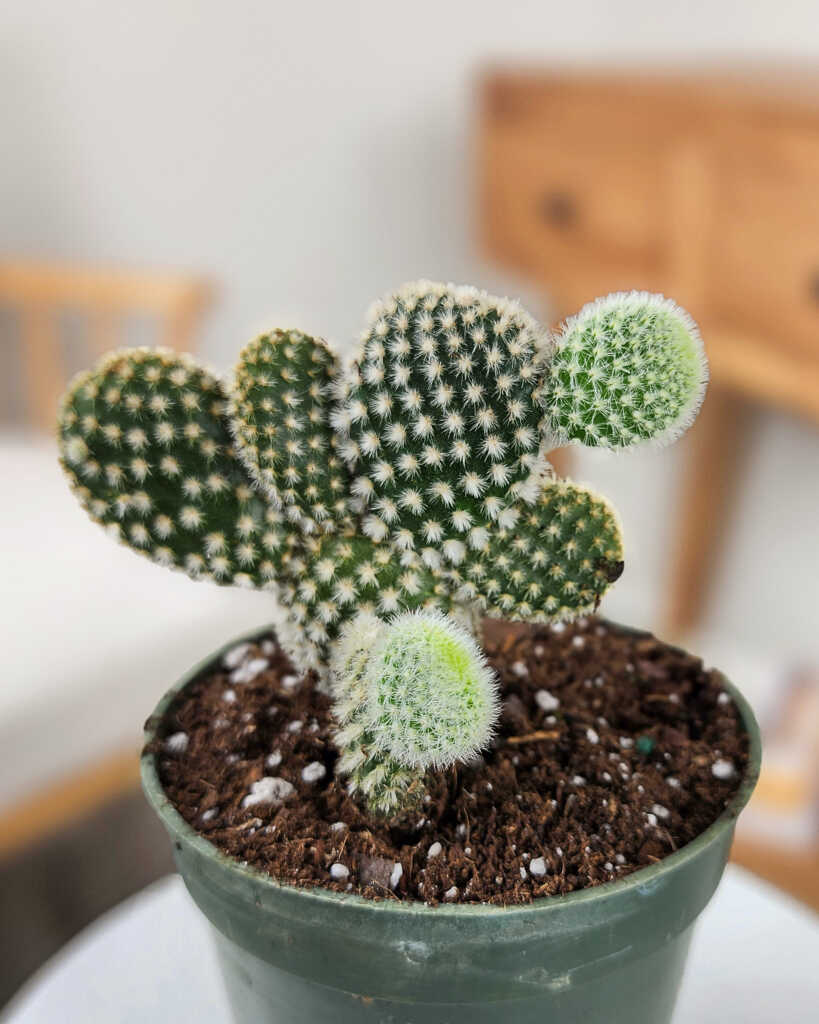
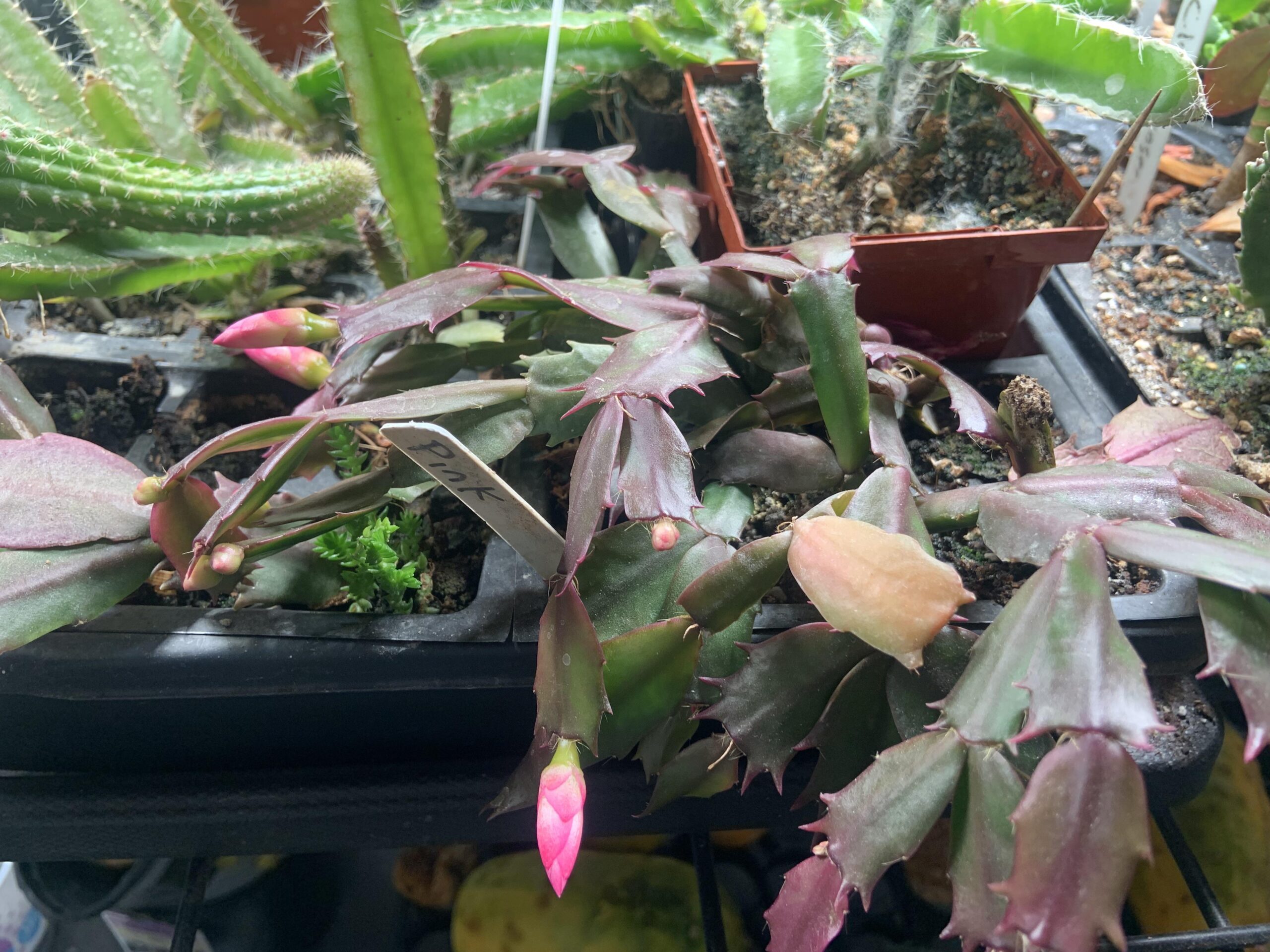
Not all cacti are created equal when it comes to composting. The ideal candidates are those that can tolerate the fluctuating temperatures and moisture levels of a compost pile without succumbing to rot or stress. Among the most adaptable are the Saguaro (Carnegiea gigantea), a towering giant of the Sonoran Desert, and the Barrel Cactus (Ferocactus spp.), whose sturdy form belies its ability to process organic matter efficiently. For smaller spaces, the Christmas Cactus (Schlumbergera spp.) and Prickly Pear (Opuntia spp.) are excellent choices, their segmented stems breaking down more readily than the dense, woody tissues of larger species.
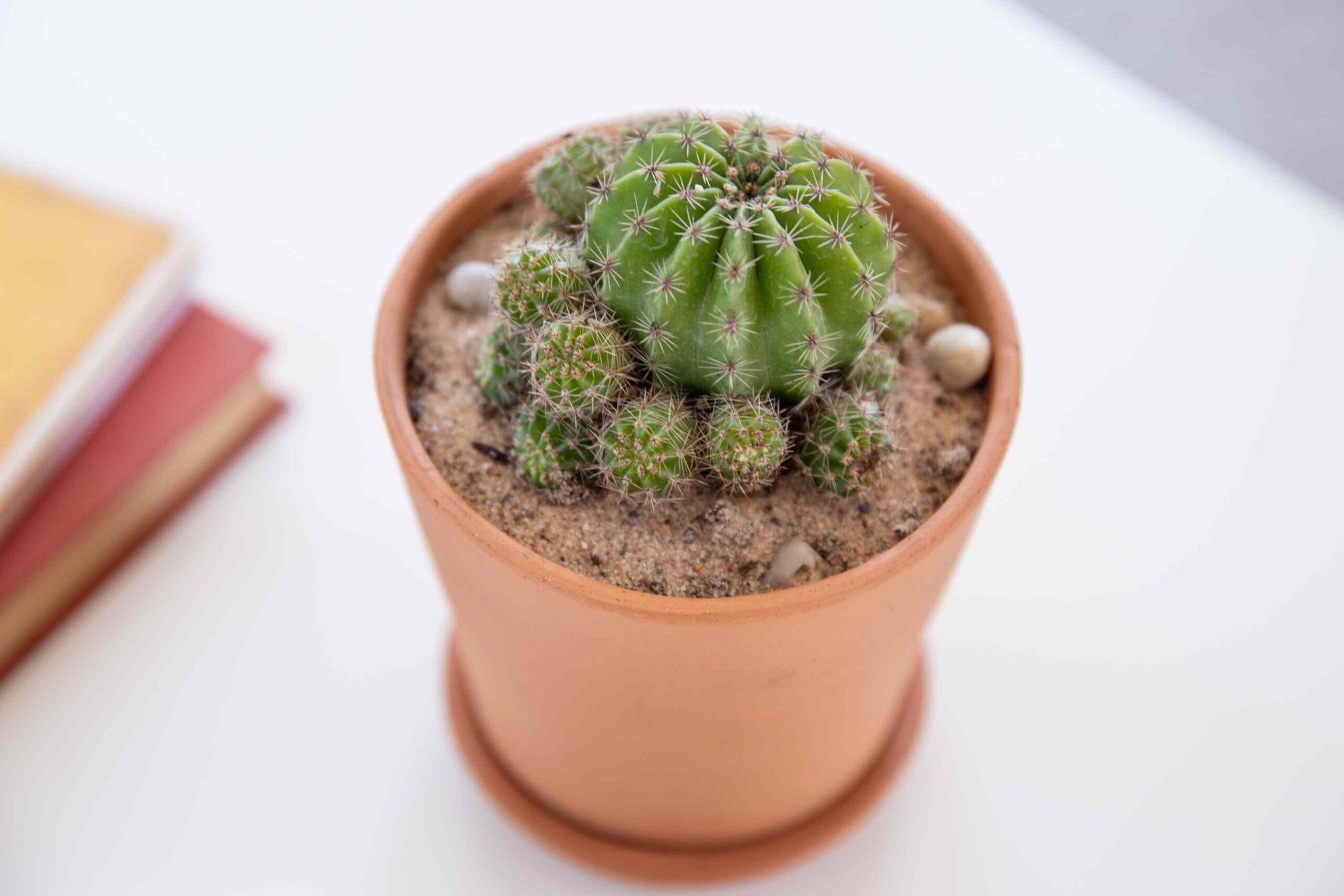
When selecting a cactus for your compost, consider its natural habitat. Species native to arid regions with alkaline soils, such as the Saguaro or Hedgehog Cactus (Echinocereus spp.), are already primed to handle the high pH levels that can develop in compost piles rich in eggshells or wood ash. Conversely, tropical cacti like the Queen of the Night (Selenicereus grandiflorus) may struggle unless your compost is kept consistently warm and moist. Always opt for healthy, pest-free specimens, as stressed or diseased plants can introduce pathogens into your compost ecosystem.
Preparing Your Cactus for Composting: A Delicate Pruning
Before introducing a cactus to your compost pile, it must undergo a careful transformation. The first step is de-spining, a process that requires both precision and patience. Using thick gloves and tongs, carefully remove the spines with a sterilized pair of pruning shears, taking care not to damage the plant’s fleshy tissue. These spines can be repurposed as natural mulch or even woven into decorative art, but they’re best kept out of the compost to avoid tangling and potential injury during turning. Next, the cactus must be segmented. For columnar species like the Saguaro, slice the stem into 2- to 3-inch chunks, ensuring each piece retains some of the plant’s outer skin to protect the inner pulp. For paddle-shaped cacti like the Prickly Pear, remove individual pads and cut them into smaller, manageable pieces.
The timing of this preparation is crucial. Cacti should be pruned during their active growing season, typically spring or early summer, when their cells are turgid and resilient. Avoid pruning in winter or during periods of drought stress, as the plant may not recover, and the organic matter could introduce unwanted pathogens into your compost. Once segmented, allow the cactus pieces to callous over for 24 to 48 hours in a dry, shaded area. This step prevents rot and allows the plant’s natural defenses to kick in, ensuring a smoother transition into the compost pile.
Layering for Success: Building a Cactus-Infused Compost Pile
The key to a thriving cactus-compost hybrid lies in strategic layering. Begin with a base of coarse materials—twigs, straw, or shredded newspaper—to promote aeration and drainage. This foundation prevents the pile from becoming waterlogged, a common pitfall when incorporating succulent tissues. Next, alternate layers of green and brown organic matter, but with a twist: intersperse your cactus segments between these layers, ensuring they’re surrounded by materials that balance their high moisture content. Brown materials like dried leaves, cardboard, or wood chips act as sponges, absorbing excess liquid and preventing the cactus from rotting prematurely.
Turn the pile every 1 to 2 weeks, using a pitchfork or compost aerator to mix the cactus pieces thoroughly. This agitation exposes the plant material to oxygen, accelerating decomposition and preventing the formation of anaerobic pockets where harmful bacteria could thrive. If your pile begins to emit a sour or putrid odor, it’s a sign of imbalance—likely too much moisture or nitrogen. In this case, add more brown materials and turn the pile more frequently. Conversely, if the pile is dry and slow to heat up, a sprinkle of water and a nitrogen-rich amendment like alfalfa meal or grass clippings can kickstart the microbial activity.
Monitoring and Troubleshooting: The Art of Patience
Composting with cacti is not a sprint; it’s a slow, deliberate waltz with nature. Unlike traditional compost, which can break down in as little as 6 weeks, a cactus-infused pile may take 3 to 6 months to fully mature. During this time, monitor the pile’s temperature with a compost thermometer. Ideally, the internal temperature should reach between 120°F and 160°F (49°C to 71°C) within the first few weeks, a sign that microbial activity is in full swing. If the temperature stalls or drops too low, the pile may need more nitrogen or a thorough turning to reintroduce oxygen.
One of the most common challenges is the formation of a hard, crusty layer on the pile’s surface, a phenomenon known as compost crusting. This occurs when the cactus segments dry out too quickly or when the pile lacks sufficient moisture. To remedy this, gently break up the crust with a fork and water the pile lightly, ensuring the moisture penetrates evenly. Conversely, if the pile becomes soggy and emits a foul smell, it’s likely suffering from anaerobic conditions. In this case, add dry brown materials and turn the pile vigorously to reintroduce oxygen and restore balance.
Harvesting and Using Cactus-Enriched Compost
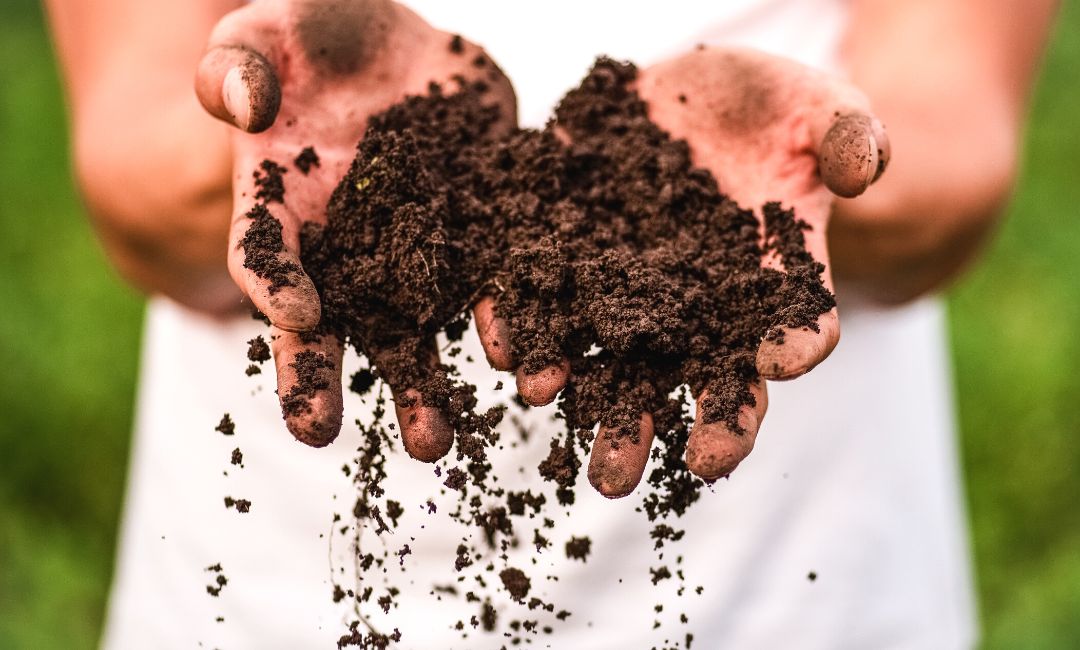
When the compost is ready, it will resemble dark, crumbly soil with a rich, earthy aroma—no recognizable cactus fragments remain. At this stage, it’s safe to use in your garden, but with a few caveats. Cactus compost is exceptionally high in silica, a mineral that strengthens plant cell walls and enhances drought resistance. This makes it ideal for seedlings, succulents, and other plants that thrive in lean, well-drained soils. However, its high mineral content can be overwhelming for delicate plants like lettuce or herbs, so use it sparingly or blend it with regular compost.
To apply, spread a 1- to 2-inch layer over the soil surface and lightly work it into the top 2 to 3 inches of soil. For potted plants, mix the compost with potting soil in a 1:3 ratio to avoid compacting the medium. Over time, you’ll notice a shift in your garden’s resilience—plants will exhibit deeper root systems, vibrant foliage, and an increased tolerance to environmental stressors. It’s a quiet revolution, one that begins with a single cactus and ends with a garden that thrives in harmony with the land.
FAQ
Can all types of cacti be used in composting?
No, not all cacti are suitable for composting. It’s best to choose species that can tolerate fluctuating temperatures and moisture levels.
What is the best way to prepare cacti for composting?
Cacti should be de-spined and segmented before adding them to the compost pile, allowing them to callous over to prevent rot.
Leave a Reply