

Short Answer
In the vast, sun-scorched expanse of the Chihuahuan Desert, where the earth cracks like parched lips under the relentless gaze of the sun, there exists a botanical marvel that defies the harshness of its surroundings—the Astrophytum. These cacti, with their geometric perfection and delicate, star-like blooms, are not merely survivors; they are poets of endurance, whispering secrets of resilience through their silent, spiny forms. Yet, their existence hangs by a thread, frayed by the invisible tendrils of habitat loss that coil around their roots like the serpents of an ancient myth. To understand the plight of the Astrophytum is to peer into a mirror held up to our own complicity in the unraveling of nature’s tapestry—a tapestry in which every thread, no matter how small, is vital to the whole.
The Desert’s Vanishing Canvas: A Habitat in Retreat
The Chihuahuan Desert, a sprawling mosaic of arid beauty, is not a static landscape but a living, breathing entity that shifts and sighs with the rhythms of time. Yet, this ancient canvas is being erased, one brushstroke at a time, by the encroaching specters of agriculture, urban sprawl, and industrial expansion. The Astrophytum, a genus of cacti that includes the iconic Astrophytum asterias—the “sea urchin cactus”—relies on the delicate balance of its habitat: a specific blend of soil chemistry, microclimate, and symbiotic relationships with pollinators and seed dispersers. When the desert’s skin is broken by bulldozers or smothered under asphalt, the cacti’s world fractures like glass under a hammer blow.
Consider the irony: these plants, which have evolved to thrive in conditions that would wither most life, are now being starved of the very space they need to flourish. The desert’s silence, once a sanctuary, is now punctuated by the roar of machinery, the scent of diesel fumes replacing the earthy perfume of creosote bushes after rain. The Astrophytum’s habitat is not just shrinking; it is being erased, reduced to fragmented islands of survival where the cacti cling to existence like survivors of a shipwreck on a shrinking raft.
The Star-Crossed Blooms: Pollination in Peril
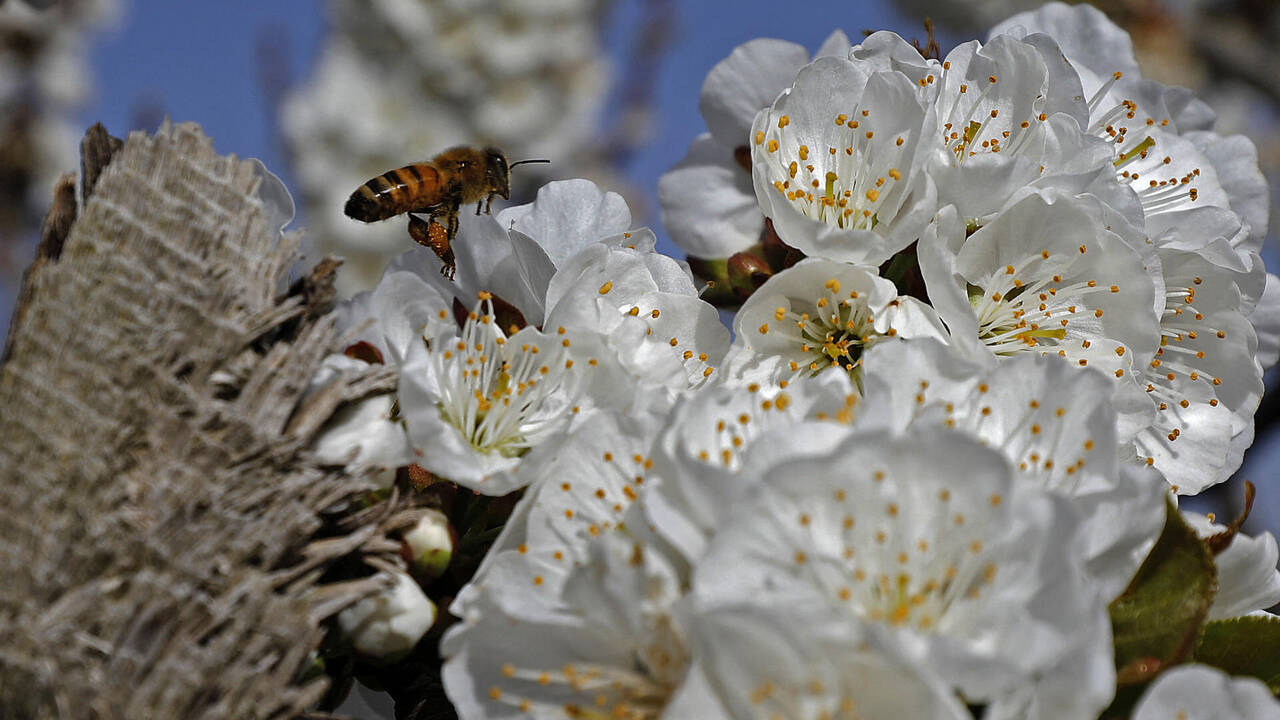
For the Astrophytum, reproduction is a delicate ballet, choreographed by the desert’s most ephemeral performers—its pollinators. The cactus’s radiant yellow or white flowers, which unfurl like miniature suns at dawn, are not merely decorative; they are a lifeline, a desperate cry for connection in an increasingly disconnected world. Bees, moths, and even the occasional hummingbird are the unsung heroes of this drama, flitting from bloom to bloom with the precision of dancers in a grand performance. Yet, as habitat loss gnaws at the edges of the desert, these pollinators vanish like ghosts at sunrise.
The consequences are dire. Without pollinators, the Astrophytum’s seeds remain unborn, its genetic legacy frozen in time. The cactus’s ability to adapt—to evolve in the face of climate change or disease—is stifled, leaving it vulnerable to the slightest perturbation. It is a cruel paradox: the very species that have mastered the art of survival in the harshest conditions are now being undone by the one force they cannot outlast—human encroachment. The desert’s silence grows louder, a mournful dirge for the blooms that will never be.
Soil and Spirit: The Erosion of a Sacred Symbiosis
Beneath the surface, where the roots of the Astrophytum delve deep into the earth, lies a hidden world of symbiosis—a delicate web of life that sustains the cactus in ways both seen and unseen. Mycorrhizal fungi, microscopic allies, weave through the soil, trading nutrients for carbohydrates, a silent pact of mutualism that has endured for millennia. Yet, this partnership is not immune to the ravages of habitat loss. When the soil is disturbed—by plowing, by construction, by the relentless march of progress—the fungi are displaced, their networks severed like the roots of an ancient tree.
The Astrophytum’s spirit, too, is tied to the land in ways that defy quantification. Indigenous cultures of the Chihuahuan Desert have long revered these cacti, seeing in their star-like forms a reflection of the cosmos itself. The loss of habitat is not merely an ecological tragedy; it is a cultural erasure, a severing of the threads that connect humanity to the land. The cacti are not just plants; they are living archives, repositories of stories and traditions that stretch back to the dawn of time. When they vanish, so too does a piece of our shared heritage.
The Fragmented Future: Islands of Hope in a Sea of Despair
In the face of such devastation, it is easy to succumb to despair. Yet, even in the darkest nights, there are stars—and for the Astrophytum, these stars take the form of conservation efforts, of protected reserves, of scientists and activists who refuse to let these cacti slip into oblivion. The creation of habitat corridors, where the desert’s fragmented landscapes are stitched back together, offers a glimmer of hope. These corridors are not just physical pathways; they are lifelines, allowing the Astrophytum to migrate, to adapt, to find new homes in a changing world.
But conservation is not a passive endeavor. It requires vigilance, creativity, and a willingness to challenge the status quo. Some conservationists are turning to assisted migration, carefully relocating Astrophytum populations to areas predicted to remain habitable in the face of climate change. Others are working to restore degraded habitats, reintroducing native plants and fungi that once thrived alongside the cacti. These efforts are not just about saving a species; they are about preserving the soul of the desert, the quiet majesty of a landscape that has endured for eons.
The Last Stand: Why the Astrophytum Matters
To ask why the Astrophytum matters is to ask why any species matters. The answer lies not in utility, not in economic value, but in the profound interconnectedness of all life. The Astrophytum is a keystone species, a linchpin in the desert’s delicate ecosystem. Its loss would send ripples through the web of life, unraveling relationships that have existed since time immemorial. It is a reminder that we are not separate from nature; we are a part of it, bound together in a fragile dance of survival.
Moreover, the Astrophytum is a symbol of resilience, a testament to the power of life to endure even in the harshest conditions. In a world where habitats are vanishing at an alarming rate, the cactus stands as a defiant beacon of hope. Its story is our story—a call to action, a plea to remember that we are not the owners of this planet, but its stewards. The desert’s silence is not empty; it is a challenge, a whisper in the wind that demands we listen, that demands we act.
The Astrophytum’s fate is not yet sealed. There is still time to turn the tide, to rewrite the ending of this story before it becomes a tragedy. But time is running out, and the desert’s patience is wearing thin. The question is not whether we can save the Astrophytum; it is whether we will. The stars in the sky are watching. The cacti are waiting.
FAQ
What is Astrophytum?
Astrophytum is a genus of cacti known for their unique geometric shapes and beautiful blooms, native to arid regions like the Chihuahuan Desert.
How does habitat loss affect Astrophytum?
Habitat loss leads to reduced populations of Astrophytum by disrupting their ecosystems, affecting pollination, and diminishing their ability to thrive.
What conservation efforts are being made for Astrophytum?
Conservation efforts include creating habitat corridors, assisted migration, and restoring degraded habitats to support Astrophytum populations.



Leave a Reply