
Short Answer
In the arid expanse of a desert at dusk, where the sun bleeds into the horizon like molten copper, a silent sentinel stands guard against oblivion. Not a warrior, not a monument—but a spiky, unassuming cactus, its ribs etched with the scars of time. These botanical marvels, often dismissed as mere desert decor, are in fact living time capsules, guardians of biodiversity in an era of relentless ecological upheaval. Yet, their survival is no longer guaranteed by the whims of nature alone. Enter the unsung heroes: botanical gardens. These curated havens of flora are not just pretty landscapes; they are the last bastions of hope for countless endangered cacti species, where science, conservation, and wonder intertwine in a delicate dance of preservation.
The Silent Crisis: Why Cacti Are Vanishing from the Wild
To understand the urgency of botanical gardens in cactus conservation, one must first grasp the gravity of the crisis unfolding in the wild. Cacti, those stoic survivors of extreme environments, are facing an existential threat—not from drought or heat, but from human hands. Illegal poaching, habitat fragmentation, and climate change are stripping these plants of their natural homes at an alarming rate. The Saguaro, with its towering arms outstretched like a supplicant, once dominated the Sonoran Desert; now, its populations dwindle under the weight of urban sprawl and climate shifts. The once-abundant Mammillaria species, with their globular forms and vibrant flowers, are plucked from the wild by collectors willing to pay exorbitant sums for a single specimen. The irony is stark: the very traits that make cacti resilient—slow growth, specialized adaptations—also make them vulnerable to exploitation.
Consider the Turbinicarpus genus, a group of tiny, jewel-like cacti native to Mexico. These plants, no larger than a golf ball, have been decimated by over-collection. Their rarity in the wild has made them prized trophies in the black market, driving some species to the brink of extinction. The problem is exacerbated by the fact that cacti, unlike many other plants, cannot be easily propagated from cuttings. Each individual is a unique genetic entity, and the loss of even a single population can mean the irreversible erosion of biodiversity. The wild is no longer a safe haven; it is a battleground where cacti fight for survival against forces far greater than themselves.
Botanical Gardens: The Ark of the Plant Kingdom
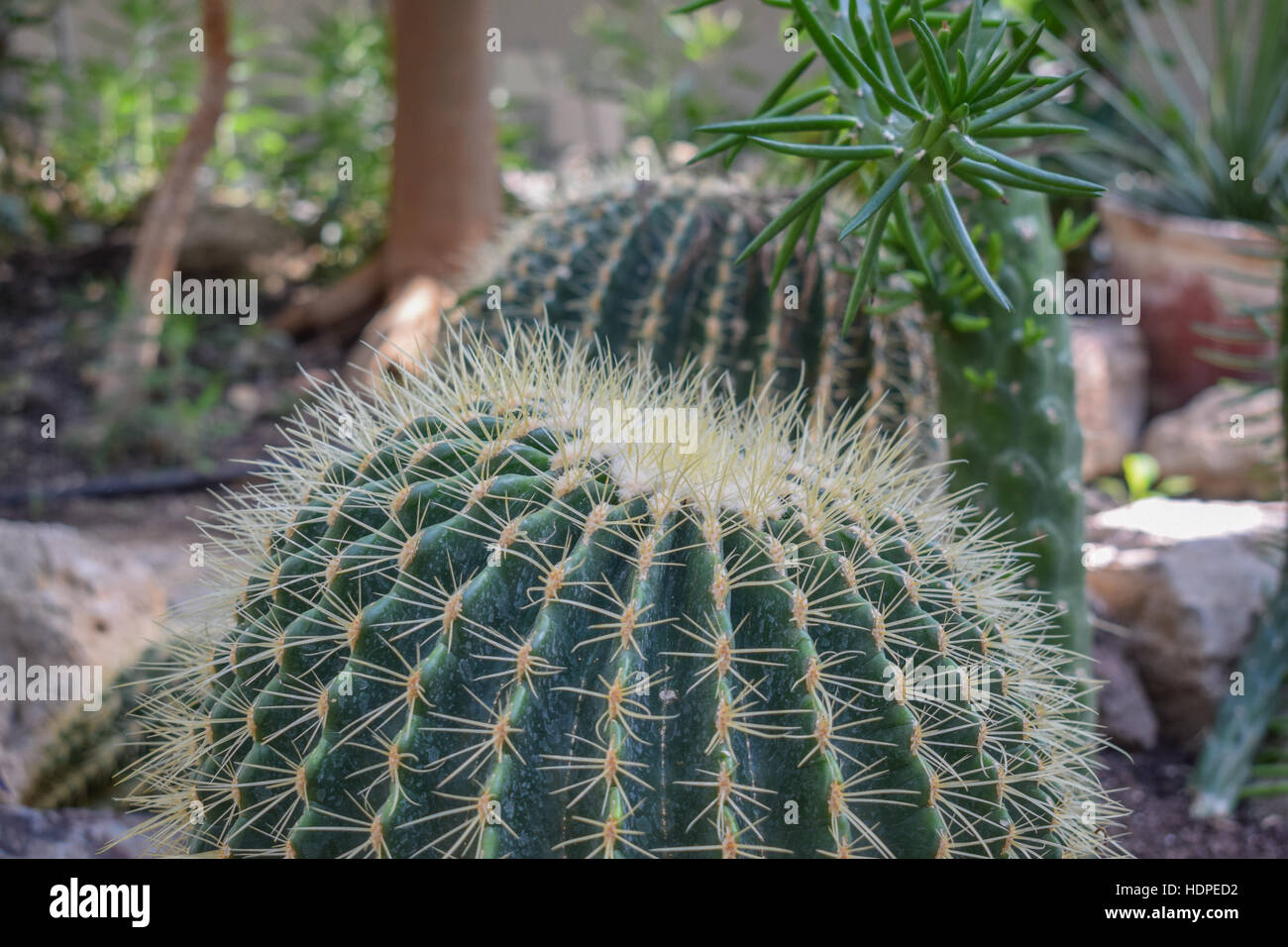
Amidst this bleak landscape, botanical gardens emerge as the modern-day Arks of the plant kingdom—meticulously designed sanctuaries where endangered cacti are nurtured, studied, and, crucially, reintroduced to the wild. These institutions are far more than mere display gardens; they are living laboratories where conservationists wage a quiet war against extinction. Take, for instance, the role of ex-situ conservation, where plants are cultivated outside their natural habitats to safeguard their genetic material. Botanical gardens serve as genetic banks, preserving the diversity of cacti that might otherwise vanish forever.
The process is painstaking. Seeds from wild cacti are collected with surgical precision, ensuring that genetic diversity is maintained. These seeds are then germinated in controlled environments, where scientists monitor every variable—humidity, temperature, light—to mimic the conditions of their native habitats as closely as possible. The goal is not just to keep the plants alive but to ensure they retain the resilience and adaptations that make them unique. Some gardens, like the one in Tucson, Arizona, have pioneered techniques to propagate cacti from tissue culture, a method that allows for the rapid multiplication of endangered species while preserving their genetic integrity.
But conservation is not just about survival; it’s about restoration. Botanical gardens play a pivotal role in reintroduction programs, where carefully cultivated cacti are transplanted back into their native habitats. This is no simple task. The reintroduced plants must contend with the same threats that drove their wild counterparts to the brink—poaching, habitat loss, climate change. Yet, these efforts offer a glimmer of hope. In Mexico, for example, botanical gardens have collaborated with local communities to reintroduce Ferocactus species to areas where they had been extirpated. The success of these programs hinges on more than just horticulture; it requires education, community engagement, and a deep understanding of the ecological web in which these cacti are embedded.
The Science Behind the Spines: How Gardens Unlock Cactus Mysteries
Beyond their role as conservation strongholds, botanical gardens are hubs of scientific discovery, where the mysteries of cactus biology are unraveled. These plants are not the passive survivors they appear to be; they are complex organisms with adaptations that boggle the mind. Take, for instance, the Mimicry strategies employed by some cacti. The Lophophora genus, commonly known as peyote, produces alkaloids that deter herbivores, while its ribbed, globular form mimics the appearance of stones—a tactic to avoid detection. Botanical gardens provide the perfect setting to study these adaptations, offering controlled environments where researchers can manipulate variables to observe how cacti respond to stress, disease, and environmental changes.
One of the most fascinating areas of research involves the symbiotic relationships between cacti and other organisms. Many cacti rely on specific pollinators, such as bats or bees, for reproduction. In botanical gardens, scientists can study these interactions in detail, identifying the precise conditions required for successful pollination. This knowledge is critical for conservation efforts, as it informs strategies for habitat restoration and reintroduction. Additionally, gardens serve as testing grounds for innovative propagation techniques. Tissue culture, for example, allows for the mass production of genetically identical cacti, which can then be used to bolster wild populations or supply ethical horticultural markets.
The study of cactus genetics is another frontier where botanical gardens are making groundbreaking contributions. By sequencing the genomes of endangered species, researchers can identify genes associated with resilience, drought tolerance, and disease resistance. This information is invaluable for breeding programs aimed at creating hardier cacti that can withstand the challenges of a changing climate. The Echinocactus genus, for instance, has been the subject of extensive genetic research in botanical gardens, revealing adaptations that could inform future conservation strategies for other succulent species.
Community and Conservation: The Human Element in Cactus Survival
No discussion of botanical gardens and cactus conservation would be complete without acknowledging the human dimension. These gardens are not isolated islands of greenery; they are deeply embedded in the communities that surround them. Local engagement is a cornerstone of successful conservation, and botanical gardens are uniquely positioned to foster this connection. Through educational programs, workshops, and citizen science initiatives, gardens empower people to become stewards of their natural heritage. In regions where cacti are culturally significant—such as the Lophophora in indigenous traditions—gardens work closely with local communities to ensure that conservation efforts align with traditional knowledge and values.
Consider the role of botanical gardens in combating illegal poaching. By cultivating rare cacti and making them available through ethical channels, gardens reduce the demand for wild-collected specimens. Some gardens even collaborate with law enforcement to identify and confiscate illegally traded plants, turning the tide against the black market. Education is another powerful tool. Visitors to these gardens learn about the ecological importance of cacti, the threats they face, and the role they can play in protecting them. This shift in perception is crucial, as it transforms cacti from mere ornamental curiosities into symbols of resilience and biodiversity.
The relationship between botanical gardens and local economies is also worth noting. In regions where tourism is a major industry, gardens can serve as economic drivers, attracting visitors who are eager to learn about conservation. This, in turn, creates incentives for local communities to protect their natural habitats rather than exploit them. The synergy between conservation and economic development is a testament to the power of botanical gardens as catalysts for positive change.
Challenges and the Road Ahead: The Fight to Save the Spiny Survivors
Despite their critical role, botanical gardens face a host of challenges in their mission to save endangered cacti. Funding is a perennial issue, as conservation efforts require significant resources—from seed collection to habitat restoration. Climate change poses another formidable obstacle, as shifting weather patterns and extreme events threaten the very ecosystems that gardens strive to protect. Droughts, wildfires, and invasive species can undo years of conservation work in a matter of days, underscoring the fragility of these efforts.
Another challenge lies in the ethical dilemmas surrounding ex-situ conservation. While gardens play a vital role in preserving genetic diversity, there is always the risk that cultivated plants may lose the adaptations that make them resilient in the wild. The delicate balance between preserving genetic integrity and ensuring survival in a changing world is a tightrope that conservationists must walk with care. Additionally, the global nature of plant trade means that conservation efforts must be coordinated across borders, requiring international collaboration and shared resources.
Yet, despite these challenges, the future of cactus conservation is not entirely bleak. Innovations in technology, such as drone surveillance and remote sensing, are providing new tools for monitoring wild populations and detecting illegal poaching. Advances in genetic engineering may one day allow scientists to enhance the resilience of endangered cacti, giving them a fighting chance against climate change. And as awareness of the importance of biodiversity grows, so too does the support for conservation efforts. Botanical gardens, with their blend of science, education, and wonder, are at the forefront of this movement, proving that even the smallest plants can have the most profound impact.
The Lasting Legacy: Why Cacti Matter
To understand why the conservation of cacti is so vital, one must look beyond their spines and flowers to the ecological roles they play. Cacti are keystone species in their habitats, providing food and shelter for a myriad of organisms. The saguaro, for example, is a veritable ecosystem unto itself, hosting birds, insects, and even mammals in its towering arms. Its decline would send ripples through the desert food web, disrupting the delicate balance of life in the arid landscape. Moreover, cacti are indicators of environmental health. Their sensitivity to changes in temperature, water availability, and soil composition makes them sentinels of ecological shifts, warning us of broader threats to biodiversity.
But perhaps the most compelling reason to save cacti lies in their symbolic power. These plants embody resilience, adaptation, and tenacity in the face of adversity. They thrive where others cannot, turning harsh conditions into opportunities for growth. In a world grappling with climate change and biodiversity loss, cacti serve as a reminder of nature’s ingenuity—and our responsibility to protect it. Botanical gardens, with their dedication to these spiny survivors, are not just preserving plants; they are safeguarding a legacy of wonder, a testament to the enduring power of life itself.
As the sun sets over the desert, casting long shadows across the spines of a cactus, one can’t help but feel a sense of awe. These plants, so often overlooked, are the unsung heroes of the botanical world. And thanks to the tireless efforts of botanical gardens, their story is far from over. It is a story of survival, of science, and of the unbreakable bond between humans and the natural world. The fight to save the cacti is not just about preserving species; it’s about preserving a piece of the planet’s soul.
FAQ
What role do botanical gardens play in cactus conservation?
Botanical gardens serve as living laboratories for the conservation of endangered cacti species, providing safe environments for research, propagation, and education.
Why are cacti endangered?
Cacti are endangered due to factors like illegal poaching, habitat loss, climate change, and difficulty in propagation.
How do botanical gardens help in reintroducing cacti to the wild?
Botanical gardens cultivate endangered cacti and collaborate with local communities to reintroduce these plants into their natural habitats, addressing threats such as poaching and habitat loss.





Leave a Reply