
Short Answer
In the realm of interior design, few elements evoke both rugged charm and vibrant life quite like cactus wall art. These captivating plants, celebrated for their resilient nature and striking forms, inspire inventive displays that transform ordinary walls into living masterpieces. Whether you are a seasoned plant enthusiast or simply someone looking to inject a fresh, bohemian vibe into your space, cactus wall art offers an enchanting blend of arid beauty and artistic flair. This article explores an array of creative ways to showcase your cacti, ranging from living walls to graphic interpretations, ensuring your plant collection becomes an unforgettable focal point.
Living Walls: Vertical Gardens Bursting with Life
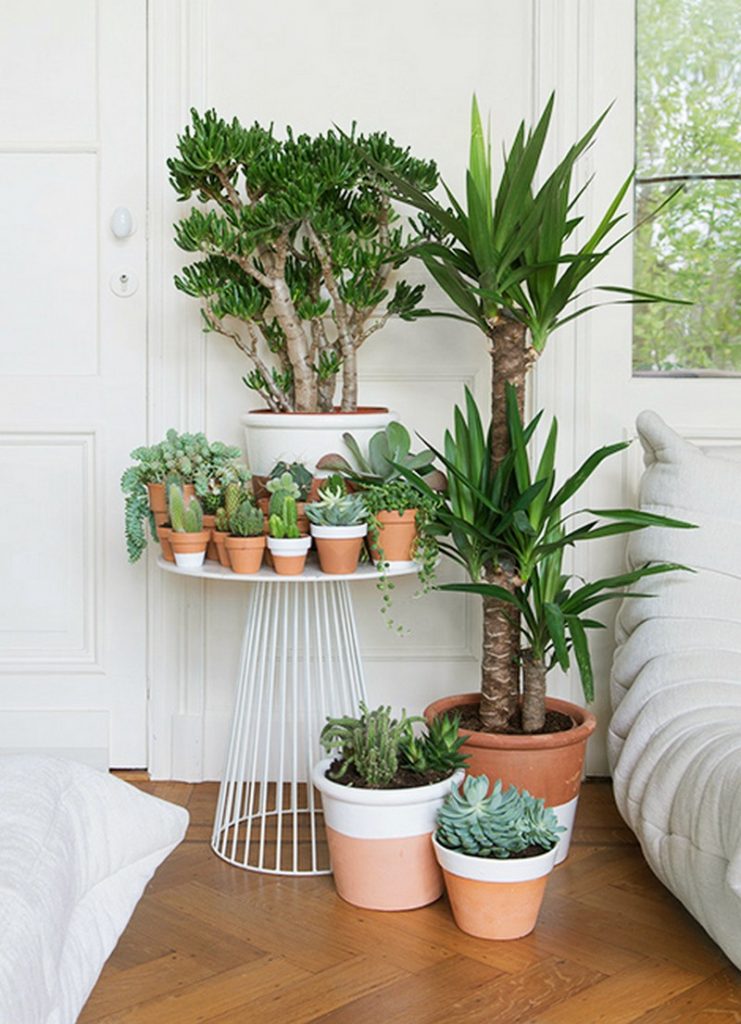
One of the most dynamic methods to exhibit your cactus collection is through living walls—vertical gardens that serve as both décor and a verdant ecosystem. These installations, whether expansive or modest, harness the vertical plane to infuse your interiors with texture and depth. Imagine a sculptural array of various cacti nestled in individual pockets or planters, arranged artfully to mimic a desert oasis rising from your wall.
Living walls demand an astute understanding of light and watering needs. Succulent-friendly soil and well-draining substrates are essential to keep the plants thriving when affixed vertically. You can also experiment with mixed succulent beds where spiky cacti pair harmoniously with rosette-forming plants, creating a tapestry of shapes and hues that captivate the eye from every angle.
Framed Cactus Art: Nature Meets Fine Art
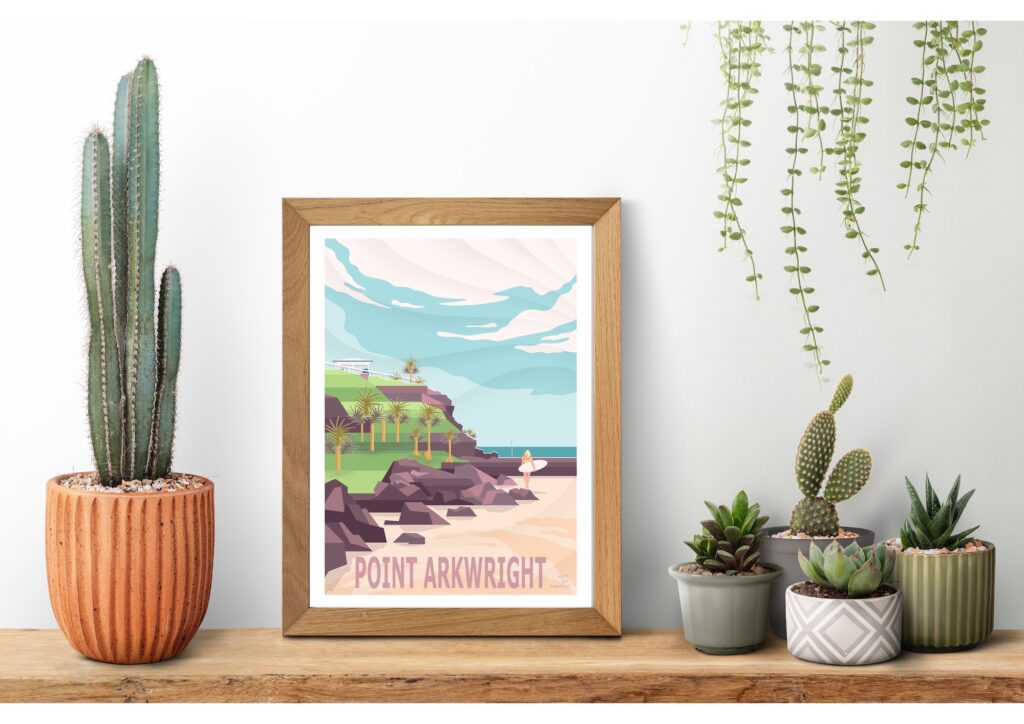
For those who crave botanical sophistication without the maintenance, framed cactus art offers an effortless, stunning alternative. This approach transforms images or pressed specimens of cacti into exquisite wall hangings. Imbued with a blend of minimalism and retro charm, framed cactus artwork punctuates a room with a touch of nature’s raw geometry.
Works rendered as vintage-style prints, botanical sketches, or vibrant digital graphics tap into the nostalgia of mid-century modern décor, where flora is not merely decoration but a statement. A well-chosen frame, perhaps weathered wood or sleek black metal, accentuates the plant’s inherent artistry, allowing you to curate a gallery wall that marries plant life with impeccable design sensibility.

Sculptural Cactus Installations: Bold and Textural Statements
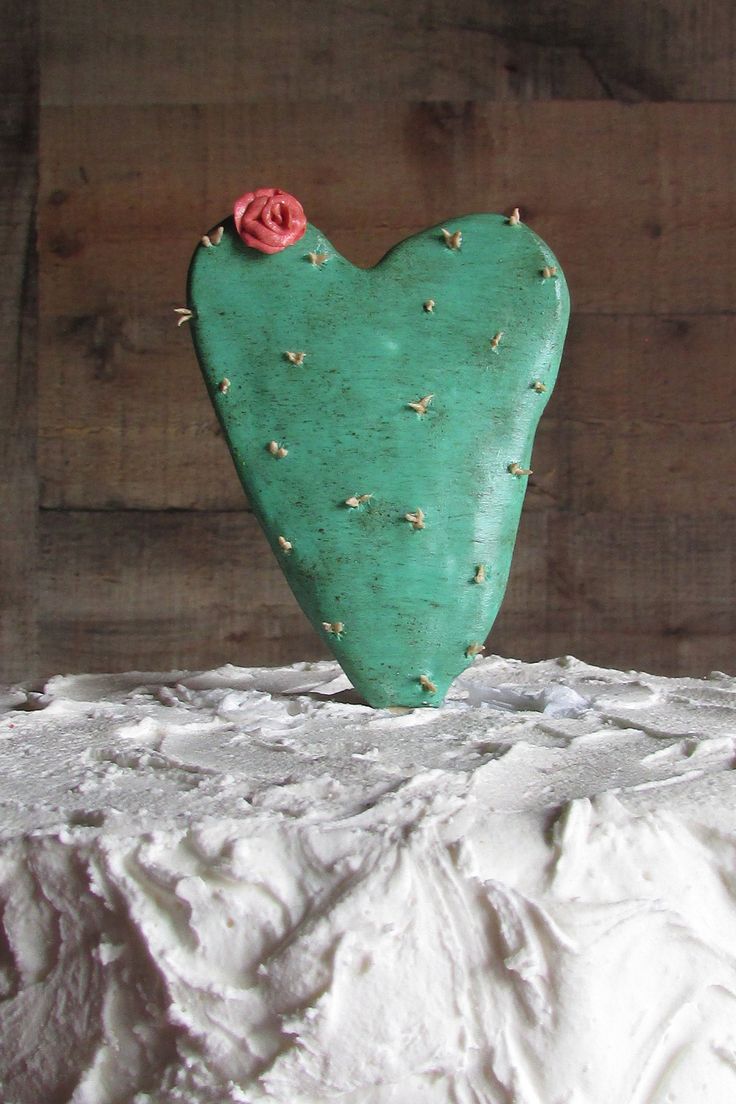
When it comes to adding a three-dimensional drama to your living space, sculptural cactus installations reign supreme. Crafted from materials like metal, wood, or resin, these artistic interpretations of cacti transcend the living plant’s limitations, offering year-round visual intrigue.
These installations can range from minimalist wireframe cacti that cast mesmerizing shadows to large-scale, vividly painted replicas that become the centerpiece of any room. The tactile nature of such sculptures invites viewers to engage with the texture and form of cacti in novel ways, broadening the conventional concept of wall art beyond mere imagery. Their durability also makes them perfect for spaces where maintaining live plants is impractical.
Shadowbox Displays: Miniature Cactus Terrariums within Walls
Shadowbox displays craft an enchanting fusion of containment and presentation, allowing you to bring real or faux cacti into the architectural fabric of your room. By embedding small cacti within glass-fronted boxes, you create intimate passes into a desert landscape, captured and curated with precision.
These shadowboxes can be arranged in eclectic clusters or linear formations to echo the rhythm of natural growth patterns. The interplay of light, shadow, and plant form enhances the tactile experience, rendering each box a singular vignette of botanical allure. This method uniquely balances preservation and display, offering both protection for delicate species and a stunning visual statement.
Cactus-Inspired Murals and Wall Decals: Graphic Boldness at Scale
Dramatic and immediate impact comes from mural art and decals inspired by cactus silhouettes and forms. These large-scale graphic expressions capture the essence of desert flora through bold lines, vibrant colors, or abstract representations. Whether painted directly on walls or applied as adhesive decals, such designs transform an entire wall into an ode to arid landscapes.
Ideal for feature walls in living rooms, offices, or even cafés, cactus murals can be customized to echo your personal style—whether that’s minimalist and monochrome or vivid and tropical. This form of wall art offers a low-maintenance way to evoke desert vibes while still making a powerful stylistic statement.

Hybrid Displays: Combining Art and Nature for Striking Effect
Why choose between living plants and artistic representation when you can magnificently unite both? Hybrid displays blend living cacti with artistic elements such as mounted prints, decorative pots, or integrated lighting. This multidisciplinary approach not only enhances visual appeal but also introduces a playful dialogue between the organic and the crafted.
For example, anchoring a living cactus against a backdrop of succulent-inspired wallpaper or art prints creates layers of botanical storytelling. Incorporating LED spotlights or ambient illumination can further animate the plants’ silhouettes, casting enchanting shadows and adding warmth during evening hours. It’s a celebration of creativity and nature’s tenacity in tandem.
Conclusion: Cultivating Inspiration through Cactus Wall Art
Cactus wall art is more than just decoration—it is a vibrant canvas upon which nature’s resilient artistry is expressed and celebrated. From living vertical gardens to sculptural installations, and from framed graphical prints to immersive shadowboxes, the possibilities are as diverse as the cacti themselves. Whether you seek a serene desert sanctuary or a bold statement piece, incorporating cacti into your wall décor invites a distinctive, textured dimension into your living spaces. Embrace the uniqueness and adaptability of these spiny marvels, and watch your walls flourish with creativity and life.
FAQ
What are some creative ways to display cactus wall art?
Some creative ways include living walls, framed cactus art, sculptural installations, shadowbox displays, and cactus-inspired murals.
How do I care for cacti in a living wall?
Ensure proper light and watering needs are met, and use succulent-friendly soil for optimal growth.

Leave a Reply