
Short Answer
Imagine a living gemstone, a botanical marvel that defies the ordinary with its sculptural elegance and quiet resilience. The Ariocarpus, often hailed as the “living rock” of the cactus world, is a masterpiece of evolutionary artistry—its fleshy, tuberous body adorned with geometric patterns that seem plucked from a surrealist’s dream. To nurture this enigmatic succulent indoors is to cultivate a relationship with a silent philosopher, one that thrives on patience, precision, and a deep reverence for its idiosyncrasies. Growing Ariocarpus indoors is not merely a horticultural endeavor; it is an act of devotion to a plant that demands as much attention as it gives beauty. Let us embark on this journey together, unraveling the secrets to coaxing this jewel of the desert to flourish under your care.
The Allure of the Living Rock: Understanding Ariocarpus
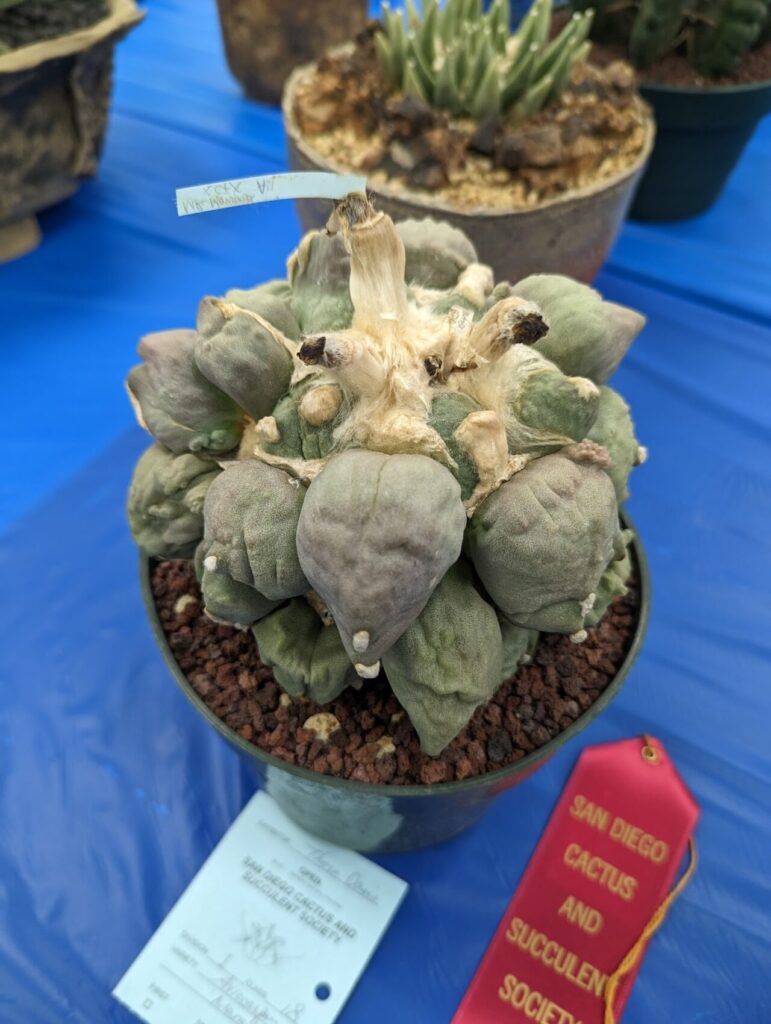
To grow Ariocarpus is to fall in love with its paradoxical nature—a plant that masquerades as a stone yet pulses with life. Native to the arid landscapes of Mexico and Texas, these cacti have evolved to mimic their surroundings, a survival tactic known as crypsis. Their flattened, spiraled rosettes of tubercles, often tipped with delicate, woolly areoles, create a mesmerizing mosaic that captivates even the most seasoned plant enthusiasts. Unlike their spiny cousins, Ariocarpus species—such as *A. fissuratus* or *A. kotschoubeyanus*—possess a deceptive gentleness, their surfaces smooth to the touch, save for the occasional tuft of fine hairs. This tactile allure is only the beginning. Their flowers, which burst forth in a riot of pink, purple, or white, are ephemeral yet transcendent, a fleeting spectacle that rewards the patient grower with a burst of color against the monochrome backdrop of their foliage.
The Ariocarpus is not a plant for the hasty or the careless. It is a slow dancer, a creature of rhythm and restraint. Its growth is measured in millimeters per year, its blooms appearing only when conditions are just right. To cultivate it is to embrace a slower pace, to find solace in the gradual unfolding of its secrets. This is a plant that teaches patience, resilience, and the art of subtle beauty.
Choosing Your Ariocarpus: A Quest for the Perfect Specimen
Selecting an Ariocarpus is akin to choosing a lifelong companion—one whose quirks and charms you will come to know intimately. When scouring nurseries or online purveyors, seek out plants with firm, unblemished bodies. Avoid specimens with soft spots, wrinkles, or discoloration, as these may signal rot or dehydration. The ideal Ariocarpus should feel like a well-worn river stone—cool, dense, and unyielding to the touch. Size matters, too. Younger plants are more adaptable, their smaller root systems more forgiving of beginner mistakes, while mature specimens, though striking, require a more seasoned hand to coax into thriving.
Species selection is equally crucial. *Ariocarpus fissuratus*, with its cracked, earth-toned tubercles, evokes the rugged beauty of a desert canyon. *Ariocarpus kotschoubeyanus*, on the other hand, charms with its velvety, blue-green rosettes and vibrant magenta flowers. For the adventurous, *Ariocarpus retusus* offers a more columnar form, its elongated tubercles resembling a miniature forest of crystalline spires. Each species brings its own personality to the table, and your choice should reflect not just aesthetic preference but also your commitment to its specific needs.
Crafting the Ideal Habitat: Mimicking the Desert’s Whisper
The Ariocarpus is a creature of extremes, thriving in conditions that would wither lesser plants. To recreate its native habitat indoors, you must become a desert architect, designing a microcosm where aridity and light dance in perfect harmony. Begin with a container that breathes—terra cotta pots are ideal, their porous walls allowing moisture to evaporate and preventing the dreaded root rot. Ensure the pot has ample drainage holes, for stagnant water is the nemesis of these lithops-like cacti.
Next, turn your attention to the substrate. Ariocarpus despises richness; it craves a lean, gritty mix that mimics the mineral-laden soils of its homeland. A blend of 60% inorganic material—such as pumice, perlite, or coarse sand—and 40% well-draining cactus mix will suffice. The goal is to create a medium that crumbles at the slightest pressure, a texture that ensures water drains like sand through an hourglass. Avoid organic matter like peat or compost, which retain moisture and invite fungal foes.
Light is the lifeblood of your Ariocarpus. These plants are sun-worshippers, but not the blistering, midday variety. A south-facing window is ideal, but if your climate is dim, supplement with a grow light, ensuring it emits a spectrum rich in red and blue wavelengths. A minimum of 6–8 hours of bright, indirect light daily is non-negotiable. Without it, your Ariocarpus will etiolate, its compact form stretching into a leggy shadow of its former self. Rotate the pot weekly to prevent the plant from leaning toward the light like a sunflower chasing the sun.
The Delicate Dance of Water: Quenching Without Drowning
Watering an Ariocarpus is less an act of hydration and more a ritual of restraint. These plants are drought-adapted to a fault, their fleshy bodies storing moisture like camels in a sandstorm. The key is to water deeply but infrequently, allowing the soil to dry out completely between sessions. During the growing season—spring through early autumn—a thorough soak every 2–3 weeks is sufficient. In winter, when the plant enters dormancy, reduce watering to a mere misting once a month, or abstain entirely if temperatures drop below 50°F (10°C).
When you do water, do so with intention. Pour slowly, ensuring the liquid seeps through the drainage holes without pooling at the base. The soil should be bone-dry before the next watering, a test you can perform by inserting a wooden skewer into the mix—if it emerges clean, the time is ripe. Overwatering is the fastest path to rot, a silent killer that turns your living gem into a mushy relic. Remember: Ariocarpus thrives on neglect, not coddling.
Temperature and Humidity: The Invisible Threads of Comfort
Ariocarpus is a plant of extremes, and its ideal temperature range reflects this. By day, it revels in warmth, basking in temperatures between 70–90°F (21–32°C). By night, it appreciates a slight chill, a drop to 50–60°F (10–16°C) that mimics the desert’s nocturnal embrace. Avoid sudden temperature swings, which can stress the plant, and keep it far from drafts, vents, or radiators that could parch its delicate tissues.
Humidity is another silent adversary. Ariocarpus abhors the muggy embrace of high humidity, which fosters rot and fungal infections. Aim for an environment that feels as dry as a desert dawn—below 40% is ideal. If your home’s air is thick with moisture, consider a dehumidifier or a pebble tray filled with water and gravel, positioned far enough from the plant to avoid dampening its foliage.
Feeding the Silent Philosopher: Fertilizer with Restraint
Fertilizer is a double-edged sword for the Ariocarpus. While it craves nutrients, it is easily overwhelmed by excess. A balanced, diluted cactus fertilizer—half-strength—applied once in early spring and again in midsummer is all it requires. Avoid organic fertilizers, which are too rich and can lead to salt buildup in the soil. Think of feeding as a gentle nudge, not a feast. Over-fertilizing will cause your Ariocarpus to grow too quickly, its tissues softening into a vulnerable state that invites pests and disease.
The Art of Patience: Repotting and Pruning
Repotting an Ariocarpus is a rare event, a ceremony reserved for when the plant has outgrown its home or the soil has degraded into a compacted mass. Choose a pot only slightly larger than the current one—these plants prefer to be snug, their roots cramped in a state of controlled stress. Gently remove the plant, shaking off old soil and inspecting the roots for signs of rot. Trim any blackened or mushy roots with sterilized scissors, and allow the plant to callus over for a day before replanting in fresh, gritty mix.
Pruning is rarely necessary, but if your Ariocarpus develops unsightly offsets or damaged tubercles, you may carefully remove them with a sterilized knife. However, be warned: Ariocarpus is not a plant that forgives reckless cuts. Its body is its art, and each tuber is a brushstroke in its living masterpiece.
Troubleshooting the Unseen: Pests, Diseases, and Despair
Even the most attentive grower may encounter adversity. Mealybugs and scale insects, those tiny vampires of the plant world, may take a liking to your Ariocarpus. Inspect the plant regularly, especially in the crevices between tubercles, and wipe away intruders with a cotton swab dipped in rubbing alcohol. For more stubborn infestations, a systemic insecticide may be necessary, but use it sparingly—these chemicals are a last resort.
Rot is the silent assassin, creeping in when moisture lingers too long. If you spot soft, discolored spots on your Ariocarpus, act swiftly. Remove the affected tissue with a sterilized knife, dust the wound with sulfur or cinnamon, and repot the plant in fresh soil. Prevention is your best defense: water with caution, and never let your Ariocarpus sit in a saucer of water.
Sometimes, despite your best efforts, your Ariocarpus may appear listless, its tubercles wrinkled and its spirit dampened. This is often a sign of stress—perhaps too much water, too little light, or a sudden temperature shift. Step back, reassess the conditions, and adjust with care. Remember, this is a plant that thrives on consistency, not chaos.
The Reward: A Living Masterpiece in Your Hands
To grow Ariocarpus is to cultivate a relationship built on mutual respect. This is not a plant that will shower you with instant gratification; it is a slow-burning romance, a partnership of patience and understanding. When, after years of diligent care, your Ariocarpus finally unfurls its first bloom—a delicate, star-like flower that seems to defy gravity—you will understand the true magic of this living gem. It is a moment of quiet triumph, a testament to your dedication and the plant’s resilience.
In a world that moves at breakneck speed, the Ariocarpus is a reminder to slow down, to appreciate the beauty in stillness. It is a plant that asks for little but gives so much in return: a fragment of the desert’s mystery, a whisper of the wild, brought indoors to grace your life. So tend to it with care, speak to it in hushed tones, and watch as it transforms from a humble stone into a radiant jewel. This is not just gardening; it is alchemy.
FAQ
What are the ideal conditions for growing Ariocarpus indoors?
Ariocarpus thrives in bright, indirect light, with temperatures between 70–90°F during the day and 50–60°F at night, and requires dry conditions with low humidity.
How often should I water my Ariocarpus?
Water deeply but infrequently, allowing the soil to dry out completely between sessions. During the growing season, water every 2–3 weeks and reduce to once a month in winter.
What type of soil is best for Ariocarpus?
Ariocarpus prefers a lean, gritty mix that mimics its native mineral-laden soils, ideally a blend of 60% inorganic material and 40% well-draining cactus mix.


Leave a Reply