
Short Answer
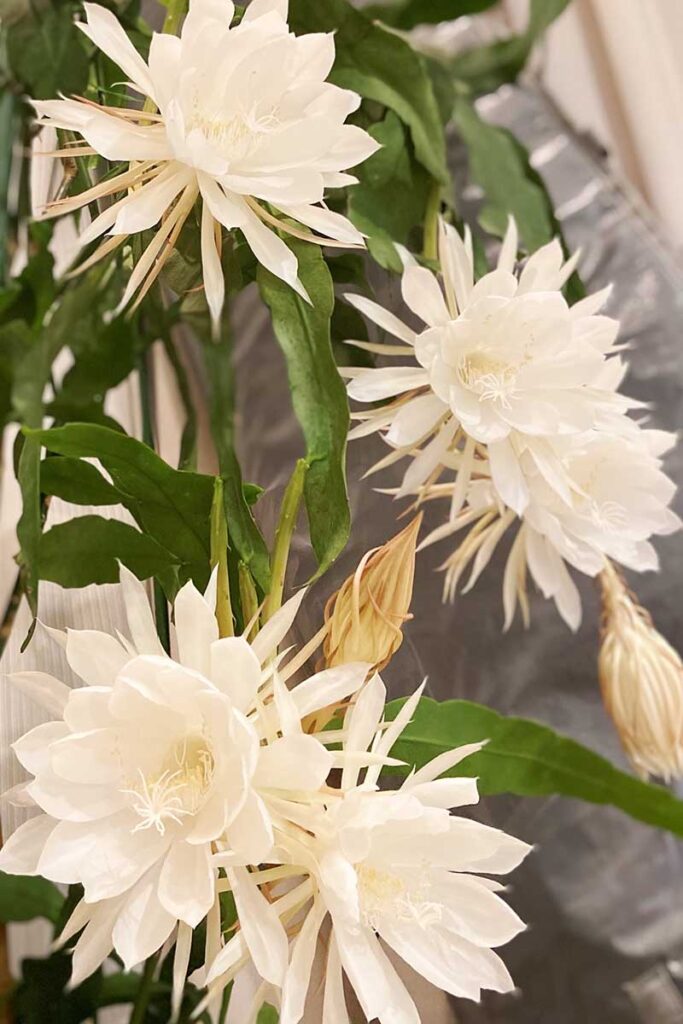
Have you ever gazed at an enchanting Epiphyllum flower, marveling at its exotic blooms, and wondered if you could effortlessly multiply these captivating plants? What if the very techniques that breathe new life into your garden were just a clipping or a strategic division away? Propagating Epiphyllums isn’t just a practical gardening skill—it’s an art form that invites patience, precision, and a touch of horticultural magic. Yet, like all rewarding pursuits, it poses a playful challenge: will your cuttings root with vigor, or will your divisions thrive anew? Let’s embark on a detailed journey through the two primary methods of propagation—cuttings and division—to turn your Epiphyllum dreams into verdant reality.
Understanding Epiphyllum: The Foundation of Successful Propagation
Before plunging into propagation techniques, it’s essential to appreciate the distinctive nature of Epiphyllum, often affectionately called “orchid cacti.” Native to Central and South America, these epiphytic plants thrive in warm, humid environments, clinging to trees rather than soil. Their flattened, leaf-like stems and spectacular nighttime blooms demand specific care, but their resilience also makes them prime candidates for propagation. Recognizing their growth habits and preferred conditions primes you for propagation success.
Propagation by Cuttings: A Playful Dance with Nature
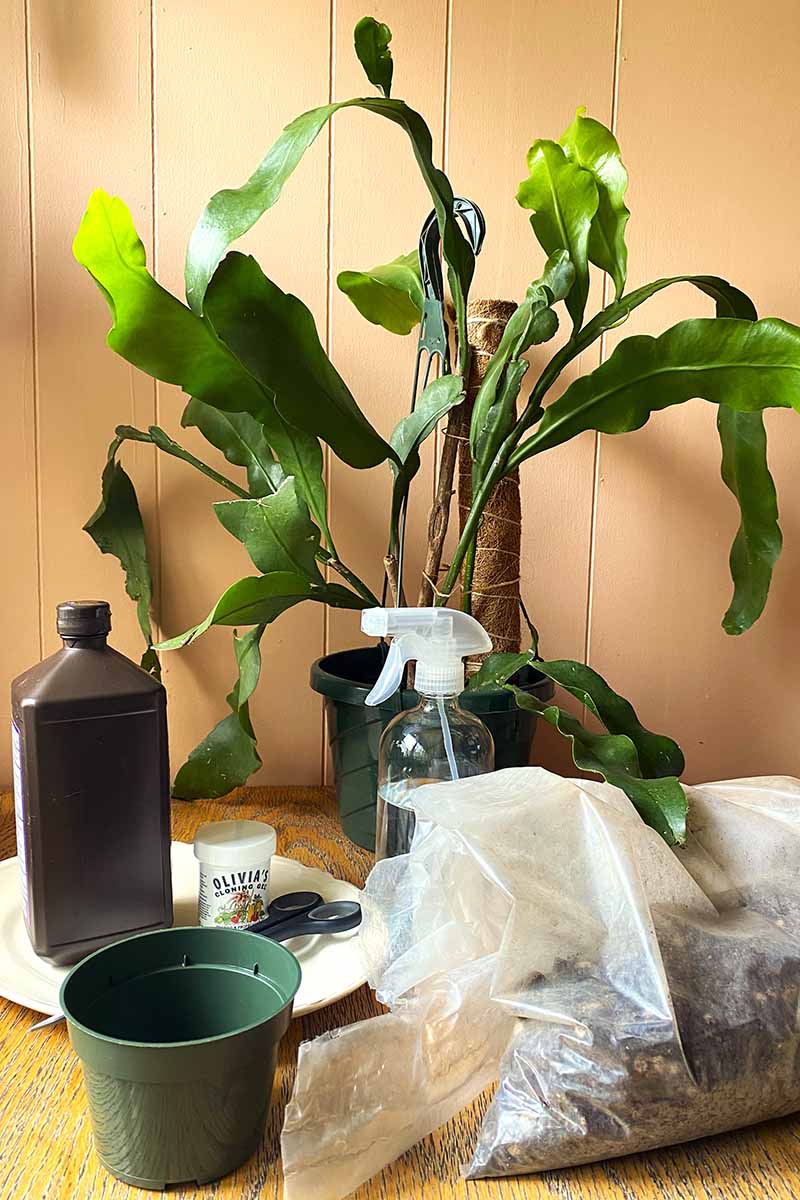
Propagation via cuttings is perhaps the most accessible and rewarding method for gardeners of all experience levels. But here’s a playful question: can a simple stem achieve immortality through patience and care? Indeed it can—and here’s how you approach this method strategically to increase success rates.
1. Selecting the Perfect Cutting: Choose a healthy, mature segment of your Epiphyllum stem. The ideal cutting should be 4 to 6 inches long, with no signs of disease or damage. Opt for sections with slight woody texture to ensure sturdiness.
2. Preparing the Cutting: Allow the cutting to callus over by air-drying it in a shaded, well-ventilated place for several days. This crucial step protects against rot once planted and accelerates root formation.
3. Choosing the Right Medium: A well-draining, airy medium is paramount. A blend of orchid bark, perlite, and peat moss can replicate the epiphytic conditions Epiphyllums favor. Avoid compact soils that retain moisture excessively.
4. Planting and Aftercare: Insert the callused cutting about two inches deep in your substrate. Maintain a warm, indirect light environment while keeping humidity elevated without waterlogging the soil. Mist periodically and resist the temptation to overwater.
Roots typically begin to develop in 3 to 6 weeks, but this timeline can vary with environmental factors. Once established, gradually acclimate your new Epiphyllum to brighter light and regular watering.
Propagation by Division: When Roots Tell a Tale
Imagine uncovering the hidden potential beneath your Epiphyllum’s lush exterior—a labyrinth of roots ready to be coaxed into a brand-new plant. Propagation by division involves separating these root clusters, a method that can rejuvenate mature plants while increasing your collection. Though more invasive than cuttings, division allows for quicker establishment since the new plants already possess a developed root system.
1. Timing and Preparation: The optimal time for division is early spring, just before the active growing season. Prepare clean, sharp tools to minimize damage and reduce infection risks.
2. Removing the Plant: Gently remove the Epiphyllum from its pot, taking care not to harm the roots. Shake off excess soil to reveal the root structure clearly.
3. Identifying Division Points: Look for natural branching points or distinct root clumps that can be separated. Each division should include a substantial portion of roots and healthy stem sections.
4. Separating the Plant: Using your hands or a sterile knife, carefully divide the plant, ensuring minimal trauma. If necessary, trimming damaged roots helps stimulate new growth.
5. Potting and Care: Replant each division in fresh, well-draining medium. Water sparingly at first, as the roots need time to adapt. Place divisions in indirect sunlight and gradually increase exposure.
Division can invigorate older specimens and reduce the risk of overcrowding, but it demands caution. Overzealous division can stress the plant or introduce infections, so adopt a measured, deliberate approach.
Overcoming Challenges: Common Pitfalls and How to Avoid Them
Now, let’s address the elephant in the greenhouse: propagation isn’t always seamless. From fungal infections to rooting failures, numerous pitfalls await the eager gardener. But every challenge offers a lesson.
Rot and Overwatering: Epiphyllum cuttings and divisions are vulnerable to rot if exposed to excessive moisture. The callusing stage for cuttings and well-draining mediums are your best defenses against this stealthy adversary.
Insufficient Humidity or Light: While too much direct sunlight can scorch, inadequate light delays root development. Maintaining a soft, filtered light environment is key, especially when waiting for roots to form.
Pest Intrusions: Mealybugs and spider mites can compromise newly propagated plants. Regular inspection and swift treatment with insecticidal soap or neem oil prevent infestations from taking hold.
Armed with knowledge, patience, and a touch of horticultural finesse, each challenge becomes a stepping stone to propagation success.
Long-term Care for Propagated Epiphyllums
Once your cuttings root or divisions take hold, nurturing these young Epiphyllums into flourishing plants requires attentive care. Gradually acclimatize your plants to brighter light and adjust watering routines to mimic their natural moisture cycles—wet but not soggy.
Fertilize lightly during the growing season with a diluted, balanced fertilizer. Prune strategically to encourage bushiness and remove any senescent stems that may drain energy. Pay close attention to pot size, repotting every two to three years to prevent root crowding.
Celebrating these small but significant milestones transforms propagation from a mere horticultural task into a rewarding connection with nature’s regenerative power. With each bloom and new stem, your Epiphyllum ambitions blossom into a living tribute to perseverance and passion.
FAQ
What is the best time to propagate Epiphyllum by division?
The optimal time for division is early spring, just before the active growing season.
What type of medium is best for Epiphyllum cuttings?
A well-draining medium such as a blend of orchid bark, perlite, and peat moss is ideal.



Leave a Reply