
Short Answer
In the vast, sun-scorched landscapes of the Americas, where the earth cracks under the weight of relentless aridity, a silent crisis unfolds. The Echinocactus genus, those stoic sentinels of the desert, faces existential threats that ripple through ecosystems and cultures alike. These barrel cacti, with their ribbed, globular forms and crowns of golden spines, are not merely botanical curiosities—they are keystone species, guardians of biodiversity in some of the world’s most unforgiving habitats. Yet, their survival hangs by a thread, threatened by habitat destruction, climate volatility, and the insatiable appetite of the illegal plant trade. Are Echinocactus species endangered? The answer is as complex as the deserts they inhabit, weaving together ecological fragility, human ambition, and the urgent need for conservation. This exploration will traverse the conservation status of these remarkable plants, dissect the forces arrayed against them, and illuminate the efforts—both triumphant and faltering—that seek to secure their future.
The Taxonomic Tapestry: Understanding Echinocactus Diversity
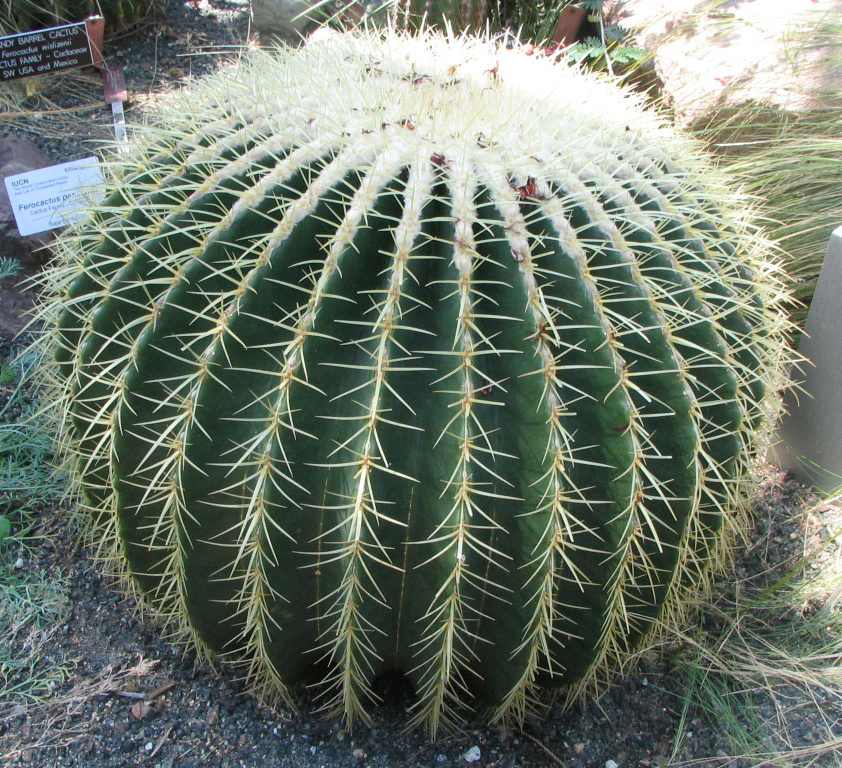
Before we can grasp the peril facing Echinocactus species, we must first acquaint ourselves with their remarkable diversity. The genus Echinocactus, a member of the Cactaceae family, encompasses a handful of species, each adapted to the harsh rhythms of desert life. Among them, the iconic Echinocactus grusonii, or the golden barrel cactus, stands as a botanical icon, its spherical form and radiating spines making it a favorite in gardens worldwide. Yet, this popularity belies a darker truth: its wild populations teeter on the brink of collapse. Other species, such as Echinocactus horizonthalonius and Echinocactus texensis, exhibit their own unique adaptations, from the striking blue-green hues of the former to the ribbed, flattened spheres of the latter. These variations are not mere aesthetic quirks; they are testaments to millions of years of evolutionary fine-tuning, honed by the relentless pressures of their arid environments. Understanding this diversity is crucial, for each species plays a distinct role in its ecosystem, from providing nectar for pollinators to offering shelter for small vertebrates. The loss of even a single species could unravel the delicate web of life that thrives in these seemingly barren landscapes.
Conservation Status: The Red Flags and the Blind Spots
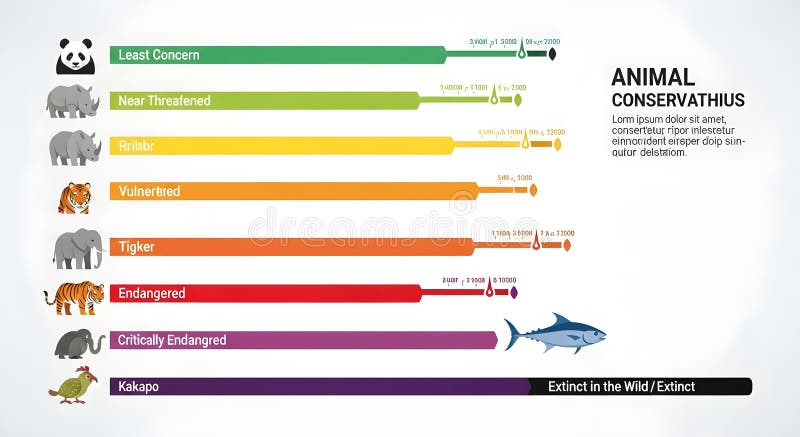
The conservation status of Echinocactus species is a patchwork of alarm and ambiguity. The International Union for Conservation of Nature (IUCN) Red List, the gold standard for assessing species’ risk, has evaluated several Echinocactus species, with many falling into the “Endangered” or “Vulnerable” categories. For instance, Echinocactus grusonii is classified as “Critically Endangered” in the wild, its populations decimated by habitat loss and over-collection. Yet, the Red List is not without its limitations. Many species remain unassessed, their plight obscured by a lack of data or the sheer remoteness of their habitats. This blind spot is particularly glaring in regions where Echinocactus species coexist with human communities, where traditional knowledge could offer invaluable insights into their conservation. The absence of comprehensive assessments means that some species may be slipping toward extinction without us even realizing it. Moreover, the criteria used to evaluate conservation status often fail to account for the unique ecological roles of these cacti, reducing their importance to mere numerical thresholds. To truly understand the peril facing Echinocactus species, we must look beyond the Red List and consider the broader ecological and cultural contexts in which they exist.
The Assault on Habitat: When the Desert Becomes a Battleground
The most insidious threat to Echinocactus species is the relentless transformation of their habitats. The deserts of North America, once vast and untamed, are increasingly carved up by agriculture, urban sprawl, and industrial development. In Mexico, where many Echinocactus species are endemic, the expansion of agave plantations for tequila production has swallowed vast tracts of land, leaving little room for these cacti to thrive. Similarly, in the southwestern United States, the proliferation of solar farms and wind turbines has fragmented habitats, disrupting the delicate balance of these ecosystems. Climate change exacerbates these pressures, altering precipitation patterns and increasing the frequency of extreme weather events. Droughts, once a rare occurrence, now parch the land with alarming regularity, leaving Echinocactus species struggling to survive. The irony is stark: these plants, which have evolved to endure scarcity, are now facing a scarcity of the very conditions that allowed them to flourish. The assault on their habitat is not just a physical erosion of their environment; it is a slow-motion extinction, playing out in the shadows of human progress.
The Illicit Trade: When Beauty Becomes a Curse
In the shadowy underworld of the illegal plant trade, Echinocactus species are prized commodities, their rarity and beauty making them targets for poachers and collectors. The golden barrel cactus, in particular, has been decimated by decades of unchecked collection, its wild populations reduced to a fraction of their former glory. The demand for these cacti is driven by a global fascination with desert flora, fueled by social media and the booming trade in succulents. Yet, this demand is not merely a passing trend; it is a systemic issue, rooted in the commodification of nature. The illegal trade thrives on the same networks that traffic in endangered animals, with plants smuggled across borders in suitcases and shipping containers. The consequences are devastating: not only are wild populations depleted, but the genetic diversity of these species is eroded, leaving them more vulnerable to disease and environmental change. The irony is bitter: the very beauty that makes Echinocactus species desirable is also the force that drives them toward extinction. To combat this trade, conservationists must not only protect habitats but also challenge the cultural narratives that frame these plants as mere decorative objects.
Conservation Efforts: From Seed Banks to Community Engagement
Despite the formidable challenges they face, Echinocactus species are not without hope. Conservation efforts are underway, ranging from the high-tech to the deeply communal. Seed banks, such as those maintained by botanical gardens and research institutions, offer a lifeline for these species, preserving genetic material for future restoration projects. In situ conservation, where habitats are protected and restored, is another critical strategy. Projects in Mexico and the southwestern United States are working to reclaim degraded lands, reintroducing Echinocactus species to areas where they once thrived. Yet, the most promising efforts are those that engage local communities, recognizing that the fate of these cacti is intertwined with the well-being of the people who share their landscapes. In some regions, indigenous communities are leading the charge, combining traditional ecological knowledge with modern conservation techniques. These efforts are not just about saving plants; they are about preserving cultures, livelihoods, and the intricate relationships between humans and the natural world. The success of these initiatives hinges on collaboration, bridging the gaps between scientists, policymakers, and local stakeholders.
The Role of Cultivation: A Double-Edged Sword
In the world of plant conservation, cultivation is a double-edged sword. On one hand, it offers a means to reduce pressure on wild populations, providing a sustainable source of plants for the horticultural trade. Nurseries and botanical gardens play a crucial role in this regard, propagating Echinocactus species and distributing them to enthusiasts and collectors. Yet, cultivation is not a panacea. The commercialization of these plants can create perverse incentives, encouraging the collection of wild specimens under the guise of “sustainable” practices. Moreover, cultivated plants often lack the genetic diversity of their wild counterparts, leaving them less resilient to environmental change. The challenge, then, is to strike a balance: to use cultivation as a tool for conservation while ensuring that it does not become a new vector for exploitation. This requires stringent regulations, transparent supply chains, and a shift in consumer attitudes toward valuing conservation over novelty.
The Future of Echinocactus: A Call to Action
The future of Echinocactus species hangs in the balance, suspended between the forces of destruction and the fragile threads of hope. To secure their survival, we must act on multiple fronts: protecting habitats, combating the illegal trade, supporting community-led conservation, and reimagining our relationship with these remarkable plants. This is not a task for scientists or policymakers alone; it is a collective responsibility, one that demands our attention, our resources, and our empathy. The deserts of the Americas are not empty wastelands; they are vibrant ecosystems, teeming with life and resilience. Echinocactus species are not mere survivors; they are symbols of endurance, adaptability, and the enduring power of nature. By safeguarding them, we do not just preserve a few plants—we protect the very essence of these landscapes, the cultures they sustain, and the future we all share. The time to act is now, before the silent crisis of the desert becomes an irreversible tragedy.
FAQ
Are Echinocactus species endangered?
Yes, species like Echinocactus grusonii are critically endangered primarily due to habitat loss and illegal collection.
What threatens the survival of Echinocactus species?
Habitat destruction, climate change, and illegal trade are the primary threats to their survival.
What conservation measures are in place for Echinocactus?
Measures include seed banks, habitat protection and restoration, and involvement of local communities.
Does cultivation help conserve Echinocactus species?
Cultivation helps by providing alternatives to wild collection, but it must be combined with habitat conservation.


Leave a Reply