
Short Answer
Have you ever cradled a spiky, emerald-green sentinel in your hands, marveling at its slow-growing resilience, only to later discover it was plucked from the wild without a second thought? The Echinocactus grusonii, affectionately dubbed the “Golden Barrel Cactus,” is more than just a desert darling—it’s a botanical marvel on the brink. But here’s the prickly paradox: while its popularity as a houseplant soars, its survival in the wild teeters on the edge of extinction. So, how do we nurture these prickly icons without nibbling away at their last wild strongholds? Let’s dig into the thorny yet thrilling world of ethical cactus conservation and discover how to support these spiky survivors responsibly.
The Golden Barrel’s Peril: Why Ethical Sourcing Isn’t Optional
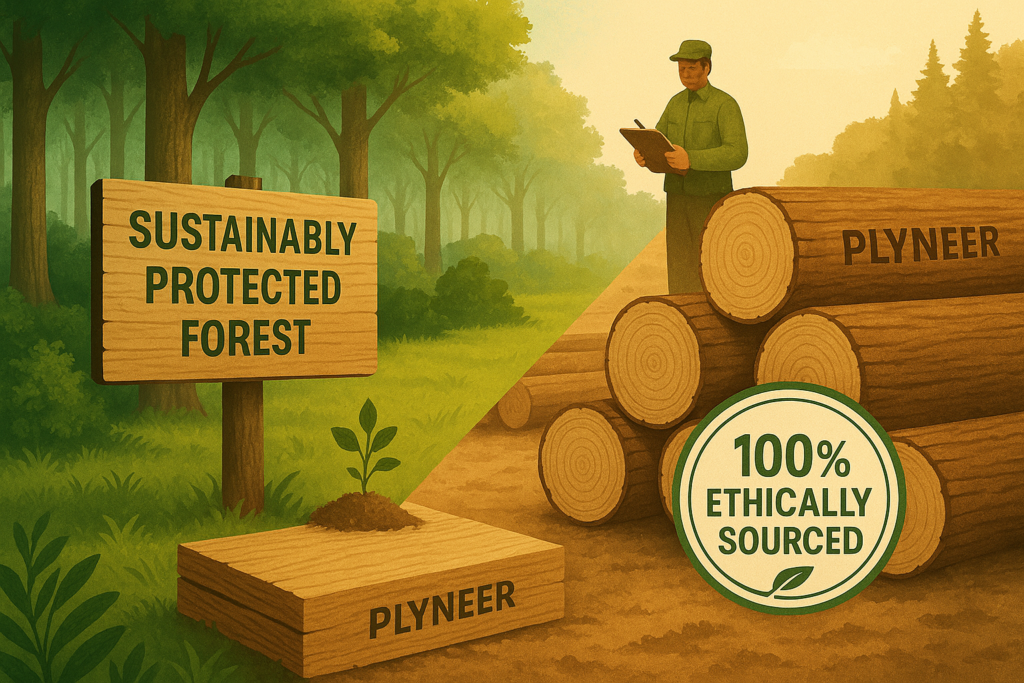
Imagine a cactus so iconic that it graces postcards, corporate logos, and even the dreams of urban gardeners. The Golden Barrel isn’t just photogenic—it’s a keystone species in its native Mexican habitats, providing shelter and sustenance for pollinators and small creatures. Yet, its wild populations have dwindled by over 90% in the last century, thanks to habitat destruction and unchecked harvesting. Ethical sourcing isn’t a lofty ideal; it’s the cactus’s last lifeline. When you buy a Golden Barrel, you’re not just adding a plant to your collection—you’re casting a vote for its survival. But how do you ensure your vote counts?
The first step is recognizing the difference between a wild-harvested cactus and a cultivated one. Wild-harvested specimens are often ripped from their desert homes, leaving behind scars that take decades to heal. Cultivated cacti, on the other hand, are grown in nurseries, where their roots remain undisturbed and their populations can thrive. The challenge? Spotting the difference isn’t always straightforward. Some sellers masquerade wild-harvested cacti as nursery-grown, banking on the buyer’s ignorance. So, how can you be sure you’re not inadvertently funding ecological vandalism?
Decoding the Cactus Supply Chain: What to Look For (and Avoid)
Navigating the cactus market is like playing a high-stakes game of botanical detective. The first clue lies in the price tag. If a Golden Barrel is priced suspiciously low—say, under $20 for a sizable specimen—it’s likely wild-harvested. Cultivated cacti, especially those propagated from cuttings or seeds, demand a higher price due to the time and care invested. But price isn’t the only tell. Examine the roots. Wild-harvested cacti often have truncated or damaged roots, a sign of their brutal extraction. Cultivated cacti, in contrast, boast intact, fibrous root systems. Ask the seller pointed questions: Where was this cactus grown? Was it propagated from seed or cutting? If the answers are vague or evasive, walk away.
Another red flag? Lack of documentation. Reputable nurseries and sellers provide certificates of authenticity or origin, detailing the cactus’s lineage. These documents aren’t just paperwork—they’re a promise that the cactus was grown ethically. If a seller can’t—or won’t—provide this, consider it a neon sign flashing “buyer beware.” And here’s a pro tip: seek out cacti labeled as “rescue” or “adopted.” These are often wild-harvested specimens confiscated by authorities and later rehomed to ethical growers. Adopting one isn’t just an act of compassion; it’s a quiet rebellion against the black market.
The Ripple Effect: How Your Choices Cultivate Change
Every cactus purchased is a seed planted in the soil of conservation. When you choose ethically sourced Golden Barrels, you’re not just decorating your windowsill—you’re sending a message to the industry. Demand for wild-harvested cacti dwindles when consumers refuse to buy them, forcing sellers to pivot toward sustainable alternatives. But the ripple effect doesn’t stop there. Ethical sourcing supports local communities in Mexico and the southwestern U.S., where cactus cultivation provides livelihoods without decimating ecosystems. It funds research into cactus propagation techniques, ensuring that future generations can enjoy these spiky wonders without guilt.
Consider the case of the Ferocactus species, another victim of unchecked harvesting. Once abundant in the Chihuahuan Desert, these barrel cacti now face local extinctions in some areas. Ethical nurseries have stepped in, cultivating Ferocacti from seed and reintroducing them to depleted habitats. Your purchase of a nursery-grown Ferocactus isn’t just a personal indulgence—it’s a vote for rewilding. And here’s the kicker: these cacti often grow faster and live longer than their wild counterparts, thanks to the controlled conditions of cultivation. You’re not just saving a plant; you’re investing in a more resilient future.
Beyond the Pot: Advocacy and Awareness in Cactus Conservation
Ethical sourcing isn’t a solo endeavor—it’s a collective movement. Share your knowledge with fellow cactus enthusiasts. Post about your ethical purchases on social media, tagging nurseries that prioritize sustainability. Write reviews highlighting businesses that champion responsible sourcing. The more noise we make, the harder it becomes for unethical sellers to operate in the shadows. Join or support organizations like the Cactus and Succulent Society of America or IUCN’s Cactus and Succulent Specialist Group, which work tirelessly to protect these plants and their habitats.
But advocacy doesn’t end with consumer choices. Push for stronger regulations on cactus trade, both domestically and internationally. Many countries lack laws protecting wild cacti, leaving them vulnerable to exploitation. Write to your representatives, urging them to support legislation that bans the trade of wild-harvested cacti. Support habitat restoration projects in the cactus’s native ranges, where organizations are replanting depleted areas with nursery-grown specimens. Even small actions, like donating to conservation funds or volunteering at botanical gardens, contribute to the larger effort.
The Future of the Golden Barrel: Can We Save the Spiky King?
The fate of the Golden Barrel hangs in a delicate balance. On one side, the allure of instant gratification—buying a cheap, wild-harvested cactus—pulls consumers toward ecological harm. On the other, the slow but steady growth of ethical cultivation offers a lifeline. The question isn’t whether we can save the Golden Barrel; it’s whether we’re willing to put in the effort. Every ethical purchase is a step toward redemption. Every shared post is a shout into the void, demanding change. Every letter to a lawmaker is a brick in the foundation of a more sustainable future.
So, the next time you spot a Golden Barrel in a nursery, pause. Ask yourself: Is this cactus a thief, stolen from the desert, or a survivor, nurtured with care? The answer lies in your hands—and in the choices you make. The Golden Barrel’s future isn’t just in the soil; it’s in the soil of our collective conscience. Let’s dig deep, plant wisely, and ensure these prickly kings reign for generations to come.
FAQ
What is ethical sourcing in cactus conservation?
Ethical sourcing involves purchasing cacti that are cultivated rather than wild-harvested, ensuring the survival of wild populations.
How can I identify a wild-harvested cactus?
Look for signs of damage on the roots, low price tags, or lack of documentation from reputable nurseries.


Leave a Reply