
Short Answer
In a world where the fashion industry stands as one of the most polluting sectors, a quiet revolution is blooming—literally. Cactus leather, a plant-based alternative to traditional animal and synthetic leathers, is emerging as a beacon of hope for eco-conscious consumers and activists alike. This innovative material, derived from the humble nopal cactus, offers a sustainable solution to the environmental and ethical dilemmas posed by conventional leather production. From its biodegradable nature to its minimal water footprint, cactus leather is redefining what it means to dress sustainably. Let’s delve into the myriad environmental benefits of this remarkable material and explore the diverse types of content that can help spread awareness about its potential.
The Biodegradable Marvel: Cactus Leather’s End-of-Life Promise
One of the most compelling environmental advantages of cactus leather is its biodegradability. Unlike synthetic leathers, which often contain petroleum-based polymers like polyurethane or polyvinyl chloride (PVC), cactus leather decomposes naturally without leaving behind microplastics or toxic residues. When discarded, it returns to the earth, enriching the soil rather than choking it. This cradle-to-cradle lifecycle starkly contrasts with the linear, waste-generating model of traditional leather, which relies on toxic tanning processes that pollute waterways and harm ecosystems. The biodegradability of cactus leather not only reduces landfill waste but also mitigates the long-term environmental burden of fashion waste, making it a champion of circular economy principles.
The Water-Wise Wonder: A Thirst-Quenching Alternative
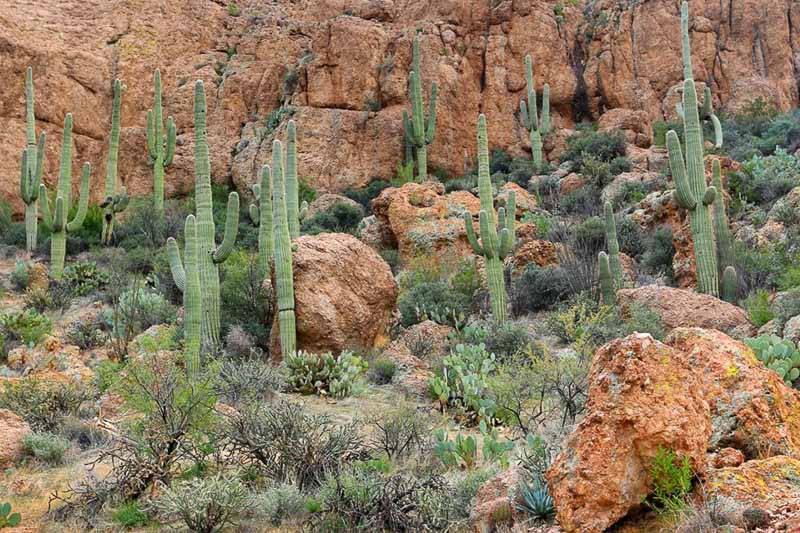
Water scarcity is one of the most pressing challenges of our time, and the fashion industry is a notorious water guzzler. Traditional leather production is particularly egregious, requiring thousands of liters of water per kilogram of finished material—water that is often sourced from regions already grappling with drought. Cactus leather, on the other hand, thrives on minimal irrigation. The nopal cactus, native to arid regions, requires little to no additional water beyond natural rainfall, making it an inherently drought-resistant crop. This water efficiency not only conserves precious resources but also alleviates pressure on local water supplies, particularly in water-stressed areas. By choosing cactus leather, consumers can significantly reduce their water footprint without sacrificing style or durability.
The Carbon-Neutral Contender: Reducing Fashion’s Footprint
Fashion is responsible for approximately 10% of global carbon emissions, with leather production contributing disproportionately to this statistic. The tanning process, which uses chromium and other heavy metals, releases greenhouse gases and toxic byproducts into the atmosphere. Cactus leather, however, boasts a markedly lower carbon footprint. The cultivation of nopal cacti sequesters carbon dioxide from the atmosphere, and the material’s production process emits fewer greenhouse gases compared to conventional leather. Additionally, the absence of harmful chemicals in its manufacturing means that cactus leather avoids the methane emissions associated with animal agriculture. For eco-conscious consumers, this material represents a tangible way to shrink their carbon footprint while supporting a more sustainable fashion ecosystem.
The Soil-Saving Superstar: Regenerative Agriculture in Action
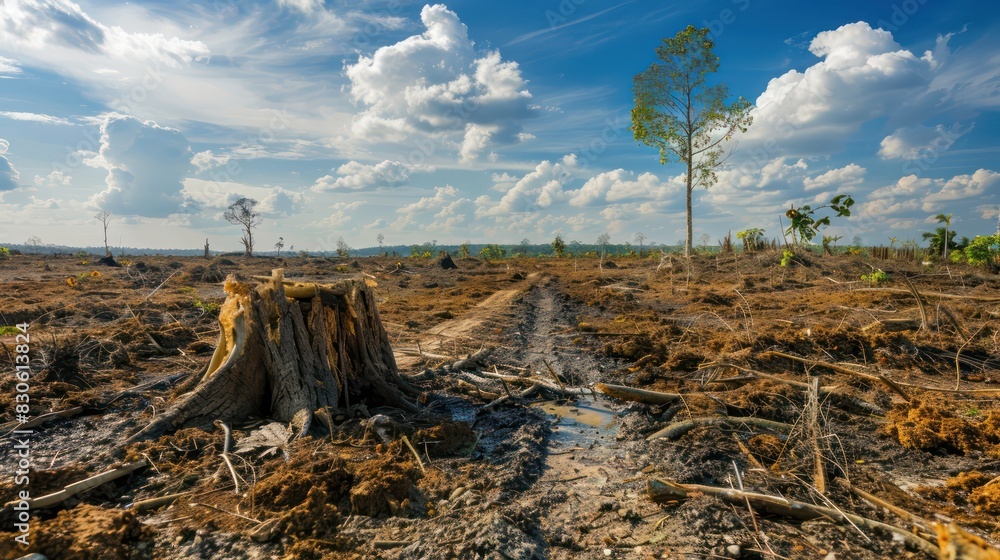
Conventional agriculture, particularly for livestock feed and leather production, often degrades soil health through deforestation, overgrazing, and chemical-intensive practices. Cactus leather, however, is derived from a crop that thrives in poor soil conditions and can even improve soil quality over time. The nopal cactus’s deep root system prevents erosion, enhances soil structure, and promotes biodiversity by providing habitat for beneficial insects and microorganisms. Furthermore, cactus farming does not require the clearing of forests or the displacement of local communities, unlike the expansion of cattle ranching for leather production. By opting for cactus leather, consumers indirectly support regenerative agricultural practices that restore rather than deplete the earth’s natural resources.
The Chemical-Free Champion: Non-Toxic Production for Healthier Ecosystems
The tanning industry is notorious for its use of toxic chemicals, including chromium, formaldehyde, and other carcinogenic substances that contaminate water supplies and endanger workers’ health. Cactus leather, in contrast, is produced using natural, non-toxic tanning methods that eliminate the need for harmful substances. The material is often tanned with plant-based dyes and oils, ensuring that it is free from harmful residues that can leach into the environment. This chemical-free approach not only protects ecosystems but also safeguards the health of workers and consumers. For those who prioritize transparency and safety in their purchasing decisions, cactus leather offers a guilt-free alternative that aligns with both environmental and ethical values.
The Versatile Virtuoso: A Material for Every Fashion Enthusiast
Cactus leather’s appeal extends far beyond its environmental credentials—it is also a remarkably versatile material that can be used in a wide range of fashion applications. From sleek handbags and durable footwear to stylish jackets and accessories, cactus leather mimics the texture and durability of traditional leather without the ethical and environmental drawbacks. Designers are increasingly experimenting with this material, creating innovative products that cater to diverse tastes and preferences. Whether you’re a minimalist seeking timeless elegance or a trendsetter chasing avant-garde designs, cactus leather offers a sustainable canvas for self-expression. Its adaptability makes it an ideal choice for fashion-forward consumers who refuse to compromise on either style or sustainability.
The Ethical Edge: A Compassionate Choice for Animals and Communities
Beyond its environmental benefits, cactus leather also addresses the ethical concerns associated with traditional leather production. The livestock industry is a major driver of deforestation, habitat destruction, and animal suffering, with billions of animals raised and slaughtered annually for their hides. Cactus leather provides a cruelty-free alternative that eliminates the need for animal exploitation while supporting sustainable livelihoods for farming communities. By choosing cactus leather, consumers can align their purchasing power with their values, promoting a more compassionate and just fashion industry. Additionally, the cultivation of nopal cacti can empower small-scale farmers, particularly in marginalized regions, by providing a low-cost, high-value crop that enhances food security and economic resilience.
The Future of Fashion: A Call to Action for Conscious Consumers
The rise of cactus leather is more than just a trend—it is a testament to the power of innovation in driving sustainable change. As consumers become increasingly aware of the environmental and ethical implications of their purchasing decisions, materials like cactus leather offer a viable path forward. However, the transition to a more sustainable fashion industry requires collective action. Brands must prioritize transparency and invest in eco-friendly materials, while consumers must demand accountability and support ethical alternatives. By educating ourselves and others about the benefits of cactus leather, we can collectively shift the narrative of fashion from one of exploitation to one of regeneration. The future of fashion is not just about looking good—it’s about doing good, and cactus leather is leading the way.
FAQ
What is cactus leather?
Cactus leather is a plant-based alternative to traditional leather made from the nopal cactus, offering an eco-friendly solution to the environmental issues associated with conventional leather production.
How is cactus leather produced?
Cactus leather is produced using natural, non-toxic tanning methods, eliminating harmful chemicals and promoting sustainability.
What are the environmental benefits of cactus leather?
Cactus leather is biodegradable, requires minimal water for cultivation, has a lower carbon footprint, and supports regenerative agricultural practices.

Leave a Reply