

Short Answer
The humble cactus, often relegated to the role of a prickly survivor in arid landscapes, harbors a secret far more vibrant than its thorns suggest. Beyond its resilience, this botanical marvel is a hidden alchemist, distilling the essence of desert sunsets into hues that dance on fabric like whispers of the wild. In an era where synthetic dyes bleed toxicity into rivers and soils, the cactus emerges as a beacon of eco-conscious creativity—a living palette where sustainability and splendor entwine.
The Cactus as Chromatic Alchemist: Unlocking Nature’s Palette
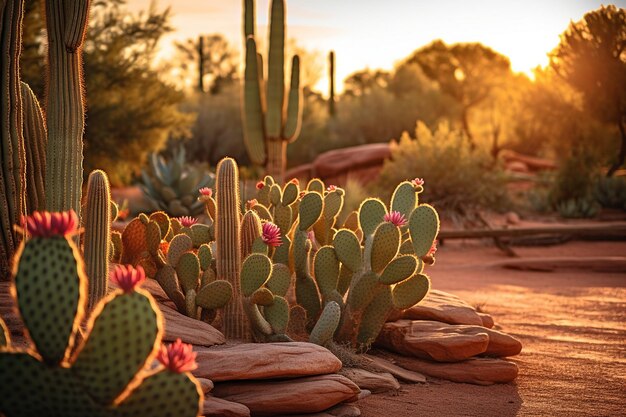
Imagine a dye not forged in the fires of chemical factories but coaxed from the slow, deliberate metabolism of a plant that thrives where others wither. The cactus, with its waxy skin and water-storing flesh, is a master of biochemical sorcery. Within its succulent tissues, betalains and flavonoids—pigments as ancient as the desert itself—lie dormant, waiting to be awakened. When crushed or fermented, these compounds yield colors that defy expectation: the deep magenta of prickly pear, the golden amber of barrel cactus blooms, the soft lavender of nopal pads. Each shade is a testament to the cactus’s ability to transform adversity into artistry, proving that even in the harshest environments, beauty is not just possible—it is inevitable.
Sustainability in Thorns: Why Cactus Dyes Are a Revolution
Traditional dyeing is a voracious consumer of resources. Mordants like chromium and copper, essential for fixing colors to fabric, leach into waterways, poisoning ecosystems and endangering artisan communities. Cactus dyes, by contrast, are a symphony of sustainability. They require minimal water—often just the moisture already trapped in the plant’s tissues—and no toxic additives. The extraction process is gentle, often involving natural fermentation or solar drying, which reduces energy consumption to a fraction of industrial methods. Even the byproducts are benign; leftover cactus pulp can be composted, returning nutrients to the soil. In a world drowning in fast fashion’s waste, cactus dyes offer a lifeline—a way to clothe ourselves in color without staining the planet.
The Aesthetic Allure: Colors That Tell Stories
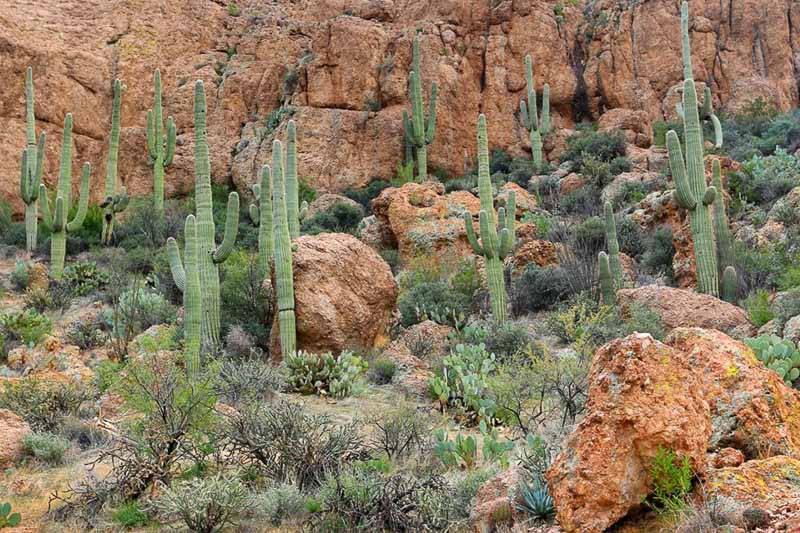
To wear a garment dyed with cactus pigments is to drape oneself in a narrative of resilience and ingenuity. The colors are not merely hues; they are echoes of the desert’s moods. A dress tinted with cochineal beetles (harvested from cacti) shimmers with a crimson so rich it seems to glow from within, as if lit by the setting sun over the Sonoran sands. A scarf dyed with prickly pear yields a soft, peachy blush that evokes the blush of dawn on saguaro silhouettes. These are not the flat, uniform colors of mass-produced dyes but living, breathing shades that shift with the light, telling stories of place and time. They are the antithesis of disposable fashion—each piece a unique artifact, steeped in the slow craft of natural dyeing.
Cultural Resonance: From Indigenous Wisdom to Modern Runways
The cactus has long been a cultural touchstone, revered by Indigenous communities from the Americas to the Mediterranean. The Aztecs wove cochineal-dyed textiles into ceremonial garments, while the Tarahumara people of Mexico used prickly pear for both sustenance and pigment. Today, designers are rediscovering these traditions, blending ancestral knowledge with contemporary innovation. Brands like Desserto and Ancient Ritual are pioneering cactus-based leathers and dyes, proving that what was once a local craft can scale into a global movement. This fusion of old and new is not just about aesthetics—it’s a reclaiming of heritage, a way to honor the hands that first discovered the cactus’s chromatic magic.
The Science Behind the Splendor: How Cacti Create Color
At the heart of cactus dyes lies a biochemical ballet. Betalains, the pigments responsible for the vivid reds and purples in prickly pear and beets, are nitrogen-based compounds that act as natural antioxidants. Flavonoids, meanwhile, lend yellows and oranges, their structures designed to absorb sunlight and protect the plant from UV damage. When extracted, these molecules bind to fibers through hydrogen bonds, creating a bond that is both durable and non-toxic. The process is a marvel of evolutionary engineering—nature’s way of ensuring that the cactus’s colors endure, even as the plant itself endures drought and heat. To replicate this in a lab would require a team of chemists and years of research; the cactus does it effortlessly, with nothing but sunlight and soil.
Challenges and the Path Forward: Scaling Without Sacrificing Integrity
Of course, the road to widespread adoption is not without obstacles. Cactus dyeing is labor-intensive, requiring patience and precision. The yield from a single plant is modest, and scaling up demands careful cultivation to avoid overharvesting. Climate change, too, poses a threat—prolonged droughts can weaken cactus populations, reducing pigment availability. Yet these challenges are not insurmountable. Agroecological farming practices, such as intercropping cacti with nitrogen-fixing plants, can enhance soil health and resilience. Collaborative models, where local communities lead dye extraction and processing, ensure that economic benefits flow back to the regions where the cacti grow. The future of cactus dyes lies not in industrialization but in partnership—between scientists, artisans, and the land itself.
A Call to Wear the Desert: How You Can Embrace Cactus Dyes
Incorporating cactus-dyed textiles into your wardrobe is more than a fashion statement; it’s an act of defiance against the throwaway culture that dominates the industry. Seek out brands that prioritize transparency, where each garment’s journey from spine to sleeve is documented. Support artisans who use traditional techniques, ensuring that the knowledge is preserved for generations. Even small steps—like choosing a cactus-dyed scarf or a pair of shoes made from cactus leather—send a ripple through the market, signaling that sustainability is not a niche but a necessity. The cactus, after all, has spent millennia perfecting its craft. It’s time we learned from it.
FAQ
What are cactus dyes?
Cactus dyes are natural pigments extracted from cacti, known for their vibrant colors and eco-friendly properties.
How are cactus dyes produced?
They are produced by crushing or fermenting cactus tissues to release pigments like betalains and flavonoids.
Why are cactus dyes considered sustainable?
Cactus dyes require minimal water and no toxic additives, making them a more environmentally friendly option compared to traditional dyes.



Leave a Reply