
Short Answer
Imagine transforming your living space into a rugged desert oasis, where the stoic elegance of the Ferocactus reigns supreme. This isn’t just about nurturing a plant—it’s about cultivating a piece of the untamed Southwest, right in your home. The Ferocactus, with its formidable spines and sunburst blooms, is more than a cactus; it’s a statement of resilience and raw beauty. But growing this desert titan indoors? That’s where the magic—and the challenge—begins. Let’s dive into the art and science of coaxing this prickly marvel to thrive beyond its arid homeland.
The Ferocactus: A Desert Sovereign in Your Living Room
The Ferocactus, often hailed as the “giant barrel cactus,” is a botanical titan that commands attention. Native to the arid expanses of the Americas, these cacti are built to endure scorching sun, parched soils, and merciless winds. Their ribbed, spherical bodies can swell to monumental sizes, while their vibrant flowers—bursting forth in hues of yellow, red, or orange—are a stark contrast to their spiny armor. Indoors, they demand a delicate balance of mimicry: replicating their natural habitat without suffocating them in domesticity. The key? Understanding their language of drought and light, where less is often more.
Choosing Your Ferocactus: A Matter of Character and Climate
Not all Ferocacti are created equal. The genus boasts over 30 species, each with its own personality. The Ferocactus wislizeni, for instance, is a slow-growing giant with a penchant for dramatic ribbing, while the Ferocactus latispinus flaunts a more compact form with hooked central spines. When selecting your indoor specimen, consider its eventual size. Some species can outgrow their pots in a decade, transforming from a charming desk companion to a floor-dominating behemoth. Opt for younger plants if space is a constraint, or embrace the slow-burn drama of a mature Ferocactus as a centerpiece. And always—always—inspect for signs of rot or pest infestations before bringing it home. A healthy Ferocactus should feel firm, not mushy, and its spines should gleam with vitality.
The Illusion of Sunlight: Crafting a Desert’s Glow Indoors
Here’s the paradox: Ferocacti thrive in blazing sunlight, yet most indoor environments are dim by comparison. The solution? A strategic dance with artificial light. A south-facing window is your first ally, offering the most intense natural rays. But if your space is shaded by urban canyons or perpetually overcast skies, a grow light becomes non-negotiable. LED grow lights, particularly those emitting a spectrum rich in red and blue wavelengths, are the gold standard. Position the light 6–12 inches above the cactus, adjusting the duration to mimic the desert’s long summer days—12 to 16 hours of light, followed by a restful dark period. Rotate the pot weekly to prevent your Ferocactus from leaning into a lopsided silhouette, a common pitfall of uneven light exposure.
Soil: The Foundation of a Ferocactus Empire
Forget the fluffy potting mixes of your other houseplants. Ferocacti demand a substrate that mirrors the gritty, mineral-rich soils of their native habitats. A blend of 60% inorganic matter—such as coarse sand, perlite, or pumice—and 40% organic components like coconut coir or a smattering of compost will strike the perfect balance. The inorganic elements ensure rapid drainage, preventing the dreaded root rot that claims so many aspiring desert gardeners. If you’re feeling adventurous, add a handful of crushed granite or volcanic rock to the mix. This not only enhances drainage but also lends a touch of geological authenticity to your setup. And remember: Ferocacti despise soggy feet. Always use pots with drainage holes, and when in doubt, err on the side of underwatering.
The Art of Watering: Less is a Virtue
Watering a Ferocactus is less about hydration and more about restraint. These plants are built for drought, storing water in their fleshy tissues to endure months of aridity. Indoors, your goal is to replicate this rhythm. Water deeply but infrequently—only when the soil is bone-dry to the touch, typically every 3–4 weeks in the growing season (spring to early fall). In winter, reduce watering to a mere trickle, allowing the plant to enter a dormant phase. Overwatering is the silent killer, a slow rot that begins at the roots and spreads like a creeping shadow. To test moisture levels, insert a wooden skewer into the soil. If it emerges clean and dry, it’s time to water. If it’s damp, wait. Patience, dear gardener, is your greatest tool.
Temperature and Humidity: The Invisible Hand of Comfort
Ferocacti are stoic survivors, thriving in temperature ranges that would make most humans flee. Daytime temperatures between 70–90°F (21–32°C) are ideal, while nighttime dips to 50–60°F (10–15°C) can encourage blooming. Avoid drafts—both hot and cold—as these can stress your cactus. Humidity, on the other hand, is a trickier beast. While Ferocacti tolerate average indoor humidity, they flourish in drier conditions. If your home is perpetually muggy, consider a dehumidifier or a fan to circulate air around the plant. Conversely, if your air is too dry (common in winter), a light misting—sparingly—can provide temporary relief. The goal is to avoid the extremes: neither a sauna nor a desert storm.
Fertilizing: The Delicate Alchemy of Growth
Ferocacti are not heavy feeders, but they do appreciate a nutritional boost during their active growing season. Use a balanced, water-soluble fertilizer diluted to half strength, applied once a month from spring to early fall. Avoid fertilizers high in nitrogen, which can promote soft, etiolated growth—hardly the rugged aesthetic you’re aiming for. Instead, opt for formulations rich in phosphorus and potassium, which encourage flowering and spine development. And here’s a pro tip: Withhold fertilizer entirely during the winter months. Your Ferocactus is resting, conserving energy for the next growth cycle. Think of it as a seasonal fast, not a feast.
Pests and Predators: The Unseen Battles
Even the mightiest Ferocactus faces unseen foes. Mealybugs, scale insects, and spider mites are the silent saboteurs, lurking in the crevices of spines or the undersides of ribs. Inspect your plant regularly, using a magnifying glass if necessary. If pests appear, act swiftly. Isolate the affected cactus and treat it with a mixture of 70% isopropyl alcohol and water, applied with a cotton swab. For severe infestations, a horticultural oil or insecticidal soap can be effective. Prevention is your best defense: keep your Ferocactus clean, well-ventilated, and free of debris. Remember, a healthy cactus is a resilient cactus.
Repotting: The Ritual of Renewal
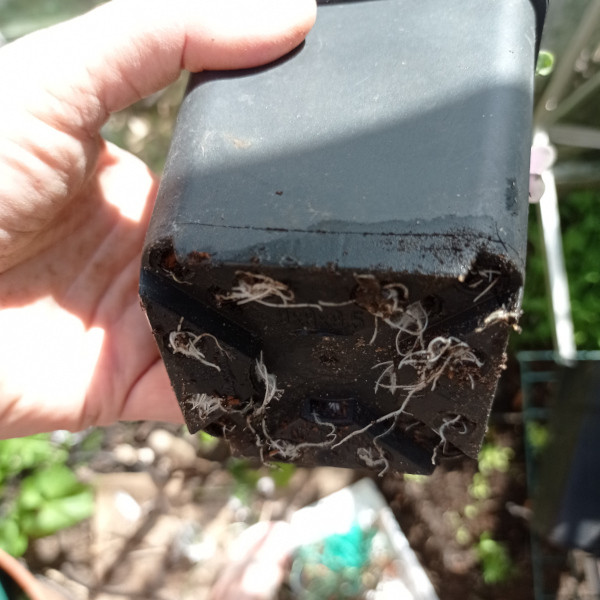
Ferocacti are slow growers, but they do eventually outgrow their homes. Repotting is a rite of passage, a chance to refresh the soil and inspect the roots. Choose a pot only slightly larger than the current one—Ferocacti prefer snug quarters. Gently remove the plant, shaking off old soil and trimming any blackened or mushy roots with sterilized scissors. Allow the roots to callus over for a day or two before replanting in fresh, dry soil. Wait a week before watering to minimize the risk of rot. This is not just a transplant; it’s a rebirth.
The Grand Finale: Encouraging Blooms
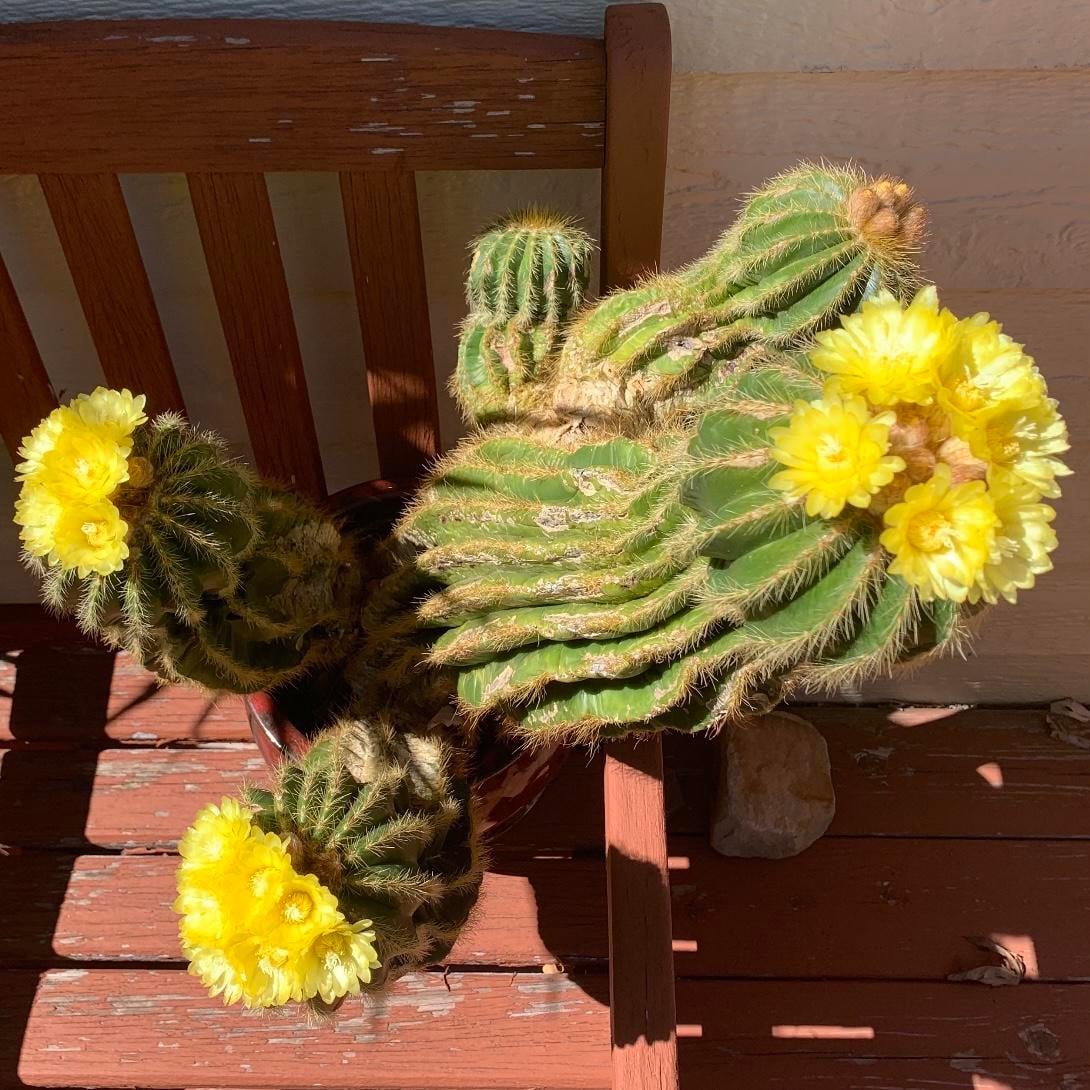
Ah, the pièce de résistance: flowers. Ferocacti are notoriously shy bloomers indoors, but with the right conditions, they can reward your patience with a dazzling display. Light is the critical factor. Ensure your cactus receives ample sunlight or grow light, as blooming is triggered by long days and warm temperatures. Some species, like the Ferocactus glaucescens, may bloom as early as 5 years old, while others take decades. When buds appear, resist the urge to move the plant—disturbances can cause them to abort. And when the first petals unfurl? That’s not just a flower. It’s a triumph.
FAQ
What is Ferocactus?
Ferocactus, commonly known as barrel cactus, is a genus of cacti characterized by their ribbed, spherical shape and vibrant flowers.
How often should I water my Ferocactus?
Water your Ferocactus deeply but infrequently, approximately every 3–4 weeks during the growing season, and reduce watering in winter.
What kind of soil is best for Ferocactus?
A mix of 60% inorganic materials (like coarse sand or perlite) and 40% organic components (like coconut coir) is ideal for Ferocactus.
How much light does a Ferocactus need?
Ferocactus thrives in bright sunlight; a south-facing window or a grow light is ideal for indoor growth.


Leave a Reply