
Short Answer
In the quest for a zero-waste lifestyle, every small choice ripples outward, reshaping our relationship with consumption. Among the most overlooked yet profoundly sustainable allies in this journey are cacti—those stoic sentinels of the desert, thriving on scarcity and offering a trove of waste-minimizing possibilities. Far beyond their prickly exteriors, these resilient plants embody the ethos of circular living, where every thorn, stem, and flower serves a purpose. Whether you’re a seasoned eco-warrior or a curious newcomer to sustainable living, integrating cacti into your zero-waste toolkit can transform your home, your habits, and even your mindset. Let’s explore how these desert dwellers can become your unexpected partners in waste reduction, one thorny innovation at a time.
The Multifaceted Marvels of Cacti: More Than Just Prickly Decor
Cacti are the unsung heroes of the plant kingdom, boasting an array of adaptations that make them ideal for zero-waste living. Their water-storing stems reduce the need for frequent irrigation, slashing household water waste. Many species, like the prickly pear (Opuntia), produce edible pads and fruits, offering a dual-purpose solution for food waste reduction. Even their spines serve a purpose—historically used as needles or tools in indigenous cultures. By embracing cacti, you’re not just adding greenery to your space; you’re adopting a living system that inherently rejects excess. Their slow growth rates mean fewer repotting cycles, and their ability to thrive in poor soil conditions eliminates the need for chemical fertilizers. In essence, cacti are a testament to the principle that sustainability doesn’t require sacrifice—it demands ingenuity.
Culinary Alchemy: Cooking with Cacti to Slash Food Waste
The kitchen is where waste often begins, but cacti can rewrite that narrative. Prickly pear pads, or nopales, are a staple in Mexican cuisine, packed with fiber and vitamins. Their mucilaginous texture makes them a fantastic meat substitute in vegan dishes, reducing reliance on resource-intensive proteins. The fruits, or tunas, can be blended into smoothies, fermented into vinegar, or dehydrated into chewy snacks, ensuring no part of the plant goes to waste. Even the spines, when carefully removed, can be used to skewer small ingredients like mushrooms or cherry tomatoes, eliminating the need for disposable toothpicks. For those in arid climates, cacti offer a year-round harvest, cutting down on the carbon footprint of imported produce. Imagine a zero-waste taco night where every component—from the nopales filling to the prickly pear salsa—is homegrown. The possibilities are as boundless as the desert horizon.
Crafting with Cacti: DIY Projects That Repurpose Every Part
Zero-waste living thrives on creativity, and cacti provide an embarrassment of raw materials for hands-on projects. The dried pads of the prickly pear can be sanded into rustic coasters, their natural ridges adding texture to your coffee table. The spines, when sterilized, can be woven into intricate jewelry or even used as plant markers in your garden. The fibrous pulp left after juicing the fruits can be dried and pressed into paper, perfect for handmade cards or gift tags. Even the soil in which cacti grow can be repurposed—once depleted, it makes excellent mulch for other drought-tolerant plants. These projects aren’t just eco-friendly; they’re a tactile rebellion against the disposable culture that defines modern consumerism. Each creation carries the story of its origin, a reminder that waste is merely a design flaw.
Cacti as Living Containers: Redefining Storage Solutions
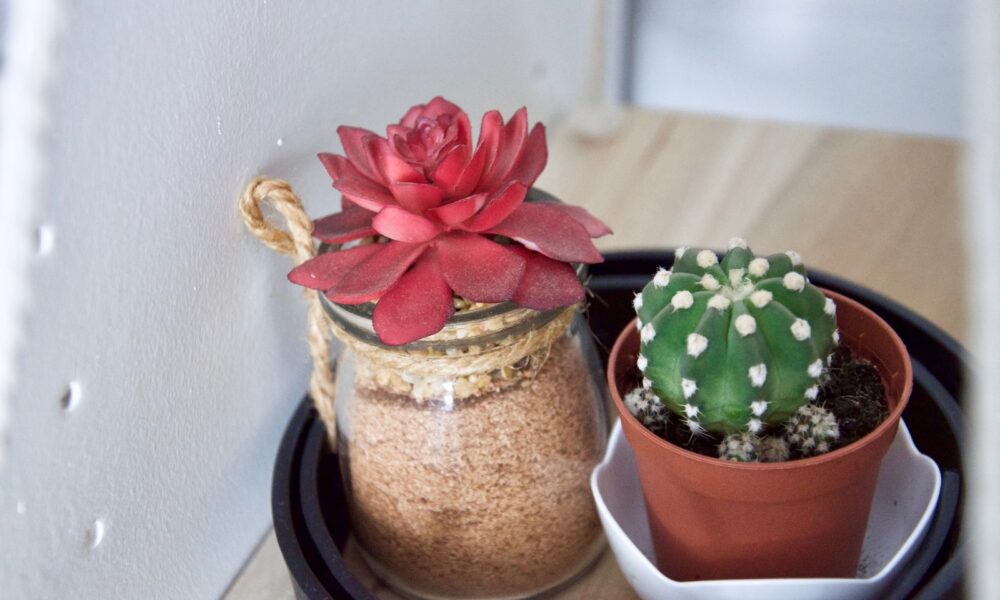
Why buy plastic bins when nature provides a living alternative? Certain cacti, like the Echeveria or Haworthia, can be cultivated in repurposed containers—think mason jars, vintage tins, or even hollowed-out gourds. Their compact size makes them ideal for organizing small spaces, from bathroom counters to office desks. The best part? They double as air purifiers, filtering toxins like benzene and formaldehyde from the air. For those with a flair for design, arranging cacti in geometric terracotta pots creates a striking visual statement while eliminating the need for synthetic storage solutions. This approach turns clutter management into an art form, where every plant is both a functional and aesthetic asset. The message is clear: sustainability doesn’t have to be austere—it can be lush, vibrant, and utterly stylish.
Medicinal and Cosmetic Uses: Harnessing Cacti’s Healing Powers
The zero-waste movement extends beyond the physical to the realm of self-care, and cacti deliver on both fronts. Aloe vera, a member of the cactus family, is a household staple for soothing burns and hydrating skin—no store-bought creams required. The gel can be mixed with coconut oil for a DIY moisturizer, or blended with lemon juice for a clarifying face mask. Prickly pear seed oil, extracted from the seeds of the fruit, is a luxurious addition to skincare routines, packed with antioxidants and fatty acids. Even the spines can be sterilized and used in acupuncture or as natural exfoliants. By integrating cacti into your wellness routine, you’re not just reducing packaging waste; you’re reclaiming agency over your health. The desert’s bounty is a pharmacy without walls, waiting to be explored.
Cacti in Community: Building Zero-Waste Networks Through Sharing
Sustainability flourishes in community, and cacti are the perfect conversation starters for fostering local eco-networks. Swapping cuttings with neighbors eliminates the need for store-bought plants, reducing the carbon footprint of horticulture. Community gardens can dedicate plots to cactus cultivation, creating shared spaces for education and harvest. Workshops on propagating cacti or cooking with nopales can bridge generational gaps, passing down indigenous knowledge while promoting zero-waste practices. Even gifting cacti—potted in upcycled containers—becomes an act of resistance against the throwaway culture. These exchanges transform cacti from solitary houseplants into symbols of collective resilience, proving that waste reduction is a team sport.
Challenges and Considerations: Navigating the Thorny Path
Of course, no zero-waste journey is without its hurdles, and cacti are no exception. Their slow growth demands patience, a virtue often in short supply in today’s fast-paced world. Some species are protected or endangered, so sourcing ethically is paramount—always opt for cultivated varieties over wild-harvested ones. Overwatering is a common pitfall, leading to root rot and wasted resources. And while cacti are low-maintenance, they still require sunlight and occasional care, which may not suit everyone’s lifestyle. For urban dwellers, space constraints can limit cactus cultivation, though vertical gardens or windowsill arrangements can mitigate this. The key is to approach cacti with respect, recognizing that their gifts come with responsibilities. When integrated thoughtfully, they become allies rather than mere decorations.
Future Horizons: Cacti in the Zero-Waste Revolution
As climate change intensifies, the role of cacti in sustainable living will only grow more critical. Researchers are exploring their potential in biofuel production, carbon sequestration, and even as building materials. Imagine homes insulated with cactus-based composites or urban farms powered by prickly pear bioenergy. The humble cactus, once dismissed as a desert oddity, is poised to become a cornerstone of green innovation. By embracing these plants today, you’re not just reducing waste—you’re investing in a future where resilience and resourcefulness reign supreme. The desert doesn’t just survive; it thrives. And so can we, with a little help from our spiky friends.
FAQ
How can cacti contribute to a zero-waste lifestyle?
Cacti can reduce water waste, produce edible parts, and provide materials for crafts, embodying the principles of zero-waste living.
What are some edible uses of cacti?
Prickly pear pads and fruits can be used in various recipes, including salads, smoothies, and as meat substitutes.

Leave a Reply