
Short Answer
Have you ever found yourself staring into the spiky, jewel-like world of Gymnocalycium cacti, wondering which species deserves a spot in your collection? These South American natives, with their globular forms and delicate blossoms, are more than just prickly adornments—they’re a gateway to a miniature desert universe. But with over 70 recognized species, where does one even begin? Fear not, fellow plant enthusiast, for this guide will illuminate the most popular Gymnocalycium species, their quirks, and the challenges that make them irresistibly rewarding to grow.
The Allure of Gymnocalycium: Why These Cacti Captivate Collectors
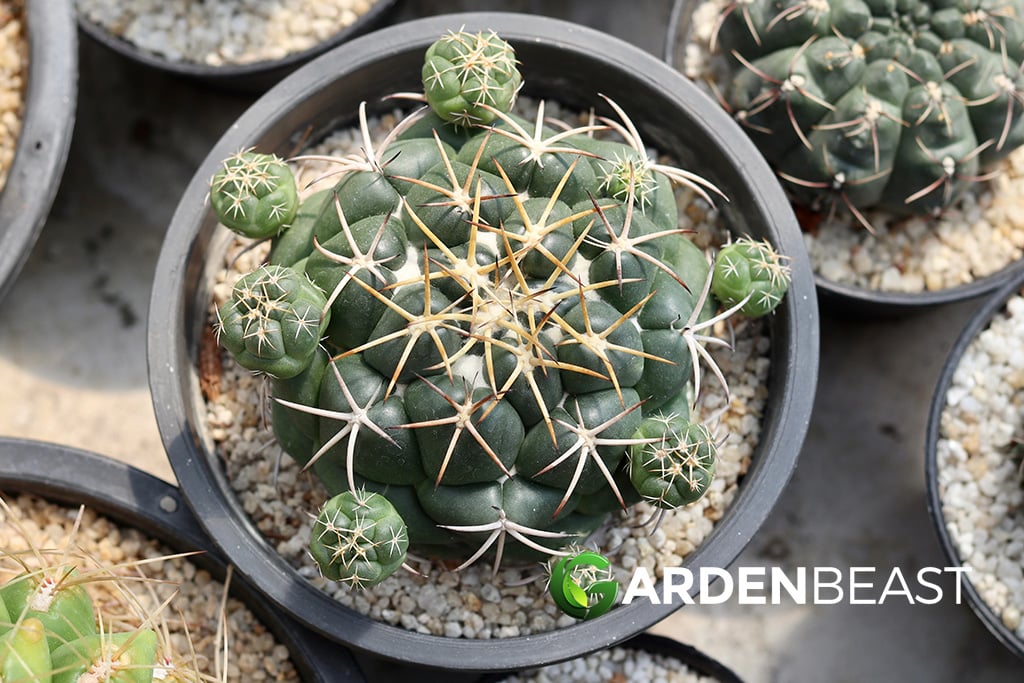
Gymnocalycium, affectionately dubbed the “chin cactus” for its distinctive ribbed structure, is a genus that thrives on subtlety. Unlike their more flamboyant cousins, these cacti boast understated elegance—rounded bodies, soft spines, and flowers that burst forth like unexpected confetti. Their adaptability to cultivation makes them ideal for both novices and seasoned collectors. But what truly sets them apart is their personality. Some species blush pink under stress, others sport stripes like zebras, and a few even mimic pebbles to evade predators. It’s a botanical game of hide-and-seek, and we’re all here for the thrill.
Yet, their charm comes with a caveat: Gymnocalycium are not the type to forgive neglect. They demand precise light, well-draining soil, and a touch of patience. But for those willing to rise to the challenge, the rewards are spectacular—vivid blooms that can last weeks, and a sense of accomplishment that’s as sharp as their spines.
Meet the Stars: Top Gymnocalycium Species for Your Collection
Let’s dive into the crème de la crème of Gymnocalycium, the species that turn heads and spark conversations. First up is Gymnocalycium mihanovichii, the poster child of the genus. Hailing from Paraguay and Argentina, this species is a master of disguise with its flattened, gray-green body and ribbed texture. But its real claim to fame? The Hibotan cultivar, a mutant strain that lacks chlorophyll, sporting vibrant hues of red, orange, or yellow. These “moon cacti” are often grafted onto green rootstocks, creating a striking contrast that’s as divisive as it is dazzling.
Next, we have Gymnocalycium baldianum, a compact powerhouse from Argentina. Its deep green body is adorned with white, hooked spines, and in spring, it rewards growers with fiery red flowers that seem to defy its modest size. This species is a favorite among collectors for its resilience and prolific blooming habit. Then there’s Gymnocalycium quehlianum, a petite gem with a globular shape and creamy white flowers that exude a citrusy fragrance. Its slow growth rate makes it a prized possession for those who appreciate the art of slow living.
Don’t overlook Gymnocalycium denudatum, a species that flaunts its ribs like a peacock’s feathers. Native to Brazil, this cactus is a slow grower but a fast bloomer, producing white flowers that open at dusk and emit a sweet, vanilla-like scent. And for the adventurous, Gymnocalycium horstii offers a wild card—its elongated, ribbed body and pink-tinged flowers make it a standout in any collection.
The Hidden Challenges: What No One Tells You About Growing Gymnocalycium
Before you rush to add these beauties to your cart, let’s talk about the elephant in the room: Gymnocalycium are not the easiest cacti to please. Their first hurdle? Light. These plants are sun-worshippers, but too much direct afternoon sun can scorch their delicate skins. A bright, indirect light setup is ideal, with a gradual introduction to full sun to prevent sunburn. Then there’s watering. Gymnocalycium are drought-tolerant, but they despise soggy soil. Overwatering leads to root rot, a silent killer that strikes when you least expect it. The key? Water sparingly, and only when the soil is bone-dry.
Another challenge? Pests. Mealybugs and scale insects find Gymnocalycium as irresistible as we do, and they’re not shy about making themselves at home. Regular inspections and a dab of rubbing alcohol on a cotton swab can keep these uninvited guests at bay. And let’s not forget grafting, a technique often used for colorful cultivars like the Hibotan. While grafting can extend the life of these mutants, it also introduces risks—poor technique can lead to rot or incompatibility between the scion and rootstock.
But perhaps the biggest challenge is patience. Gymnocalycium are not the type to rush. They grow slowly, bloom sporadically, and sometimes take years to reach maturity. Yet, it’s this very slowness that makes their eventual blooms so rewarding. There’s a profound joy in watching a tiny seedling transform into a flowering specimen over the course of a decade. It’s a lesson in delayed gratification, and one that every plant parent should experience.
Designing with Gymnocalycium: Creative Ways to Showcase Your Collection
Now that you’ve got your Gymnocalycium, how do you display them in a way that does them justice? These cacti are versatile design elements, capable of elevating everything from minimalist terrariums to bold, sculptural arrangements. For a modern twist, consider a geometric planter with a matte finish—its angular lines will contrast beautifully with the rounded forms of your cacti. Or, for a touch of whimsy, group them in a terracotta bowl with other desert plants like lithops or echeverias. The key is to play with texture and scale, creating a visual rhythm that draws the eye.
If you’re feeling adventurous, try a hanging display. Suspend a series of small, shallow pots from a macramé hanger, arranging your Gymnocalycium in a cascading pattern. This not only saves space but also turns your collection into a living mobile. For a more dramatic effect, opt for a vertical garden with staggered shelves. Arrange your cacti in order of size, from smallest at the top to largest at the bottom, to create a sense of movement and depth.
And don’t forget the power of color. While Gymnocalycium are often associated with muted greens and browns, their flowers introduce a burst of vibrancy. Pair a blooming Gymnocalycium baldianum with a deep purple echeveria, or place a Hibotan next to a golden-toned haworthia. The contrast will make your collection feel like a curated art exhibit.
Beyond the Basics: Advanced Tips for Gymnocalycium Enthusiasts
Once you’ve mastered the fundamentals, it’s time to level up your Gymnocalycium game. For the serious collector, hybridization offers a thrilling avenue to explore. By cross-pollinating different species, you can create unique hybrids with novel colors, spine patterns, or growth habits. Document your experiments meticulously—you might just stumble upon the next big thing in the cactus world.
Another advanced technique is propagation. While Gymnocalycium can be grown from seed, they’re also amenable to offsets. Gently remove a pup from the base of a mature plant, let it callus over for a few days, and then pot it up in a well-draining mix. With the right conditions, it will root in a matter of weeks. This method is ideal for preserving rare or slow-growing species.
For those who love a challenge, try growing Gymnocalycium in unconventional containers. A hollowed-out geode? A vintage teacup? A repurposed lightbulb? The possibilities are endless. Just ensure your chosen vessel has adequate drainage and enough room for the plant to grow. And remember, the container should complement the cactus, not compete with it.
Finally, consider joining a cactus society or online forum. These communities are treasure troves of knowledge, offering tips, trade opportunities, and camaraderie. You’ll meet fellow enthusiasts who share your passion, and who knows? You might even find your next prized specimen at a swap meet.
Final Thoughts: Why Gymnocalycium Are Worth the Effort
Gymnocalycium may not be the flashiest cacti in the desert, but they’re certainly among the most rewarding. Their understated beauty, coupled with their resilience and adaptability, makes them a joy to grow. Yes, they demand attention to detail, but isn’t that what makes them so special? In a world where instant gratification is the norm, Gymnocalycium remind us that good things come to those who wait—and tend, and observe, and nurture.
So, are you ready to embark on your Gymnocalycium journey? Whether you’re a seasoned collector or a curious beginner, there’s a species out there waiting to capture your heart. Start with one, learn its quirks, and before you know it, you’ll be hooked. And who knows? You might just find yourself whispering sweet nothings to your cacti at dawn, marveling at the first blush of a flower bud. After all, isn’t that what true plant parenthood is all about?
FAQ
What is Gymnocalycium?
Gymnocalycium is a genus of cacti known for their globular shapes and delicate flowers, popular among collectors.
How can I care for Gymnocalycium?
They require precise light, well-draining soil, and careful watering—allowing the soil to dry completely between waterings.
What are the challenges of growing Gymnocalycium?
Common challenges include light sensitivity, overwatering, and pest infestations.


Leave a Reply