
Short Answer
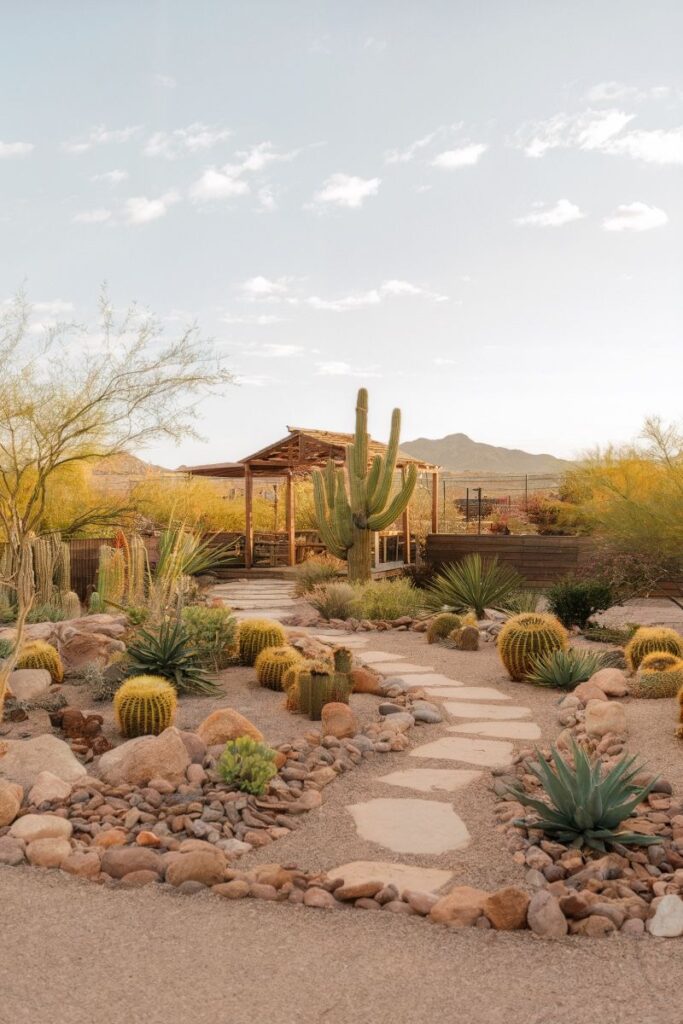
There’s something profoundly arresting about the sight of a towering Carnegiea gigantea—commonly known as the saguaro—against the backdrop of a desert sky. Its columnar silhouette, etched in stark silhouette against the setting sun, evokes a sense of timelessness and resilience. This iconic cactus, native to the Sonoran Desert, has long captivated artists, architects, and homeowners alike, not merely as a plant, but as a symbol of the arid landscape’s quiet majesty. Yet beyond its aesthetic allure lies a deeper fascination: the saguaro is a master of adaptation, a living testament to survival in one of Earth’s most unforgiving environments. When integrated thoughtfully into landscaping, it transforms ordinary outdoor spaces into breathtaking desert oases—spaces that whisper of adventure, tranquility, and harmony with nature’s rhythms.
The Saguaro’s Enduring Appeal: Why This Cactus Captivates the Imagination
The saguaro’s allure is not merely visual; it is existential. Standing sentinel in the desert, it can reach heights of 40 feet or more, its ribbed trunk and outstretched arms forming a silhouette that feels both ancient and alive. This cactus thrives in conditions that would wither most flora—scorching days, frigid nights, and a relentless sun that bleaches the earth to a pale gold. Its slow growth—sometimes taking decades to sprout its first arm—mirrors the patience required to cultivate a meaningful connection with the land. In landscaping, the saguaro transcends its role as a plant; it becomes a narrative device, a living sculpture that tells the story of endurance and adaptation. Homeowners who incorporate it into their gardens don’t just add greenery—they invite a piece of the wild, untamed spirit of the desert into their daily lives.
Selecting the Right Saguaro: Size, Age, and Species Considerations
Not all saguaros are created equal. When selecting one for your landscape, consider the mature size—some specimens can exceed 30 feet in height, with arms that stretch outward like the branches of a colossal candelabra. For smaller gardens or patios, dwarf varieties or younger plants are more practical. The Carnegiea gigantea is the most recognizable species, but hybrids and cultivated forms may offer variations in rib structure or arm development. Age is another critical factor: a saguaro can live for 150 years or more, but it grows at a glacial pace—just an inch per decade in its early years. Purchasing a mature specimen ensures immediate impact, though it comes with a higher price tag and greater care requirements. Always source from reputable nurseries to avoid depleting wild populations, which are protected in their native habitats.
Design Principles: Crafting a Cohesive Desert Oasis
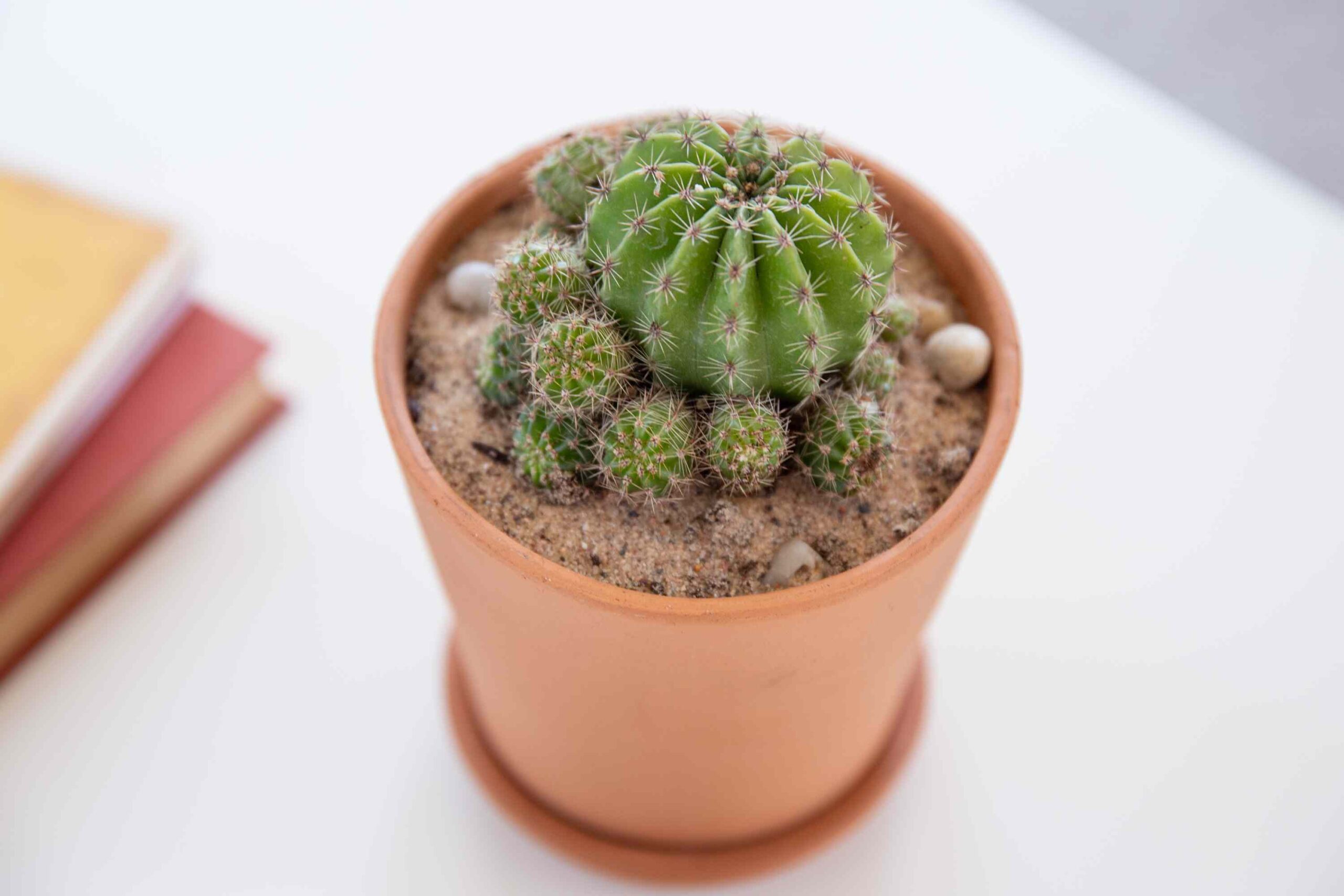
A saguaro-centered landscape should feel intentional, not haphazard. Begin by assessing your space’s microclimate—saguaro thrive in full sun and well-draining soil, mimicking their native desert floor. Group them with other drought-tolerant species like agave, yucca, or ocotillo to create a cohesive, textured tapestry. Use contrasting colors and forms: the saguaro’s verticality pairs beautifully with the sprawling, rosette shapes of aloe or the spiky elegance of barrel cacti. Incorporate natural elements like river rocks, decomposed granite, or sand pathways to evoke the rugged beauty of the Sonoran Desert. Lighting plays a crucial role, too—strategic placement of uplights can transform your saguaro into a dramatic focal point at dusk, casting long, shifting shadows that dance across the ground.

Soil and Watering: Mimicking the Desert’s Cruel Efficiency
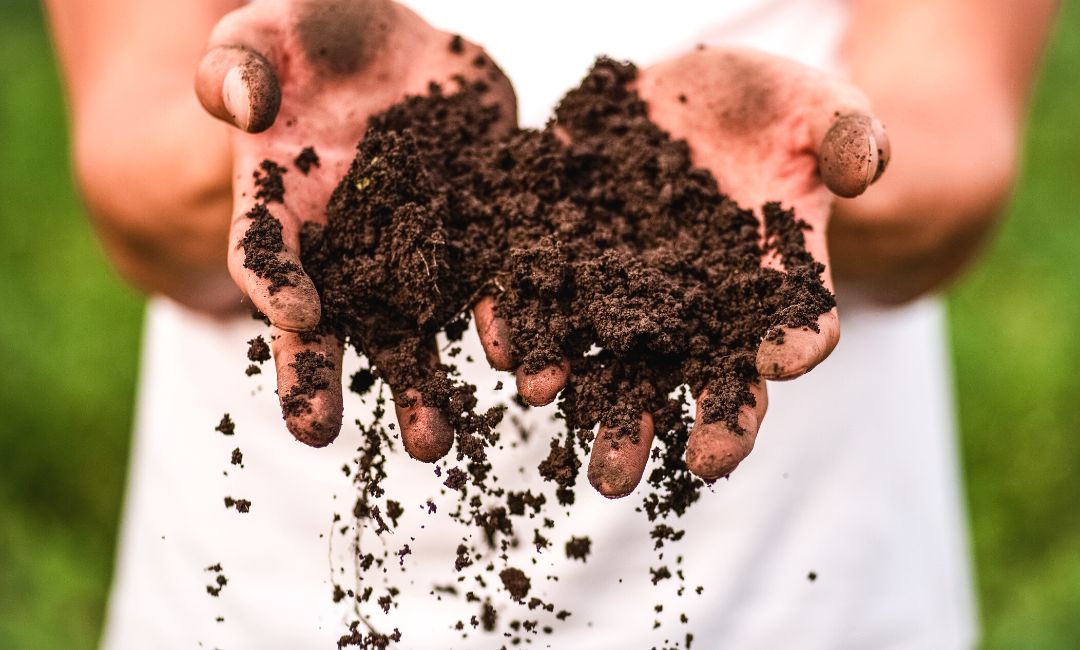
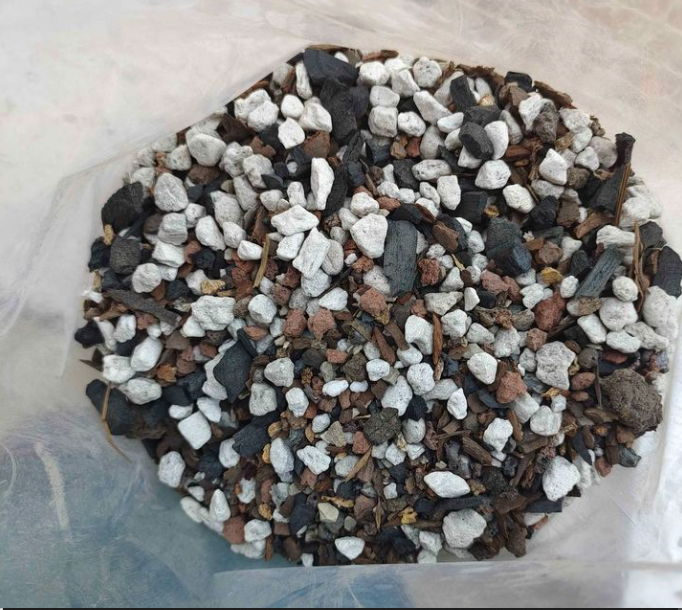
The saguaro’s survival hinges on two things: impeccable drainage and minimal water. Plant it in sandy, loamy soil that mimics the desert’s parched embrace—any hint of clay or poor drainage can lead to root rot and eventual demise. Amend heavy soils with coarse sand, pumice, or perlite to ensure water passes through swiftly. Watering is a delicate balance: newly planted saguaros require regular hydration for the first year, but once established, they thrive on neglect. Overwatering is the most common mistake—saguaro are built for drought, not abundance. During the growing season, a deep soak every two to four weeks is sufficient, tapering off entirely in winter when the plant enters dormancy. Remember: in the desert, less is always more.
Structural Support and Long-Term Care
Despite their rugged appearance, saguaros are surprisingly fragile. Their shallow root systems sprawl outward rather than delve deep, making them susceptible to toppling in strong winds. Staking young plants can prevent this, but remove supports once the roots have had a chance to establish. Pruning is rarely necessary—saguaro shed their lower branches naturally as they age, a process known as cladoptosis. However, if dead or damaged arms pose a safety risk, consult a professional to avoid harming the plant. Fertilizing is optional; saguaros derive most of their nutrients from the soil and air. If you choose to fertilize, use a low-nitrogen, high-phosphorus formula sparingly, applied in early spring. Watch for pests like scale insects or mealybugs, which can weaken the plant over time—treat infestations promptly with horticultural oil or insecticidal soap.
Creating a Year-Round Desert Experience
A saguaro landscape isn’t just for summer. In spring, the plant may produce creamy-white flowers that attract pollinators like bats and bees, a fleeting but magical display. Summer brings the iconic silhouette, stark and unyielding against the blazing sun. Autumn offers a softer palette, as the desert cools and the saguaro’s ribs cast gentle shadows. Winter, though dormant, reveals the plant’s intricate structure, its ribs like the framework of a Gothic cathedral. To extend the seasonal interest, layer your garden with plants that bloom or change color at different times—desert marigolds for spring, brittlebush for summer, and penstemons for fall. Add a water feature, like a small recirculating fountain, to introduce the soothing sound of trickling water, a rare luxury in the desert’s silence.
Cultural and Symbolic Significance: More Than Just a Plant
The saguaro holds deep cultural significance, particularly among Indigenous peoples of the Southwest. For the Tohono O’odham, it is a sacred plant, providing food, water, and materials for centuries. Its image adorns art, pottery, and even modern logos, symbolizing resilience and connection to the land. When you plant a saguaro, you’re not just adding a decorative element—you’re participating in a tradition that spans generations. It’s a quiet rebellion against the homogenization of suburban landscapes, a declaration that beauty can thrive in scarcity. In a world where ornamental gardens often prioritize lushness over authenticity, the saguaro stands as a defiant yet elegant alternative.
Common Pitfalls and How to Avoid Them
Even the most well-intentioned gardener can stumble when cultivating a saguaro. One of the most frequent errors is overestimating the plant’s water needs—remember, in the desert, every drop is precious. Another is neglecting soil composition; saguaros despise soggy roots and compacted earth. Avoid planting them too close to structures or other large plants, as their roots and branches need room to expand. Be patient—saguaro growth is a marathon, not a sprint. Lastly, resist the urge to relocate a mature specimen; their roots are delicate, and transplant shock can be fatal. If you must move one, do so in early spring, and handle it with the care you’d afford a prized sculpture.
Inspiration from the Wild: Case Studies in Saguaro Landscaping
Across the Southwest, landscape architects have reimagined the saguaro’s role in modern design. In Phoenix’s Desert Botanical Garden, saguaros stand as living monuments, their silhouettes framing pathways that wind through a curated collection of native flora. In private estates, designers use them to create focal points in minimalist courtyards, where their stark forms contrast with smooth concrete and glass. Even in urban settings, saguaros find a home—planted in rooftop gardens or as part of green walls, they bring a touch of the wild into concrete jungles. These examples prove that the saguaro is not just a desert dweller; it is a versatile, adaptable plant capable of elevating any landscape, from the most remote wilderness to the heart of a bustling city.
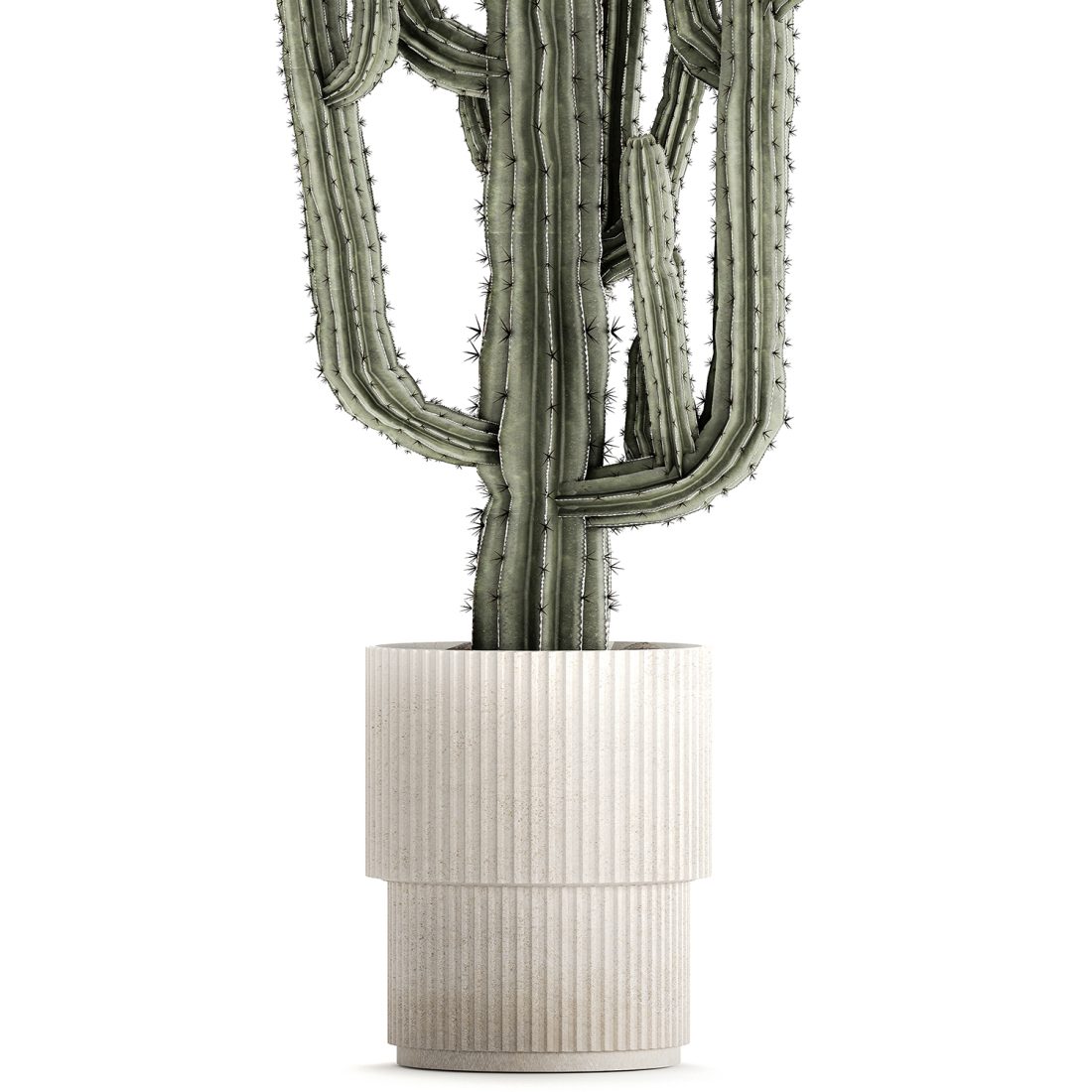
To cultivate a saguaro is to embrace a philosophy as much as a horticultural practice. It’s about celebrating the beauty of scarcity, the elegance of endurance, and the quiet power of a landscape that thrives despite the odds. Whether you’re drawn to its symbolic resonance, its architectural grandeur, or simply its unmatched ability to transform a space, the saguaro offers something profound: a connection to the earth’s most resilient spirit. Plant one in your garden, and you won’t just create a desert oasis—you’ll invite a piece of the wild into your everyday life.
FAQ
What are the ideal conditions for planting a saguaro?
Saguaros thrive in full sun and well-draining sandy or loamy soil, mimicking their natural desert habitat.
How often should I water my saguaro cactus?
Newly planted saguaros require regular hydration for the first year, while established plants should be watered deeply every two to four weeks during the growing season.
Leave a Reply