
Short Answer
In the vast, sun-drenched landscapes of the Americas, where the earth meets the sky in a dance of resilience and beauty, the Opuntia cactus stands as a testament to nature’s audacity. These prickly pioneers, with their flat, paddle-like pads and vibrant blooms, have captivated collectors, gardeners, and dreamers alike. Whether you’re a seasoned succulent enthusiast or a curious newcomer, the world of Opuntia offers a treasure trove of diversity, each species a unique brushstroke on the canvas of the desert. Welcome to a collector’s guide to the most popular Opuntia species—a journey through spines, flowers, and the quiet defiance of life in the arid wilds.
The Paddle Plants: Opuntia’s Iconic Canvases
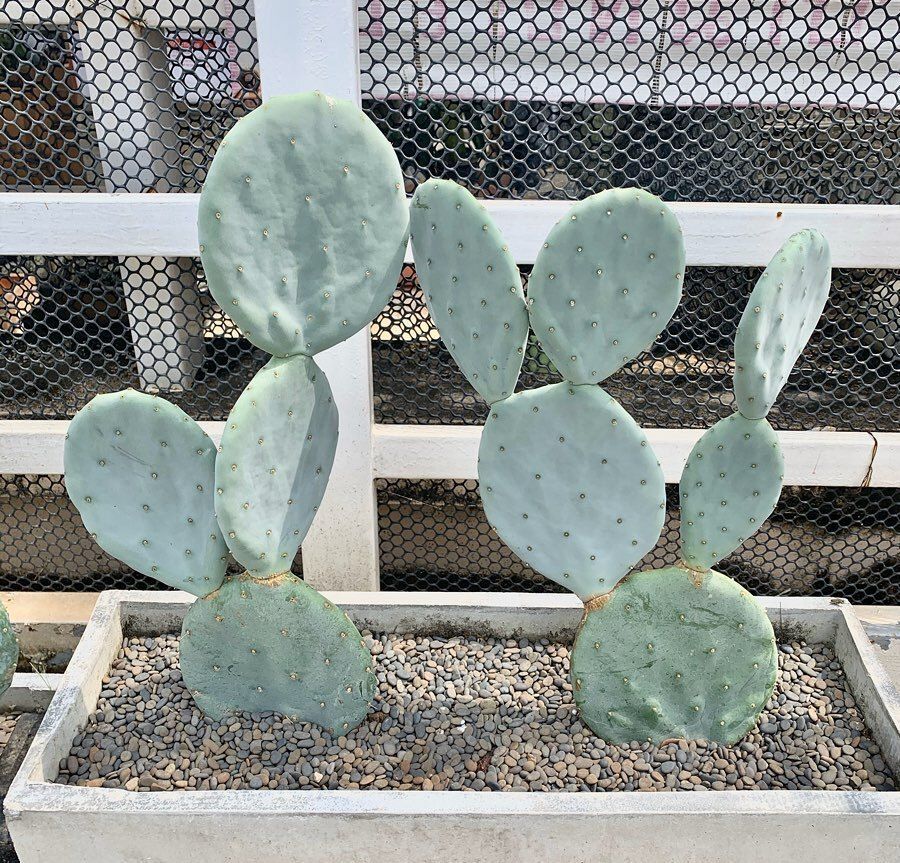
At the heart of the Opuntia genus lie the paddle cacti, their broad, flattened pads resembling the outstretched palms of ancient storytellers. These pads, or cladodes, are not just storage vessels for water—they are living canvases, each one a miniature ecosystem teeming with life. The Opuntia ficus-indica, or prickly pear, is perhaps the most famous of these, its pads a lush green canvas adorned with clusters of golden spines. But don’t let the spines fool you; beneath their prickly armor lies a sweet, juicy reward—edible fruits that burst with the flavors of summer. Then there’s the Opuntia robusta, with its massive, blue-green pads that seem to glow under the desert sun, a regal presence in any collection. These paddle plants are the backbone of Opuntia cultivation, their adaptability making them a favorite among beginners and experts alike.
The Ballerinas of the Cactus World: Globular Opuntia Species
While the paddle cacti command attention, the globular Opuntia species dance into the spotlight with their compact, rounded forms. These are the ballerinas of the cactus world—elegant, precise, and full of surprises. Take the Opuntia microdasys, or bunny ears cactus, whose pads are covered in tiny, golden glochids that resemble a fluffy coat. It’s a misnomer to call them spines; they’re more like the delicate whiskers of a feline, soft to the touch yet fiercely protective. Then there’s the Opuntia rufida, the blind prickly pear, whose pads are a muted green, almost camouflaged against the desert floor, save for the rust-colored glochids that give it its name. These globular species are perfect for small spaces, their diminutive stature belied by their bold personalities.
The Floral Extravaganza: Opuntia Blooms That Defy Expectations
To witness an Opuntia in full bloom is to witness a miracle of tenacity and beauty. These cacti, often dismissed as mere desert survivors, transform into veritable fireworks displays when their flowers unfurl. The Opuntia phaeacantha bursts forth with petals of fiery orange, as if the sun itself has decided to bloom. The Opuntia engelmannii, or cow’s tongue cactus, offers up blooms of a delicate pink, their petals so tender they seem to shimmer in the slightest breeze. And then there’s the Opuntia santa-rita, whose pads blush a deep purple in the cooler months, only to reward the patient observer with vibrant yellow flowers that seem to glow in the moonlight. These blooms are not fleeting; they are a declaration—a reminder that even in the harshest conditions, life finds a way to flourish.
The Spine Chronicles: A Study in Defense and Beauty
The spines of an Opuntia are more than just prickly nuisances; they are a language, a code of survival written in sharp, angular strokes. Some spines, like those of the Opuntia polyacantha, are long and needle-like, a deterrent against even the most determined herbivores. Others, like the Opuntia basilaris, or beavertail cactus, boast flattened, paddle-shaped spines that blend seamlessly with the pads, a masterclass in camouflage. And then there are the spines of the Opuntia clavata, which resemble tiny, curved hooks, perfect for latching onto unsuspecting passersby. These spines are not just tools of defense; they are works of art, each one a testament to the cactus’s ingenuity. To study them is to understand the delicate balance between beauty and survival.
The Desert’s Jewels: Rare and Exotic Opuntia Species
For the collector with a taste for the extraordinary, the world of Opuntia offers a trove of rare and exotic gems. The Opuntia pycnantha, or coastal prickly pear, is a coastal dweller, its pads a deep green and its spines a striking black, a stark contrast to the sandy beaches it calls home. The Opuntia fragilis, or brittle cactus, is a nomad, its pads detaching at the slightest touch, a survival strategy that allows it to spread far and wide. And then there’s the Opuntia vestita, a Bolivian native with pads so densely covered in white spines that it resembles a snowdrift in the desert. These rare species are not just plants; they are living sculptures, each one a conversation starter and a testament to the endless creativity of nature.
The Collector’s Handbook: Cultivating Opuntia with Finesse
To cultivate Opuntia is to engage in a silent dialogue with the desert itself. These cacti thrive in conditions that would wither most plants—full sun, well-draining soil, and a hands-off approach to watering. The key to success lies in mimicking their natural habitat: a pot with ample drainage holes, a gritty soil mix, and a location where the sun can kiss the pads without mercy. Water sparingly, allowing the soil to dry completely between waterings, and resist the urge to over-tend. Opuntia, like all desert dwellers, prefers neglect to coddling. And when the time comes to propagate, simply break off a pad, let it callus over for a few days, and plant it in fresh soil. Within weeks, a new cactus will emerge, a living testament to the power of patience and resilience.
The Opuntia Legacy: A Living Tribute to Nature’s Resilience
The Opuntia cactus is more than just a plant; it is a symbol of endurance, a living monument to the beauty that thrives in the most unlikely of places. Whether you’re drawn to the bold pads of the prickly pear, the delicate blooms of the Engelmann’s cactus, or the rare elegance of the Bolivian vestita, there’s an Opuntia out there waiting to capture your heart. These cacti are not just collectors’ items; they are teachers, reminding us that life, in all its forms, is worth celebrating. So go ahead—add a paddle cactus to your windowsill, a bunny ears to your desk, or a rare Opuntia to your greenhouse. Let these desert jewels inspire you, challenge you, and above all, remind you that beauty is not confined to the lush and the green. It thrives in the arid, the prickly, and the unexpected.
FAQ
What is Opuntia?
Opuntia is a genus of cacti commonly known as prickly pears, characterized by their flat pads and vibrant flowers.
Are Opuntia cacti edible?
Yes, many Opuntia species produce edible fruits that are sweet and nutritious.





Leave a Reply