

Short Answer
In the vast, arid landscapes where the sun bleaches the earth and the winds sculpt the dunes, a silent sentinel thrives—Lophophora, the unassuming cactus genus that has captivated botanists, spiritual seekers, and conservationists alike. These small, spineless wonders, often referred to as “peyote,” are not merely plants; they are living artifacts of cultural heritage, ecological resilience, and ethical dilemmas. Yet, their survival hangs by a thread, threatened by overharvesting, habitat destruction, and a burgeoning black market. Supporting Lophophora conservation is not just an act of ecological stewardship—it is a moral imperative, a fusion of legal vigilance and compassionate action. Whether you are a seasoned horticulturist, a curious novice, or an advocate for indigenous rights, there are myriad ways to contribute to their preservation. Let’s explore how you can become a guardian of these enigmatic cacti, ensuring their legacy endures for generations to come.
The Ethical Imperative: Why Lophophora Deserves Our Protection
The plight of Lophophora is a microcosm of broader ecological injustices. These cacti, native to the Chihuahuan Desert and parts of northern Mexico, have been harvested to near-extinction in the wild due to their psychoactive and medicinal properties. Indigenous communities, particularly the Huichol people, have revered Lophophora for millennia, using it in sacred rituals to commune with the divine. Yet, commercial exploitation has stripped these plants from their natural habitats, disrupting ecosystems and eroding cultural traditions. Ethically, supporting Lophophora conservation means acknowledging this deep-rooted connection between plant, people, and place. It means rejecting the commodification of a sacred resource and instead fostering a relationship rooted in reciprocity and respect. Every purchase, every conservation effort, every shared conversation becomes a vote for a future where Lophophora is not a commodity but a cherished part of our shared heritage.
Legal Landscapes: Navigating the Complex Web of Regulations
Before embarking on any conservation effort, it is crucial to understand the legal frameworks that govern Lophophora. The genus is protected under the Convention on International Trade in Endangered Species of Wild Fauna and Flora (CITES), which classifies certain species, like Lophophora williamsii, under Appendix II. This designation restricts international trade unless it can be proven that the harvest does not threaten wild populations. Domestically, countries like Mexico and the United States have enacted laws to curb illegal harvesting and trafficking. For instance, Mexico’s Norma Oficial Mexicana (NOM-059-SEMARNAT-2010) lists Lophophora as a threatened species, prohibiting its collection without permits. However, enforcement remains a challenge, and loopholes in regulations often allow illicit trade to flourish. As a supporter, your role is to advocate for stricter enforcement, report suspicious activity to authorities, and educate others about the legal consequences of trafficking these plants. Knowledge, in this case, is not just power—it is protection.
Cultivation as Conservation: Growing Lophophora Ethically
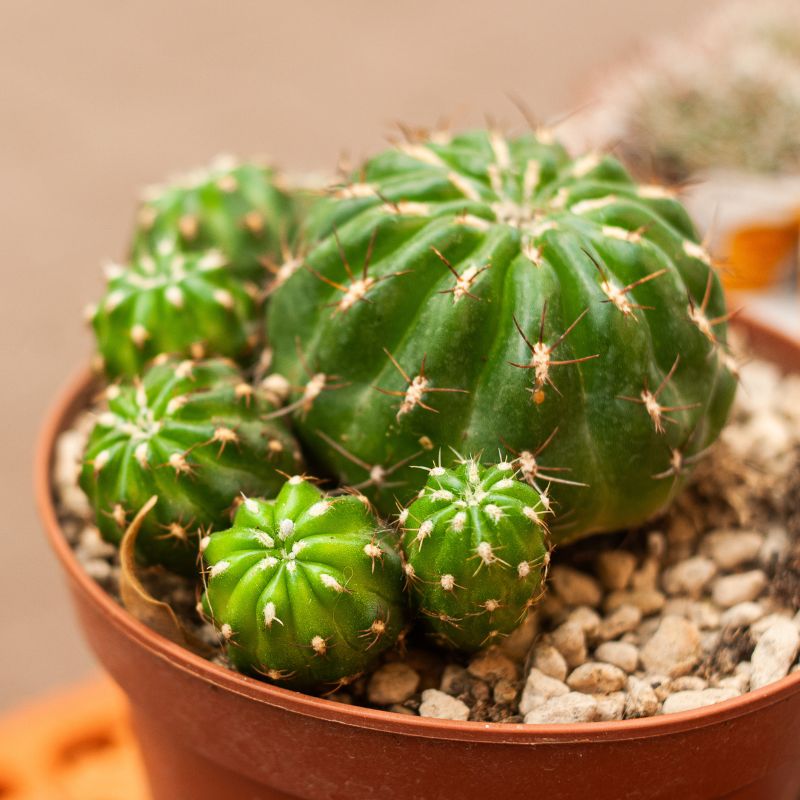
One of the most impactful ways to support Lophophora conservation is by cultivating them yourself. By growing these cacti in controlled environments, you reduce the demand for wild-harvested specimens and contribute to their genetic preservation. However, ethical cultivation requires more than just a green thumb—it demands a commitment to responsible practices. Start by sourcing seeds or cuttings from reputable, CITES-compliant nurseries. Avoid plants labeled as “wild-collected,” as these often originate from illegal harvests. Opt for species that are easier to propagate, such as Lophophora diffusa, which is less sought after in the black market. Additionally, consider joining or supporting organizations like the Cactus and Succulent Society of America, which promotes sustainable cultivation and conservation efforts. Your garden, no matter how small, can become a sanctuary for these resilient plants, a living testament to the possibility of coexistence between humans and nature.
Advocacy and Awareness: Amplifying the Call for Protection
Conservation is not a solitary endeavor—it thrives on collective action. Raising awareness about the plight of Lophophora can catalyze change, from policy shifts to public sentiment. Share your knowledge through social media, blogs, or local workshops, highlighting the ecological and cultural significance of these cacti. Collaborate with indigenous communities to amplify their voices, ensuring their perspectives are centered in conservation narratives. Support documentaries, art installations, or academic research that sheds light on Lophophora’s story. Attend or organize events like “Cactus Awareness Month,” where enthusiasts and scientists gather to discuss threats and solutions. Every conversation, every shared post, every signature on a petition is a thread in the larger tapestry of advocacy, weaving together a movement that demands justice for Lophophora.
Habitat Restoration: Healing the Lands Where Lophophora Grows
While cultivation is vital, it is not enough to ensure the survival of wild Lophophora populations. Habitat restoration is a critical component of conservation, addressing the root causes of their decline. Partner with organizations like Desert Botanical Garden or World Wildlife Fund to participate in reforestation projects in the Chihuahuan Desert. These initiatives often involve reintroducing native flora, controlling invasive species, and monitoring soil health—all of which create a thriving ecosystem where Lophophora can flourish. If you live in or near these regions, consider volunteering for local conservation groups that focus on desert ecosystems. Even small actions, like reducing water usage or supporting sustainable land management policies, can have a ripple effect, ensuring that the arid landscapes these cacti call home remain intact for centuries to come.
Economic Alternatives: Empowering Communities Through Sustainable Livelihoods
The exploitation of Lophophora is often driven by poverty and lack of economic opportunities. To combat this, support initiatives that provide sustainable livelihoods for local communities. Advocate for fair-trade certification for plants grown in controlled environments, ensuring that cultivators receive equitable compensation. Invest in eco-tourism projects that highlight the cultural and ecological value of Lophophora, allowing communities to benefit from their natural heritage without depleting it. Additionally, promote research into the medicinal and ecological benefits of Lophophora, which could unlock new avenues for sustainable use. By fostering economic alternatives, you help break the cycle of exploitation, creating a future where these cacti are valued not for their black-market price tag, but for their intrinsic worth.
Educational Resources: Deepening Your Understanding and Sharing It
Knowledge is the cornerstone of effective conservation. Dive into the rich literature on Lophophora, from ethnobotanical studies to ecological field guides. Books like Peyote and Other Psychoactive Cacti by Adam Gottlieb or Lophophora: The Genus by Edward F. Anderson offer profound insights into their biology, history, and cultural significance. Online platforms such as Cactus Art Nursery or LLIFLE provide detailed care guides and conservation updates. Share these resources with schools, libraries, or community centers to inspire the next generation of conservationists. Host a “Cactus and Culture” night, where participants can learn about the plant’s role in indigenous traditions while enjoying artisanal teas made from ethically sourced ingredients. Education transforms passive observers into active stewards, ensuring that the story of Lophophora is not lost to time.
Long-Term Commitment: Building a Future Where Lophophora Thrives
Conservation is not a sprint—it is a marathon. It requires patience, persistence, and an unwavering belief in the power of collective action. Stay informed about emerging threats, such as climate change, which is altering the delicate balance of desert ecosystems. Support policies that prioritize biodiversity and indigenous rights, and hold corporations accountable for their role in habitat destruction. Celebrate milestones, whether it’s the successful propagation of a rare species or the passage of a new conservation law. Your long-term commitment sends a powerful message: that Lophophora is not a fleeting trend, but a legacy worth fighting for. In the quiet, sun-baked landscapes where these cacti grow, every seed planted, every law upheld, and every voice raised is a step toward a future where Lophophora stands tall—not as a victim of exploitation, but as a symbol of resilience, respect, and renewal.
FAQ
What is Lophophora?
Lophophora, commonly known as peyote, is a genus of small, spineless cacti native to the Chihuahuan Desert.
Why is Lophophora endangered?
Lophophora is threatened due to overharvesting, habitat destruction, and illegal trade.
How can I support Lophophora conservation?
You can support Lophophora conservation by cultivating them ethically, advocating for stricter laws, and participating in habitat restoration efforts.


Leave a Reply