
Short Answer
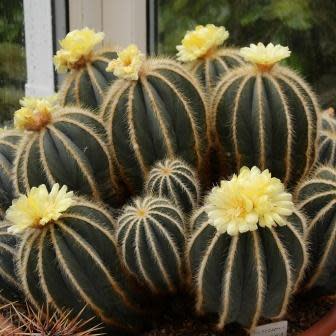
Imagine a tiny, spiky sentinel, a future titan of the desert, curled up in a seed no larger than a freckle. This is the Parodia cactus in its most humble form—a speck of potential waiting to unfurl into a starburst of golden spines and vibrant blooms. Growing Parodia from seed is not merely an act of horticulture; it is a slow-motion rebellion against the tyranny of instant gratification. It is a testament to patience, a dance with the elements, and a celebration of nature’s quiet tenacity. If you’ve ever watched a child grow from a newborn’s gurgles to a confident stride, you’ll recognize the same magic in nurturing a Parodia from seed to full, flowering glory.
The Alchemy of Germination: Coaxing Life from a Speck of Dust
Germination is where the magic begins, but it is not magic—it is science, tempered by intuition. Parodia seeds, like tiny time capsules, require a delicate balance of moisture, warmth, and light to awaken. Begin by sowing them on the surface of a sterile, well-draining mix—think of it as preparing a cradle of fine, airy sand, where each seed can rest without sinking into suffocating dampness. A spray bottle is your wand here; mist the surface lightly, avoiding the deluge that could drown these embryonic explorers. Cover the container with a clear lid or plastic wrap to create a miniature greenhouse, a humid haven where the seeds can dream of their future spines.
Place your makeshift terrarium in a spot where warmth is consistent but not scorching—perhaps atop a refrigerator or near a window with indirect light. The ideal temperature hovers around 70–75°F (21–24°C), a cozy spring day in miniature. Patience is your ally now. In two to four weeks, if the stars align, you’ll witness the first tentative cracks in the seed coats, like the first hesitant steps of a newborn gazelle. Resist the urge to prod or rearrange; these seedlings are fragile, their roots still tentative, their will to live still forming.
The Delicate Dance of Light and Shadow: Nurturing the First Spines
Once the seeds have sprouted, the real work begins. These fledgling cacti are not yet ready to bask in the full glare of the sun; they are like teenagers squinting at the world through half-closed eyes. Begin by introducing them to filtered light, perhaps through a sheer curtain or beneath the gentle glow of a grow lamp set to a low intensity. The goal is to encourage sturdy, compact growth—no leggy, etiolated stems here. Rotate the container daily, if possible, to ensure even exposure, preventing the seedlings from leaning toward the light like sun worshippers at a summer solstice.
As the seedlings grow, their spines will begin to emerge, first as soft, almost invisible fuzz, then maturing into the sharp, architectural lines that define the Parodia’s character. This is where your role shifts from caretaker to observer. Watch for signs of stress—yellowing, stretching, or a sudden loss of vigor. These are cries for help, signals that the light is too harsh, the soil too wet, or the air too stagnant. Adjust accordingly, like a conductor fine-tuning an orchestra to achieve perfect harmony.
The Soil’s Secret Language: Crafting a Home for Tiny Titans
Parodias are not divas; they thrive in lean, mean growing conditions. The soil mix should mimic the gritty, mineral-rich embrace of their native South American habitats. A blend of one part potting soil, one part perlite, and one part coarse sand or pumice creates a substrate that drains like a mountain stream, leaving no room for the dreaded root rot. Think of it as a cactus’s armor—a porous, breathable shield that protects while allowing just enough moisture to trickle through.
Repotting is a rite of passage, a moment when your seedlings graduate from their cradle to a slightly more spacious home. Wait until the seedlings are at least an inch tall and their roots have begun to explore the edges of their container. Gently ease them out, cradling the soil around their delicate roots, and nestle them into their new abode. The first repotting is a delicate ballet; subsequent ones will feel like a victory lap. Each time, choose a container only slightly larger than the last—Parodias, like many desert dwellers, prefer to feel snug, their roots hugging the soil like a security blanket.
The Watering Paradox: Less Is a Symphony, More Is a Dirge
Watering a Parodia is less about hydration and more about restraint. These plants are not thirsty nomads; they are disciplined survivors, adapted to months of arid silence followed by brief, life-affirming downpours. Mimic this rhythm in your care. Water sparingly, allowing the soil to dry out completely between waterings. In the growing season—spring through early fall—a deep soak every two to three weeks is ample. In winter, when the plant enters its dormant phase, reduce watering to a mere whisper, just enough to prevent the soil from turning to dust.
Here’s the paradox: overwatering is the silent killer, a creeping rot that claims more Parodias than drought ever could. The soil should feel like the surface of a desert after a rare rain—damp but not soggy, with no standing water in sight. If in doubt, wait. A Parodia can endure neglect far better than it can endure excess. Think of it as a lesson in minimalism, a reminder that beauty often thrives in scarcity.
The Blooming Revelation: A Floral Fireworks Display
After years of patient nurturing—yes, years—the moment arrives. A crown of buds swells at the apex of your Parodia, like a phoenix gathering its flames before flight. These are not mere flowers; they are declarations of triumph, bursts of color that defy the monotony of green. Parodias bloom in a dazzling array of hues—sunburst yellow, fiery orange, soft pink—each petal a tiny sunbeam captured in plant form.
To coax the best blooms, ensure your Parodia receives plenty of bright, indirect light during the growing season. A winter chill—around 50°F (10°C)—can also encourage flowering, a natural cue that mimics the seasonal shifts of its native Andes. When the buds appear, resist the urge to move the plant; even a slight shift can cause them to abort. Instead, observe the slow unfurling, like a curtain rising on a grand performance. The first bloom is a milestone, but it is not the end. With proper care, your Parodia will reward you with years of floral fireworks, each season a new act in its slow-burning drama.
The Longevity Pact: A Relationship Built to Last
Growing a Parodia from seed is not a fleeting fling; it is a lifelong commitment. These plants can live for decades, their spines growing denser, their forms more sculptural with each passing year. They are not just houseplants; they are companions, silent witnesses to the passage of time. To honor this relationship, provide them with stability—consistent light, minimal disturbance, and a winter rest period. Rotate them occasionally to prevent lopsided growth, and fertilize sparingly, only during the growing season, with a diluted, low-nitrogen formula.
As your Parodia matures, it may produce offsets, tiny clones of itself that cling to the base like loyal subjects. These can be gently removed and propagated, a way to share the magic with others. Each new plant is a legacy, a piece of your horticultural journey passed on to another enthusiast. In this way, your Parodia becomes more than a plant; it is a living heirloom, a testament to the enduring allure of the desert’s most resilient beauties.
FAQ
What is the best soil mix for growing Parodia from seed?
A blend of one part potting soil, one part perlite, and one part coarse sand or pumice is ideal.
How long does it take for Parodia seeds to germinate?
Germination typically takes two to four weeks under the right conditions.
How often should I water my Parodia seedlings?
Water sparingly, allowing the soil to dry completely between waterings, especially in the dormant winter months.
FAQ
What is the ideal temperature for germinating Parodia seeds?
The ideal temperature for germinating Parodia seeds is around 70–75°F (21–24°C).
How often should I water my Parodia seedlings?
Water sparingly, allowing the soil to dry out completely between waterings, approximately every two to three weeks during the growing season.
Leave a Reply