
Short Answer
There’s a quiet revolution happening in the corners of our homes and gardens, one that thrives on resilience and radiance. It’s not a political movement, nor a social uprising—it’s the flourishing of Parodia, a genus of cacti that has quietly captured the hearts of plant enthusiasts worldwide. These spiky botanical wonders, with their golden crowns and vibrant blooms, are defying the notion that cacti are mere desert survivors. Instead, they’re thriving in containers, both indoors and outdoors, proving that even the most arid of spirits can adapt and thrive in diverse environments. This is not just about growing plants; it’s about nurturing a relationship with nature that is both intimate and transformative.
The Allure of Parodia: Why These Cacti Captivate Us
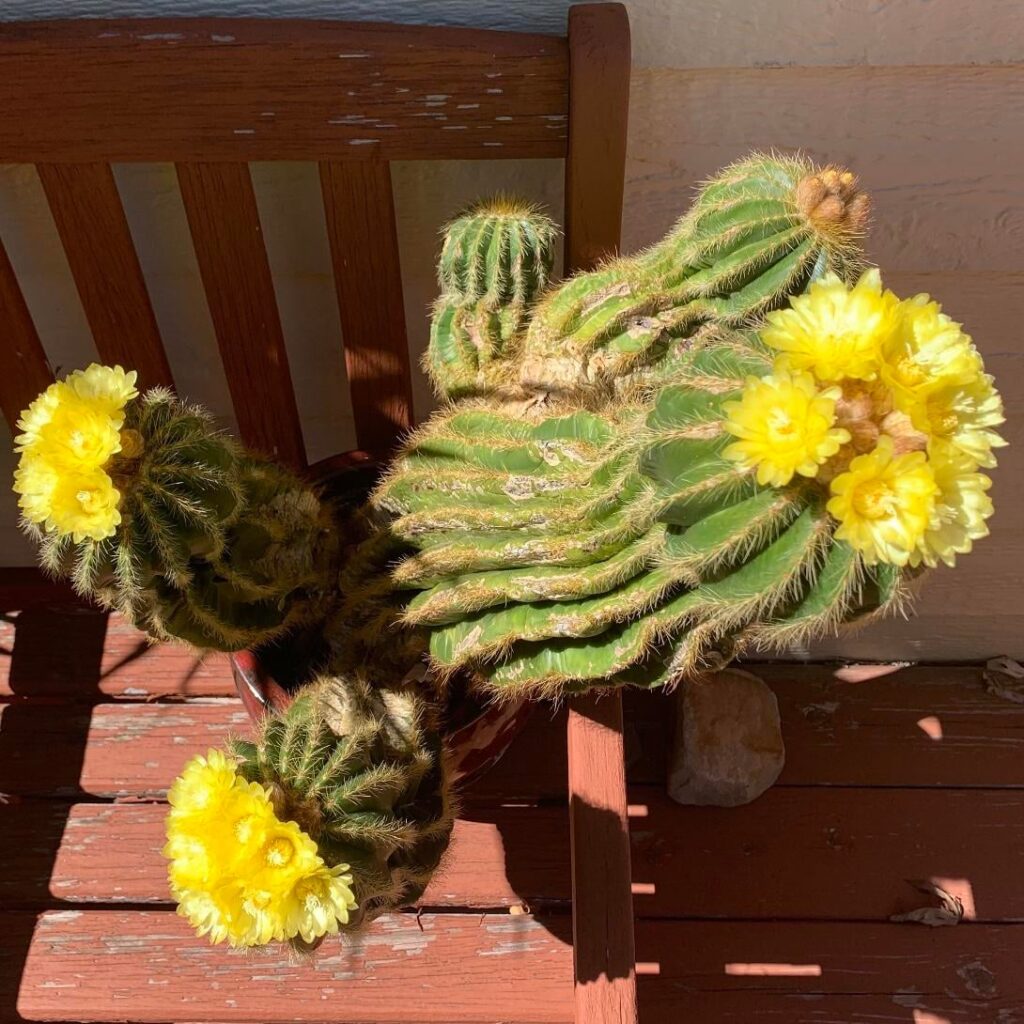
Parodia cacti are the unsung heroes of the succulent world. Their compact forms, often globular or cylindrical, belie a complexity that draws the eye. The golden spines of Parodia leninghausii, for instance, catch the light like a constellation frozen in time, while the fiery blooms of Parodia haselbergii burst forth in a display of defiance against the ordinary. What is it about these plants that stirs something deep within us? Perhaps it’s their paradoxical nature—delicate yet tenacious, ephemeral yet enduring. They remind us that beauty often thrives in the most unexpected places, and that resilience can be as much about adaptability as it is about strength.
For many, the fascination with Parodia is also a rebellion against the fleeting trends of the plant world. In an era where rare and exotic species dominate the market, these cacti offer a grounded alternative. They don’t demand constant pampering or expensive setups. Instead, they reward patience and care with a slow, steady growth that feels almost meditative. There’s a quiet joy in watching a Parodia unfurl its first bloom after years of patient nurturing—a reminder that some of life’s most profound rewards come not from haste, but from the cultivation of presence.
Choosing the Right Container: A Marriage of Form and Function
The container you choose for your Parodia is more than just a vessel; it’s a partner in its growth journey. Terracotta pots, with their porous nature, are ideal for outdoor settings, allowing excess moisture to evaporate and preventing root rot. Their earthy tones also complement the natural aesthetic of cacti, creating a harmonious visual balance. For indoor environments, however, glazed ceramic or plastic containers may be preferable, as they retain moisture longer and are easier to clean.
Size matters, too. Parodia cacti are slow growers, and their roots don’t sprawl aggressively. A pot that’s just slightly larger than the plant’s current root ball is sufficient—any more, and you risk waterlogging the soil, which is a death sentence for these desert natives. Think of it as a cozy nest rather than a sprawling mansion; Parodia thrives in snug conditions, where it can focus its energy on vertical or radial expansion rather than root exploration.
Drainage is non-negotiable. No matter the material, your container must have holes at the base to allow excess water to escape. If you’re particularly attached to a container without drainage, consider using it as a cachepot—a decorative outer shell that houses a smaller, functional pot inside. This way, you can still enjoy the aesthetic while safeguarding your plant’s health.
Soil Composition: Crafting the Perfect Desert Habitat
Parodia cacti are purists when it comes to their soil. They demand a substrate that mimics the arid, mineral-rich conditions of their native habitats. A standard cactus or succulent mix is a good starting point, but for the truly devoted, creating a custom blend is worth the effort. Begin with a base of coarse sand or perlite to ensure aeration and prevent compaction. Add pumice or grit for additional drainage, and a touch of organic matter—like coconut coir or composted pine bark—to provide just enough nutrients without overwhelming the plant.
The key is to strike a balance between porosity and fertility. Parodia doesn’t need rich soil; in fact, too much organic matter can lead to rot or encourage excessive, weak growth. Instead, think of the soil as a scaffold, a structure that supports the plant while allowing it to breathe. A slightly alkaline pH, around 6.5 to 7.5, is ideal, as it discourages the growth of harmful fungi and bacteria.
For those who garden in humid climates, adding a layer of gravel or small pebbles to the top of the soil can further reduce moisture retention and deter pests. It’s a small touch, but one that speaks to the meticulous care these plants deserve.
Light Requirements: Mimicking the Sun’s Embrace
Light is the lifeblood of Parodia, and understanding its needs is crucial to its success. In their natural habitats, these cacti bask in the full, unfiltered sun of the South American highlands. Indoors, they require a bright, south-facing window to replicate this intensity. If natural light is scarce, supplement with a grow light, positioning it close enough to the plant to provide the equivalent of 6 to 8 hours of sunlight daily.
Outdoors, the challenge shifts from scarcity to excess. While Parodia can tolerate direct sun, prolonged exposure to intense midday rays—especially in hot climates—can lead to sunburn. A spot with morning sun and afternoon shade is ideal, or dappled light throughout the day. If you live in a region with harsh summers, consider acclimating your Parodia gradually to outdoor conditions, starting with a few hours of shade and increasing exposure over weeks.
The orientation of the container also plays a role. Rotate the pot occasionally to ensure even light distribution, preventing the plant from leaning toward the light source—a phenomenon known as phototropism. This simple act of rotation not only maintains the plant’s symmetry but also encourages balanced growth, a subtle reminder that even in the plant world, fairness and equity matter.
Watering Rituals: The Art of Restraint
Watering a Parodia is less about quantity and more about timing. These cacti are masters of drought tolerance, and their watering needs reflect that. The golden rule? Wait until the soil is completely dry before reaching for the watering can. This applies to both indoor and outdoor specimens, though outdoor plants may dry out faster due to wind and heat.
When you do water, do so thoroughly. Saturate the soil until water runs out of the drainage holes, then allow it to drain completely. This mimics the sudden, heavy downpours of their native environments, where water is either scarce or comes in intense bursts. Avoid misting or light sprinkling, as this can encourage shallow root growth and increase the risk of rot.
Seasonality also dictates watering frequency. During the growing season—typically spring and summer—water every 2 to 3 weeks, depending on your climate. In autumn and winter, when growth slows, reduce watering to once a month or less. This period of dormancy is essential for the plant’s long-term health, allowing it to conserve energy and prepare for the next growth cycle.
For those who struggle with the discipline of restraint, consider setting a calendar reminder or using a moisture meter to track soil dryness. Consistency is key, and while Parodia is forgiving of occasional lapses, chronic overwatering is a death sentence.
Fertilizing: Feeding the Fire Within
Parodia cacti are not heavy feeders, but they do benefit from occasional nourishment. A balanced, water-soluble fertilizer—diluted to half strength—applied once during the growing season is sufficient. Choose a formula with a low nitrogen content to avoid promoting soft, etiolated growth. Organic options, like fish emulsion or worm castings, can also be used sparingly, though they should be well-composted to prevent burning the roots.
The timing of fertilization is critical. Apply fertilizer in early spring, just as new growth begins to emerge, and avoid feeding during the dormant winter months. Over-fertilizing is a common mistake, one that can lead to a buildup of salts in the soil, causing root burn and stunting the plant’s development. Think of fertilization as a gentle nudge rather than a feast—just enough to keep the fire of growth alive without smothering it.
For those who prefer a hands-off approach, top-dressing the soil with a thin layer of compost or worm castings in spring can provide slow-release nutrients without the risk of overfeeding. It’s a low-maintenance alternative that aligns with the plant’s natural rhythms.
Pests and Diseases: Guarding Against Invisible Threats
Even the hardiest of plants are not immune to pests and diseases, and Parodia is no exception. Mealybugs, scale insects, and spider mites are the usual suspects, drawn to the plant’s dense spines and succulent tissues. Inspect your Parodia regularly, especially in the crevices between the ribs and at the base of the spines. Early detection is key to preventing an infestation from taking hold.
For minor infestations, a cotton swab dipped in rubbing alcohol can be used to dab individual pests. For larger outbreaks, a systemic insecticide or neem oil spray may be necessary. Always isolate the affected plant to prevent the spread of pests to other specimens.
Root rot is the most common disease afflicting Parodia, a silent killer that creeps in when soil moisture lingers too long. Prevention is simple: ensure proper drainage, avoid overwatering, and use a well-aerated soil mix. If rot does set in, act quickly. Remove the plant from its pot, trim away any blackened or mushy roots, and repot it in fresh, dry soil. It’s a drastic measure, but one that can save the plant’s life.
Fungal infections, though less common, can also pose a threat, particularly in humid environments. Improving air circulation and reducing humidity are the best defenses. In severe cases, a fungicide may be required, but prevention is always preferable to cure.
Propagation: Sharing the Joy of Growth
There’s something deeply satisfying about propagating a Parodia, about taking a small cutting or offset and nurturing it into a thriving new plant. Offsets, or “pups,” are the easiest method. Gently remove them from the parent plant using a clean, sharp knife, and allow the cut surface to callus over for a few days. Then, plant the offset in a small pot with well-draining soil, and water sparingly until new growth appears.
Seed propagation is another option, though it requires more patience. Sow the seeds in a shallow tray filled with a mix of sand and perlite, and keep the tray in a warm, bright location. Germination can take weeks or even months, but the process is a rewarding lesson in the patience required for true growth.
Whichever method you choose, propagation is a way to share the beauty of Parodia with others. It’s a testament to the plant’s resilience and a reminder that life, in all its forms, is meant to be shared.
Seasonal Care: Adapting to Nature’s Rhythms
Parodia cacti are attuned to the seasons, and their care must reflect that. In spring, as temperatures rise and daylight increases, the plant enters a period of active growth. This is the time to resume regular watering, introduce fertilizer, and repot if necessary. Summer calls for vigilance—monitor soil moisture closely, and provide shade during the hottest part of the day to prevent sunburn.
Autumn is a time of transition. Gradually reduce watering as growth slows, and prepare the plant for its winter dormancy. A cool, bright location—like a windowsill or a greenhouse—is ideal. Avoid fertilizing during this period, as the plant’s metabolic rate slows, and excess nutrients can do more harm than good.
Winter care is minimal but critical. Keep the plant in a cool, dry spot, and water only when the soil is completely dry. If you live in a region with harsh winters, consider bringing outdoor specimens indoors to protect them from frost. Remember, Parodia is a survivor, but it’s not invincible—extreme cold can be as damaging as overwatering.
The Deeper Connection: What Parodia Teaches Us
Beyond their striking appearance and ease of care, Parodia cacti offer a profound lesson in resilience and adaptability. They thrive in conditions that would kill most plants, yet they do so without complaint. They demand little but give so much in return—a reminder that true beauty often lies in simplicity.
In a world that often prioritizes speed and excess, Parodia invites us to slow down, to appreciate the quiet moments of growth, and to find joy in the process rather than the outcome. They are a metaphor for life itself: slow to start, steady in progress, and radiant in bloom when the time is right.
So the next time you tend to your Parodia, take a moment to reflect on what it represents. It’s not just a plant; it’s a teacher, a companion, and a testament to the power of resilience. And in that, there’s a quiet revolution worth celebrating.
FAQ
What are ideal containers for Parodia cacti?
Terracotta pots are ideal for outdoor settings, while glazed ceramic or plastic containers are better for indoor environments.
How often should I water my Parodia cactus?
Water every 2 to 3 weeks during the growing season and reduce to once a month or less in autumn and winter.
What type of soil is best for Parodia cacti?
A cactus or succulent mix with a base of coarse sand or perlite for aeration and drainage is ideal.


Leave a Reply