
Short Answer
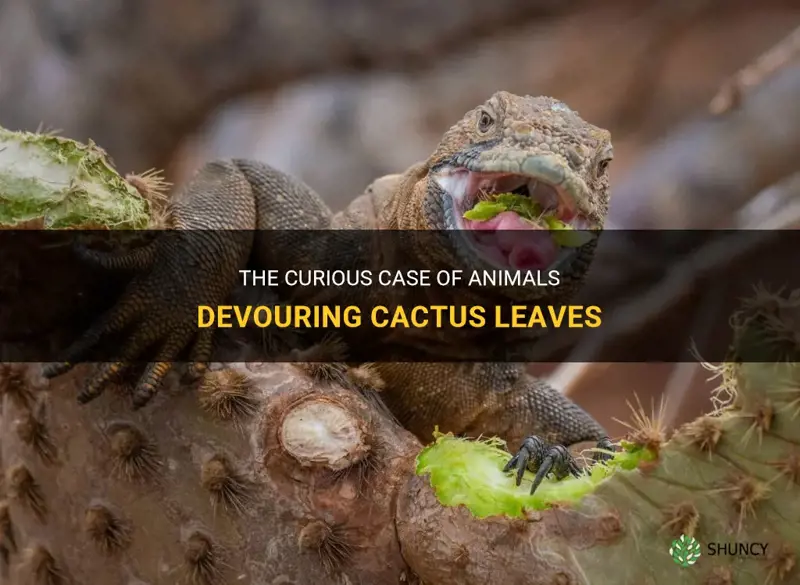
Discovering that your beloved pet has taken an unexpected nibble from a cactus can spark a whirlwind of emotions—panic, confusion, and urgent questions. After all, these prickly desert plants seem designed to repel rather than invite attention. Yet, animals sometimes engage with cacti, whether out of curiosity or by accident. What happens next may challenge assumptions and open a new perspective on pet care emergencies. Instead of immediate alarm, cultivating knowledge about the effects of cactus ingestion and the best responses offers reassurance and control. This guide delves into everything you need to know if your pet eats a cactus, guiding you through recognition, immediate care, and prevention with informed confidence.
The Immediate Signs to Watch for After Cactus Ingestion
The first moment your pet encounters a cactus is crucial. While some animals might shy away after feeling the prickly surface, others may have consumed parts of the plant unknowingly. Observing your pet’s behavior closely is the first step towards addressing any issues. Common symptoms include visible irritation in the mouth, pawing at the face, drooling excessively, or sudden reluctance to eat or drink. These signs suggest that cactus spines may have embedded themselves in sensitive areas, causing discomfort and potentially minor injuries.
In some cases, gastrointestinal distress emerges within hours, marked by vomiting, diarrhea, or abdominal discomfort. This occurs if your pet has ingested spines or certain compounds present in the cactus, which can irritate the digestive tract. It’s essential to differentiate between mild discomfort and more serious reactions, especially in smaller or more sensitive animals, where even minor obstructions or injuries can escalate swiftly.
Physical Examination: What to Check Without Aggravating Injury
Approaching your pet calmly and systematically allows you to assess the extent of the issue without intensifying their distress. Begin by gently inspecting the mouth area—lift the lips, check the gums, tongue, and inner cheeks for any visible spines, redness, or swelling. Use a flashlight if necessary, but be mindful of your pet’s comfort levels to avoid causing panic or sudden movements that could worsen injuries.
Next, examine your pet’s paws and any other body parts that may have brushed against the cactus. Spines can easily lodge between paw pads or claw beds, causing persistent irritation. Removing visible spines with tweezers can provide immediate relief but requires caution to avoid pushing them deeper or breaking them off inside the skin.
When Immediate Veterinary Attention is Necessary
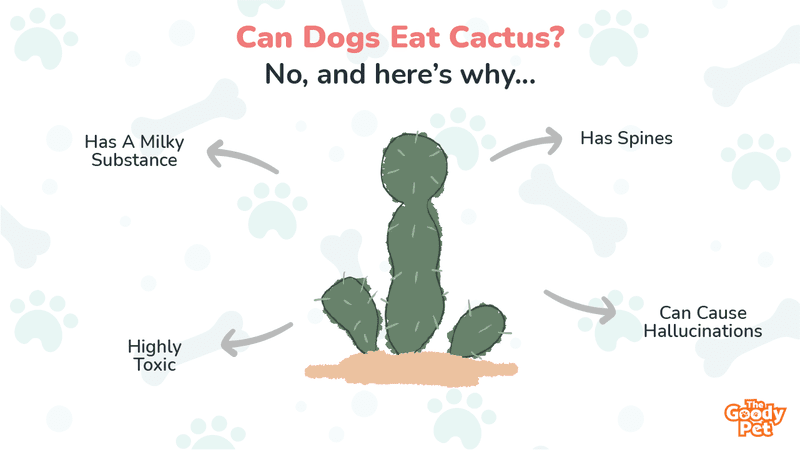
Not all cactus encounters necessitate a vet visit, but knowing when to seek professional care can be lifesaving. If your pet exhibits severe symptoms such as continuous vomiting, lethargy, difficulty breathing, excessive swelling around the mouth or face, or inability to eat or drink, immediate veterinary intervention is critical. These signs might indicate deeper tissue damage, embedded spines requiring anesthesia for removal, or systemic toxicity from cactus components.
Additionally, if spines are lodged deeply and not easily extracted, avoid forcing their removal and instead consult a professional. Attempting to remove stubborn spines can lead to infections or further trauma. Vets can administer pain relief, antibiotics, and supportive care tailored to your pet’s specific needs, ensuring a smooth recovery.
Home Care Strategies to Support Recovery
When symptoms are mild and no urgent veterinary care is required, certain home remedies can assist in soothing your pet’s discomfort. Rinsing the mouth with clean, lukewarm water can help dislodge small spines and alleviate irritation. Applying a damp cloth to inflamed areas may reduce swelling, but avoid using harsh chemicals or human medications unless prescribed by a vet.
Offering soft, bland food and plenty of fresh water encourages nutrition and hydration while minimizing irritation to sensitive oral tissues. Monitor your pet closely over the next 24 to 48 hours for any escalation in symptoms. Patience and gentle care can often facilitate natural healing processes, but do not hesitate to escalate to professional help if conditions worsen.
Understanding the Risks: Are All Cacti Equally Harmful?
Cacti encompass a vast variety of species, some of which pose more danger than others. While most cacti’s primary threat lies in their sharp spines, certain types may contain compounds that cause mild to moderate toxicity if ingested. For example, some members of the Opuntia genus (prickly pear) contain small amounts of oxalates, which can irritate the digestive tract and kidneys if consumed in large quantities.
It’s insightful to identify the type of cactus involved to better understand potential risks. Nevertheless, even the absence of toxic chemicals does not eliminate the risk posed by physical injury from spines. Therefore, always treat any cactus ingestion seriously regardless of species to safeguard your pet’s health.
Prevention: How to Protect Your Pets from Cacti
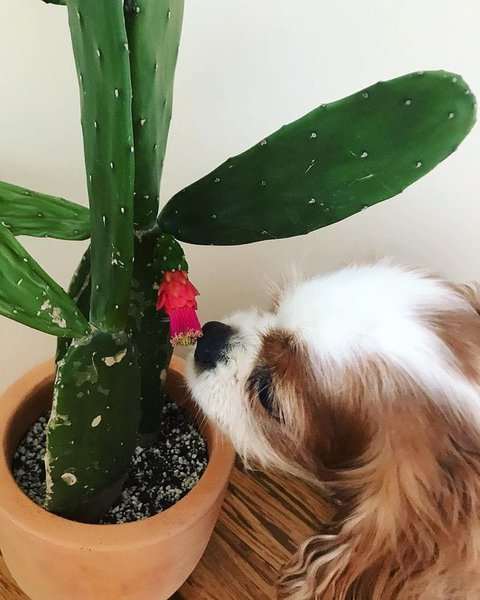
Prevention remains the most effective means to protect your pet from the dangers of cactus ingestion. Begin by reassessing your home and garden environments. Remove or relocate cacti to places inaccessible to curious snouts and paws. Consider potting cacti in elevated stands or enclosed terrariums if relocation isn’t feasible.
Training your pet to avoid certain plants through commands and positive reinforcement can further minimize risk. Engaging your pet with safe chew toys and attention helps reduce boredom-driven exploration of potentially hazardous flora. Additionally, educating family members and guests on cactus dangers ensures consistent vigilance.
Shifting Perspectives: From Hazard to Healing Opportunity
Encountering a cactus ingestion scenario invites a transformative understanding of pet emergencies. Rather than immediate fear, recognizing the nuances—from mild irritations to serious risks—empowers thoughtful action. Each prickly mishap becomes a learning moment that enriches your knowledge and readiness, deepening the bond of care and compassion between you and your pet.
Embracing this perspective transforms a moment of crisis into an opportunity for proactive prevention and strengthened trust. By knowing what to do and spotting early warning signs, you create a safer environment where your pet’s natural curiosity can coexist with your peace of mind.
FAQ
What should I do if my pet eats a cactus?
Monitor for symptoms like drooling, vomiting, or lethargy, and seek veterinary care if severe symptoms occur.
Are all cacti harmful to pets?
Not all cacti are toxic, but many can cause physical harm due to their spines. It’s important to know the specific type.



Leave a Reply