
Short Answer
There’s something almost rebellious about the Christmas cactus. While most plants wilt under the slightest neglect, this resilient succulent thrives on neglect, blooming in defiance of winter’s chill with vibrant, tubular flowers that seem to mock the season’s gloom. It’s a plant that refuses to be tamed—unfazed by dry air, erratic watering, or the dim glow of indoor lighting. Yet, for all its hardiness, it demands a kind of intuitive care, a dance between neglect and attention that feels almost like a conversation. Why does this plant captivate us so deeply? Perhaps because it mirrors our own contradictions—fiercely independent yet secretly craving connection, thriving in chaos while yearning for just the right touch.
The Enigmatic Allure of Schlumbergera: More Than Just a Holiday Decoration
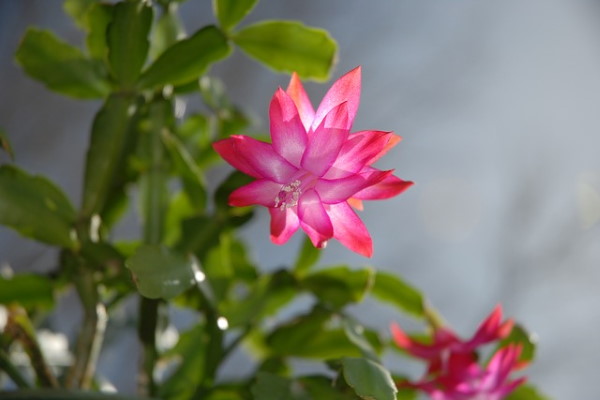
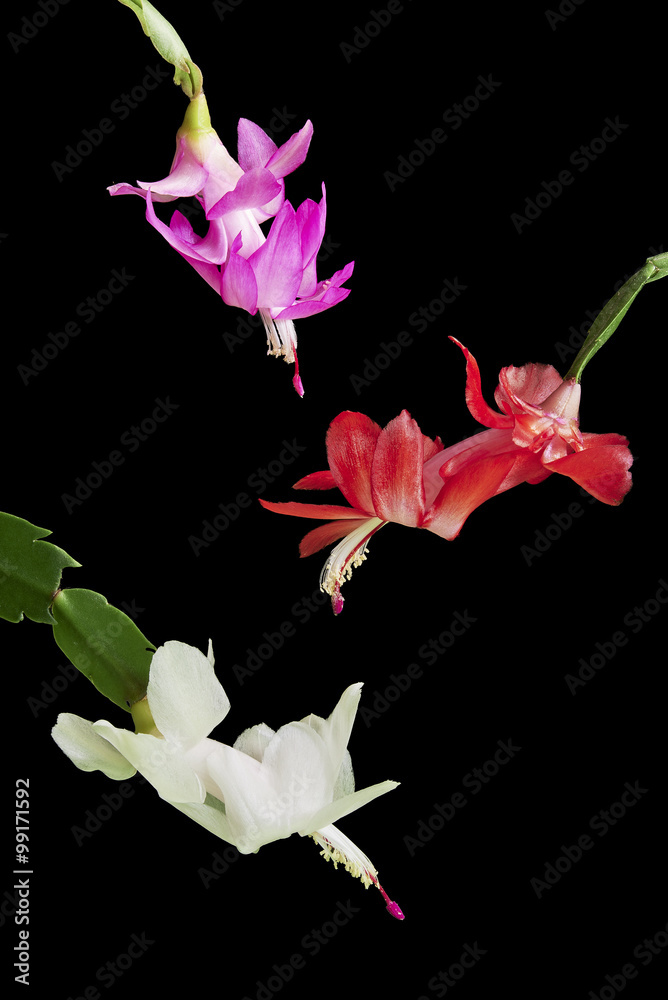
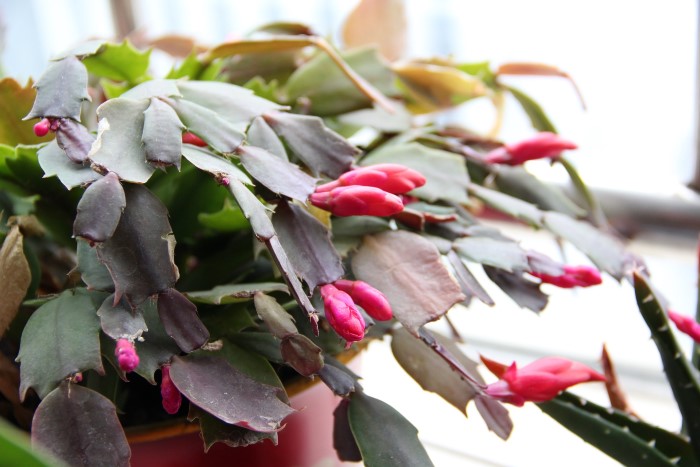
The Christmas cactus, or Schlumbergera, is not your average houseplant. Unlike its desert-dwelling cousins, this epiphytic marvel hails from the misty, humid jungles of Brazil, where it clings to trees in dappled sunlight. Its segmented stems, flat and fleshy, store water like a camel’s hump, allowing it to endure the sporadic rainfall of its native habitat. But what truly sets it apart is its flowering ritual—a dazzling display of pink, red, white, or even peach blooms that unfurl just in time for the holidays, as if summoned by some ancient botanical calendar.
Yet, its appeal runs deeper than seasonal aesthetics. The Christmas cactus is a survivor, a testament to nature’s adaptability. It doesn’t just tolerate indoor life; it demands it. In a world where we’re constantly told to control our environments, the Christmas cactus thrives in the cracks—literally. It’s a plant that rewards patience and punishes overzealousness, a living metaphor for the balance between effort and surrender.
Light: The Delicate Dance of Brightness and Restraint
Light is the first and most critical partner in the Christmas cactus’s waltz. Too much direct sun, and its stems bleach into a sad, sun-bleached beige. Too little, and it grows leggy, its segments stretching like a starving child toward the light. The sweet spot? Bright, indirect light—think of the dappled glow beneath a tropical canopy. East-facing windows are ideal, offering a gentle morning sun that won’t scorch its delicate tissues.
But here’s the twist: the Christmas cactus is photoperiodic, meaning its flowering is triggered by the shortening days of autumn. For about six weeks in early fall, it needs 12 to 14 hours of darkness per night to set buds. This is where many well-meaning plant parents go astray. A stray lamp left on or a curtain drawn too late can disrupt the process, leaving you with a lush green plant and no flowers. It’s a reminder that even in our hyper-connected world, some things still obey the rhythms of nature—and that patience is a virtue.
Water: The Art of Controlled Neglect
Watering a Christmas cactus is less about following a schedule and more about reading its mood. The top inch of soil should feel dry to the touch before you water again, but never let it sit in soggy soil. Overwatering is the fastest way to rot its roots, turning its vibrant green segments into a mushy, sad mess. During its active growing season (spring and summer), it’s thirstier, but in fall and winter, it prefers to dry out slightly between drinks.
Here’s a pro tip: use room-temperature water. Cold water can shock its roots, causing segments to drop like autumn leaves. And if you’re unsure, err on the side of underwatering. This plant is far more forgiving of drought than excess moisture—a trait that makes it the perfect companion for the chronically busy or the perpetually forgetful.
Temperature and Humidity: Mimicking the Jungle’s Embrace
The Christmas cactus thrives in temperatures between 60°F and 70°F (15°C to 21°C) during the day, with a slight drop at night. But it’s not just the warmth that matters—it’s the consistency. Drafts from windows, vents, or air conditioners can stress it, causing buds to drop before they even open. Think of it as a diva that demands a controlled environment: no sudden temperature swings, no blasts of dry air.
Humidity is another key player. In its native habitat, the air is thick with moisture, and while it can adapt to average indoor humidity, it appreciates a little extra. A pebble tray filled with water or a light misting (but never directly on the flowers) can work wonders. Alternatively, grouping it with other plants creates a microclimate of humidity that it will adore.
Soil and Fertilization: The Foundation of Flourishing
A Christmas cactus isn’t picky about soil, but it does need one that’s well-draining and airy. A mix of potting soil, perlite, and orchid bark (or coconut coir) mimics the loose, organic matter it would find in a tree crevice. Avoid heavy, compacted soils that trap moisture—this plant’s roots need to breathe.
Fertilization is where many plant parents stumble. During its growing season (spring and summer), a balanced, water-soluble fertilizer (10-10-10 or 20-20-20) diluted to half strength every four to six weeks will keep it happy. But come fall, as it gears up for flowering, switch to a high-phosphorus fertilizer (like 10-30-20) to encourage bud formation. Stop fertilizing entirely once it’s in full bloom—it’s resting, not starving.
Pruning and Propagation: Growing Your Own Jungle
Pruning isn’t just about shaping; it’s about encouraging bushier growth and more blooms. After flowering, trim back any leggy or unruly segments by twisting them gently from the base. This not only tidies up the plant but also provides you with free cuttings to propagate. Simply let the cuttings dry for a day or two to callus over, then plant them in moist soil or water until roots form. Within weeks, you’ll have new plants to share—or keep for yourself.
Propagation is one of the joys of owning a Christmas cactus. There’s something deeply satisfying about watching a single segment grow into a sprawling, flowering specimen. It’s a reminder that even the smallest pieces of life can flourish with a little care—and that growth, like so many things, often starts with letting go.
Troubleshooting: When the Magic Fades
Even the most devoted plant parents encounter issues. Bud drop is the most common complaint, often caused by sudden temperature changes, drafts, or overwatering. If your plant is dropping buds, check its environment first—is it near a heater? A frequently opened door? Sometimes, the solution is as simple as moving it to a more stable spot.
Yellowing segments can signal overwatering or poor drainage, while pale, washed-out stems mean it’s craving more light. And if your cactus refuses to bloom, revisit its light exposure during the fall. It might need more darkness than you’re giving it.
Pests are rare but not unheard of. Mealybugs and spider mites can take hold, especially in dry conditions. A quick wipe with a damp cloth or a spray of neem oil usually sends them packing. The key is catching them early—before they turn your lush green plant into a battleground.
The Deeper Magic: Why We Can’t Resist the Christmas Cactus
Perhaps the Christmas cactus captivates us because it embodies resilience in a world that often feels fragile. It thrives where others wither, blooms where others fade, and asks for so little in return. But there’s another layer to its allure: it’s a plant that grows in the in-between spaces. It doesn’t need soil to survive; it clings to life in the cracks of trees. It doesn’t demand constant attention; it flourishes in the quiet moments between care.
In a way, the Christmas cactus is a mirror. It reflects our own desires—to be both independent and connected, to thrive in chaos while yearning for structure. It’s a plant that teaches us that beauty often comes from the most unexpected places, and that sometimes, the key to growth isn’t control, but surrender.
So the next time you see a Christmas cactus in full bloom, remember: it’s not just a plant. It’s a story of adaptation, a lesson in patience, and a reminder that even in the darkest months, life finds a way to shine.
FAQ
How often should I water my Christmas cactus?
Water your Christmas cactus when the top inch of soil feels dry, avoiding overwatering to prevent root rot. It needs more water during spring and summer, and less in fall and winter.
What kind of light does a Christmas cactus need?
Christmas cactus thrives in bright, indirect light. Avoid direct sunlight that can bleach its stems. East-facing windows are ideal.
How do I encourage my Christmas cactus to bloom?
Provide 12 to 14 hours of darkness each night for about six weeks in early fall to trigger bud formation, and use a high-phosphorus fertilizer during this period.
Can I propagate my Christmas cactus?
Yes, prune segments after flowering and let cuttings dry for a day or two before planting in moist soil or water until roots develop.
What are common problems with Christmas cactus and how do I fix them?
Common issues include bud drop from temperature fluctuations, yellowing from overwatering, and pests like mealybugs. Adjust environment, watering, and treat pests early.


Leave a Reply