
Short Answer
Cacti are marvels of nature, thriving in some of the harshest environments on Earth with their unique adaptations and hardy constitution. Yet, even these resilient plants are vulnerable to one silent nemesis — root rot. This insidious ailment can sabotage the vibrant health of your beloved cactus before you even realize it has taken hold. Understanding how to identify and treat cactus root rot is essential to salvaging your plant’s vitality and ensuring it continues to flourish in your home or garden. Dive into this comprehensive guide to arm yourself with knowledge and strategies that rescue and rejuvenate.
Understanding Cactus Root Rot: The Stealthy Agonist
Root rot is a form of plant disease typically caused by fungal pathogens thriving in saturated, poorly-draining soil. Cacti, known for their preference for arid, well-drained environments, suffer extensively when their roots remain submerged in moisture. Fungi such as Phytophthora, Fusarium, and Pythium invade the root system, initiating cellular decay. The roots become mushy and blackened, losing their capacity to absorb water and nutrients effectively. This subterranean devastation manifests above ground as wilting, discoloration, and structural weakness. Recognizing the insidious onset is key to preventing irreversible damage.
Early Symptoms: Spotting the Invisible Warnings
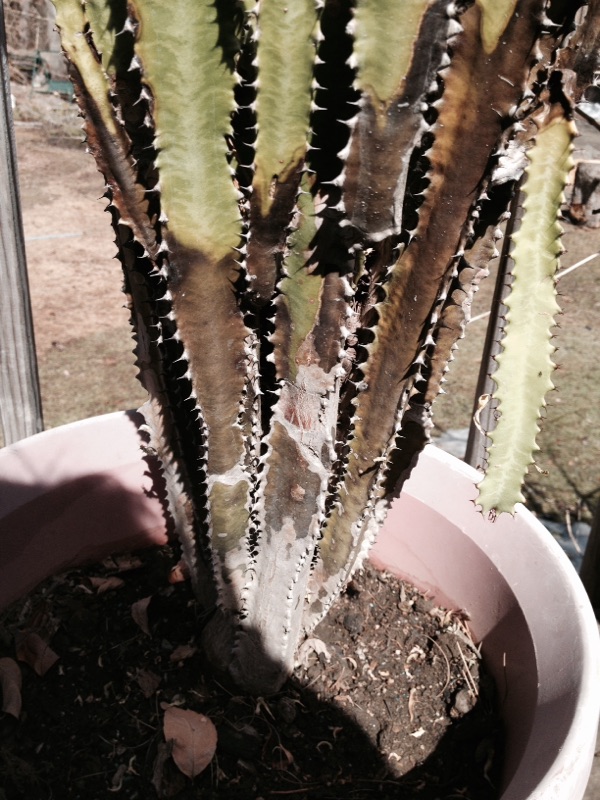
Detecting root rot early often requires a discerning eye and some tactile investigation. Initial signs are subtle and can be mistaken for other ailments or environmental stresses. You may notice the cactus exhibiting unusual softness at the base, a dull discoloration ranging from faded green to yellow or brown patches, or an unsettling lean. Leaves or stems might appear shriveled despite ample watering. Sometimes, a putrid, musty odor emanates from the soil, indicating fungal proliferation beneath the surface.
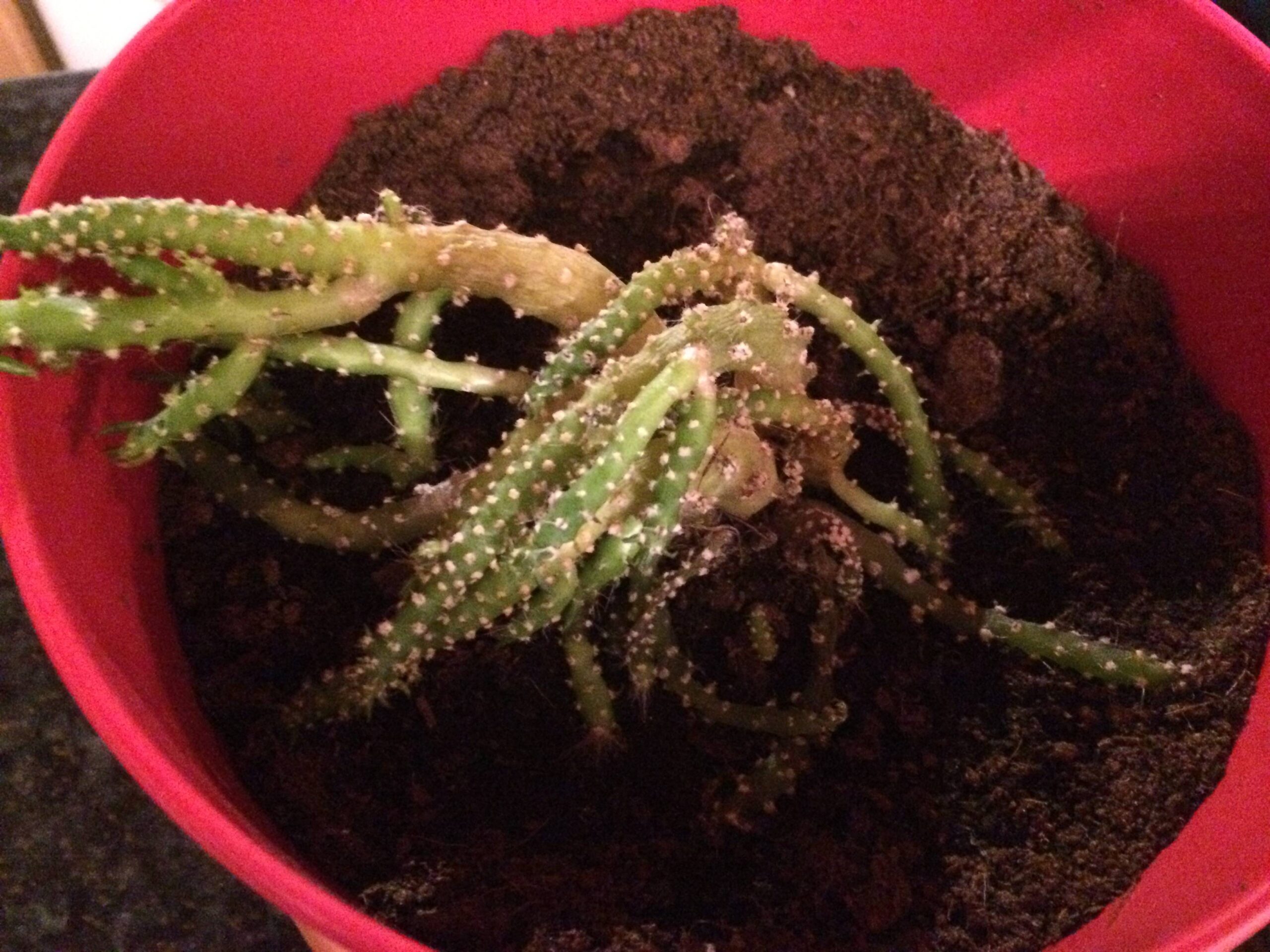
Gently remove the cactus from its pot to inspect the roots if you suspect trouble. Healthy roots should be firm, white or light tan, and fibrous. Mushy, blackened roots that detach easily are unmistakable harbingers of root rot. This tactile evaluation often confirms suspicions when visual symptoms remain ambiguous.
Environmental Triggers: What Conditions Invite Root Rot?
Root rot rarely appears without provocation. The primary catalyst is prolonged moisture exposure. Overwatering is the most frequent culprit, especially when coupled with poor drainage or inappropriate potting media. Dense, compacted soils or pots without sufficient drainage holes create an ideal breeding ground for fungal pathogens.
Additionally, environmental conditions such as high humidity, low airflow, and cold temperatures exacerbate fungal growth. These factors slow the plant’s ability to metabolize excess moisture and weaken its immune responses. Understanding these triggers allows you to modify care practices accordingly to preempt infection.
Preventive Measures: Fortifying Your Cactus Against Root Rot
Prevention is infinitely better than cure, especially with a slow-progressing but lethal disease like root rot. Begin with selecting the proper soil: a fast-draining cactus mix enriched with inorganic components such as pumice, perlite, or coarse sand is essential. Avoid heavy potting soils that retain excess water.
Use pots made of porous materials like terracotta, which enable moisture evaporation, and ensure all containers have multiple drainage holes. Water your cactus sparingly, allowing the soil to dry completely between waterings. During cooler months, reduce watering frequency considerably.
Moreover, maintain good air circulation around your cactus and avoid overcrowding plants. If planting outdoors, choose a sun-drenched, well-drained location. These practices collectively create an inhospitable environment for fungal growth.
Effective Treatment Strategies: Rescuing an Affected Cactus
When root rot is detected early, rapid and decisive action can save the cactus. Start by gently removing the entire plant from its pot and carefully washing the roots to remove soil and exposed fungal spores. Using sterilized scissors or pruning shears, excise all decayed or blackened roots. Healthy roots should remain intact.
Next, treat the remaining roots with a fungicidal soak; options include commercial fungicides specifically formulated for root pathogens or natural antifungal alternatives like diluted hydrogen peroxide solutions or cinnamon powder, which has antimicrobial properties.
Replant the cactus in fresh, sterile, well-draining soil and a clean pot with adequate drainage. Water sparingly in the initial weeks to allow recovery. Monitor your plant closely for signs of improvement or further decline.
For advanced infections where the crown or stem has become infected, amputation of affected parts might be necessary. In such cases, allow cut sections to callous over for several days before replanting to prevent reinfection.
Long-Term Care: Cultivating Resilience
Post-treatment, the key to reviving a cactus lies in nuanced, attentive aftercare. Maintain a consistent watering schedule tailored to the species’ needs and ambient conditions. Employ moisture meters to avoid guesswork and overwatering. Rotate your plant periodically to ensure uniform light exposure, which bolsters robust growth.
Consider applying a diluted liquid fertilizer during the growing season to support root regeneration and overall plant vigor, but never at the expense of excessive moisture. Vigilance against future infections includes regular root inspections and promptly adjusting cultural practices at the first sign of stress.
The Subtle Joy of Recovery: Witnessing Your Cactus Thrive Again
Revitalizing a cactus from root rot can feel like witnessing a phoenix rise from the ashes. With patience and care, new rootlets emerge, vibrant green stems regain rigidity, and your cactus begins to flourish anew. This process reconnects gardeners with the profound patience and resilience inherent in nature.
Delighting in the renewal also reinforces the importance of proactive plant health management. Each cactus rescued is a testament to the gardener’s dedication and the fascinating interplay of biology and horticulture.
Taking the journey from identification through treatment and eventual recovery transforms not just your cactus, but your appreciation for the delicate balance between nurturing and nature’s challenges. With the right knowledge and enthusiasm, root rot becomes not a death sentence, but a challenge overcome.
FAQ
What causes root rot in cacti?
Root rot is caused by fungal pathogens that thrive in wet, poorly drained soil conditions.
How can I tell if my cactus has root rot?
Look for soft, discolored stems, mushy black roots, wilting, or an unpleasant odor from the soil.
Can root rot be prevented?
Yes, by providing well-draining soil, proper watering habits, and good air circulation.
What should I do if my cactus has root rot?
Remove the plant, cut away affected roots, treat with fungicide, repot in fresh soil, and adjust care.
Is it possible to save a cactus with severe root rot?
Severe infection may require amputation of affected parts; recovery is possible but not guaranteed.
Leave a Reply