
Short Answer
There’s something almost poetic about the way a Schlumbergera—better known as the holiday cactus—unfurls its vibrant blooms in the heart of winter. Unlike its sun-worshipping desert cousins, this epiphytic marvel thrives not in harsh, direct rays, but in the gentle caress of bright, indirect light. It’s a subtle rebellion against the conventional wisdom that plants must always bask in full sun to flourish. Yet, for those who’ve watched their Schlumbergera languish under harsh midday glare or stretch awkwardly toward a dim corner, the truth is clear: this plant is a connoisseur of soft illumination. Understanding its light requirements isn’t just about keeping it alive—it’s about unlocking a hidden elegance, a secret dance between plant and environment that reveals nature’s quiet sophistication.
The Delicate Balance: Why Schlumbergera Shuns Direct Sunlight
Schlumbergera, native to the cloud forests of Brazil, evolved beneath the dappled canopy of towering trees, where sunlight filtered through layers of foliage. This ancestry explains its aversion to direct, unrelenting sun. When exposed to harsh rays, its flat, segmented stems—technically cladodes—can develop unsightly red or purple tinges, a stress response akin to a sunburn. Worse still, prolonged exposure can scorch the tender tissues, leaving behind irreversible damage. The plant’s survival strategy hinges on avoiding this solar onslaught, instead seeking out the kind of luminosity that mimics the dappled glow of its ancestral home. Bright indirect light, then, isn’t just a preference; it’s a biological imperative, a survival mechanism refined over millennia.
Decoding Bright Indirect Light: What Does It Really Mean?
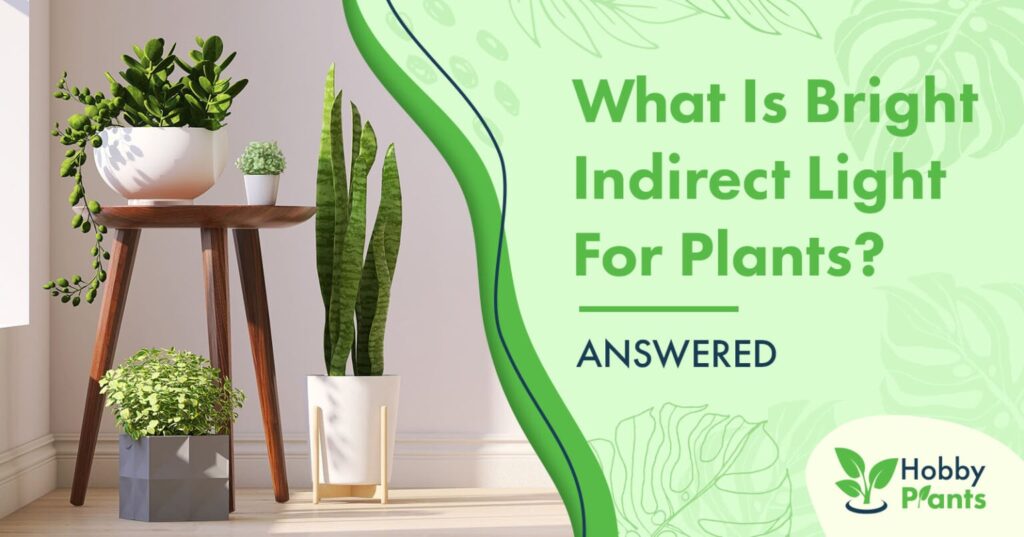
Bright indirect light is often misunderstood as mere dimness or the absence of direct rays. In reality, it’s a nuanced interplay of intensity and diffusion. Picture the glow of a north-facing window, where sunlight streams in without ever touching the plant directly. Or consider the dappled shade beneath a deciduous tree, where light flickers like a living kaleidoscope. This is the sweet spot for Schlumbergera. To measure it, one might use a light meter—or, more poetically, observe the plant’s own reactions. Leaves that remain a lush, deep green without yellowing or bleaching are a sign of contentment. Conversely, stems that elongate unnaturally or fail to bloom signal a desperate search for better conditions. The key lies in consistency: sudden shifts, whether toward blinding light or suffocating shade, can disrupt its delicate rhythm.
The Seasonal Choreography: Adjusting Light Through the Year
Schlumbergera’s light needs aren’t static; they ebb and flow with the seasons, mirroring the natural cycles of its tropical origins. During the growing season—spring and summer—it thrives in bright, indirect light, using the energy to build robust stems and prepare for its winter spectacle. Come autumn, as the days shorten, a subtle shift occurs. The plant begins to sense the approaching darkness, triggering the biochemical processes that lead to bud formation. This is when light becomes even more critical. A location that receives ample morning sun but is shielded from the harsh afternoon glare is ideal. Too little light now, and the plant may produce weak, sparse blooms—or none at all. Yet too much, and it risks premature stress. It’s a delicate balance, one that rewards attentiveness with a burst of color when the world outside is hushed in frost.
Windows and Beyond: Crafting the Perfect Light Environment
The choice of window can make or break a Schlumbergera’s happiness. East-facing windows, bathed in the gentle glow of dawn, are often the most forgiving, offering a soft start to the day without the intensity of midday sun. West-facing windows, while brighter, can be problematic unless filtered by sheer curtains or the dappled shade of nearby trees. South-facing windows, unless shielded by sheer fabric or placed several feet back from the glass, can be a death sentence in summer. For those without ideal window placements, artificial grow lights offer a lifeline. LED panels with adjustable spectrums can replicate the gentle diffusion of indirect sunlight, though they require careful monitoring to avoid over-illumination. Rotating the plant periodically ensures even growth, preventing the lopsided lean that betrays a one-sided light source.
The Hidden Costs of Poor Light: More Than Just Stunted Growth
When Schlumbergera is denied its preferred light conditions, the consequences ripple far beyond mere aesthetics. Weak, etiolated stems are more susceptible to pests like spider mites or mealybugs, their compromised structure offering easy entry points for invaders. Poor light also disrupts the plant’s ability to photosynthesize efficiently, leading to stunted growth and a weakened immune system. Over time, this can result in a plant that’s not just unattractive but fundamentally unhealthy, its vitality sapped by an environment that fails to meet its needs. The irony is that many growers, in their eagerness to provide care, inadvertently create conditions that are just as harmful as neglect. The lesson is clear: light isn’t just a backdrop for growth—it’s the very foundation upon which a thriving Schlumbergera is built.
Signs of Enlightenment: How to Tell If Your Plant Is Thriving
A happy Schlumbergera doesn’t just survive—it thrives, its stems plump and upright, its leaves a vibrant green. The most telling sign? The emergence of buds, those tiny, teardrop-shaped precursors to the plant’s signature winter blooms. These buds form only when the plant has received consistent, appropriate light, along with the right cues from temperature and humidity. Other indicators include the absence of reddening or yellowing on the stems, and a compact, bushy growth habit. Conversely, a plant that’s stretching toward the light or failing to bloom is broadcasting its dissatisfaction. These visual cues are the plant’s way of speaking, a silent but urgent plea for better conditions. Listening to them isn’t just about fixing a problem—it’s about deepening one’s connection to the rhythms of nature.
Beyond the Basics: Advanced Techniques for Light Optimization
For the truly devoted, optimizing Schlumbergera’s light environment can become an art form. Some growers employ reflective surfaces, like white walls or mirrors, to amplify indirect light without increasing its intensity. Others experiment with seasonal rotations, moving the plant to cooler, brighter locations during the growing season and then relocating it to a cozier spot as winter approaches. Hydroponic setups or self-watering pots can also help by reducing the stress of inconsistent moisture, allowing the plant to focus its energy on light absorption. Even the choice of pot—terracotta for its breathability or ceramic for its heat retention—can subtly influence the plant’s microclimate. These techniques aren’t just about control; they’re about collaboration, a partnership between grower and plant to co-create the perfect conditions for flourishing.
The Schlumbergera’s relationship with light is a reminder that nature’s beauty often lies in its subtleties. It doesn’t demand the spotlight; it thrives in the shadows, in the spaces where light is gentle and diffused. To grow one is to engage in a quiet dialogue with the natural world, one that rewards patience and attentiveness with a wintertime display of color and life. In a world that often equates success with relentless exposure, the Schlumbergera offers a different kind of brilliance—one that flourishes not in the glare, but in the glow.
FAQ
What happens if Schlumbergera receives too much direct sunlight?
Excessive direct sunlight can cause the stems to develop red or purple tinges and may lead to scorching.
Can artificial lights be used for Schlumbergera?
Yes, LED grow lights can be used to provide the necessary bright, indirect light, but must be monitored to prevent over-illumination.
Leave a Reply