
Short Answer
Imagine a garden where the impossible becomes ordinary—a place where the delicate elegance of a Christmas cactus meets the rugged tenacity of a moon cactus, where vibrant hues intertwine in a botanical pas de deux. This is the alchemy of Schlumbergera grafting, a horticultural art form that doesn’t just merge plants but rewrites the rules of what they can become. If you’ve ever marveled at the surreal beauty of a cactus adorned with flowers it never could produce on its own, you’re witnessing the quiet rebellion of grafting—a technique that turns botanical limitations into boundless possibilities.
The Allure of the Unnatural: Why Graft Schlumbergera at All?
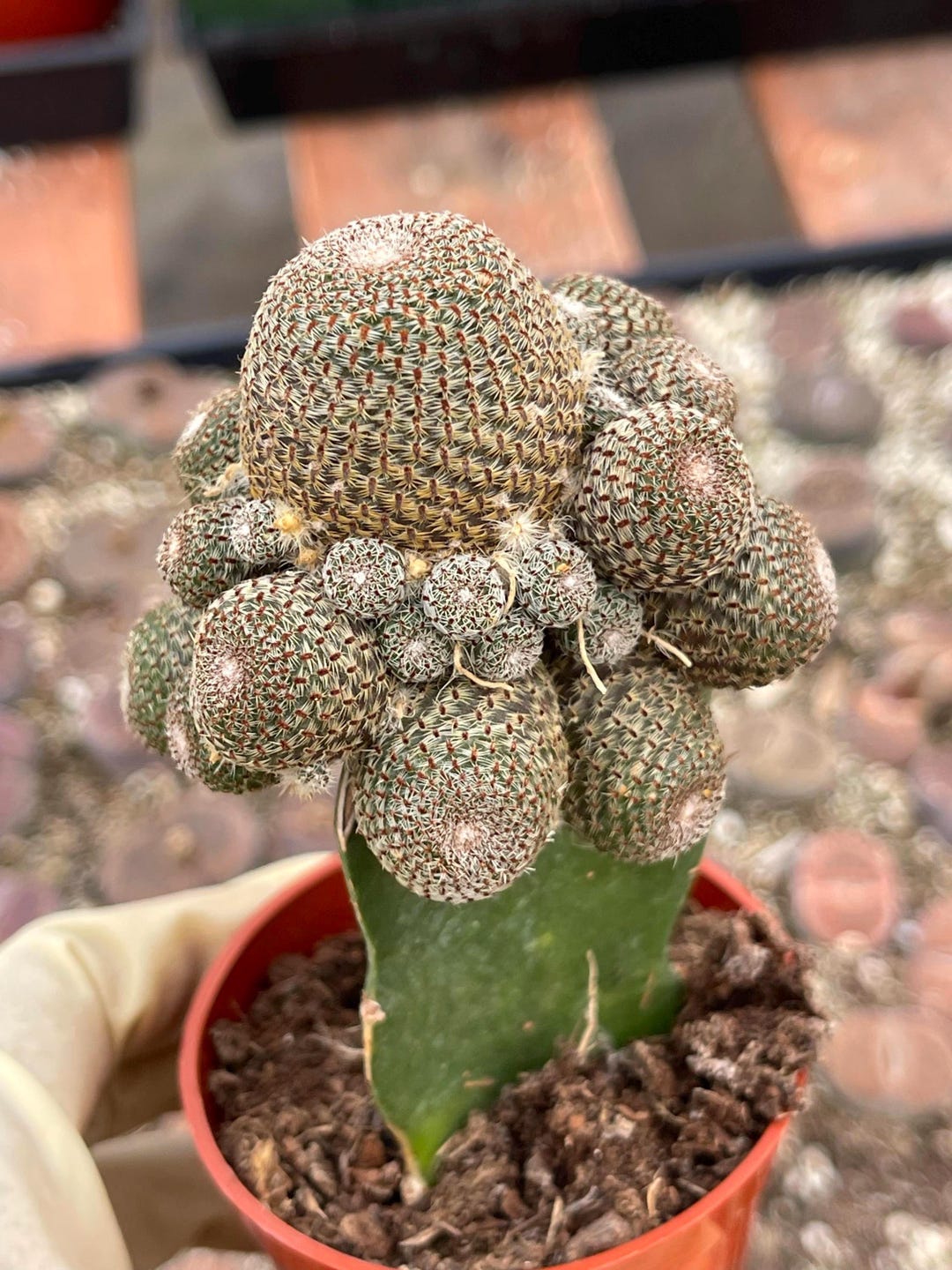
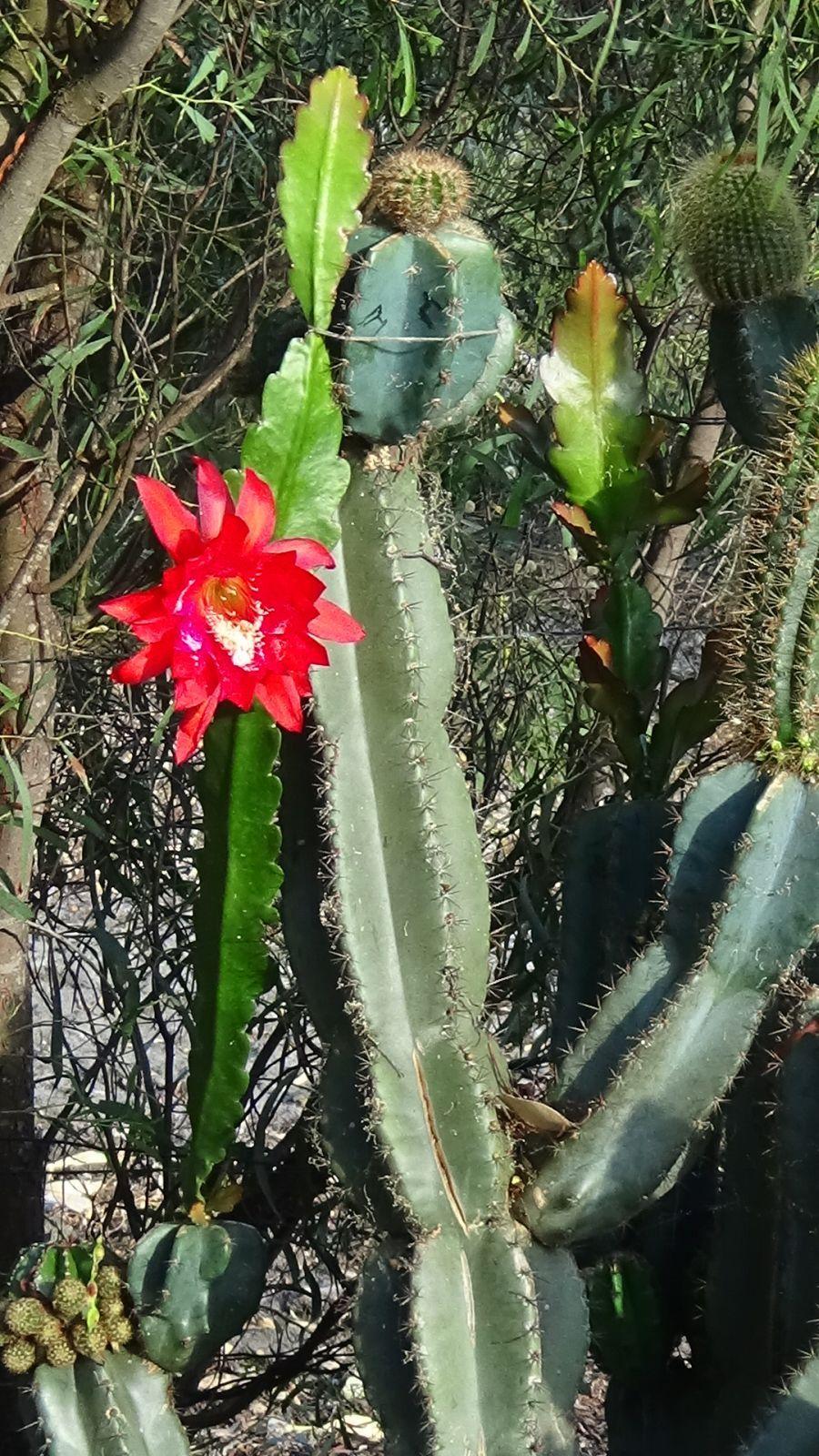
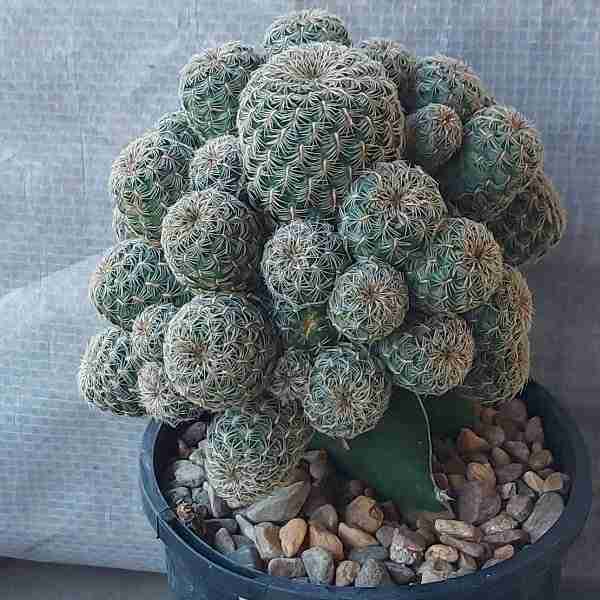
At first glance, grafting might seem like a botanical parlor trick, a way to coax a plant into performing tricks beyond its evolutionary script. But the truth is far more compelling. Schlumbergera, with its pendulous, segmented stems and dazzling winter blooms, is a master of subtlety. Yet, it lacks the robustness of its spiny cousins—cacti like Hylocereus or Pereskiopsis, which thrive in harsh conditions and grow with relentless vigor. By grafting Schlumbergera onto these hardier rootstocks, you’re not just creating a hybrid; you’re engineering a botanical symbiote. The result? A plant that retains the showy flowers of the Schlumbergera while inheriting the resilience of its host. It’s a partnership where both parties thrive, a testament to nature’s adaptability when given a little human ingenuity.
Consider the practical magic here. Schlumbergera, often relegated to indoor pots, can now conquer outdoor landscapes in temperate climates. Its flowers, already a winter spectacle, become even more prolific when the rootstock’s vigor redirects energy from survival to splendor. And for those who crave the extraordinary, grafting opens doors to colors and forms that defy expectation—imagine a Schlumbergera blooming in hues it never could produce naturally, all thanks to the silent partnership beneath the soil.
Choosing Your Partners: The Rootstock Dilemma
The success of your graft hinges on the rootstock—a term that belies its critical role. Not all cacti are created equal in the grafting arena, and selecting the right partner is less about preference and more about compatibility. Hylocereus, the dragon fruit cactus, is a popular choice for its rapid growth and thick stems, which provide ample real estate for the Schlumbergera scion. Its epiphytic nature means it thrives in well-draining soil, making it a low-maintenance ally. Then there’s Pereskiopsis, a smaller but no less hardy option, prized for its quick healing and minimal fuss. It’s the grafting equivalent of a fast-track relationship—ideal for beginners or those impatient for results.
But the rootstock isn’t just a silent supporter; it’s a silent influencer. Some, like Selenicereus, bring a touch of the exotic, their sprawling, vine-like growth habit adding a wild, untamed energy to the graft. Others, like Epiphyllum, offer a middle ground—vigorous enough to sustain the Schlumbergera but with a growth pattern that’s easier to manage. The key is to match the rootstock’s vigor to your goals. Want a showstopper? Choose a fast-growing rootstock. Prefer something more contained? Opt for a slower, steadier partner. The choice is yours, but the implications are profound.
The Art of the Cut: Precision in the Palette
Grafting is where science meets sculpture. The process begins with a clean, deliberate cut—one that’s as much about intuition as it is about technique. The Schlumbergera scion, typically a healthy stem segment, must be sliced at an angle to maximize the surface area for union. The rootstock, meanwhile, is decapitated, its top removed to reveal the cambium layer, the plant’s circulatory system where the magic happens. This isn’t just a severance; it’s a surgical strike, a moment where two lives are poised to merge.
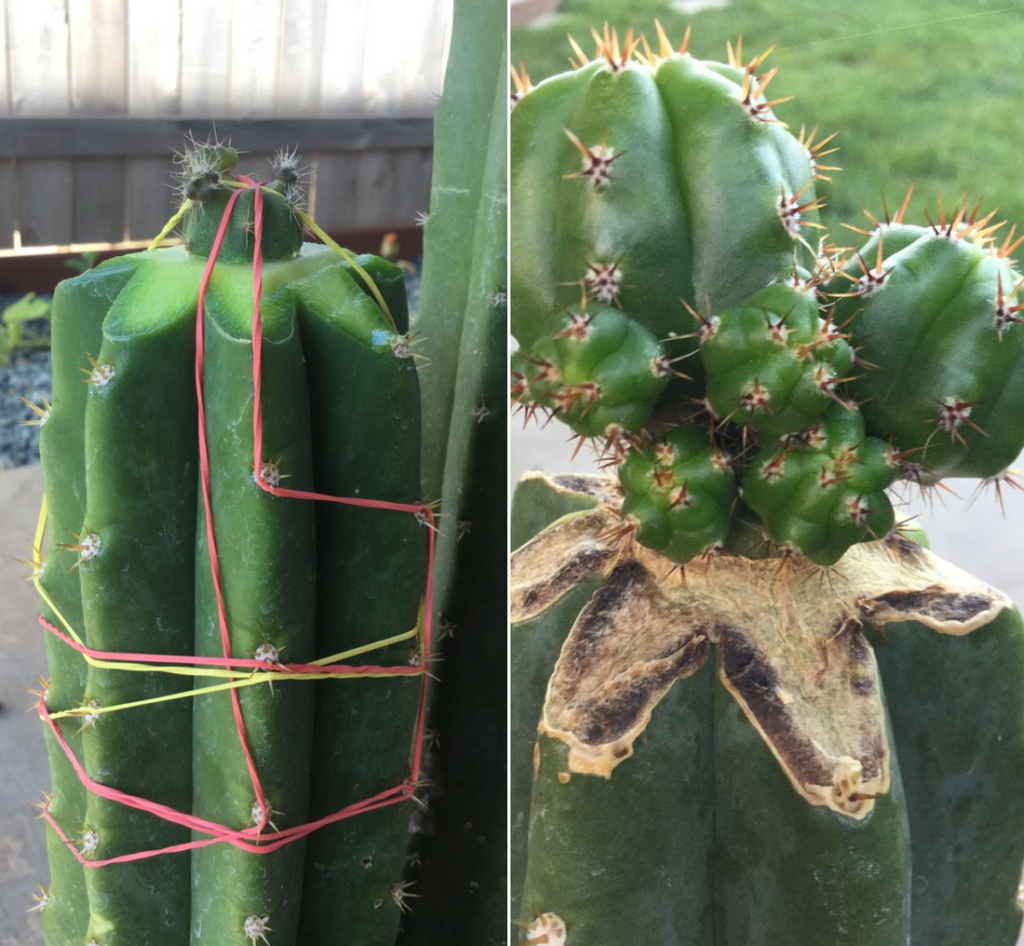
Alignment is everything. The cambium layers of both plants must meet seamlessly, like two rivers converging into one. A misaligned graft is a recipe for failure, a botanical mismatch that leaves both parties struggling to communicate. Some gardeners swear by rubber bands or grafting clips to hold the union in place, while others prefer the simplicity of a weight—just enough pressure to encourage contact without crushing the delicate tissues. The goal is to create an environment where the plants can’t help but fuse, where the boundaries between them blur into something entirely new.
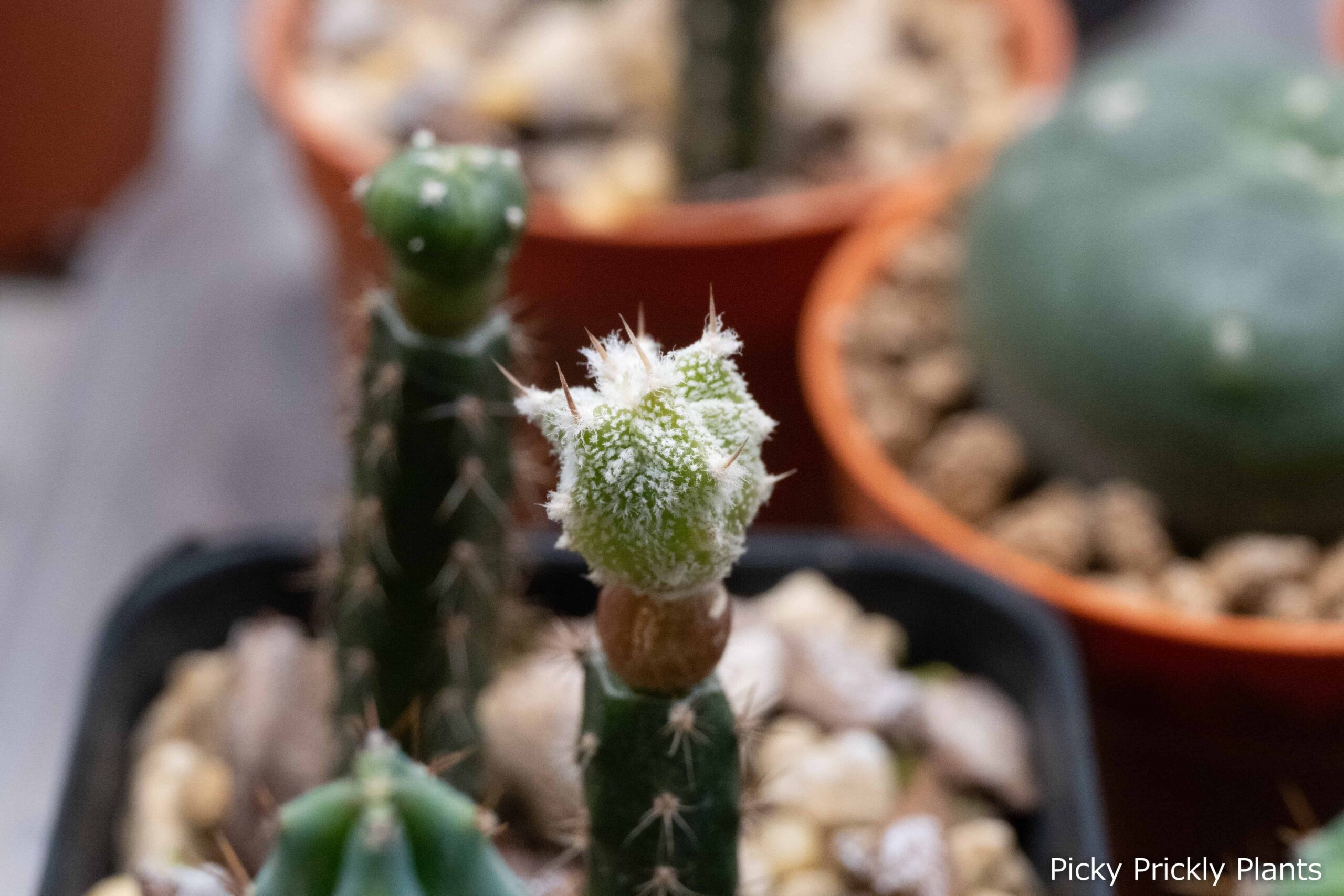
And then, the waiting begins. Patience is the unsung hero of grafting. In the first few days, the plants are strangers, their cells hesitant to intertwine. But as the days pass, the cambium layers knit together, a process invisible to the naked eye but undeniable in its outcome. When the first signs of integration appear—a slight plumping of the scion, a subtle greening at the union—you’ll know the graft has taken. It’s a moment of quiet triumph, a reminder that even in the plant kingdom, persistence pays off.
Aftercare: Nurturing the Newborn Hybrid
The graft may have taken, but the work is far from over. Schlumbergera grafts are delicate creatures in their infancy, their success contingent on the care they receive in the weeks and months that follow. The first rule? Avoid water. Excess moisture is the enemy of healing, a invitation to rot and decay. Instead, keep the grafted plant in a warm, humid environment—think of it as a botanical spa, where the air is thick with possibility and the soil is just dry enough to discourage fungal gatecrashers.
Light is another critical factor. Too little, and the graft will languish, its growth stunted by a lack of energy. Too much, and the delicate tissues will scorch, a victim of overzealous enthusiasm. A bright, indirect light source is ideal, a Goldilocks zone where the plant can thrive without burning out. And then there’s the matter of patience. Resist the urge to prod and poke at the graft. Let it heal in peace, and in time, it will reward you with new growth, a visible testament to the union you’ve fostered.
As the plant matures, its care requirements will evolve. The rootstock’s vigor will become apparent, its roots stretching outward in search of sustenance. Fertilizer, applied sparingly, will encourage this growth, but never at the expense of the Schlumbergera’s delicate balance. It’s a dance, one where you must listen as much as you lead, adjusting your care to the plant’s needs rather than imposing your will upon it.
The Reward: A Plant Transformed
When the first blooms emerge, you’ll understand why grafting is more than a technique—it’s a revelation. The flowers, once a modest display, now burst forth in a riot of color, their vibrancy amplified by the rootstock’s unyielding support. It’s as if the plant itself has been reborn, its potential unlocked by the simple act of joining two lives into one. For the gardener, it’s a moment of pure joy, a reminder that nature is endlessly adaptable when given the chance to reinvent itself.
But the true magic of Schlumbergera grafting lies in what it represents: a challenge to the status quo. Why accept the limitations of a single plant when you can create something greater? Why settle for the ordinary when the extraordinary is within reach? Grafting is a declaration of independence, a botanical manifesto that says, “I will not be bound by the rules of nature.” And in doing so, it invites us to see the world—and our gardens—through a new lens, one where the impossible is not just possible, but inevitable.
FAQ
What is Schlumbergera grafting?
Schlumbergera grafting is a method of joining the Schlumbergera cactus with a hardier rootstock cactus to improve growth and flower production.
Which rootstocks are commonly used for grafting Schlumbergera?
Common rootstocks include Hylocereus, Pereskiopsis, Selenicereus, and Epiphyllum, chosen based on growth vigor and compatibility.
How do I care for a grafted Schlumbergera plant?
Keep the plant in warm, humid conditions with bright indirect light, avoid excess watering initially, and be patient while the graft heals.
Why graft Schlumbergera onto other cacti?
Grafting increases the plant’s resilience, allows it to thrive outdoors in temperate climates, and enhances flower production and color variety.
Leave a Reply