
Short Answer
Beneath the vast, sun-scorched skies of the Andean highlands, where the earth breathes in ancient rhythms, the cactus stands not merely as a plant, but as a silent guardian of tradition, a vessel of medicine, and a symbol of resilience. From the sacred valleys of the Inca to the bustling markets of modern Lima, the cactus—particularly the towering, columnar Echinopsis peruviana—has woven itself into the very fabric of Peruvian life. Its spines, once perceived as barriers, now reveal themselves as pathways: to healing, to spirituality, to survival. This is the story of a plant that refuses to be tamed, a living testament to the unyielding spirit of the Andes and its people.
The Sacred Geometry of the Andes: Cacti in Pre-Columbian Rituals
Long before the Spanish conquistadors set foot on Peruvian soil, the indigenous cultures of the region revered the cactus as a bridge between the earthly and the divine. The Moche, the Nazca, and the Inca—each civilization wove the cactus into their cosmology, attributing to it powers that transcended the mundane. The San Pedro cactus (Echinopsis pachanoi, though often conflated with its cousin, the Peruvian torch), was not merely a plant; it was a sacred conduit, a living staff of the gods.
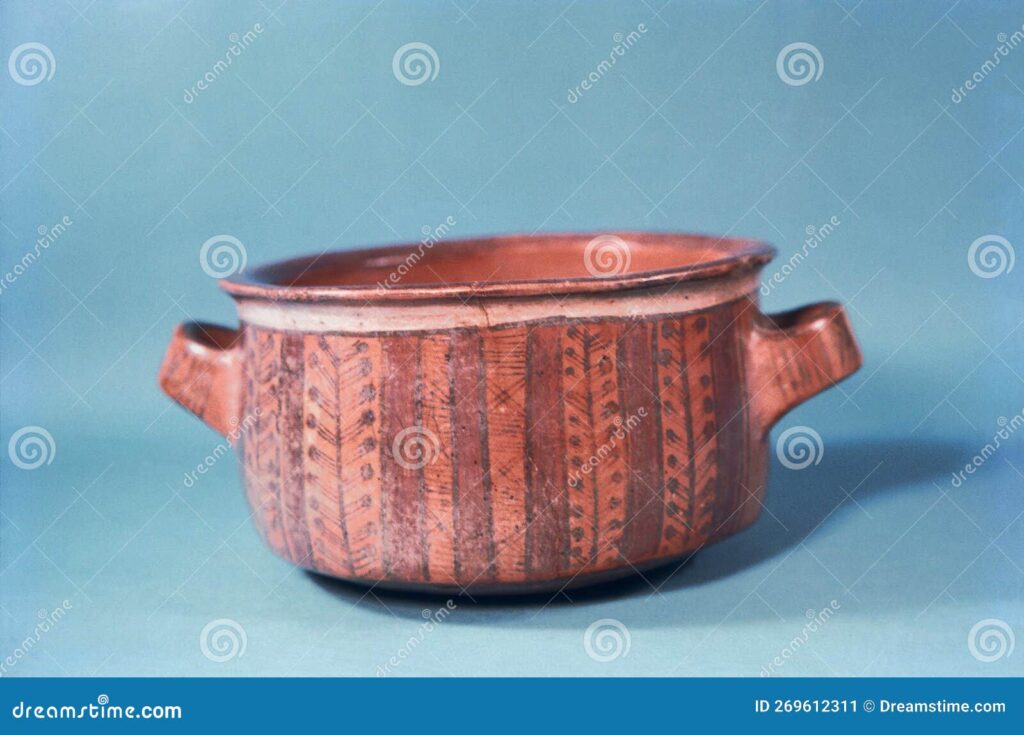
Archaeological evidence, etched into pottery and woven into textiles, depicts shamans wielding cacti in ceremonies of divination and healing. These rituals were not mere superstitions but sophisticated spiritual practices, where the cactus’s mescaline-rich alkaloids induced visions that connected the practitioner to the spirit world. The Inca, masters of syncretism, later integrated these traditions into their own religious framework, blending indigenous beliefs with their veneration of the sun god Inti. The cactus, in this context, was not just a plant—it was a celestial messenger, a tool for communing with ancestors and unlocking the secrets of the universe.
From Sacred Plant to Modern Medicine: The Pharmacological Renaissance
Fast-forward to the 21st century, and the cactus has shed its mystical shroud to reveal a new identity: that of a pharmacopoeia in its own right. Modern science has begun to unravel the biochemical tapestry of the Peruvian torch cactus, uncovering compounds that challenge our understanding of medicine. Mescaline, the psychoactive alkaloid found in these cacti, is no longer confined to the realm of shamanic ritual—it is now the subject of cutting-edge research in psychiatry.
Clinical trials are exploring its potential to treat depression, PTSD, and addiction, offering a glimmer of hope where conventional pharmaceuticals have failed. The cactus, once dismissed as a mere curiosity of the highlands, is now being cultivated in controlled environments, its alkaloids extracted with precision to create standardized treatments. This pharmacological renaissance is not without controversy, however. Ethical debates rage over the commercialization of sacred plants, with indigenous communities demanding recognition—and compensation—for their ancestral knowledge. The cactus, it seems, is caught in a paradox: a symbol of both healing and exploitation, a plant that heals the body while its cultural significance is commodified.
The Peruvian Torch in Art and Symbolism: A Living Palette
Artists, both ancient and contemporary, have long been captivated by the cactus’s stark, unyielding beauty. In pre-Columbian art, the cactus appears as a motif in pottery, textiles, and even architecture, its geometric patterns echoing the sacred geometry of the Inca cosmos. The Nazca Lines, those enigmatic geoglyphs etched into the desert floor, may even depict stylized cacti, their purpose lost to time but their symbolism enduring.
In modern Peru, the cactus has found new life in the hands of painters, sculptors, and photographers. Its spiny silhouette, once a metaphor for isolation, now represents resilience in the face of climate change and urbanization. Artists like Ana Teresa Ortega have reimagined the cactus as a feminist icon, its thorns a defiant statement against patriarchal structures. The Peruvian torch, with its towering presence and luminous white flowers, has become a muse for those seeking to capture the essence of the Andes—both its harshness and its tenacity.
Cultivation and Conservation: The Battle Against Erasure
The Peruvian torch cactus is not just a relic of the past; it is a living, breathing entity struggling to survive in a rapidly changing world. Climate change, with its erratic rainfall and rising temperatures, threatens the delicate ecosystems where these cacti thrive. Overharvesting for both traditional and commercial purposes has further endangered their populations, pushing some species to the brink of extinction.
Conservation efforts are underway, led by indigenous communities and botanists alike. Sustainable cultivation practices are being developed, ensuring that the cactus can be harvested without depleting its natural habitats. In the highland villages of Ayacucho and Huancayo, women-led cooperatives are reviving ancient agricultural techniques, blending tradition with innovation to protect the cactus while providing economic opportunities. These efforts are not just about saving a plant—they are about preserving a way of life, a cultural heritage that has sustained generations.
The Cactus in the Kitchen: A Forgotten Culinary Tradition
While the cactus’s spiritual and medicinal uses are well-documented, its role in Peruvian cuisine is often overlooked. The tuna, or prickly pear fruit, has been a staple in Andean diets for centuries, its sweet, seedy flesh a source of nourishment in arid landscapes. Less known, however, is the use of the cactus’s young pads, or pencas, which are harvested, peeled, and cooked in stews, soups, and even fermented into chicha, a traditional fermented drink.
In the markets of Cusco and Arequipa, vendors sell cactus fruits and pads alongside quinoa and potatoes, a testament to their enduring culinary significance. Yet, as urbanization spreads and Western diets dominate, these traditions are fading. Chefs in Lima and beyond are now rediscovering the cactus, incorporating its unique texture and mild, slightly tangy flavor into modern dishes. From cactus ceviche to cactus-infused pisco sours, the plant is being reimagined as a gourmet ingredient, a bridge between the ancient and the avant-garde.
The Future of the Peruvian Torch: A Plant of Promise and Paradox
The Peruvian torch cactus is more than a plant—it is a paradox, a symbol of both fragility and fortitude, of tradition and transformation. As climate change accelerates and cultural erasure looms, its future hangs in the balance. Yet, in its spines and flowers, in its alkaloids and fruits, lies a promise: a promise of healing, of resilience, of connection to a land that has nurtured it for millennia.
To truly understand the cactus is to understand Peru itself—a land of contrasts, where the ancient and the modern coexist in uneasy harmony. It is a reminder that the past is not a relic to be preserved in museums, but a living force that shapes the present. The Peruvian torch cactus, with its silent strength and unyielding beauty, invites us to look closer, to question, and to marvel. In its story, we find echoes of our own struggles and triumphs—a testament to the enduring power of nature and the unbreakable spirit of those who tend it.
FAQ
What is the cultural significance of the Peruvian torch cactus in ancient Peru?
The Peruvian torch cactus was revered as a sacred plant used in spiritual rituals by indigenous cultures such as the Inca, Moche, and Nazca, serving as a conduit to the divine and a symbol of resilience.
How is the Peruvian torch cactus used in modern medicine?
Modern research is exploring the psychoactive alkaloid mescaline found in the cactus for potential treatments of depression, PTSD, and addiction.
What threats does the Peruvian torch cactus face today?
Climate change, habitat loss, and overharvesting have endangered the cactus, prompting conservation efforts by indigenous groups and botanists.
Are there culinary uses for the Peruvian torch cactus?
Yes, parts of the cactus such as the prickly pear fruit and young pads are traditionally used in Peruvian cuisine, including stews and fermented drinks like chicha.
How is the Peruvian torch cactus represented in Peruvian art?
It has been a motif in pre-Columbian pottery and textiles and is currently a symbol of resilience and feminist iconography in modern Peruvian art.




Leave a Reply