
Short Answer
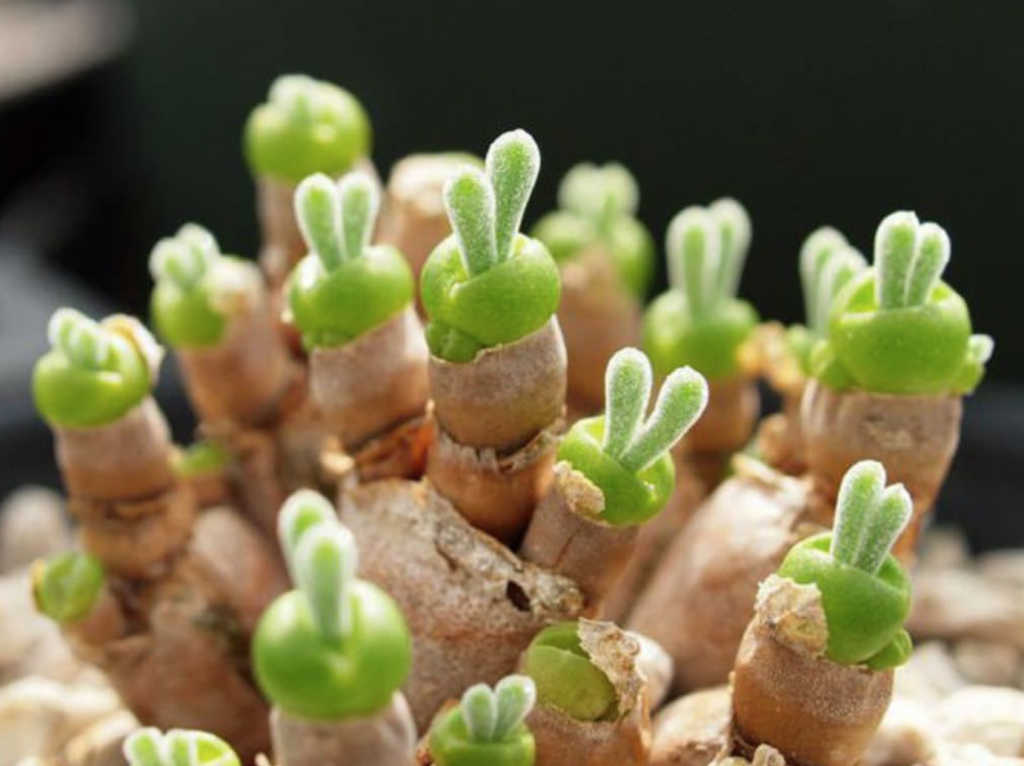
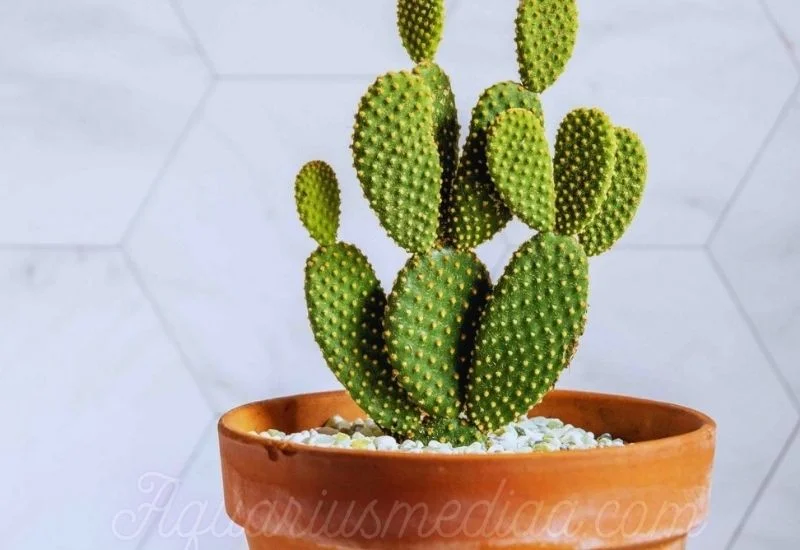
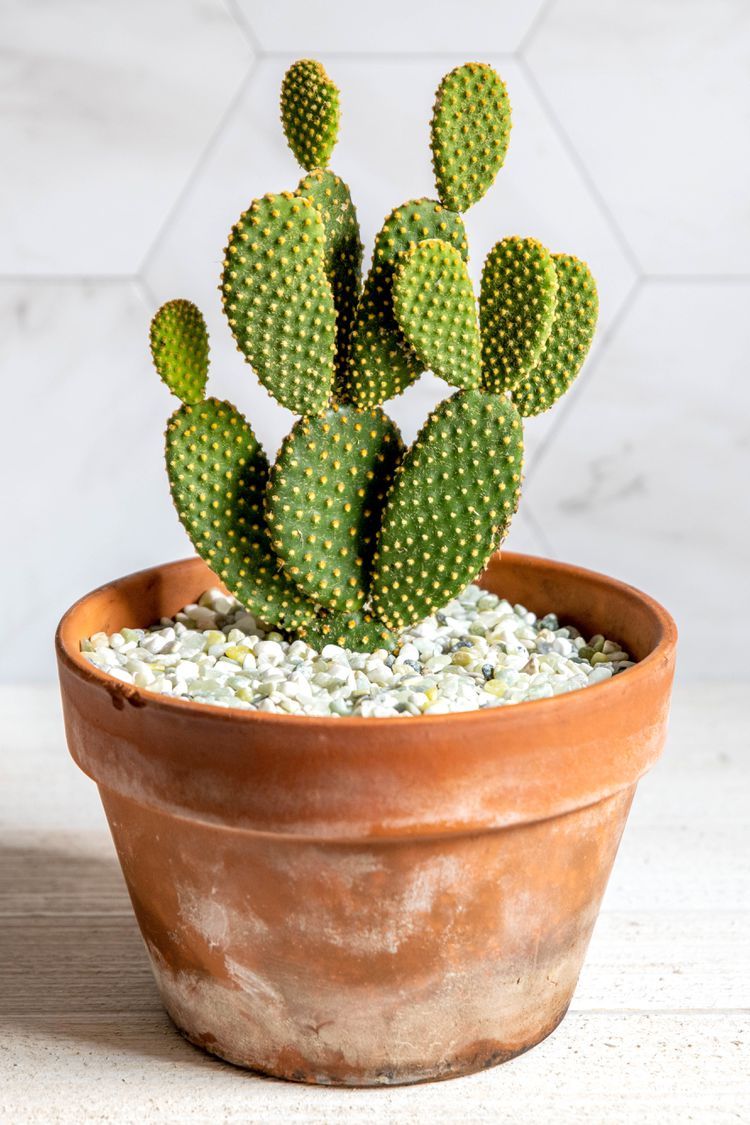
Pruning is an essential aspect of maintaining the health and aesthetic appeal of your Bunny Ear cactus (Monilaria moniliformis). This unique succulent, known for its striking ear-like pads, requires specific care to thrive. Effective pruning is fundamental to safeguarding the overall vitality of your plant, encouraging new growth, and preventing disease. Here, we provide comprehensive guidance on how to properly trim your Bunny Ear cactus.
Understanding the necessity of pruning is the first step in effective plant care. Pruning not only helps in managing the plant’s size but also enhances its ability to absorb sunlight and nutrients. Furthermore, it prevents overcrowding, which can lead to the onset of pests and diseases. With the right techniques, your Bunny Ear succulent can flourish, creating a beautiful focal point in your garden or indoors.
Before embarking on the pruning process, there are vital considerations to keep in mind. Timing is crucial; the best time to prune your Bunny Ear cactus is during the growing season, which typically runs from spring to early summer. During this period, the plant is more resilient and can quickly heal after cuts are made.
Additionally, it’s essential to ensure your pruning tools are clean and sharp. Utilize sterilized gardening scissors or shears to minimize the risk of infection. A clean cut promotes healthier growth and reduces the likelihood of pests taking hold.
What to Look For: Identifying Areas to Trim
When assessing your Bunny Ear cactus, focus on a few key areas that warrant attention. Over time, you may notice several pads growing too close to one another or segments that look unhealthy.
Dead or Dying Segments
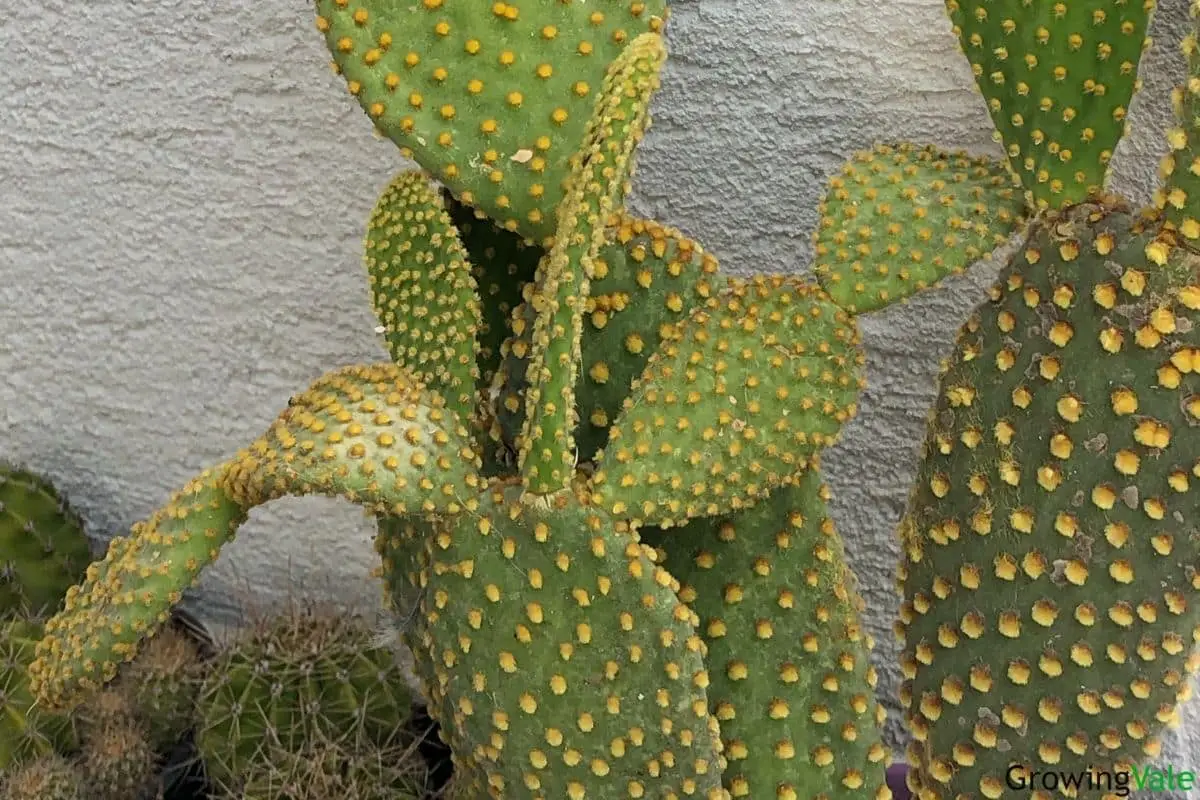
Examine the plant closely for any pads that have wilted or are discolored. These segments sap energy from the healthy parts of the plant. Carefully remove depressed or dried pads at the base using your sterilized shears.
Legginess and Overgrowth
If your Bunny Ear cactus has elongated pads and appears leggy, it may be time to prune for aesthetic purposes as well as health. Trimming excessive height encourages a bushier form and enhances its decorative quality. Ensure that you cut back slightly, avoiding the removal of too many segments at once to maintain a balanced appearance.
Diseased Areas
If you observe any signs of infection or rot, timely intervention is crucial. Areas that appear mushy or have developed soft spots require immediate attention. Prune back to healthy tissue, ensuring that you dispose of the cut segments properly to prevent the spread of disease.
Technique Matters: The How-To Guide for Pruning
Pruning might sound straightforward, but employing the right techniques can make a significant difference in your results. Follow these steps to effectively trim your Bunny Ear cactus.
Start with Clean Tools
As mentioned earlier, make sure your tools are clean to avoid introducing pathogens into the plant. Wipe down the blades with rubbing alcohol to disinfect them before you proceed.
Choose the Right Time to Prune
The best time to undertake pruning is in the early morning or evening when the plant is less stressed. This timing allows for a quicker recovery from the shock of cutting.
Make Clean Cuts
When cutting, always snip at a 45-degree angle just above a node or junction. This technique helps with water drainage and reduces the risk of rot. Avoid tearing or crushing the pads, as these types of cuts can lead to further issues.
Post-Pruning Care: Nurturing Your Plant
Once you’ve completed the trimming process, it’s essential to provide the right care to your Bunny Ear cactus to ensure it heals and thrives.
Watering Adjustments
After pruning, wait at least a week before resuming your usual watering routine. The cuts can be sensitive to moisture, and allowing them to dry out will promote healing and prevent rot.
Providing Adequate Light
Once your pruning is complete, make sure your plant continues to receive sufficient sunlight. Position it in a well-lit area, as adequate light is essential for new growth.
Fertilization
Refrain from fertilizing immediately after pruning. Wait for a few weeks or until new growth appears; at that point, consider using a diluted cactus fertilizer to encourage recovery and promote robust growth.
Regular Monitoring
Keep a close eye on your Bunny Ear cactus post-pruning. Check regularly for signs of new growth and monitor any changes in appearance. This vigilance will help catch potential issues before they escalate.
In conclusion, mastering the art of pruning your Bunny Ear cactus not only maintains its health but also promotes its leggy, whimsical charm. By understanding the fundamentals of effective trimming, coupled with the necessary post-pruning care, you can cultivate a thriving succulent that stands out as a delightful addition to any plant collection. Embrace the pruning process—the reward is a healthy and visually appealing Bunny Ear succulent that flourishes for years to come.
FAQ
Why is pruning important for Bunny Ear succulents?
Pruning helps manage size, encourages new growth, prevents overcrowding, reduces disease risk, and maintains plant aesthetics.
How do I identify unhealthy pads on my Bunny Ear cactus?
Unhealthy pads may appear wilted, discolored, mushy, or dried out and should be carefully removed.
What is the proper technique for pruning Bunny Ear succulents?
Make clean cuts at a 45-degree angle just above a node using sterilized tools to promote healing and prevent rot.
Can I fertilize immediately after pruning?
No, fertilize only after new growth appears, typically a few weeks post-pruning, using diluted cactus fertilizer.
Leave a Reply